
I’ve been using an eye massager on and off for a couple of years, and while it’s been a game-changer for my tired eyes, I’ve also learned the hard way that they’re not for everyone. After a few close calls and talking to my eye doctor, here’s my take on who should probably steer clear.

First off, if you’ve had any kind of eye surgery recently—like LASIK, cataract removal, or even a simple corrective procedure—please wait until your doctor gives the green light. I made the mistake of using mine just a month after getting PRK, and the pressure caused serious discomfort. The healing tissue is delicate, and the massage can interfere with recovery or even cause complications.
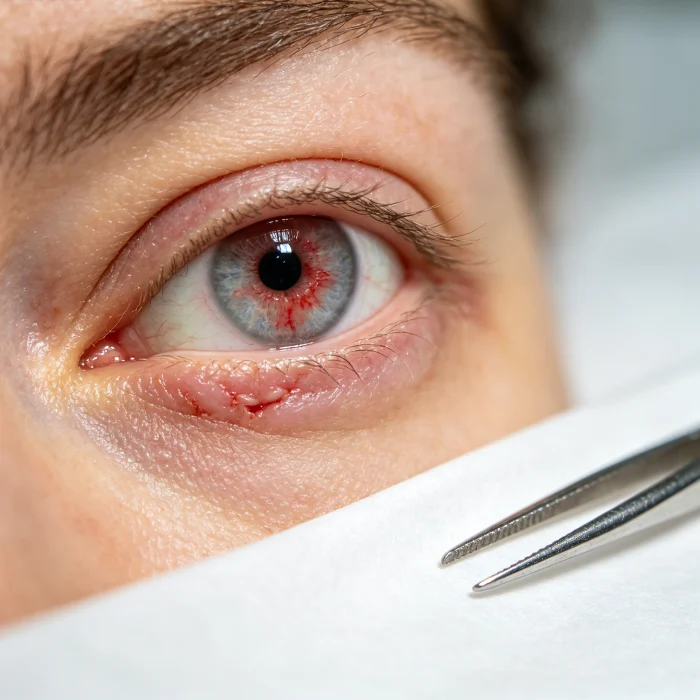
Second, people with certain eye conditions should be cautious. If you have glaucoma, retinal detachment, macular degeneration, or a history of retinal tears, the gentle pressure and heat from an eye massager might worsen things. My friend with glaucoma tried one and said it made her feel pressure behind her eyes—definitely not worth the risk.
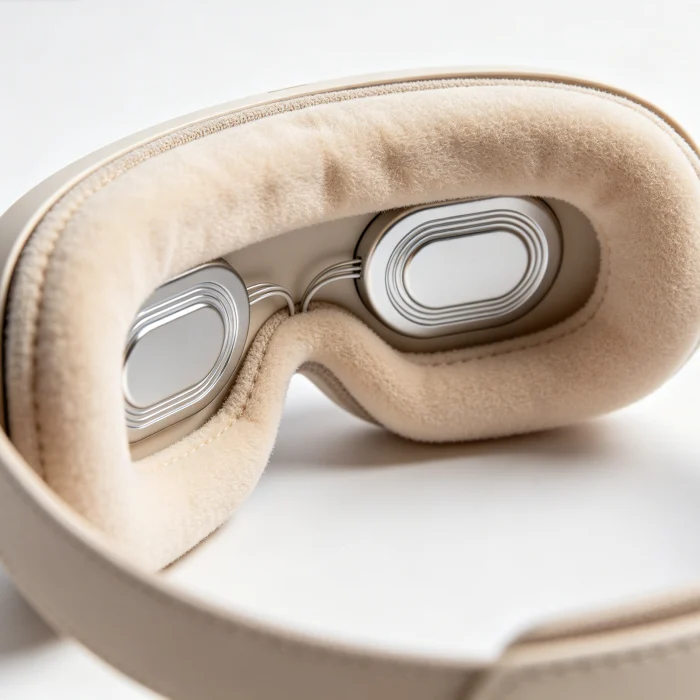
Third, if you have an active eye infection like pink eye, styes, or conjunctivitis, don’t even think about using a shared or personal eye massager. You’ll just spread the infection to the other eye or to the device itself. I once used mine during a mild stye and ended up with both eyes swollen—never again.

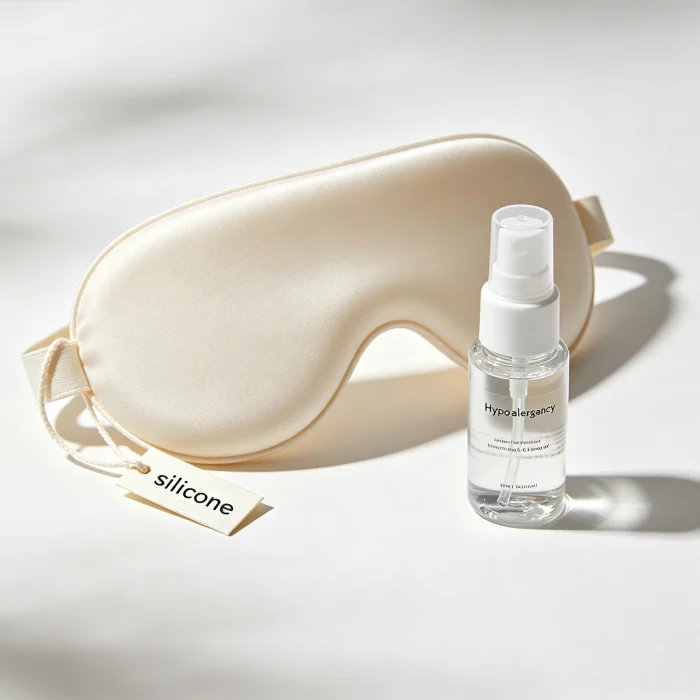
Fourth, people with very sensitive skin or allergies to common materials like silicone or synthetic fabrics should check the device’s material first. I know someone who broke out in a rash around her eyes after using a massager with a silicone cover. Look for hypoallergenic options if you really want to try one.
Finally, if you have a pacemaker or other implanted electronic device, some eye massagers use electrical stimulation (like TENS or vibration) that could theoretically interfere. The jury’s still out, but better safe than sorry. My uncle has a pacemaker and his doctor said to avoid any massager with electronic pulses near the head.
In short, eye massagers are awesome for many—I love mine for reducing puffiness and dry eye—but they’re not a one-size-fits-all solution. Always check with your eye doc before using one, especially if you fall into any of these categories. Your eyes are worth the extra caution!
All Comments 0
Please log in to post a comment.
No comments yet. Be the first to share your thoughts!