
Electrolysis is the only FDA-approved method for permanent hair removal, but it can leave your skin red, swollen, or even blistered if not managed properly. The key to avoiding irritation lies in three pillars: pre-treatment skin preparation, selecting an experienced electrologist, and a meticulous post-care routine that prioritizes barrier repair.
Why Electrolysis Causes Irritation—and How to Minimize It
Electrolysis works by inserting a tiny probe into each hair follicle and delivering a small electrical current to destroy the growth center. This creates localized inflammation, which is a normal part of healing. However, when the current is too high, the probe is inserted incorrectly, or aftercare is neglected, the inflammation can escalate into prolonged redness, bumps, or even hyperpigmentation.
Choosing the right electrologist is the single most effective way to reduce risk. Look for a practitioner who uses a modern, computerized machine with adjustable settings and who performs a patch test before your first full session. In 2026, many top electrologists also use high-frequency or LED light therapy post-treatment to calm the skin—ask if these are available.
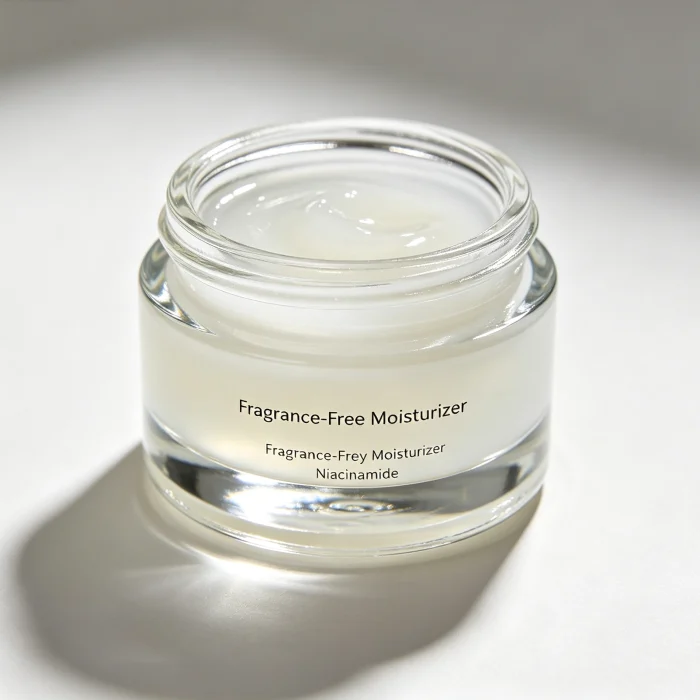
Pre-Treatment Prep: Strengthen Your Skin Barrier
In the week before your appointment, focus on gentle cleansing and moisturizing. Avoid retinoids, alpha hydroxy acids, and any exfoliating scrubs for at least 5 days, as these thin the skin and increase sensitivity. Instead, use a fragrance-free moisturizer with ceramides or niacinamide to reinforce the skin barrier. On the day of treatment, arrive with clean, dry skin—no makeup, sunscreen, or lotions. If you have a low pain tolerance, you may take acetaminophen 30 minutes prior, but avoid ibuprofen or aspirin as they can thin the blood and worsen bruising.
What to Expect During and Immediately After Treatment
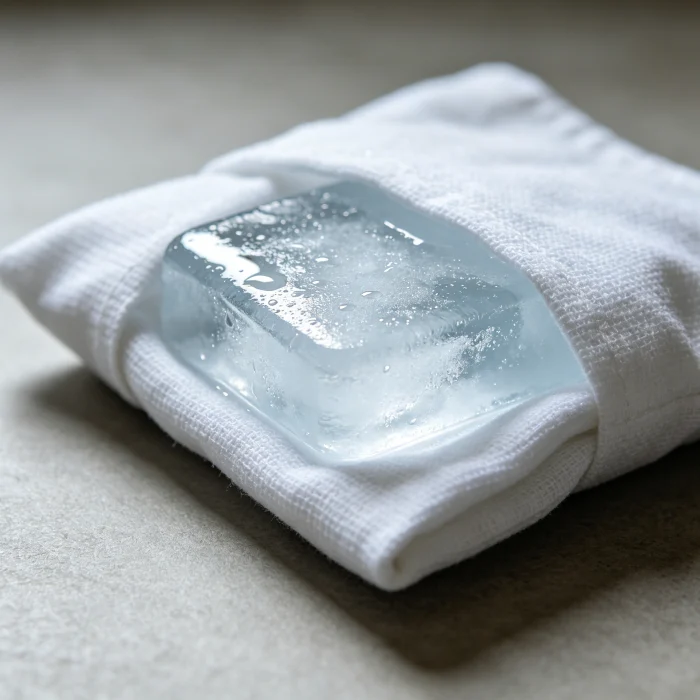
A skilled electrologist will use the lowest effective current and adjust technique based on your skin’s reaction. You should feel a brief, sharp sensation but not burning or excessive pain. After the session, the treated area will be red and slightly swollen for 15–60 minutes. Apply a cool compress or an ice pack wrapped in a clean cloth for 10 minutes to reduce inflammation.
For the first 24 hours, treat the area like a wound: keep it clean with a gentle, non-alcoholic cleanser (like Cetaphil or CeraVe), and apply a thin layer of a healing ointment such as Aquaphor or a pure petroleum jelly. Avoid touching, scratching, or shaving the area. Do not apply makeup, deodorant, or any scented products for at least 24 hours.
Post-Treatment Care: Calm, Protect, and Hydrate
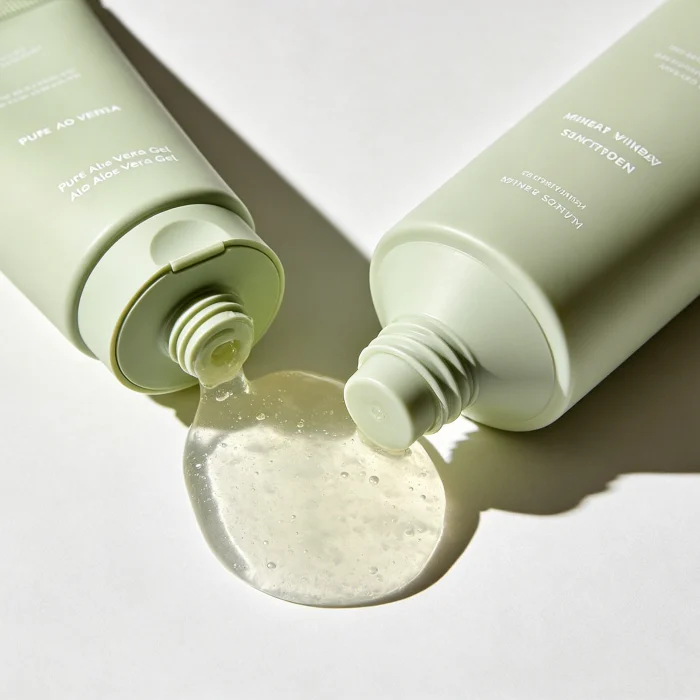
After the first day, switch to a light, oil-free moisturizer if your skin feels dry. Aloe vera gel (pure, without alcohol) can be soothing. For the next 48 hours, avoid activities that cause sweating, such as exercise, saunas, and hot showers, as sweat can irritate the treated follicles. Also, steer clear of chlorinated pools and direct sun exposure—if you must go outside, use a mineral sunscreen (zinc oxide or titanium dioxide) with SPF 30+.
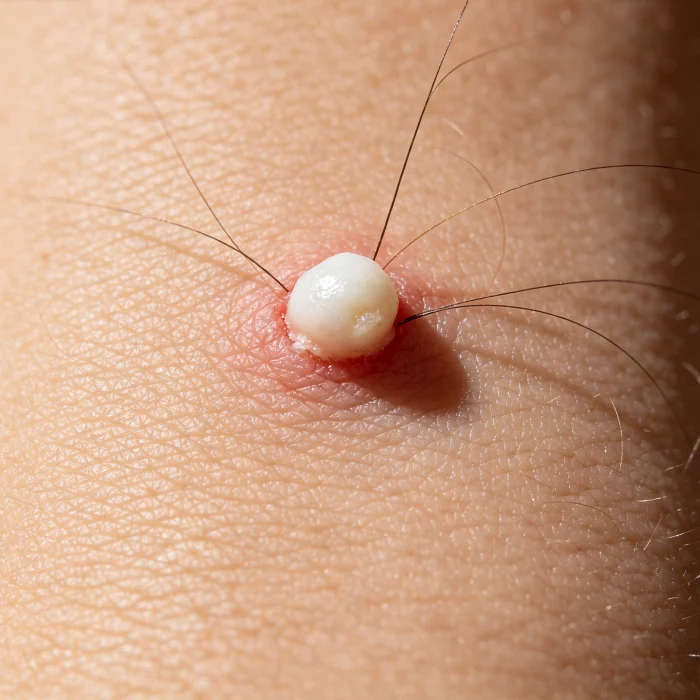
Some people develop small whiteheads or tiny scabs around the follicles. This is normal and means the follicle is healing. Do not pick or pop them; let them fall off naturally. If you experience severe swelling, pus, or pain, contact your electrologist or a dermatologist—this may indicate an infection or an allergic reaction.
Common Mistakes That Make Irritation Worse
| Mistake | Why It Hurts | Better Alternative |
|---|---|---|
| Using hot water or steam | Increases blood flow and swelling | Lukewarm water only |
| Applying makeup or deodorant too soon | Clogs open follicles and introduces bacteria | Wait at least 24–48 hours |
| Sunscreen with chemical filters | Can sting and irritate sensitized skin | Use physical/mineral sunscreen |
| Exercising immediately after | Heat and sweat aggravate inflammation | Rest for 24 hours |
| Over-moisturizing with heavy creams | Can trap heat and cause breakouts | Use oil-free, non-comedogenic products |
When to See a Professional
Mild redness and slight swelling that subsides within a few hours are normal. However, if you notice blistering, crusting, or hyperpigmentation that lasts more than a week, consult a dermatologist. In rare cases, improper technique can cause scarring. To minimize long-term risks, always choose a licensed electrologist with at least 2 years of experience and positive reviews. In 2026, many states require electrologists to complete continuing education on skin health—check your practitioner’s credentials.
Final Thoughts: Consistency and Patience Pay Off
Avoiding irritation during electrolysis is not complicated—it requires a thoughtful approach before, during, and after each session. By preparing your skin, selecting a skilled professional, and following a healing-focused aftercare routine, you can achieve permanent hair removal with minimal discomfort. Remember that each session builds on the previous one; consistent care yields the best results. If you have sensitive skin or a medical condition like eczema, talk to your electrologist before starting treatment so they can tailor the settings to your needs.
Frequently Asked Questions
Can I use numbing cream before electrolysis?
Yes, but check with your electrologist first. Some creams can interfere with the electrical current or cause allergic reactions. A topical lidocaine cream (5%) applied 30–60 minutes before may help, but avoid over-application.
How long does redness last after electrolysis?
Typically 15 minutes to a few hours. In sensitive areas like the upper lip, it may last up to 24 hours. Persistent redness beyond 48 hours should be evaluated.
Is it safe to get electrolysis on tanned or sunburned skin?
No. Tanning and sunburn increase skin sensitivity and risk of hyperpigmentation. Wait until the tan fades and the skin is fully healed (usually 2–4 weeks).
Can I wear makeup the day after electrolysis on my face?
It’s best to wait 24–48 hours. If you must, use clean, mineral-based makeup and avoid the treated spots. Wash off as soon as possible.
What should I do if I get a pimple or whitehead after treatment?
Leave it alone. It’s usually a healing response called a follicular pustule. Apply a warm compress if needed, but do not pop. It will resolve in 2–3 days.
All Comments 10
Please log in to post a comment.
This is helpful, but I'm curious — how do you tell if your electrologist is 'experienced' enough? I've had two sessions so far, one was fine, the other left me with tiny scabs. Is that just normal variation or a red flag? Also, anyone tried numbing cream beforehand?
I'm a bit skeptical about the 'experienced electrologist' part. I mean, even the best ones can cause irritation depending on your skin type, right? I've been to three different people and still get swollen bumps for days despite following all the pre- and post-care steps. Maybe some of us just react more? Would love to hear if anyone with sensitive skin has found a specific technique that works.
This is so true about barrier repair! After my sessions, I use a gentle, fragrance-free moisturizer with ceramides and it helps so much. One thing I'd add: avoid any active ingredients like retinol or acids for at least 48 hours before and after. Learned that the hard way. Anyone else find that ice packs help more than they thought?
I'll push back a little — prep is important, but I think skin type matters way more than people admit. I have sensitive skin and even with perfect prep/post, I still get some irritation. The best thing I did was ask for lower settings and more passes. Took longer but way less angry skin.
I get that electrolysis is 'permanent' but honestly, the irritation for me wasn't worth it. Laser hair removal has been way gentler on my skin. Sure, it's not 'FDA-approved for permanent removal' but my results have lasted years. 🤷♂️
I'm curious about the 'experienced electrologist' part. I've been to two so far and both left me with more irritation than I'd like. How do you vet them before booking? Should I ask about their probe technique or something?
I've been doing electrolysis for about 6 months now and the biggest game-changer for me was switching to a numbing cream before sessions. My electrologist recommended one with lidocaine and it seriously cut down the post-treatment redness. But yeah, finding someone who knows what they're doing is crucial—I had a bad experience with a newbie who left me with some blisters. 😬
Finally, someone addressing the real struggle! I've had electrolysis on my upper lip and the redness was no joke. My electrologist recommended a cold compress right after, and it made a huge difference. Definitely second the barrier repair creams — Cicaplast is my go-to.
I've been doing electrolysis for about six months now and honestly, the post-care is where I messed up at first. I was too aggressive with aloe and scrubbing. Once I switched to just a cold compress and a barrier cream with ceramides, the redness went down way faster. That tip about repairing the barrier is so real.