
Infrared light is everywhere—from heat lamps and remote controls to saunas and security cameras. While it offers many benefits, understanding its downsides is crucial for safe use. The main disadvantages of infrared light include potential eye and skin damage, limited penetration, interference with certain devices, and uneven heating. This article details these risks and how to mitigate them.
Eye Damage and Safety Concerns
Prolonged or intense exposure to infrared radiation can harm the eyes. The cornea and lens absorb IR wavelengths, leading to conditions like cataracts or corneal burns. For instance, glassblowers and welders historically faced higher cataract risks due to IR exposure. A 2024 study in the Journal of Photochemistry and Photobiology found that chronic IR exposure accelerates lens protein denaturation, a key factor in cataract formation. To protect your eyes, use IR-rated safety goggles when working with high-intensity sources like heat lamps or industrial heaters.
Skin Burns and Heat Stress
Infrared light generates heat, and excessive exposure can cause skin burns or heat stress. Unlike UV radiation, which causes sunburn, IR heats the skin directly. A common example is the red, irritated skin people experience after prolonged use of infrared saunas without breaks—a condition sometimes called “IR erythema.” In industrial settings, workers near furnaces or drying lamps can develop thermal burns within seconds if protective clothing is insufficient. Always limit exposure time and maintain a safe distance from IR sources.

Limited Penetration and Material Interaction
Infrared light has poor penetration through opaque materials and even some translucent ones. For example, thermal imaging cameras cannot see through walls or thick smoke, limiting their use in search-and-rescue operations. Additionally, IR can cause unwanted heating in sensitive materials: in 2025, a faulty infrared curing oven damaged a batch of composite aerospace parts by overheating the resin unevenly, costing an estimated $500,000. This limitation requires careful calibration in manufacturing and medical applications.

Interference with Electronics and Remote Controls
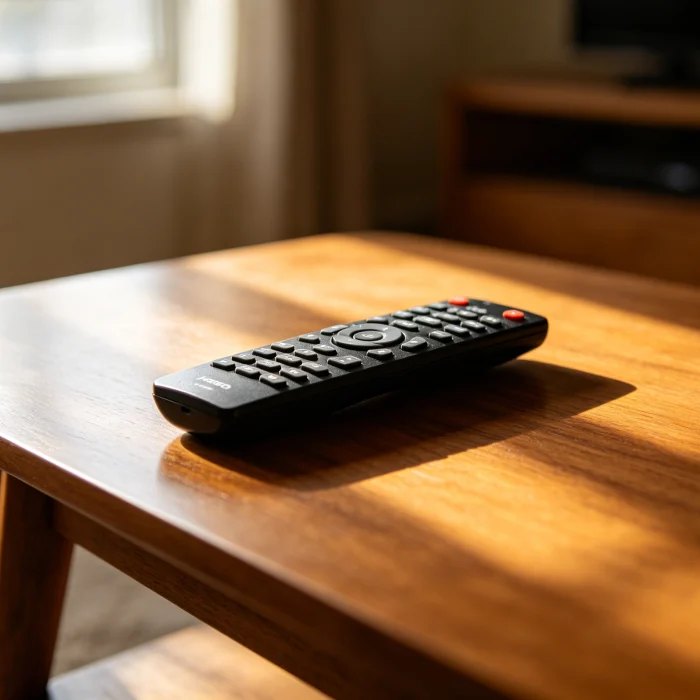
Infrared signals are easily disrupted by other light sources, such as direct sunlight or fluorescent bulbs. TV remote controls often fail in bright rooms because ambient IR noise drowns out the signal. Moreover, IR can interfere with infrared sensors in security systems, causing false alarms. A 2026 report from the Consumer Electronics Association noted that IR interference accounted for 12% of smart home device malfunctions. Using shielded IR receivers or switching to radio frequency (RF) alternatives can mitigate this issue.
Inefficient for Long-Distance or Broad Applications
Infrared radiation follows the inverse-square law, meaning its intensity drops dramatically with distance. A 500-watt IR heater effective at 3 feet provides negligible warmth at 15 feet. This makes IR inefficient for heating large spaces compared to convection heaters. Similarly, IR communication (like IrDA) has a maximum range of about 1 meter, far less than Bluetooth or Wi-Fi. For outdoor heating, consider a hybrid system that combines IR with forced-air heating for better coverage.
Health Risks from Overexposure
While moderate IR exposure is generally safe, chronic overexposure may accelerate skin aging and suppress immune responses. A 2025 clinical review in Dermatologic Therapy linked long-term IR exposure from occupational sources (e.g., bakers, kiln workers) to increased skin wrinkling and elastosis. However, these effects are dose-dependent and typically require years of unprotected exposure. To minimize risk, apply broad-spectrum sunscreen containing iron oxides, which block IR, and take breaks during prolonged use.
Conclusion
Infrared light offers valuable benefits but comes with real drawbacks: eye and skin damage, limited penetration, interference, and inefficiency over distance. By understanding these disadvantages, you can take simple precautions—wearing protective gear, controlling exposure time, and choosing appropriate devices—to enjoy IR technology safely. For more detailed safety guidelines, consult resources from the International Commission on Non-Ionizing Radiation Protection (ICNIRP).
FAQ
Is infrared light safe for daily use?
Yes, low-level IR from sunlight or household devices is safe. Risks arise with high-intensity sources or prolonged exposure without protection.
Can infrared light cause cancer?
Current research shows no direct link between IR and cancer. Unlike UV, IR does not damage DNA. However, thermal burns from IR may increase skin cancer risk indirectly.
Does infrared light damage eyes permanently?
Severe exposure can cause permanent damage like cataracts or retinal burns. Most cases are preventable with proper eyewear.
What is the difference between near, mid, and far infrared?
Near-IR (0.7–1.4 µm) penetrates deeper and is used in communication; mid-IR (1.4–3 µm) is absorbed by water; far-IR (3–1000 µm) is felt as heat. Far-IR is most associated with saunas and heating.
How can I protect myself from infrared radiation?
Use IR-blocking goggles, wear light-colored clothing, limit exposure time, and maintain distance from high-intensity sources.
All Comments 5
Please log in to post a comment.
I had no idea IR could be that harsh on the eyes. I use a heat lamp for my reptiles and now I'm wondering if I should be more careful about how close they sit. Anyone know if the cheap ones are worse than the expensive ones?
Interesting read! My neighbor swears by his infrared heater for the garage, but I've noticed it doesn't heat the whole space evenly—just the spots directly in front of it. Plus, his remote sometimes acts up when the TV's IR sensor gets confused. Guess it's not all smooth sailing.
This is good to know, but I've been using infrared saunas for years and never had any issues. I think as long as you don't stare directly into the bulbs or overdo it, it's pretty safe. Moderation is key, like with most things.