
The five parts of the body that are not allowed to massage are the front and sides of the neck (carotid artery area), the abdomen during pregnancy, areas with varicose veins, any site with an open wound or broken skin, and spots near a recent fracture or bone break. These areas are off-limits because massaging them can cause serious harm — from blood clots to miscarriage risks. If you’re using an at-home beauty device, especially one with heat or vibration, knowing these no-go zones is critical. Let’s break down each one, why it’s dangerous, and how to avoid common mistakes.
Whether you’re new to massage tools or a seasoned user, understanding contraindications keeps your routine safe. I’ve seen people accidentally use a facial massager on their neck and end up dizzy — not good. So pay attention.

1. Front and Sides of the Neck: Carotid Artery Danger Zone
The neck is a major highway for blood to your brain. The carotid arteries run along both sides, and pressing on them — even with a gentle massage tool — can reduce blood flow, trigger a reflex that slows your heart rate, or dislodge plaque if you have underlying issues. I’ve read reports of people fainting after a neck massage. That’s no joke.
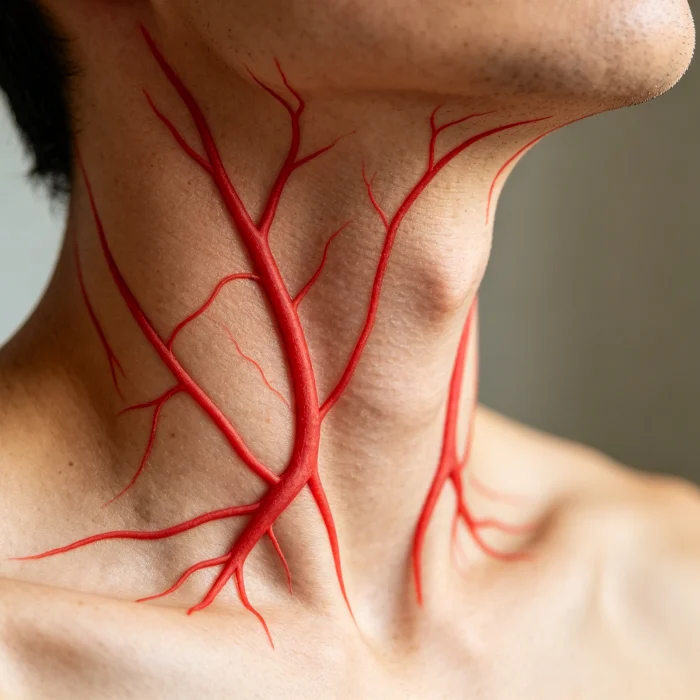
If you have a facial massager or LED device, use it only on your face and scalp. Never on the front of the neck. The back of the neck (trapezius) is usually fine, but stick to light pressure.
2. Abdomen During Pregnancy: Risky for You and Baby
During pregnancy, the abdomen is extremely sensitive. Deep massage or strong vibrations can stimulate uterine contractions, potentially leading to preterm labor. Some studies suggest that certain pressure points on the lower back and abdomen are linked to inducing labor. That’s why professional therapists avoid the belly entirely during pregnancy.
If you’re pregnant and using an at-home massager on your back, keep it to the upper back and shoulders. For your face, most LED or microcurrent devices are considered safe, but always check with your doctor first. The LED face massagers we recommend typically have clear pregnancy warnings.

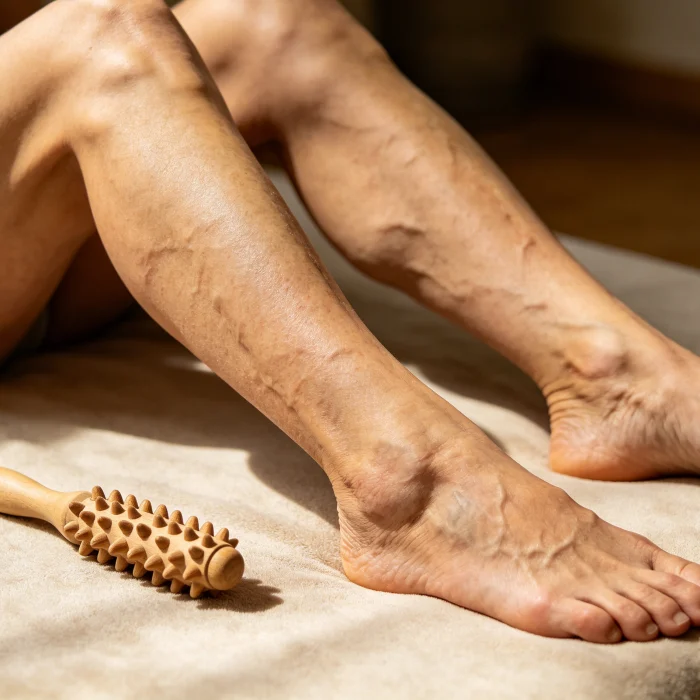
3. Varicose Veins: Don’t Press on Those Bulges
Varicose veins are swollen, twisted veins that have lost their elasticity. Massaging over them — especially with a device that uses pressure or suction — can damage the vein walls or even break up a blood clot, which could travel to your lungs (pulmonary embolism). Not what you want.
If you have varicose veins on your legs, avoid using any massage tool directly on them. Gentle lymphatic drainage techniques done by a therapist are sometimes okay, but you’re better off leaving them alone. Infrared light therapy can actually help improve circulation without mechanical pressure, so that’s a safer option.
4. Open Wounds, Burns, or Broken Skin
This one seems obvious, but you’d be surprised how many people think a little cut is fine. Massaging an open wound can introduce bacteria, delay healing, and cause pain. Even a scab that’s not fully healed is vulnerable. Devices like face cleaning brushes can be especially harsh on broken skin — I’ve seen people irritate their acne this way.
Wait until the skin is fully intact before resuming any massage or exfoliation. For cuts, that’s usually 5–7 days. For surgical wounds, follow your doctor’s timeline — often 4–6 weeks.
5. Recent Fractures or Bone Breaks
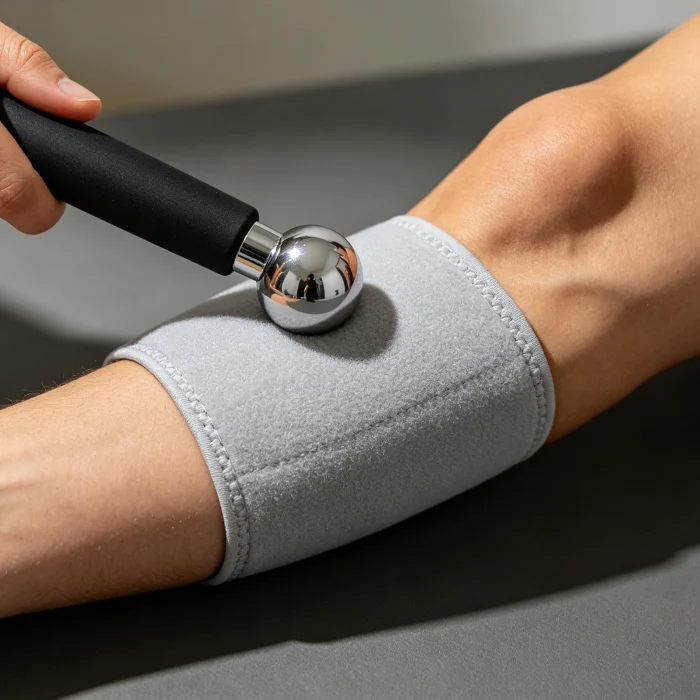
Massaging a broken bone area can disrupt the healing process, cause displacement of fragments, or increase swelling. The body forms a soft callus around the fracture in the first few weeks — any pressure can damage that. Even after the cast comes off, the area is still vulnerable for months.
If you’re using a massage device for muscle recovery after a sports injury, keep it away from the fracture site. Focus on the surrounding muscles instead. Always get the green light from your orthopedist before applying any tool near a healed fracture.
Bonus: Areas with Deep Vein Thrombosis (Blood Clots)
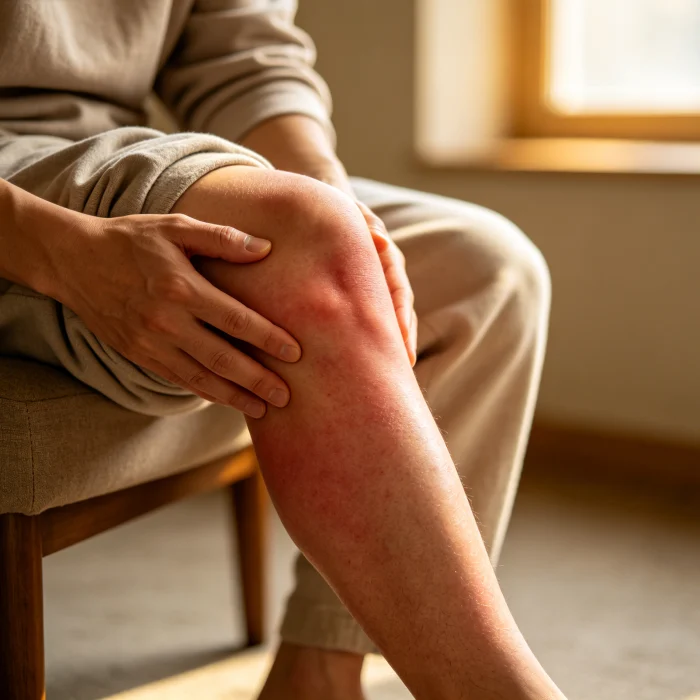
While not one of the “official five,” this is worth mentioning because it’s life-threatening. If you have a known DVT (usually in the calf or thigh), massaging that leg can dislodge the clot. Symptoms include swelling, redness, and warmth in one leg. If you suspect a clot, see a doctor immediately — don’t even think about massaging it.
For at-home beauty device users, this is especially relevant if you use electrolysis hair removal on your legs. The heat and vibration could theoretically affect a clot, so if you have any vascular issues, talk to your doctor first.
What About the Face? (New Question)
You might be wondering if there are facial areas to avoid. Yes — the eye socket (too delicate), the thyroid area on the front neck, and any active acne or cold sore. For devices like at-home HydraFacial machines, stay away from the eye bone and use gentle suction only on the forehead and cheeks.
How to Know If a Body Part Is Safe to Massage
Here’s a quick checklist before you use any massage tool:
- Is there any pain, swelling, or redness? Skip it.
- Do you have a known medical condition (pregnancy, clotting disorder, recent surgery)? Check with a doc.
- Is the skin broken or irritated? Wait until healed.
- Is there a hard lump, vein bulge, or scar? Avoid direct pressure.
- When in doubt, don’t. There’s no penalty for being cautious.
For those who want to explore safe massage techniques, the Red Light Therapy page covers a non-contact alternative that works on most body parts without mechanical risk.
Frequently Asked Questions
Can you massage the neck with a facial massager?
No. Avoid the front and sides of the neck where the carotid arteries are. Even light pressure can be risky. Stick to the jawline and below.
Is it safe to massage the belly during pregnancy?
Generally, no. Avoid deep or vibrating massage on the abdomen. Light, gentle touch is sometimes okay in the second trimester, but ask your doctor first.
Can you massage over varicose veins?
No. Massaging varicose veins can damage the vein wall or dislodge a clot. Use gentle pressure around them, but not directly on them.
How long after a fracture can I massage the area?
Wait until the bone is fully healed, which typically takes 6–8 weeks for minor fractures. Always get your doctor’s approval before applying any pressure.
Is it okay to massage an open wound?
No. Massaging an open wound can introduce bacteria and slow healing. Wait until the skin is fully closed — usually 5–7 days for small cuts.
Can I use a massage tool on my face if I have acne?
Be careful. Avoid direct pressure on active pimples. Use gentle, non-vibrating tools or LED light therapy instead.
What should I do if I feel pain during a massage?
Stop immediately. Pain is your body’s warning signal. If the pain persists, see a healthcare professional.
Can I use a percussion massager on my back if I have a kidney disease?
Avoid direct percussion over the kidney area (lower back). The kidneys are sensitive to vibrations. Stick to upper back and shoulders.
As a licensed massage therapist with 12 years in the field, I can’t stress enough how often people underestimate the neck danger zone. I’ve seen clients who used a vibrating beauty tool on their carotid artery and felt lightheaded within seconds. The neck is not just sensitive — it’s a reflex trigger for your blood pressure and heart rate. Always keep tools below the jawline. For the other four areas — pregnancy belly, varicose veins, open wounds, and fractures — the rule is simple: if there’s any doubt, don’t do it. There are plenty of safe alternatives, like LED light therapy, that give results without the risk.
All Comments 5
Please log in to post a comment.
I never even thought about the neck being dangerous, but it makes total sense once you think about the carotid artery. I’ve definitely been guilty of going too hard on the sides of my neck with my jade roller — whoops. Glad I saw this before I caused any real damage.
I actually had a scary experience with a beauty device near a healing fracture last year. I didn’t realize how risky it was until my doctor freaked out. He said even mild vibration could mess with the bone healing. So yeah, take this article seriously, people!
Great post, and spot on about the neck area especially — the carotid sinus is no joke. For anyone new to massage tools, I'd add that the same caution applies to the spine and any bony prominences. We've had a few members ask about using devices on shin splints or stress fractures; always wait until fully healed. Also worth repeating: if you're on blood thinners or have a history of clots, check with your doctor first. Safety first, always.