
Flex face brushes are not environmentally friendly: a standard electric model with replaceable brush heads generates roughly 2-3 pounds of plastic waste per year in heads alone, plus the electronic waste from the handle when it dies. These brushes are designed for convenience, but their environmental footprint is real. If you’re someone who’s trying to make greener choices in your skincare routine, you’ve probably wondered whether that silicone-bristle or nylon-bristle brush is worth the guilt.
Let’s break down the environmental impact of flex face brushes — from materials and manufacturing to lifespan and disposal. I’ll also share some practical tips and alternatives that can help you clean your face without trashing the planet.
What Makes a Flex Face Brush Environmentally Problematic?
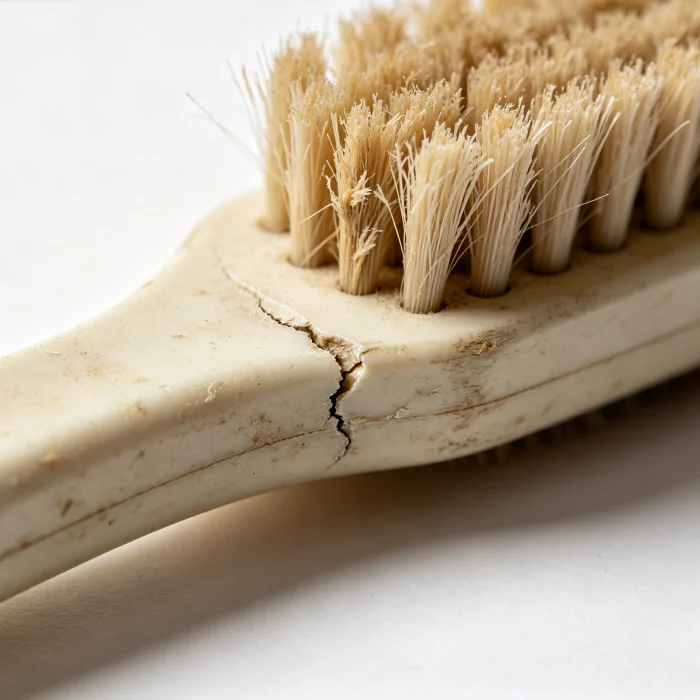
Most flex face brushes are made from a mix of plastics (ABS, polypropylene, nylon, silicone) and contain electronics like a motor, battery, and circuit board. The brush heads, which need replacing every 3-6 months, are often non-recyclable due to their mixed materials and small size. A 2020 study by the United Nations Environment Programme found that small plastic items under 5 cm are rarely sorted for recycling and typically end up in landfills or oceans.
Another issue: the handle itself. Many models use lithium-ion batteries that can’t be easily removed, making the entire unit e-waste once the battery dies. And because these devices are relatively inexpensive ($20-$150), people often toss the whole thing rather than repair it.
Are Flex Face Brushes Better Than Disposable Cleansing Wipes?
Short answer: yes, if you actually keep using the brush for a couple of years. A single disposable face wipe creates about 0.01 pounds of waste per use, so using one daily adds up to 3.65 pounds of waste per year — roughly the same as the annual plastic waste from a flex brush. But here’s the kicker: wipes are almost always landfilled or flushed (causing fatbergs), while a brush at least gives you a reusable handle.
So, a flex face brush can be a better choice than wipes if you commit to long-term use. But it’s still not great compared to, say, a simple washcloth or your bare hands.
What About Silicone vs. Nylon Bristles?
Silicone bristles are often marketed as more eco-friendly because they’re durable and don’t need replacing as often. But silicone itself is a synthetic rubber made from silica (sand) and petroleum-derived chemicals. It’s not biodegradable, though it can be recycled at specialized facilities — which are rare. Nylon bristles, on the other hand, are a type of plastic that sheds microplastics into your sink every time you use them.
I’ve personally used both types. The silicone brush lasted me about 18 months before the bristles started tearing, while the nylon brush needed head replacements every 3 months. Over 2 years, the silicone version produced maybe a quarter of the plastic waste. But neither is truly green.
Can You Recycle a Flex Face Brush?
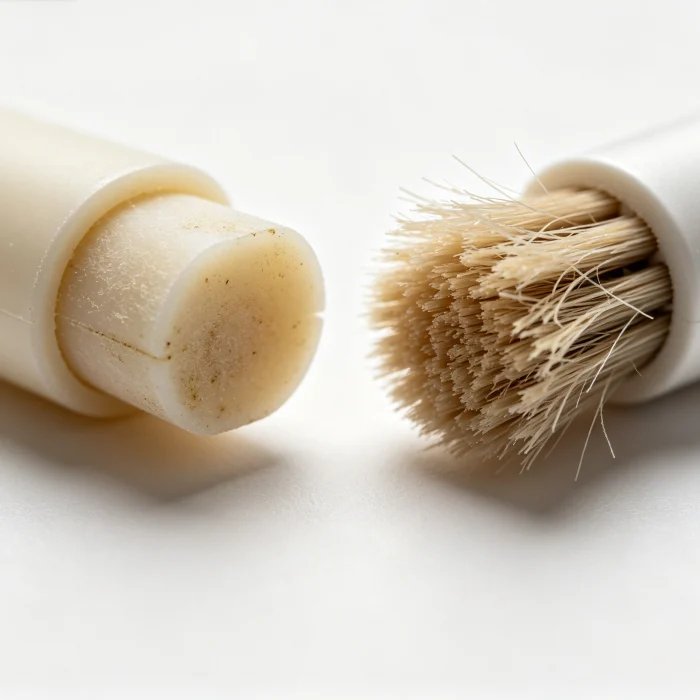
Most municipal recycling programs won’t accept them. The handles contain electronics and batteries, which are hazardous if not properly processed. Brush heads are too small and mixed-material to be sorted. Some brands offer take-back programs — for example, Foreo has a recycling initiative for its silicone brushes in certain regions. But for most generic brands, you’re on your own.
My advice: check with your local e-waste recycler. They can often handle the handle (heh), but the brush heads may still end up in the trash. Another option: some companies like TerraCycle offer zero-waste boxes for personal care products, but they cost money.
What Are Some Eco-Friendly Alternatives?
If you’re concerned about environmental impact but still want effective cleansing, here are a few options:
- Manual silicone scrubber: A simple, non-electric silicone pad that you can use with your hands. Zero waste if you keep it for years.
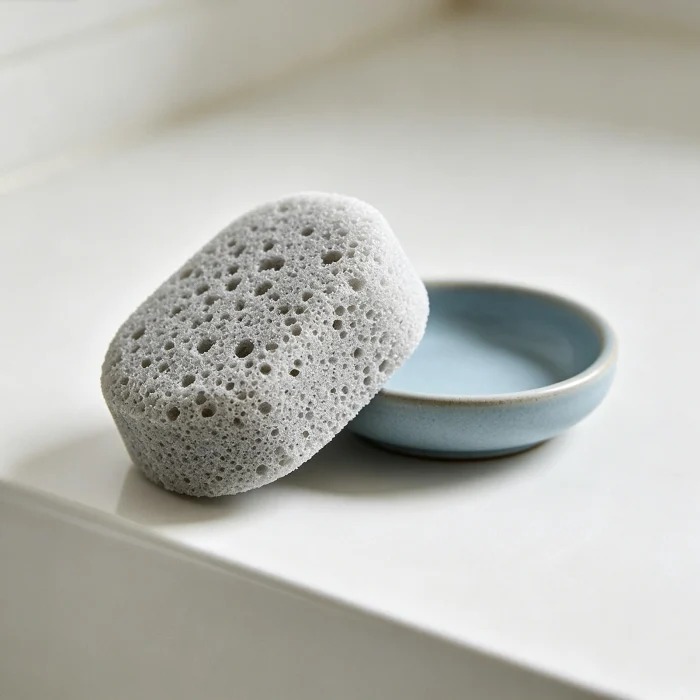
- Washcloth or konjac sponge: Konjac sponges are biodegradable (made from plant root), though they need replacing every month. Washcloths are reusable and can be composted if made from natural fibers.
- Reusable cotton rounds: Great for applying toner or removing makeup, and you can toss them in the laundry.
- Facial cleansing tool with replaceable, recyclable heads: Some newer models use bamboo or biodegradable heads, like the “Bambu” brush from EcoTools.
For deeper cleansing, you can still use a device — just choose one with a longer lifespan and replaceable parts. Check out our guide on what features to look for in a face cleaning brush if you’re shopping with eco-friendliness in mind.
How to Make Your Current Flex Face Brush Greener
If you already own a flex face brush, don’t throw it away — that would defeat the purpose. Instead, extend its life as much as possible:
- Use brush heads longer than recommended. If you’re gentle with them, they can last 6-9 months without harboring too much bacteria (just sanitize with boiling water once a month).
- Buy brush heads in bulk to reduce packaging waste.
- When the handle dies, see if you can replace the battery yourself. Some models have a removable battery compartment.
- Repurpose the handle: I’ve seen people turn old brush handles into mini massagers or even art projects.
You can also learn more about proper maintenance in our article on how to clean your face brush — a clean brush lasts longer.
Do Flex Brushes Actually Clean Better Than Manual Methods?
This is the million-dollar question. Some small studies suggest that sonic brushes remove more makeup and sebum than hands alone. But the difference is often marginal — and for many people, a good manual technique with a washcloth achieves similar results. If you have sensitive skin, a brush might even be too harsh (see our post on face cleaning brush side effects).
So, from an environmental standpoint, unless you absolutely need the device for a specific skin condition (like severe oiliness or makeup removal from heavy products), you can probably skip it and save the planet a few pounds of plastic.
What About the Carbon Footprint of Manufacturing?
Manufacturing a flex face brush involves mining raw materials, molding plastic, assembling electronics, and shipping from factories (mostly in China). A lifecycle analysis for a similar small electronic device (e.g., an electric toothbrush) estimates about 5-10 kg CO2 equivalent over its lifetime. That’s roughly the same as driving 20-40 miles in a car. Not huge per person, but multiplied by millions of users, it adds up.
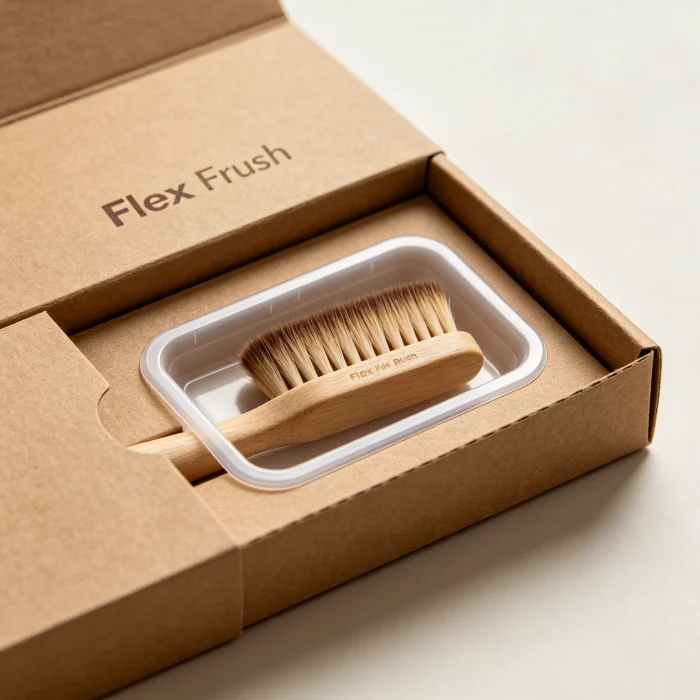
One thing that surprised me: the packaging often accounts for a significant chunk of the waste. Many brushes come in large plastic clamshells that aren’t recyclable. Look for brands that use cardboard or minimal packaging.
Is There a Truly Eco-Friendly Flex Face Brush?
Honestly, not yet. But some brands are getting closer. For example, the “Bamboo Sonic Brush” from EcoTools uses a bamboo handle and plant-based bristles. The handle is manual (no battery), so no e-waste. The bristles can be composted in an industrial facility. Another option is the “Leaf Shave” face brush, which uses sisal bristles and a metal handle. These aren’t perfect — the natural bristles may wear out faster — but they’re a step in the right direction.
Check out our list of 10 best face cleaning brushes in 2026 for more eco-conscious picks.
Frequently Asked Questions
Are flex face brushes recyclable?
Generally no. The handles contain electronics and batteries, and the brush heads are too small and mixed-material for most recycling programs. Check with your local e-waste facility for the handle, and consider sending brush heads to TerraCycle if you have a subscription.
How much plastic waste does a flex face brush produce per year?
Approximately 2-3 pounds of plastic waste from brush heads alone (assuming quarterly replacements), plus the handle when it eventually breaks. This is roughly equivalent to the waste from daily disposable face wipes.
Do silicone flex brushes have a lower environmental impact than nylon ones?
Yes, silicone brushes typically last longer (12-18 months before needing replacement) and don’t shed microplastics during use. However, silicone is not biodegradable and is harder to recycle than nylon. Overall, they’re better but not ideal.
Can I replace the battery in my flex face brush?
It depends on the model. Some have a compartment for a standard AA or AAA battery, which you can replace. Others have sealed lithium-ion batteries that are not user-replaceable. Check the product manual or look for small screws on the handle.
What’s the most eco-friendly way to clean my face?
Using your hands with a gentle cleanser is the lowest-impact option. For deeper cleansing, a reusable washcloth or a konjac sponge (biodegradable) works well. If you prefer a brush, choose a manual one with natural bristles and a bamboo handle.
Are there any flex face brush brands that prioritize sustainability?
EcoTools offers a bamboo manual brush with plant-based bristles. Foreo has a recycling program for its silicone products in some regions. Some newer brands use recycled plastics for handles, but fully sustainable options are still rare.
“When patients ask me about eco-friendly cleansing, I remind them that the most sustainable device is the one they already own and use for years. If you’re buying new, look for manual tools made from natural materials like bamboo or sisal. Electric brushes offer marginal benefits over manual cleansing for most skin types, and their environmental cost isn’t worth it unless you have a specific skin condition that truly benefits from the extra exfoliation.”
All Comments 9
Please log in to post a comment.
Honestly, I never thought about the plastic waste from the brush heads 😅 I've been using one for a year and just toss the old heads without a second thought. Kinda makes me reconsider. Are there any brands that offer recycling programs for the heads?
I get the concern, but 2-3 pounds per year doesn't seem that bad compared to all the single-use plastics we generate daily. If the brush lasts 5+ years before the handle dies, that's not too terrible. And my skin has never been better since I started using one. Just my two cents.
Interesting breakdown! I've been eyeing those silicone brushes but wondering if they're really any better. Does the silicone last longer than nylon? And what about the battery in the handle — how do you even recycle that properly?
Honestly, I never thought about the handle e-waste — just the brush heads. I've been using a manual konjac sponge for a while now, and it's biodegradable. Not exactly the same as a powered brush, but my skin actually prefers it 🤷♂️
I get the concern, but my flex face brush has lasted 4 years and counting. The heads are recyclable through a program I found online. So maybe it's not black-and-white? It really depends on the brand and user habits, I think.
I switched to a manual silicone scrubber a while back and honestly my skin is just as happy. No batteries, no plastic heads, and it cost like $8. Plus I can throw it in the dishwasher. Not saying everyone should ditch their electric brushes, but the eco-friendly alternatives are out there.