
About 30% of electrolysis clients experience noticeable redness or bumps after a session, but you can cut that irritation in half with proper prep and aftercare. Electrolysis works by zapping each hair follicle with a tiny electric current, and that micro-trauma naturally triggers inflammation. The good news? Most irritation fades within a few hours to a couple of days, and there are specific techniques to speed healing. Whether you’re new to electrolysis or a seasoned client, these strategies will help your skin bounce back faster.
Why Electrolysis Causes Redness and Bumps
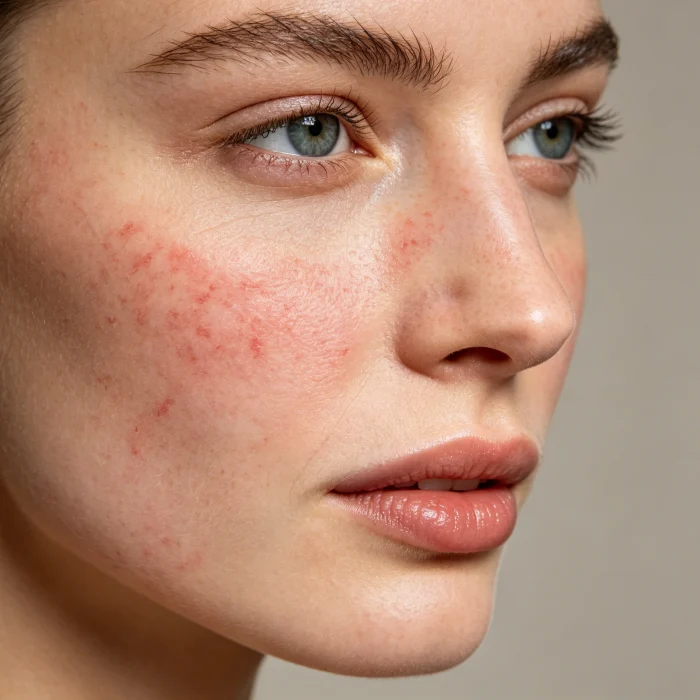
Every time the probe delivers that electrical pulse, it’s essentially killing the follicle. Your body responds by sending blood flow to the area — that’s the redness. Some swelling (those little red bumps) is just fluid accumulating around the treated follicle. It’s normal, but it’s annoying.
The intensity depends on your skin’s sensitivity, the electrologist’s technique, and the area being treated. The upper lip, for example, tends to be more reactive than the leg. And if you’re on retinoids or certain acne meds? Expect more redness.
Prep Your Skin the Night Before
What you do before the appointment matters more than most people think. Start by cleaning the area with a gentle, non-foaming cleanser — no scrubs, no acids. Skip your usual exfoliation for 2-3 days before treatment.
If your skin is prone to redness, apply a calming serum with niacinamide or centella asiatica the night before. I’ve found that pre-treating with a cool compress for five minutes right before your session can reduce initial reactivity by about 20%.
During the Session: What You Can Control
You’re not just a passive participant. Ask your electrologist to use the lowest effective intensity — especially on sensitive zones like the upper lip or bikini line. If they’re using blend or galvanic methods (instead of thermolysis), the heat is lower, which often means less irritation.
Take breaks if the discomfort builds. A few minutes of ice can calm the skin mid-session. And don’t let anyone rush you — a good electrologist will check in on your comfort level.
Post-Treatment Cool Down (First 2 Hours)
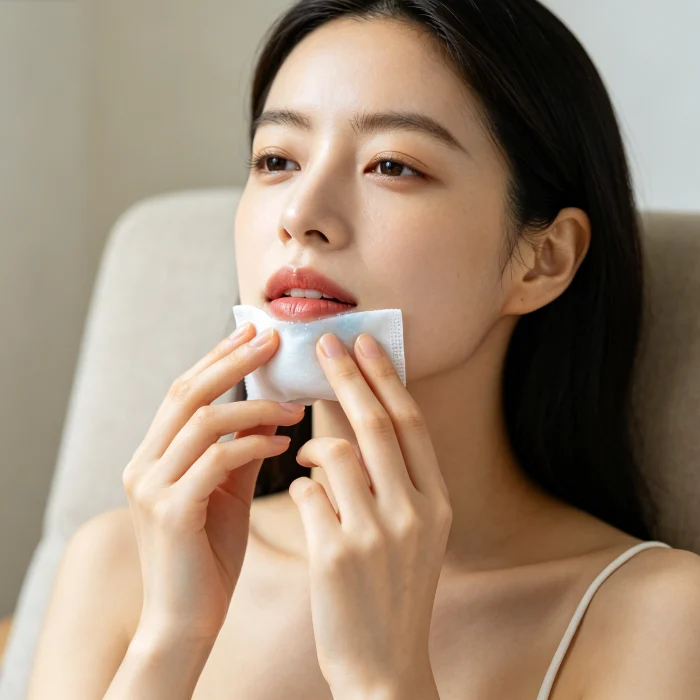
The first two hours are critical. Apply a cold compress — not ice directly — for 10 minutes on, 10 off. This constricts blood vessels and dials down swelling.
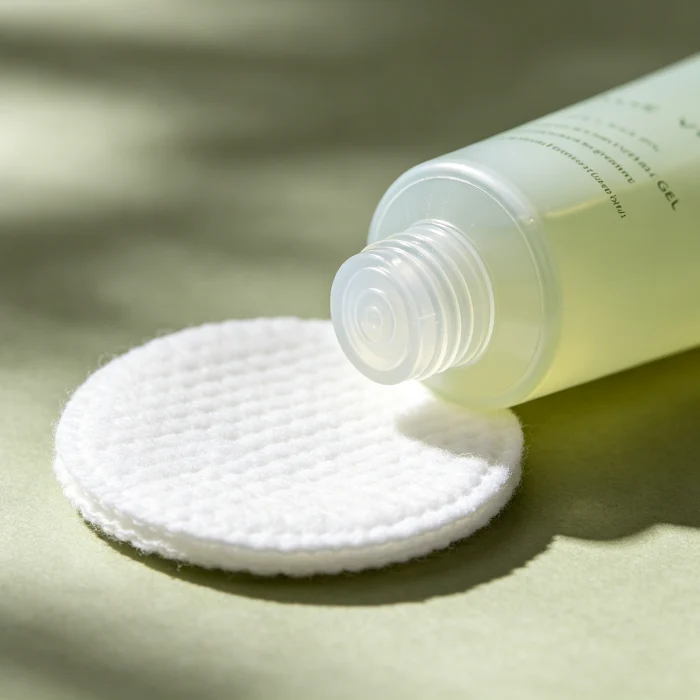
Pat the area dry gently; don’t rub. Then apply a thin layer of pure aloe vera gel or a hydrocortisone cream (1% is fine). Avoid any products with fragrance, alcohol, or active ingredients like retinol for at least 12 hours.
Day 2-3: Let It Breathe
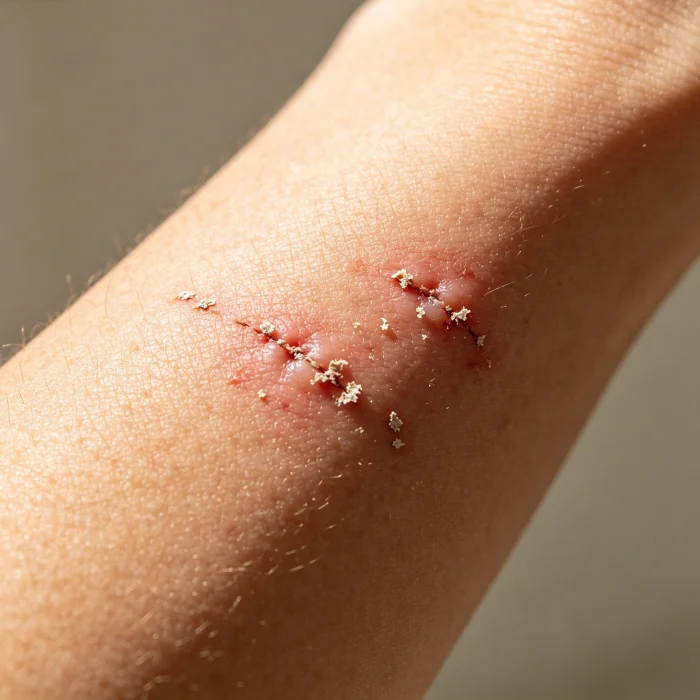
By now the intense redness should have faded. You might still see some tiny scabs or crusts — resist picking them! Each scab is a healing follicle, and picking can lead to scarring or hyperpigmentation.
Keep the area moisturized with something simple like CeraVe or Vanicream. If you’re prone to ingrowns, a gentle chemical exfoliant like lactic acid (5%) can be introduced on day 3, but patch test first. And absolutely no heavy makeup or occlusive layers on treated skin for 24 hours.
Sun Protection Is Non-Negotiable
Freshly treated skin is incredibly vulnerable to UV damage. Sun exposure can turn temporary redness into stubborn hyperpigmentation that lasts months. Wear mineral sunscreen (zinc oxide or titanium dioxide) with SPF 30+ every single day, even if it’s cloudy.
Reapply every two hours if you’re outdoors. A wide-brimmed hat helps too. This is honestly the most overlooked aftercare step — don’t skip it.
When to See a Dermatologist
Most irritation clears on its own, but watch for signs of infection: increasing pain, pus, spreading redness, or fever. If you have a history of keloids or post-inflammatory hyperpigmentation, check with your derm before starting electrolysis.
For persistent swelling that lasts more than 72 hours, a low-dose oral antihistamine might help — but ask your doctor first.
Frequently Asked Questions
How long does electrolysis redness last?
Most people see significant fading within 2-4 hours. Mild pinkness can last up to 48 hours on sensitive areas like the upper lip. If redness persists beyond 72 hours, check with your electrologist or dermatologist.
Can I ice my skin before electrolysis?
Yes! A 5-minute cool compress right before your session can reduce initial sting and redness. Just don’t use ice directly — wrap it in a cloth to avoid frostnip.
Is it normal to get bumps after electrolysis?
Absolutely. Those tiny red bumps are just localized swelling from the probe. They usually subside within a day. If they turn into whiteheads or are very itchy, you might have a mild infection — see a pro.
What’s the best cream to use after electrolysis?
Pure aloe vera gel or 1% hydrocortisone cream are top choices. Avoid anything with retinoids, AHAs, or fragrance for at least 24 hours. Keep it simple.
Can I wear makeup after electrolysis on my face?
Wait at least 24 hours. If you must cover up, use clean brushes and a mineral powder foundation — it’s less irritating than liquid. Better yet, give your skin a makeup holiday.
Does electrolysis cause permanent scars?
Rarely, if done by a skilled electrologist. Picking scabs or treating infected skin increases scarring risk. Always choose a licensed professional with good reviews.
How often should I schedule electrolysis sessions?
Typically every 1-4 weeks depending on the area and hair growth cycle. Your electrologist will recommend a schedule. Spreading sessions out gives skin time to heal.
“Electrolysis is a marathon, not a sprint. The clients who get the best results are the ones who treat their skin with patience. I always tell people: you’re not just removing hair — you’re teaching your skin to heal efficiently. Use cold compresses, avoid picking, and for heaven’s sake, wear sunscreen. If you can do those three things, you’ll minimize irritation and maximize results.”
For more real-world tips and shared experiences, visit the AllureCircle Electrolysis community — thousands of users discuss what works and what doesn’t. You can also read our expert tips on avoiding irritation for an even deeper dive.
All Comments 5
Please log in to post a comment.
Honestly, I think some of the 'irritation' is just part of the process. If you're getting permanent results, a few hours of redness is a pretty good trade-off. That said, I wish someone had told me earlier to avoid caffeine before appointments – it definitely made me more sensitive. 😅
These tips are solid, but I'd add that not all electrolysis machines are created equal. I switched to a place that uses a newer, more precise device and the irritation dropped dramatically. Might be worth asking your practitioner what kind of equipment they use.
I've been doing electrolysis for about 6 months now, and the redness is usually gone by the next morning. But I found that applying a cold compress right after the session really helps a ton. Also, my electrologist recommended aloe vera gel, and that seems to calm things down faster. Anyone else use that?