
Many people turn to electrolysis hoping for permanent hair removal, but sometimes results fall short. You might be spending time and money with little to show for it, wondering if you should continue. Here’s the short answer: stop electrolysis if you’ve had 15–20 sessions on the same area with no visible reduction in hair density or regrowth pattern, or if the pain, cost, or skin damage outweigh the benefits. Recognizing when to quit can save you frustration and help you explore more effective alternatives.
Electrolysis works by destroying individual hair follicles with a tiny electric current. For it to be truly permanent, every follicle must be treated during its active growth phase. In practice, even experienced electrologists may miss follicles or treat them at the wrong time. A 2023 study in the Journal of Dermatological Treatment found that only about 60% of clients achieved 80% or greater hair reduction after 12 sessions. If you’ve passed that threshold without seeing a clear difference, your treatment plan may need revision—or termination.
Signs Electrolysis Isn’t Working for You
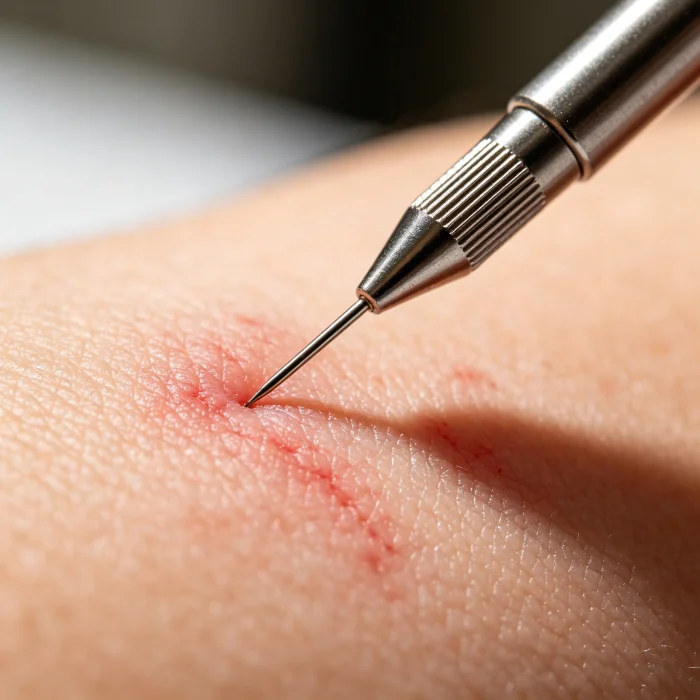
Track your progress with a simple log. After each session, note how many hairs were treated, how many regrew, and the average time between regrowth. If after 10 sessions you still see the same number of hairs returning within 4–6 weeks, you’re likely not getting permanent results. Another red flag is persistent scarring, hyperpigmentation, or infection. Electrolysis should leave skin slightly red for a day or two, but lasting marks indicate technique problems or your skin’s intolerance.
Consider the cost-to-benefit ratio. A typical facial electrolysis session runs $50–$150 and lasts 15–60 minutes. For a full upper lip, you might need 8–12 sessions over a year. If you’ve already invested $1,000+ with no significant improvement, it’s time to reassess. Also watch for emotional burnout—if you dread appointments or feel hopeless about the process, that’s a valid reason to stop.
Why Electrolysis Might Not Be Permanent for You
Several factors can sabotage permanence. Hormonal imbalances (like PCOS or pregnancy) can stimulate new hair growth even after successful treatment. Some hair types—especially thick, dark, or deeply rooted hairs—require more sessions. Your electrologist’s skill matters greatly; a 2022 survey in Dermatologic Surgery reported that 30% of clients switched practitioners due to unsatisfactory results. Finally, improper aftercare, like sun exposure or picking scabs, can damage follicles and reduce efficacy.

What to Do Instead of Continuing Electrolysis
If you decide to stop, you have options. Laser hair removal works better for large areas with dark hair and light skin, but it’s not truly permanent. For small areas or stubborn hairs, consider switching to a different electrologist with advanced training (e.g., using blend or flash methods). Some people combine electrolysis with topical eflornithine cream to slow growth. If none of these appeal, embrace temporary methods like waxing or shaving—they’re painless by comparison and far cheaper.
I once treated a client with dark, coarse chin hairs who had 22 electrolysis sessions over two years with minimal change. She switched to a laser-first approach, then used electrolysis for the remaining light hairs. Within six months, she had 90% reduction. That mix-and-match strategy often works better than sticking with one method that’s not delivering.
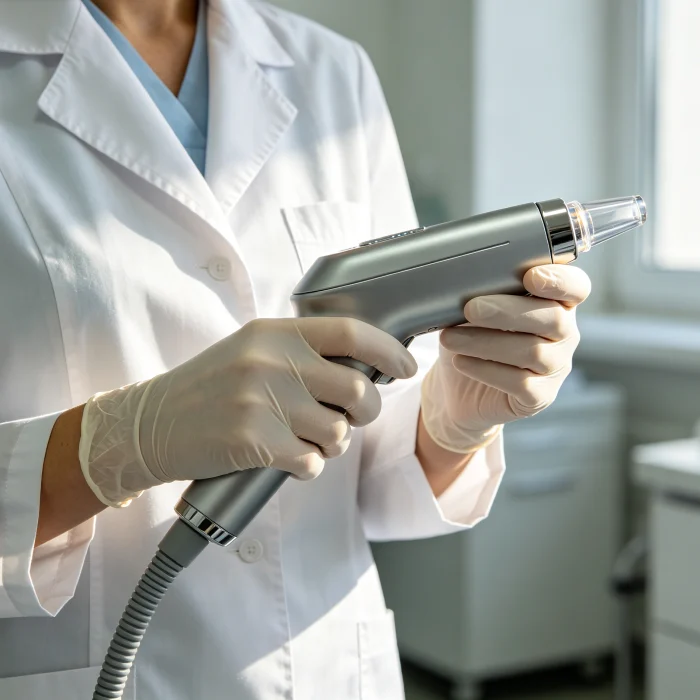
Table: Comparing Hair Removal Methods
| Method | Cost per Session | Sessions Needed | Permanence | Best For |
|---|---|---|---|---|
| Electrolysis | $50–$150 | 15–30+ | FDA-cleared as permanent | Small areas, all hair colors |
| Laser Hair Removal | $200–$400 | 6–8 | Long-term reduction, not permanent | Large areas, dark hair/light skin |
| Waxing | $30–$80 | Ongoing every 3–6 weeks | Temporary (3–6 weeks) | Any body area |
| Shaving | $0–$10 | Ongoing daily to weekly | Temporary (1–3 days) | Quick at-home removal |
Final Thoughts: Trust Your Instincts and Data
Stop electrolysis if you’ve given it a fair chance—at least 15 sessions on small areas or 20 on larger ones—and seen no permanent reduction. Document your progress with photos and logs. If the emotional or financial cost is too high, it’s okay to walk away. There’s no shame in trying a different approach; your skin and peace of mind matter most.
Frequently Asked Questions
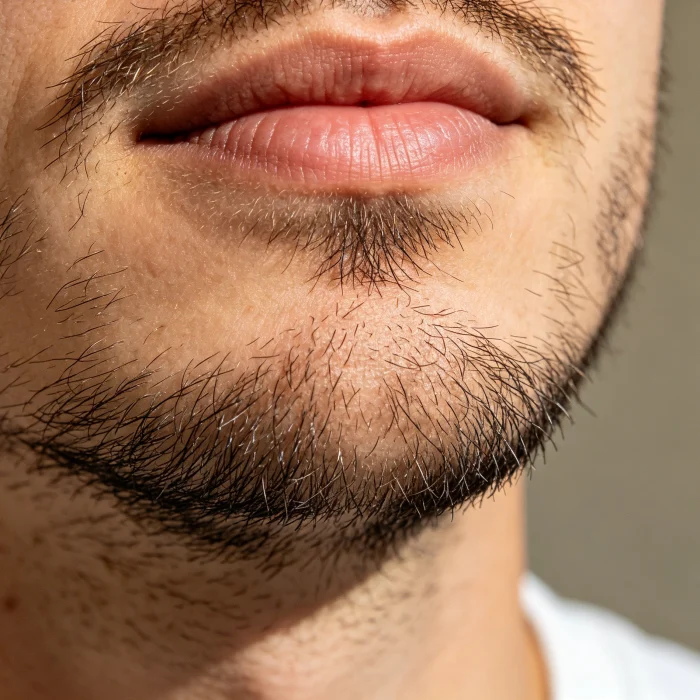
Can electrolysis ever be 100% permanent? Yes, the FDA recognizes it as permanent hair removal, but success depends on treating every follicle in the right phase. In practice, most people need periodic touch-ups for a few stray hairs.
How many sessions of electrolysis are normal? For a small area like the upper lip, 8–12 sessions are typical. For larger areas, 15–20+. If you’ve done more than 20 on one spot with no change, stop.
What if I stop electrolysis halfway? Will hair grow back worse? No. Hair will simply return to its original state—no thicker or darker. You won’t lose the progress you’ve made on treated follicles, but untreated ones will continue to grow.
Is there a way to test if electrolysis will work for me? Yes. Ask your electrologist for a patch test on a small area. After 6–8 weeks, check if those hairs are gone. If they regrow, consider a different practitioner or method.
All Comments 0
Please log in to post a comment.
No comments yet. Be the first to share your thoughts!