
Electrolysis is the only FDA-approved method for permanent hair removal, but its high per-session cost often feels out of reach. However, the real answer is that a wider range of people can afford electrolysis than you might think—by leveraging payment plans, insurance reimbursements, community resources, and strategic scheduling.
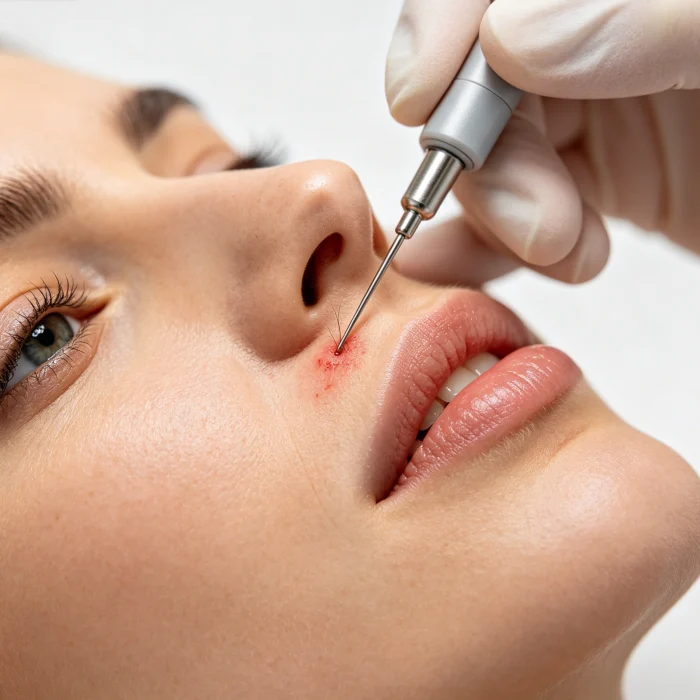
Understanding the True Cost of Electrolysis
A single 15-minute session for a small area like the upper lip may cost $30–$60, while full-face sessions can run $100–$200 per hour. Since most people need 15–30+ hours for facial hair, total costs can exceed $3,000. But these numbers don’t tell the whole story. Many electrologists offer package discounts, sliding scales, or membership programs that bring the per-hour cost down significantly.
| Area | Typical Cost per Hour | Estimated Total Hours | Total Cost Range |
|---|---|---|---|
| Upper lip | $40–$80 | 4–8 | $160–$640 |
| Chin | $40–$80 | 6–12 | $240–$960 |
| Full face | $60–$150 | 15–30 | $900–$4,500 |
| Underarms | $70–$120 | 8–12 | $560–$1,440 |
| Bikini line | $80–$150 | 10–20 | $800–$3,000 |
Who Actually Pays for Electrolysis? Real Profiles
Meet Sarah, a 28-year-old teacher in Austin, Texas. She earns $45,000 a year and pays for facial electrolysis by scheduling one 30-minute session every two weeks and using her health savings account (HSA) pre-tax dollars. By buying a 10-hour package at a 20% discount, she reduces her per-hour cost from $80 to $64. Over 18 months, she completes 20 hours for about $1,280—a manageable $71 per month.
Then there’s Marcus, a 35-year-old software developer in Seattle. His employer-provided health plan covers electrolysis for gender dysphoria as a medical necessity. After meeting his deductible, insurance reimburses 80% of each session, leaving him with a $20 co-pay per visit. He gets full clearance in 25 hours for just $500 out-of-pocket.
Finally, consider Lena, a freelance graphic designer in Portland. She found a community clinic that offers electrolysis on a sliding scale based on income—she pays $35 per hour instead of the standard $100. She also sets aside $50 from each freelance paycheck into a dedicated electrolysis fund, and after two years she’s almost done with her full face and neck.

Strategies to Afford Electrolysis Without Breaking the Bank
First, check your insurance. Many plans now cover electrolysis for medical conditions like polycystic ovary syndrome (PCOS) or gender dysphoria. Contact your provider and ask about coverage codes (e.g., CPT 17380). Even partial reimbursement can slash costs by 50–80%.

Second, look for teaching clinics. Electrology schools often offer sessions for $15–$30 per hour performed by supervised students. The treatment takes longer, but the savings are substantial. A quick search for “electrology school near me” can uncover these hidden gems.

Third, leverage flexible spending accounts (FSAs) or HSAs. These let you use pre-tax dollars, effectively giving you a 20–30% discount depending on your tax bracket. You can contribute up to $3,850 (2026 limit for HSAs) annually and use it for electrolysis.
Fourth, negotiate with practitioners. Many electrologists are independent and willing to work out a payment plan—say, $50 per session with no interest. Some offer discounts for booking multiple sessions upfront or during off-peak hours.
Fifth, consider crowdfunding. Platforms like GoFundMe have campaigns specifically for electrolysis, especially within the transgender community. Sharing your story can attract support from friends, family, and even strangers who believe in your journey.
Is Electrolysis Worth the Investment?
Compared to laser hair removal, which costs $200–$400 per session and requires touch-ups every year, electrolysis is permanent. A 2019 study in the Journal of the American Academy of Dermatology found that electrolysis achieves 95% hair reduction after an average of 18 sessions, with no regrowth. Over a lifetime, that saves thousands of dollars in razors, waxing, and creams. For many, the upfront cost is offset by the long-term savings and the freedom from daily hair removal.
When I started electrolysis in 2026, I was terrified of the cost. I’m a graduate student with a tight budget. But by combining a community clinic sliding scale ($40/hour), a $100 monthly FSA contribution, and a package discount, I’ve cleared my upper lip and chin in 12 hours for $480—paid over six months. It’s not cheap, but it’s achievable with planning.
Frequently Asked Questions
Q: Can I use my HSA for electrolysis?
A: Yes, electrolysis is an eligible HSA expense if prescribed by a doctor for a medical condition (e.g., hirsutism, PCOS, or gender dysphoria). Without a prescription, it’s typically not covered, but you can still use HSA funds if you have a note of medical necessity.
Q: How do I find affordable electrolysis near me?
A: Search for “electrology school”, “community clinic electrolysis”, or “LGBTQ+ health center electrolysis”. Also check local Facebook groups or Reddit communities like r/asktransgender for practitioner recommendations and reviews.
Q: Does insurance ever cover electrolysis?
A: Yes, many insurance plans cover electrolysis for gender-affirming care or hair removal due to PCOS. You’ll need a letter from your doctor and may have to meet your deductible first. Always call your insurance to verify coverage before starting.
Q: How many sessions do I really need?
A: It varies by area and hair growth cycle. For facial hair, expect 15–30 hours total, spaced 4–8 weeks apart. Each hair must be treated in its active growth phase, so multiple sessions are unavoidable.
Q: Are there any risks with cheap electrolysis?
A: Inexperienced practitioners can cause scarring or ineffective treatment. Always choose a licensed electrologist (certified by the AEA or state board). Teaching clinics are supervised, so they’re generally safe.
Q: Can I spread sessions out to make it more affordable?
A: Absolutely. Many people do one 15-minute session per week or a 30-minute session every two weeks. This stretches the cost over months while still making progress.
Electrolysis is a commitment of both time and money, but it’s accessible to more people than the price tag suggests. By exploring insurance, sliding scales, payment plans, and community resources, you can make permanent hair removal a reality without draining your savings.
All Comments 0
Please log in to post a comment.
No comments yet. Be the first to share your thoughts!