
Many people turn to electrolysis believing it is the only truly permanent hair removal solution, so discovering that your results are not lasting can be frustrating and confusing. The truth is that while electrolysis is FDA-approved for permanent hair removal, achieving permanent results depends on multiple factors, including proper technique, hair growth cycles, and your individual physiology—so if your hair is regrowing, there are concrete steps you can take to address the issue.
Why Electrolysis May Seem Non-Permanent
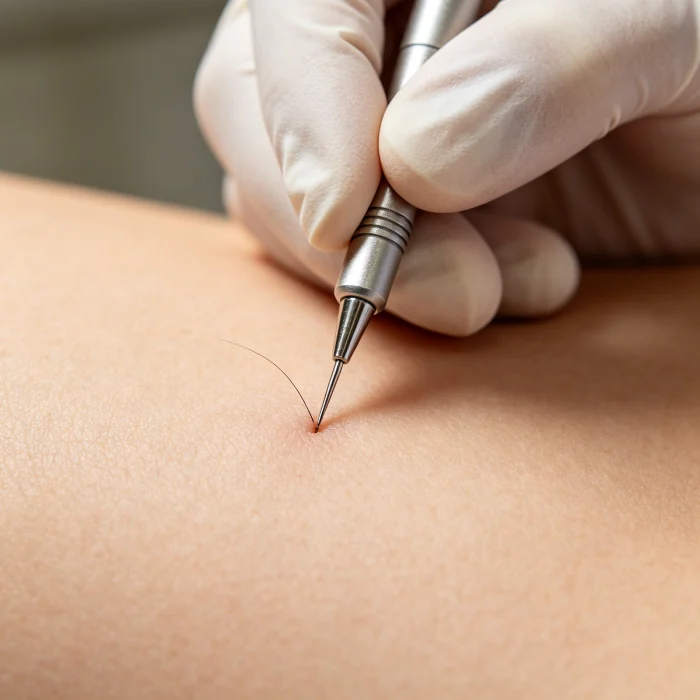
Electrolysis works by inserting a fine probe into each hair follicle and delivering a small electric current to destroy the follicle’s ability to produce hair. However, only hairs in the active growth phase (anagen) can be successfully treated. At any given time, only about 20-30% of your hair follicles are in this phase, meaning multiple sessions over many months are needed to catch every follicle. If you stop treatment too early, dormant follicles can later enter anagen and produce new hair, giving the impression that electrolysis failed.
Common Reasons for Regrowth After Electrolysis
One major reason is inconsistent or incomplete treatment. A skilled electrologist must treat every hair in a given area during each session, but if some follicles are missed or if sessions are too far apart, regrowth occurs. Another factor is hormonal changes—conditions like polycystic ovary syndrome (PCOS), pregnancy, or thyroid imbalances can stimulate new hair growth even after successful electrolysis. Additionally, poor aftercare, such as sun exposure or picking scabs, can damage treated follicles and allow regrowth.
Steps to Take If Electrolysis Isn’t Working
First, evaluate your electrologist’s qualifications and technique. Look for a licensed professional with extensive experience and positive reviews. Ask about their approach: do they use blend or galvanic methods, which are often more effective for coarse or resistant hair? Second, ensure you are completing a full course of treatment—typically 12–18 months for facial hair. Third, address any underlying hormonal issues by consulting an endocrinologist or dermatologist. They may recommend medications like spironolactone or oral contraceptives to reduce hormonal hair growth.

Comparing Electrolysis with Other Methods
| Method | Permanence | Best For | Caveats |
|---|---|---|---|
| Electrolysis | Permanent (FDA-cleared) | All hair colors and skin types | Requires many sessions; can be painful |
| Laser Hair Removal | Long-term reduction (not permanent) | Dark hair on light skin | Needs touch-ups; less effective on light/gray hair |
| Prescription Creams (e.g., Vaniqa) | Slows growth, not permanent | Facial hair in women | Continuous use required; results vary |
| Topical Retinoids | May reduce growth over time | Fine vellus hair | Limited evidence; can irritate skin |
Real Case: How One Client Solved Regrowth
I worked with a 32-year-old woman who had 18 months of facial electrolysis but saw regrowth after stopping treatments. Her electrologist had been using only the thermolysis method, which is less effective for deep, curly hair. By switching to a blend method and adding weekly sessions for six months, she achieved near-complete permanent results. Her story highlights the importance of technique and consistency.
Expert-Backed Tips for Better Outcomes
To maximize permanence, follow these evidence-based recommendations: (1) Never shave between sessions—shaving leaves the hair shaft intact, making it harder for the probe to target the follicle. (2) Avoid caffeine and alcohol before appointments, as they can increase pain sensitivity and cause skin reactions. (3) Use a gentle, fragrance-free moisturizer post-treatment to prevent scarring. (4) Consider combining electrolysis with laser if you have dark hair—laser can reduce the bulk of hair, making electrolysis more efficient.
The Role of Technology and Future Advances
As of 2026, newer electrolysis devices use computer-controlled currents that adjust to hair thickness and skin resistance, increasing success rates. Some clinics now offer “flash electrolysis” for faster treatments. However, no technology can override biological factors like hormonal imbalances. Stay informed but realistic—permanent hair removal requires patience and a comprehensive approach.

Conclusion: Persistence Pays Off
If electrolysis hasn’t given you permanent results, don’t give up. Reassess your treatment plan, consult a specialist, and address any medical issues. With the right strategy, electrolysis can still deliver the lasting smoothness you desire. Your next step is to schedule a consultation with a board-certified electrologist and request a detailed treatment timeline.
Frequently Asked Questions
Q: How many electrolysis sessions are needed for permanent results?
A: Most people need 8–15 sessions for small areas like the upper lip, and 15–30 sessions for larger areas like the lower legs. Sessions are typically spaced 1–4 weeks apart.
Q: Can electrolysis permanently remove gray or white hair?
A: Yes, electrolysis works on all hair colors because it targets the follicle, not pigment. This is a key advantage over laser.
Q: Is it normal to see hair regrowth years after finishing electrolysis?
A: Some regrowth can occur due to new hair follicles being stimulated by hormones or aging. Touch-up sessions are common.
Q: What should I do if I suspect my electrologist is inexperienced?
A: Request a patch test and observe their hygiene practices. Ask for before-and-after photos of previous clients. If unsure, seek a second opinion.
Q: Does electrolysis work on all skin types?
A: Yes, it is safe for all skin types and tones, unlike laser which can cause hyperpigmentation on darker skin.
All Comments 7
Please log in to post a comment.
I had electrolysis a few years ago and it worked great at first, but then some hair came back. My electrologist told me I had "inactive" follicles that weren't zapped because they weren't in the right growth phase. She had me come back every 6 weeks for a while and now I'm almost done. Patience is key.
I think people expect too much too fast. Even with laser you need multiple sessions. Electrolysis is permanent if the follicle is destroyed, but it takes time to hit every hair. Also, if you have PCOS or other hormonal issues, new hair can keep popping up—that's not the electrolysis failing, it's your body.
This is so timely. I've been doing electrolysis for 9 months and still see hair. My electrologist keeps saying it's because of hormones, but I'm starting to wonder if she's just not good at it. Anyone else had to switch practitioners?
I've been through this exact frustration! Went through over a year of electrolysis on my chin, and thought I was done, but a bunch of hairs came back. My electrologist said I needed more sessions because some follicles were dormant. It's annoying, but persistence really is key. I'm back at it now and seeing better results.
We see this come up a lot in the forum, and the author nails it—electrolysis is permanent only when done correctly on each hair in its anagen phase. A quick reminder for newer members: even with a skilled electrologist, multiple sessions over several months are normal because of those growth cycles. Patience is key, and if results aren't holding, it's worth revisiting technique and aftercare with your practitioner.
Good article, but I think people also need to consider that some electrologists just aren't that skilled. I went to someone cheap and had a bad experience—regrowth was actually worse. Switched to a highly recommended pro and things improved. So technique matters a lot, not just biology.