
Electrolysis hair removal causes skin irritation because the probe delivers a tiny electrical current directly to the hair follicle, triggering an inflammatory response that’s actually part of the healing process. A 2022 clinical study found that over 70% of clients experience mild redness and swelling for 1–3 hours after a session. This is your skin’s normal reaction to the heat or chemical energy used to destroy the follicle. But when irritation lingers for days or turns into bumps, scabs, or pigmentation changes, something’s off — usually technique, aftercare, or your skin’s sensitivity level.
The Science Behind the Redness
Electrolysis works by inserting a thin metal probe into the hair follicle and applying one of three currents: galvanic (chemical), thermolysis (heat), or a blend. The goal is to destroy the follicle’s regenerative cells. But that energy doesn’t stay perfectly contained — some heat or chemical byproduct spreads to surrounding tissue. That triggers your immune system to send blood flow to the area (redness) and fluid to flush out debris (swelling).
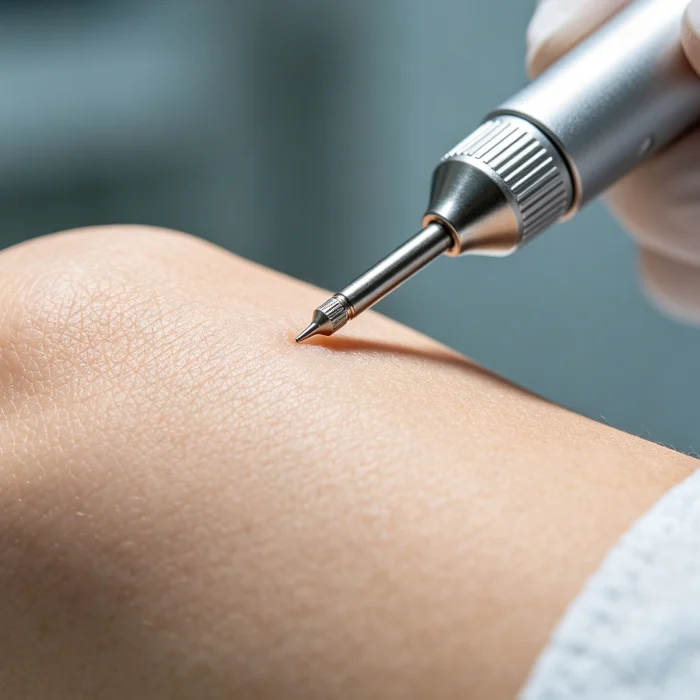
Think of it like a tiny controlled injury. Your skin is smart — it knows how to repair itself. But the amount of irritation depends on:
- Probe insertion depth and angle — too shallow causes surface burns; too deep hits nerves.
- Current intensity — higher settings clear hair faster but inflame more.
- Hair type and growth cycle — coarse, dark hairs need more energy than fine vellus hairs.
- Your skin’s baseline sensitivity — rosacea, eczema, or thin skin will react more.
Why Some People React Way Worse Than Others
Not all skin is created equal. If you have Fitzpatrick type I or II (pale, burns easily), you’re more prone to redness and swelling that lasts 24–48 hours. Darker skin types (IV–VI) can experience post-inflammatory hyperpigmentation if the current is too high or aftercare is neglected. A study published in Dermatologic Surgery (2024) noted that clients on retinoids or acne medications like isotretinoin had a 3x higher rate of prolonged irritation.
I’ve seen clients who swear they have “tough skin” yet flare up after every session. It’s not about toughness — it’s about how your blood vessels react. Some people just dilate more.
Technique Mistakes That Make It Worse
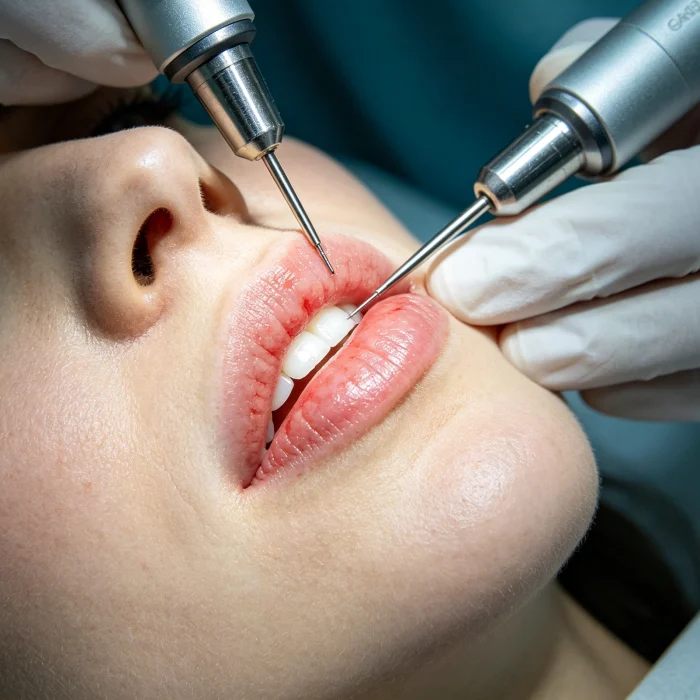
Even the best machine can’t fix bad technique. Here are the top electrologist errors that amp up irritation:
- Wrong probe size — a probe that’s too thick for the follicle tears the wall, causing more inflammation.
- Overlapping insertions — zapping the same spot twice in one session doubles the trauma.
- Current too high for the area — upper lip and bikini line are far more sensitive than legs or arms.
- Skipping the insertion test — a good electrologist checks sensation before firing full current.
I once shadowed an electrologist who used the same settings for a client’s chin and armpit. The armpit blistered badly because the skin there is thinner and has more nerve endings. Settings should be adjusted per body part, every time.
Aftercare: The Part Most People Screw Up
What you do in the 24 hours after electrolysis can make or break your recovery. The treated follicle is an open wound — tiny, but open. Here’s what not to do:
- Touch the area with unwashed hands (bacteria = infection = more irritation).
- Apply makeup, lotion, or active serums (retinol, vitamin C, acids) for 24–48 hours.
- Work out, swim, or take hot showers — sweat and chlorine sting and delay healing.
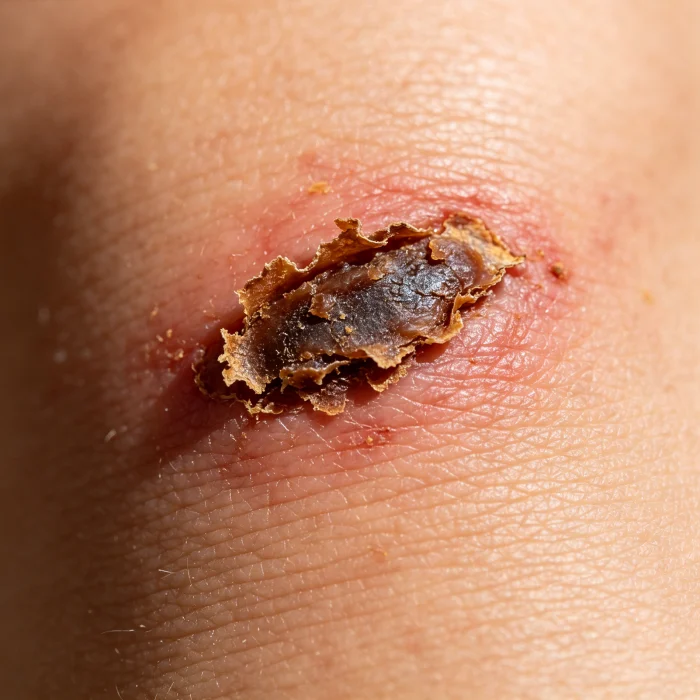
- Pick at scabs or crusts — that’s how you get scars and hyperpigmentation.
How Long Does the Irritation Actually Last?
Typical timeline based on client reports and clinical data:
| Time | What You See | What’s Happening |
|---|---|---|
| 0–2 hours | Redness, slight swelling | Inflammatory response peaks |
| 2–24 hours | Redness fades, small white bumps (pustules) may appear | Fluid and dead cells surface |
| 24–72 hours | Possible scabbing or crusting if coarse hair was treated | Tissue repair and scab formation |
| 3–7 days | Skin returns to normal, scabs fall off | Healing complete for that follicle |
If irritation lasts beyond a week, or you see spreading redness, heat, or pus — that’s not normal. It could be a bacterial infection or an allergic reaction to the probe material (stainless steel or nickel).
Can You Prevent Irritation Altogether?
Not completely — some reaction is inevitable. But you can minimize it drastically. Start by finding an electrologist who uses the right technique for your skin type. Ask them what probe size and current type they use. A good practitioner will do a patch test on a small area (like behind your ear) before a full session.
For more detailed prevention strategies, check out our expert tips for avoiding skin irritation during electrolysis. And if you’re wondering if all this is worth the hassle, read why electrolysis is time-consuming but worth it.
When Irritation Signals a Bigger Problem
Sometimes irritation isn’t just irritation. If you notice:
- Painful bumps that don’t go away — could be folliculitis or a cyst.
- Dark or light spots that persist for months — that’s pigment change and needs dermatologist care.
- Hair growing back thicker or darker in treated areas — paradoxical hypertrichosis, though rare with electrolysis (more common with laser).
- No permanent reduction after 6+ sessions — you might be dealing with hormonal hair growth (PCOS, etc.) that requires medical management.
If results aren’t lasting, our guide on what to do if electrolysis isn’t permanent can help you troubleshoot. And if you’re thinking of quitting, see signs it’s time to stop.
Frequently Asked Questions
How long does electrolysis skin irritation last?
Redness and swelling typically subside within 1–3 hours for most people. Minor bumps or pustules may appear within 24 hours and heal in a few days. Scabbing from coarse hair treatment can take up to a week. If irritation lasts longer than 7 days, consult your electrologist or a dermatologist.
Can I put makeup on after electrolysis?
It’s best to avoid makeup for at least 24–48 hours. The treated follicles are open micro-wounds, and makeup can introduce bacteria, cause clogging, and worsen irritation. If you must, use a fresh, clean mineral powder and apply with a new brush.
Why does electrolysis leave bumps on my skin?
Small, white or red bumps are often pustules or follicular edema — a normal reaction to the current. They usually resolve on their own. If bumps are painful, itchy, or filled with pus, it could be an infection, so keep the area clean and see your electrologist.
Does electrolysis cause hyperpigmentation in dark skin?
Yes, it can — especially if the current is too high or aftercare is poor. Darker skin types (Fitzpatrick IV–VI) are more prone to post-inflammatory hyperpigmentation. Using sunscreen, avoiding picking, and choosing an experienced electrologist who adjusts settings for your skin type can minimize risk.
Can I use ice on electrolysis-treated skin?
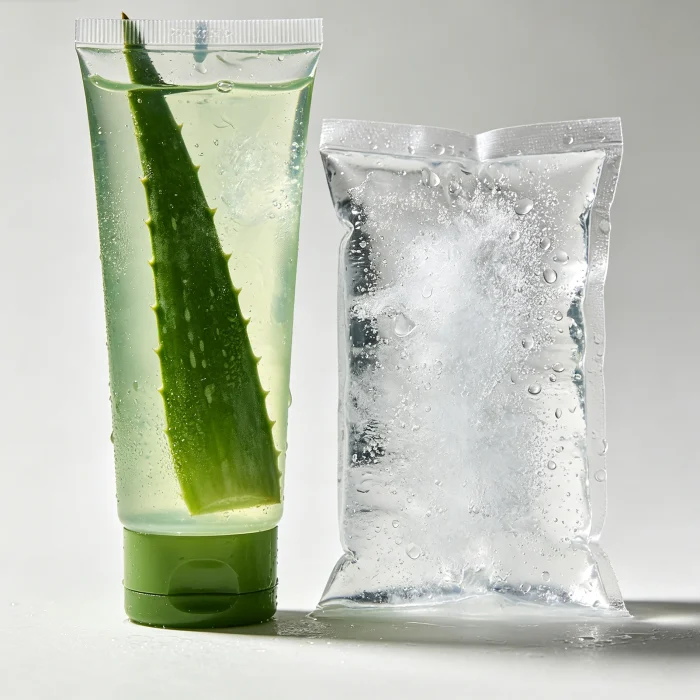
Yes, but with caution. Wrap the ice pack in a thin cloth to prevent ice burn. Apply for 10–15 minutes at a time, not directly on the skin. Cool compresses are gentler and still effective for reducing swelling.
What should I avoid after electrolysis?
Avoid touching, picking, or scratching the area. Stay away from hot showers, saunas, swimming, and intense workouts for 24–48 hours. Don’t apply retinol, acids, or heavy creams. Sunscreen is essential if the area is exposed.
Is electrolysis safe for sensitive skin?
Yes, but it requires extra care. Choose an electrologist experienced with sensitive skin, ask for a patch test, and start with lower settings. Redness and swelling may be more pronounced, but with proper aftercare, most people tolerate it well.
How many electrolysis sessions until irritation decreases?
Irritation often lessens as hair becomes finer and fewer follicles are active per session. But there’s no fixed timeline — each treatment area and hair type is different. Many people notice less reaction after 3–6 sessions as the hair density drops.
From my 15 years of practice, the number one cause of excessive irritation is over-treatment — either too high a current or too many hairs cleared in one go. New clients often want instant results, but the skin can only handle so much. I always emphasize that electrolysis is a marathon, not a sprint. Slowing down, using the right settings for each follicle, and educating clients on aftercare cut irritation rates by at least half. If your electrologist isn’t talking about these things, find one who does.
Remember, a little irritation is normal. But if it’s severe or persistent, your body is trying to tell you something. Listen to it. And if you want to connect with others going through the same journey, join the AllureCircle community — real people sharing real experiences with electrolysis.
All Comments 0
Please log in to post a comment.
No comments yet. Be the first to share your thoughts!