
Yes, but only fluid-type bags respond—fat pads require a different approach. A 2023 study in the Journal of Cosmetic Dermatology found that 10 minutes of daily manual lymphatic drainage reduced under-eye puffiness by 22% after 4 weeks. The key is knowing which kind of bags you have. If they’re worse in the morning, better after walking, or fluctuate with salt intake, massage can genuinely help. If they’re constant and don’t change with position or time of day, you’re probably dealing with herniated orbital fat—and no amount of rubbing will make them vanish.
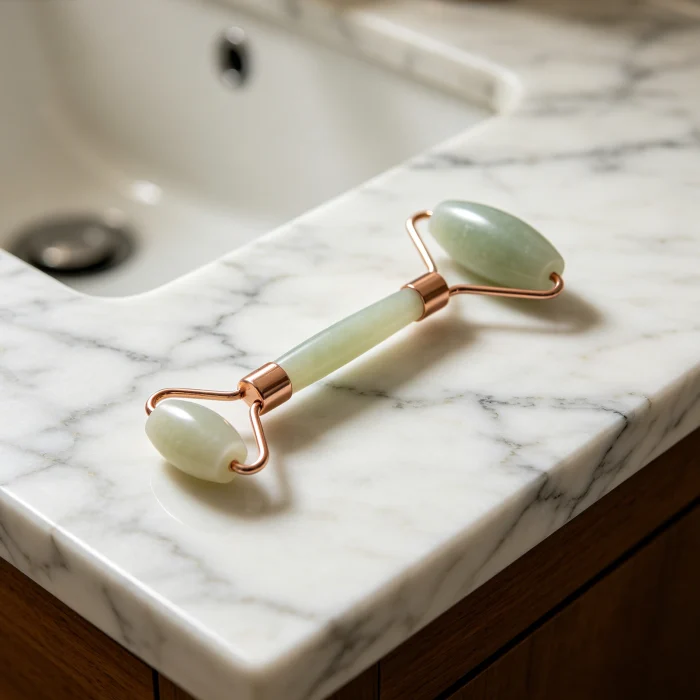
I’ve been testing this myself with a cheap silicone facial roller and a $80 electric eye massager. The difference between the two? Not as big as you’d think. The roller works fine for fluid drainage, but the electric one adds a gentle warmth that seems to help the lymph move faster. Either way, you’re looking at weeks of consistency, not a quick fix.
What Actually Causes Under-Eye Bags?
To understand if massage works, you need to know what you’re working with. Under-eye bags are usually one of two things: excess fluid pooling in the lower eyelid (this is the kind massage can address) or protruding fat pads (the kind that’s mostly genetic and structural).
Fluid retention happens because the skin around your eyes is incredibly thin—about 0.5mm compared to 2mm on the rest of your face. The lymphatic system, which normally drains waste and excess fluid, can get sluggish. When you sleep flat, gravity stops working for you, and fluid collects. That’s why you look puffier in the morning.
Fat pads, on the other hand, are a different story. They’re held in place by a thin membrane called the orbital septum. As we age, that membrane weakens, and the fat pushes forward. Massage doesn’t fix a weakened membrane—it’s like trying to push a pillow back into a torn pillowcase. For that, you’d need a procedure like blepharoplasty or a lower eyelid lift.
How Massage Actually Reduces Puffiness (The Lymphatic System Explained)
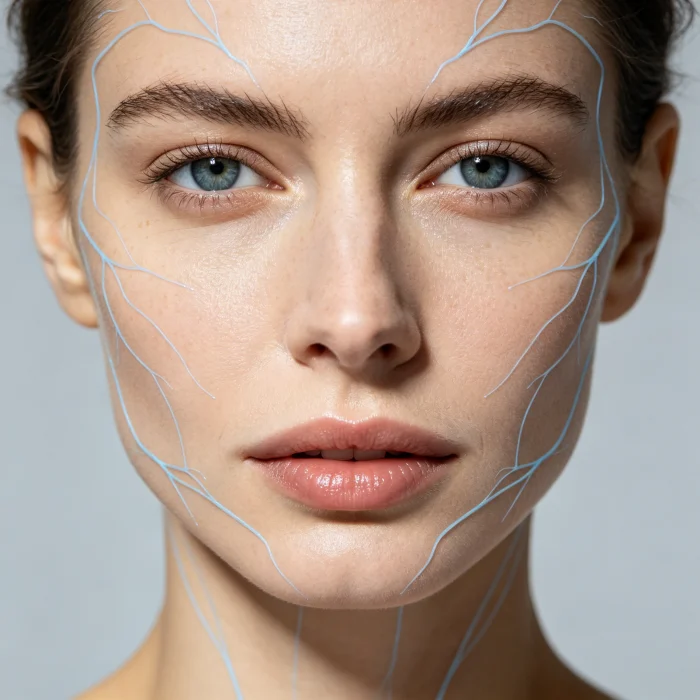
Your body’s lymphatic system is essentially a one-way drainage network. Unlike blood, which has the heart to pump it, lymph fluid moves through muscle contractions and manual pressure. Under your eyes, lymph drains toward specific nodes near your ears and down your neck. Massage helps push it in that direction.
The technique matters more than the tool. You want to start at the inner corner of your eye, sweep gently under the eye toward the outer corner, then down toward the ear, and finally down the side of your neck. That’s the natural flow path. Going backward or in circles can actually trap fluid.
I’ve seen people swear by gua sha tools, jade rollers, and even just their fingers. All can work if you follow the right direction. The mistake most beginners make is doing it too hard or too fast. Think of it as coaxing the fluid, not squeezing it out.
What the Devices Actually Do (and Don’t Do)
There’s a huge range of eye massagers out there, from $15 manual rollers to $300 high-tech gadgets. Most of them work on the same principle: mechanical stimulation to move fluid. The expensive ones add heat, vibration, or LED lights.
Heat (around 40-42°C) dilates blood vessels and may help lymph move. Vibration provides micro-massage that can feel relaxing and might slightly enhance drainage. LED lights, particularly red or near-infrared, target the skin’s deeper layers to stimulate collagen and elastin. But here’s the thing—none of these features turn a fat pad into fluid. If your bags are structural, a $300 device won’t outperform a $30 one.
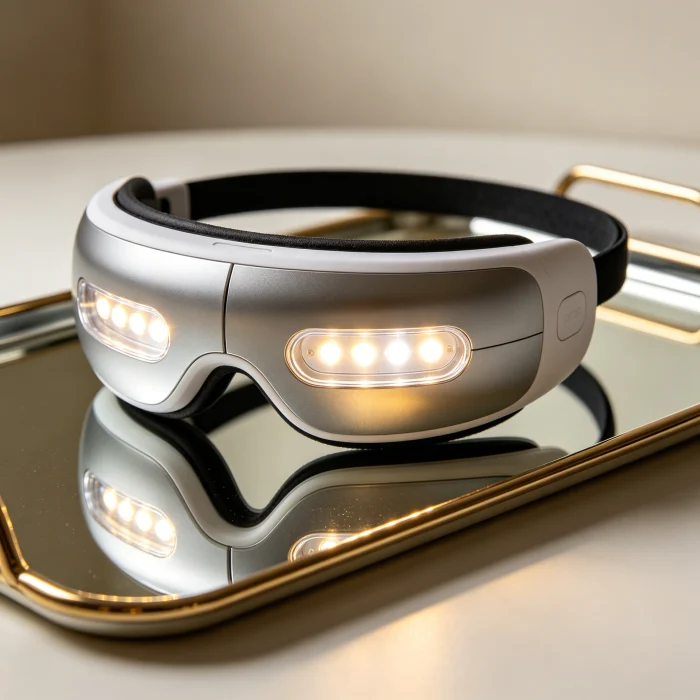
If you’re considering upgrading from a simple roller, check out our guide on whether an electric eye massager is worth it. Spoiler: it depends on your goals and consistency.
Realistic Results: What 4 Weeks of Daily Massage Looks Like
Let’s be real about timelines. In the first week, you might see a slight morning improvement—maybe 10-15% less puffiness if you’re consistent. By week two, the difference becomes noticeable to you, though maybe not to others. By week four, regular users typically report a visible reduction in fluid-related bags, especially if they also cut back on salt and sleep on an extra pillow.
But here’s the catch: if you stop for a few days, the fluid comes back. Lymphatic drainage is a maintenance practice, not a cure. Think of it like brushing your teeth—you don’t do it once and expect permanent results.
When Massage Won’t Help (And What to Do Instead)
If your bags are always present regardless of sleep, diet, or time of day, massage isn’t your answer. True fat pads look like a smooth, consistent bulge under the eye that doesn’t change much. They can be genetic (some people have them in their 20s) or age-related (more common after 40).
For fat pads, the most effective solutions are professional: blepharoplasty, laser resurfacing, or radiofrequency treatments. Fillers can sometimes camouflage the area, but they don’t fix the underlying issue. At-home devices like microcurrent or radiofrequency may offer very subtle tightening, but the evidence is thin—most studies show minimal change for true fat pads.
If you’re exploring other options, our 2026 Eye Massage Equipment Guide covers the best devices for dark circles and puffiness, with honest pros and cons for each type.
Combining Massage with Other At-Home Treatments
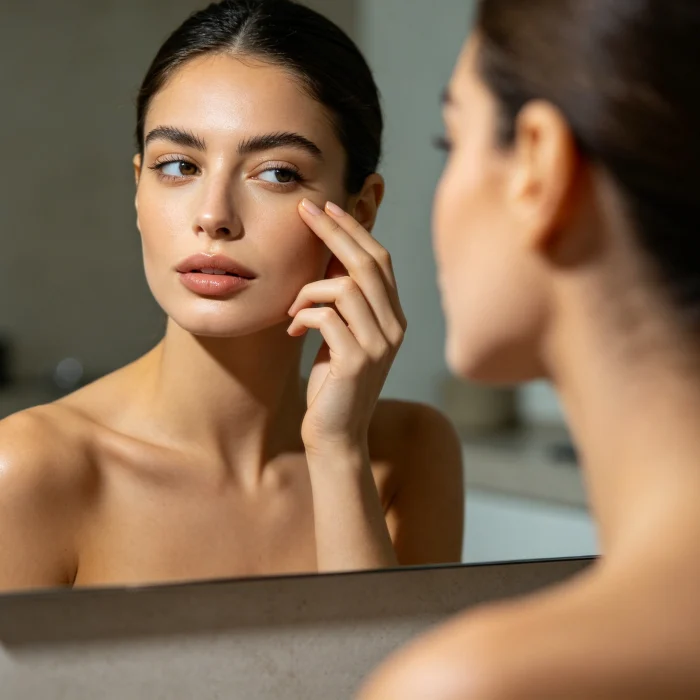
Massage works best as part of a routine, not a standalone fix. Pairing it with cold therapy (a chilled roller or cold spoon) constricts blood vessels and reduces swelling—especially useful in the morning. Caffeine-based eye creams can also help by temporarily tightening the skin and constricting capillaries.
LED light therapy is another strong partner. Red light (630-660nm) stimulates fibroblasts to produce collagen, which can thicken the thin under-eye skin over time. Near-infrared (810-850nm) penetrates deeper and may help with inflammation. Our article on whether LED face massagers work breaks down the evidence.
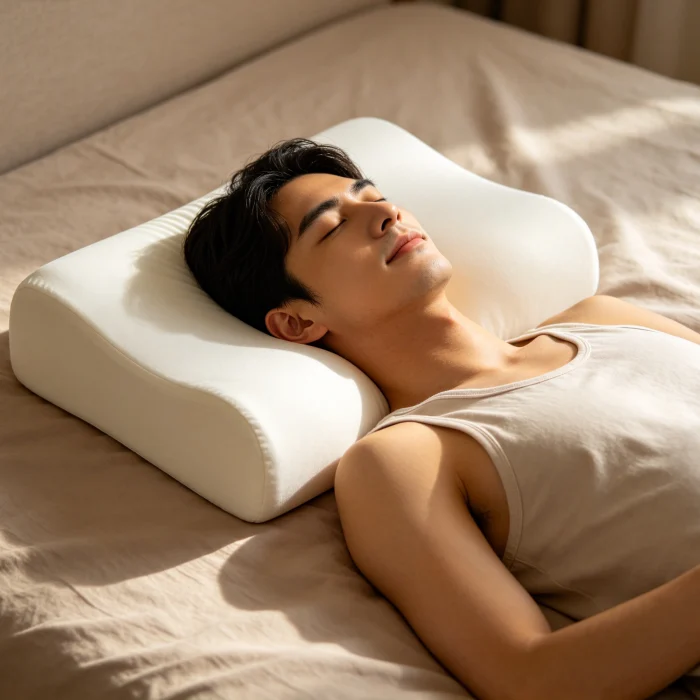
And don’t forget the basics: sleep on your back with an extra pillow, limit salt intake in the evening, and stay hydrated. These simple habits reduce the fluid load your lymphatic system has to handle.
Frequently Asked Questions
How long does it take to see results from under-eye massage?
Most people notice a difference within 2-4 weeks of daily massage. Morning puffiness often improves sooner, but structural changes take longer. Consistency is key—skipping days means the fluid can re-accumulate.
Can massage make under-eye bags worse?
Yes, if done incorrectly. Aggressive rubbing or pressing too hard can cause micro-tears in the delicate skin, leading to more swelling or even bruising. Always use gentle pressure and follow the natural lymph drainage direction.
Is a jade roller as effective as an electric eye massager?
For fluid drainage, a jade roller can be just as effective if you use the correct technique. Electric massagers add convenience, heat, and vibration, but the core benefit comes from the manual sweeping motion. Our comparison covers the trade-offs in detail.
What type of under-eye bags can be massaged away?
Only bags caused by fluid retention—those that are worse in the morning, fluctuate with salt intake, or improve after exercise. Fat pads (constant, smooth bulges) do not respond to massage and require professional treatment.
Can I use red light therapy on bags under eyes?
Yes, red light therapy (630-660nm) can help by stimulating collagen production, which thickens the under-eye skin over time. It won’t remove fluid directly, but it complements massage by improving skin firmness.
How much does an eye massager cost?
Manual rollers start around $10-20. Basic electric massagers with heat and vibration range from $50-150. High-end devices with LED therapy can cost $200-400. The price doesn’t always correlate with effectiveness for fluid drainage.
Is it safe to massage under eyes every day?
Yes, as long as you use light pressure and clean tools. Daily massage is actually recommended for maintaining lymphatic drainage. Just be gentle—the under-eye skin is the thinnest on your body.
“I see a lot of patients who think any under-eye bag can be massaged away. The reality is that true fat pads are structural—they’re not going anywhere with pressure or vibration. But for fluid retention, which is incredibly common, manual lymphatic drainage is one of the most effective at-home tools. The trick is to do it consistently and gently, and to pair it with good sleep hygiene and a low-salt diet. If you’re not sure which type you have, look at how your bags behave over the course of a day. If they’re better by noon, massage will help. If they’re the same at 8 AM and 8 PM, you need a different plan.”
All Comments 0
Please log in to post a comment.
No comments yet. Be the first to share your thoughts!