
There is a significant link between dry eye disease and glaucoma — studies report that 40-60% of glaucoma patients also have dry eye symptoms, which is roughly double the rate in the general population. The relationship is complex: glaucoma medications (especially those with preservatives like benzalkonium chloride) can damage the ocular surface, leading to chronic dryness and irritation. Meanwhile, dry eye itself doesn’t cause glaucoma, but it can interfere with diagnosis by skewing eye pressure readings. So if you’re managing glaucoma and your eyes feel gritty, you’re not imagining it — the two conditions often travel together.
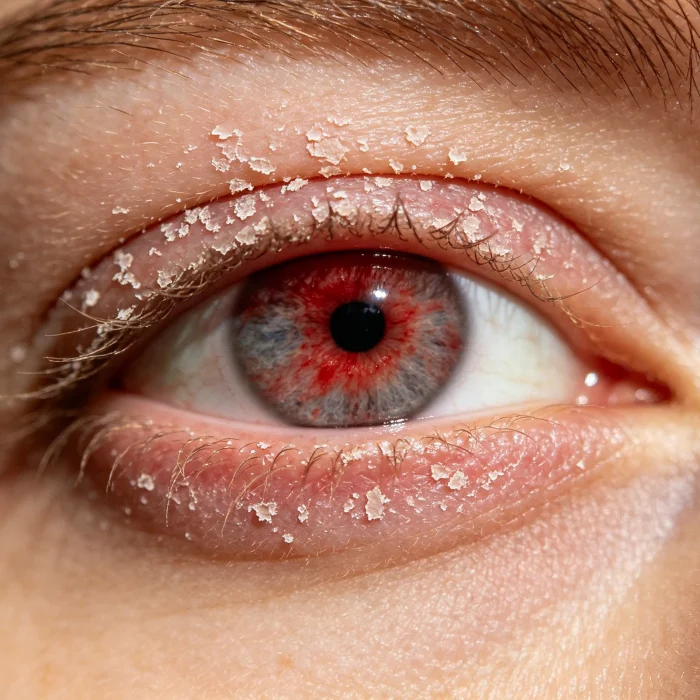
Let’s unpack what this means for anyone using at-home eye massagers, LED masks, or other beauty devices. Because if you have glaucoma or suspect you’re at risk, you need to know how dry eye might complicate things — and whether your skincare tools are making it worse.
What the Research Says About the Dry Eye-Glaucoma Connection
Multiple clinical studies have confirmed that dry eye disease is significantly more common in people with glaucoma. A 2018 meta-analysis in the Journal of Glaucoma found that glaucoma patients had a 50% higher risk of dry eye compared to controls. The culprit? Mostly the preservatives in glaucoma eye drops. Benzalkonium chloride (BAK), the most common preservative, is toxic to the corneal epithelium and disrupts the tear film’s lipid layer. Over years of daily use, that damage adds up.
But it’s not just the drops. Glaucoma itself may alter tear film stability. Some research suggests that the same inflammatory pathways involved in glaucoma — like oxidative stress and immune activation — also contribute to dry eye. So it’s a two-way street: glaucoma treatments cause dry eye, and the underlying disease may also predispose you to it.
Does Dry Eye Make Glaucoma Worse?
Not directly — dry eye doesn’t raise intraocular pressure (IOP), the main risk factor for glaucoma progression. But it can indirectly affect glaucoma management in several ways. First, chronic dry eye symptoms make it harder to stick with your glaucoma drop regimen. If your eyes sting every time you apply the drops, you might skip doses, which leads to inadequate IOP control. Second, dry eye can cause fluctuating vision and corneal irregularities that make it harder for your doctor to get accurate pressure measurements. A dry, irregular cornea can artificially lower or raise IOP readings, potentially leading to wrong treatment decisions.
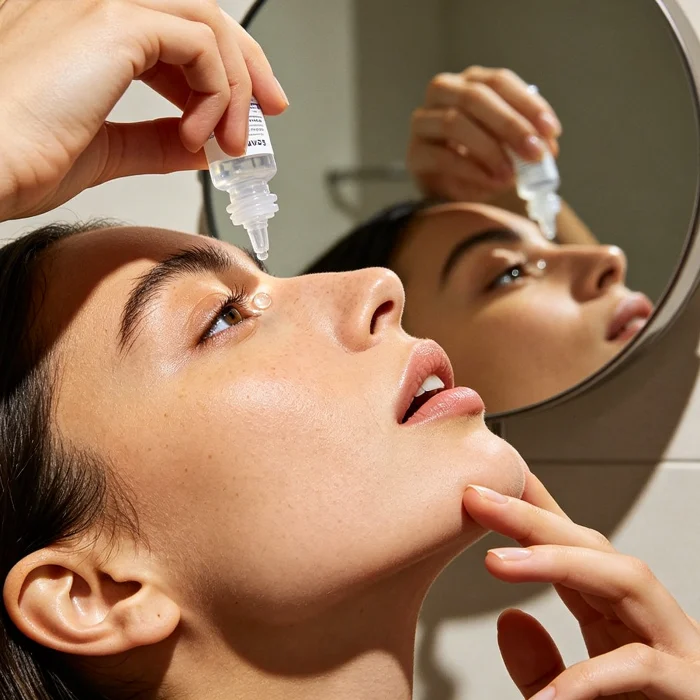
Third — and this matters if you use any eye massage device — aggressive rubbing or massaging of dry eyes can worsen corneal abrasions or dislodge the tear film. So if you’re using an eye massager for pressure relief (common with glaucoma), you need to be extra careful about pre-lubricating your eyes.
Can Glaucoma Cause Dry Eyes?
Strictly speaking, glaucoma itself doesn’t cause dry eyes. But the treatment does — and that’s a distinction without much comfort. Around 70% of glaucoma patients are on prostaglandin analogs (like latanoprost) or beta-blockers (like timolol), and these drugs often contain BAK. Long-term exposure to BAK damages conjunctival goblet cells, which produce mucin for the tear film. The result: your tears evaporate faster, and your eyes feel sandy by mid-afternoon.
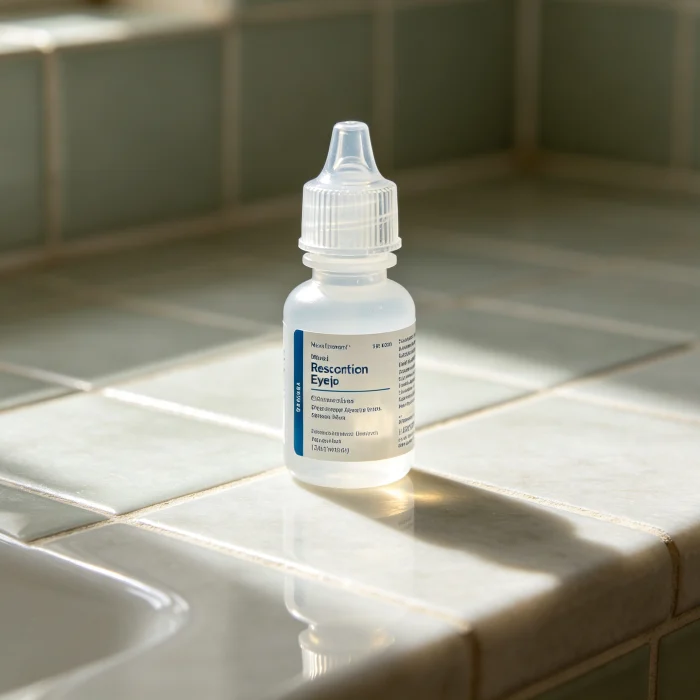
Even preservative-free drops can cause dryness if they contain multiple active ingredients. Some patients need two or three different drops, and the cumulative effect on the ocular surface is real. If you’ve noticed your eyes getting drier since starting glaucoma treatment, you’re not alone — and it’s not in your head.
How Eye Massagers Fit Into This Picture
Here’s where AllureCircle readers should listen up. Many of you use eye massagers for puffiness, headaches, or eye strain. But if you have glaucoma or dry eye, you need to choose your device carefully. Compressed air or percussive massagers that vibrate vigorously can aggravate dry eye by disrupting the tear film. Heat-based massagers (like those that warm to 40-45°C) may actually help — gentle heat can stimulate meibomian gland function, improving oil production and stabilizing tears.
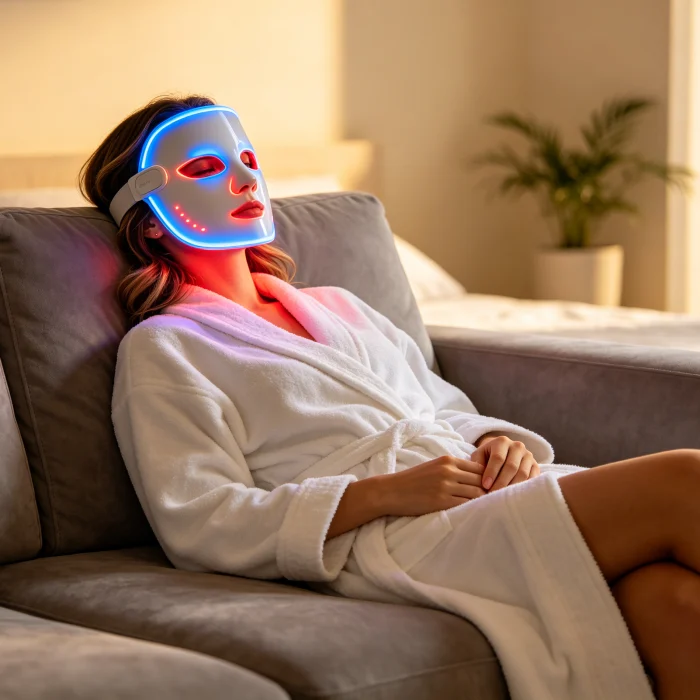
What about LED light therapy masks? If you’re considering an LED face mask for glaucoma, know that most are safe for the eyes if you keep them closed during treatment. Red and near-infrared light don’t affect IOP. But if your eyes are already dry, the mask’s warmth might feel soothing — just don’t let the light shine directly into open eyes.
For a deeper look at how different eye massagers affect eye pressure, check out our guide: Eye Massager for Eye Pressure: Does It Actually Help?
Managing Both Conditions: Practical Tips
If you’re dealing with dry eyes and glaucoma at the same time, here’s what actually works:
- Switch to preservative-free glaucoma drops. They’re more expensive but worth it for ocular surface health.
- Use artificial tears (preservative-free) 15-20 minutes before applying glaucoma drops. This dilutes the BAK and protects the cornea.
- Consider punctal plugs — tiny inserts that block tear drainage. They keep natural tears on the eye longer.
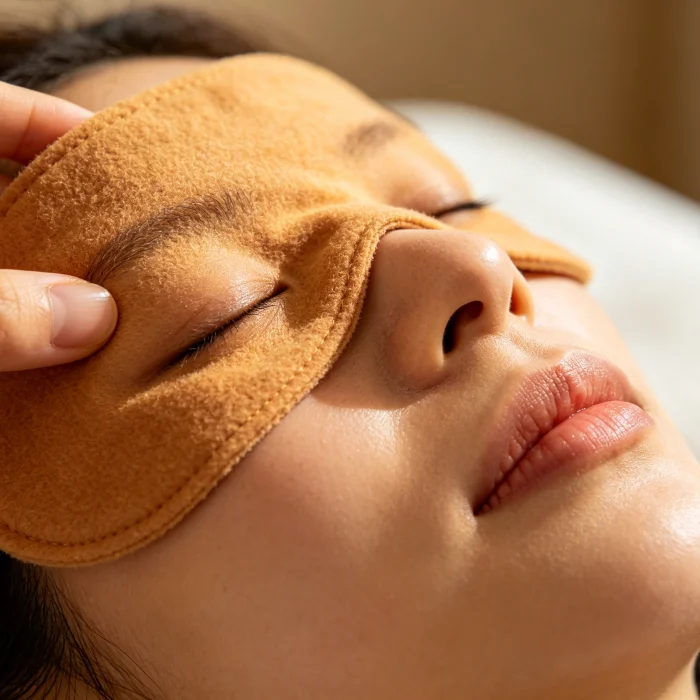
- Apply warm compresses or use a heat-based eye massager for 5-10 minutes daily to improve meibomian gland function.
- Avoid vibrating massagers that shake the eye too aggressively — they can worsen ocular surface inflammation.
One more thing: if you also use infrared light therapy devices, be cautious. Infrared heat can help some dry eye symptoms, but it may also increase intraocular pressure in certain individuals. Read our article on disadvantages of infrared light for more details.
When to See a Specialist
If you have glaucoma and your eyes feel persistently dry, gritty, or watery (yes, dry eyes can paradoxically water), don’t just grab more artificial tears. See your ophthalmologist for a comprehensive dry eye evaluation. They can check tear film breakup time, meibomian gland function, and corneal staining. Some treatments like cyclosporine drops (Restasis) or lifitegrast (Xiidra) can help without interfering with glaucoma medications.
Remember, dry eye is treatable — but only if you address the root cause. For most glaucoma patients, that means reducing preservative exposure and supporting the tear film. And if you’re curious about the broader category of eye massage equipment, explore our reviews and community discussions to see what works for others.
Frequently Asked Questions
Does dry eye cause glaucoma?
No, dry eye does not cause glaucoma. Glaucoma is primarily caused by increased intraocular pressure or damage to the optic nerve. However, dry eye can complicate glaucoma diagnosis and treatment, making it harder to manage.
Can glaucoma drops cause dry eyes?
Yes, glaucoma eye drops — especially those preserved with benzalkonium chloride (BAK) — are a common cause of dry eye. Up to 60% of glaucoma patients develop dry eye symptoms from their drops. Preservative-free alternatives are available and can reduce this side effect.
Can dry eyes increase eye pressure?
Dry eyes themselves do not raise intraocular pressure. However, severe dry eye can cause corneal thickening or irregularity, which may lead to inaccurate IOP measurements. Some studies suggest that treating dry eye can improve the reliability of pressure readings.
Is it safe to use an eye massager if I have glaucoma?
Generally yes, but choose a heat-based massager over a vibrating one. Gentle warmth can improve tear quality without increasing eye pressure. Avoid direct pressure on the eyeball. Consult your ophthalmologist before starting any new device.
What is the best eye massager for dry eyes?
Look for a massager that offers adjustable heat (around 40-45°C) and gentle compression on the orbital bone. Avoid models with intense vibration or direct eyeball massage. Check AllureCircle’s reviews section for user-tested recommendations.
Can LED light therapy help dry eyes and glaucoma?
Red and near-infrared LED light may help dry eyes by reducing inflammation and improving meibomian gland function. It doesn’t affect intraocular pressure, so it’s generally safe for glaucoma patients. Always keep eyes closed during treatment.
How can I tell if my dry eyes are from glaucoma drops or something else?
If symptoms started after beginning glaucoma drops, the drops are likely the cause. Your ophthalmologist can perform a tear film evaluation. Switching to preservative-free drops for 2-4 weeks often brings noticeable improvement.
“The link between dry eyes and glaucoma is one of the most underappreciated challenges in eye care. I see patients every week who are frustrated by stinging drops and gritty eyes, not realizing that the two are connected. The good news: we can usually break the cycle by switching to preservative-free formulations and adding a simple warm compress routine. For those using at-home devices, I always recommend heat over vibration — it’s gentler and actually helps the oil glands. If you’re struggling, don’t suffer in silence; a dry eye workup can change your quality of life.”
All Comments 5
Please log in to post a comment.
This explains so much! I had LASIK years ago and then developed glaucoma — felt like my eyes were sandpaper even before starting drops. Now I'm on preservative-free and using artificial tears daily. Definitely helps 😊
Interesting read. But I wonder if the high rate of dry eye in glaucoma patients is partly because we're just more aware of eye symptoms? Before my diagnosis I probably wouldn't have noticed mild dryness. Either way, it's good that this is getting more attention.
I've been on glaucoma drops for years and always wondered why my eyes felt so dry. Now it makes sense — my doctor never mentioned this link. I'm going to ask about switching to preservative-free drops at my next appointment.