
With the rise of at-home wellness devices, red light therapy has become a popular trend for skin rejuvenation, pain relief, and even hair growth. But can you really do red light therapy at home effectively? The short answer is yes—if you choose the right device and use it correctly. This guide explains everything you need to know, from how it works to how often to use it, so you can safely incorporate red light therapy into your daily routine.
What Is Red Light Therapy and How Does It Work?
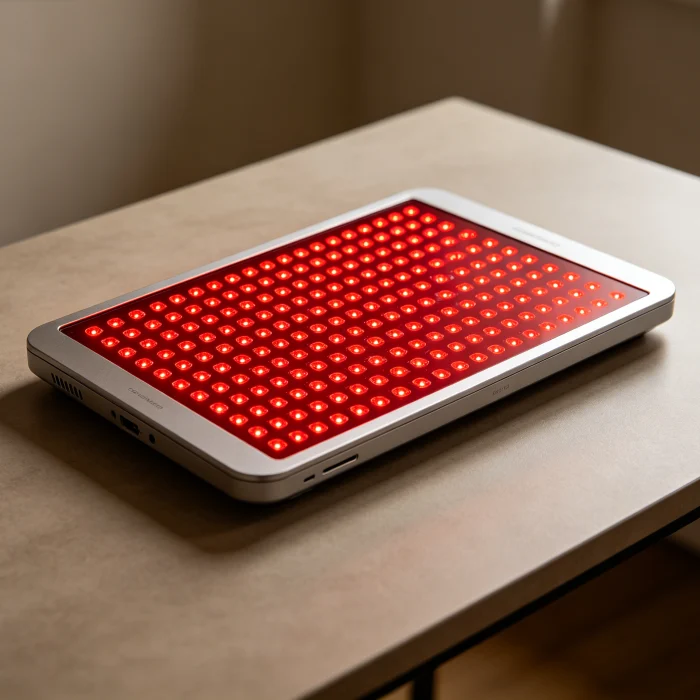
Red light therapy (RLT) uses specific wavelengths of red and near-infrared light to penetrate the skin and stimulate cellular energy production. This process, known as photobiomodulation, boosts mitochondrial activity, which can accelerate healing, reduce inflammation, and improve skin tone. Clinical studies have shown that consistent use can increase collagen production by up to 20% after 12 weeks.
Does At-Home Red Light Therapy Actually Work?
Yes, many at-home devices are FDA-cleared and deliver the same therapeutic wavelengths (typically 630-660 nm red and 810-850 nm near-infrared) as professional setups. A 2025 review in the Journal of Cosmetic Dermatology found that home-use LED masks and panels produced significant improvements in fine lines and skin elasticity after 8 weeks of daily use. However, results depend on device power (measured in mW/cm²) and consistency.
How to Choose the Best At-Home Red Light Therapy Device
When selecting a device, focus on three factors: wavelength accuracy, irradiance (power), and treatment area. A high-quality panel typically offers 100-200 mW/cm² at 6 inches, while masks may have lower output but cover the face evenly. Avoid devices that claim to be “one-size-fits-all” without spec sheets. For example, a popular panel like the MitoPRO 300 delivers 150 mW/cm² at 12 inches, making it suitable for full-body use.
How Often Can You Do Red Light Therapy at Home?
Most experts recommend 3-5 sessions per week, with each session lasting 10-20 minutes per area. You can safely use red light therapy every day, but listen to your skin—if you notice redness or irritation, reduce frequency. For best results, consistency matters more than intensity. A typical protocol for skin anti-aging is 3-4 times weekly for 12 weeks, then maintenance at 1-2 times per week.
Step-by-Step Guide: How to Do Red Light Therapy at Home
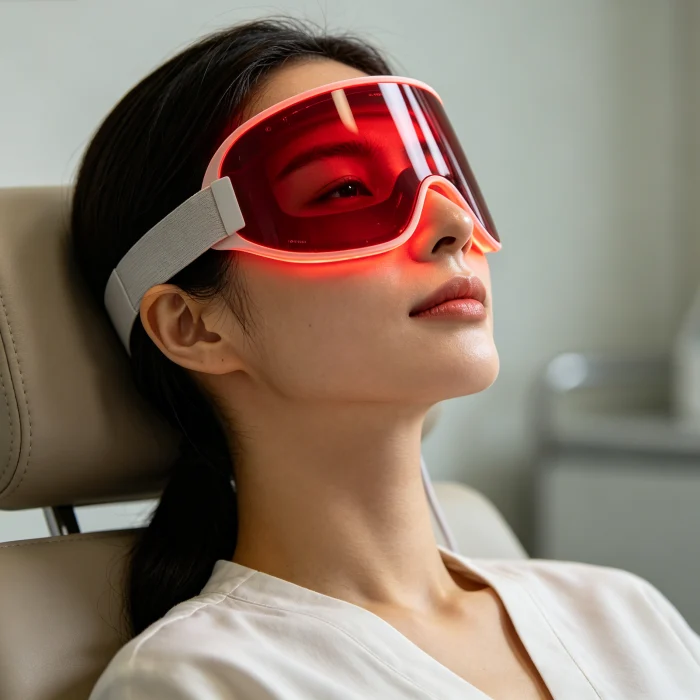
Start by cleaning your skin and removing any makeup or lotions. Position the device 6-12 inches from the target area—closer for deeper penetration, farther for broader coverage. Wear protective goggles if the device emits bright light. Begin with 5-minute sessions per area, gradually increasing to 20 minutes. For full-body panels, you can treat your face, chest, and back in one 20-minute session.
Best Time to Do Red Light Therapy at Home
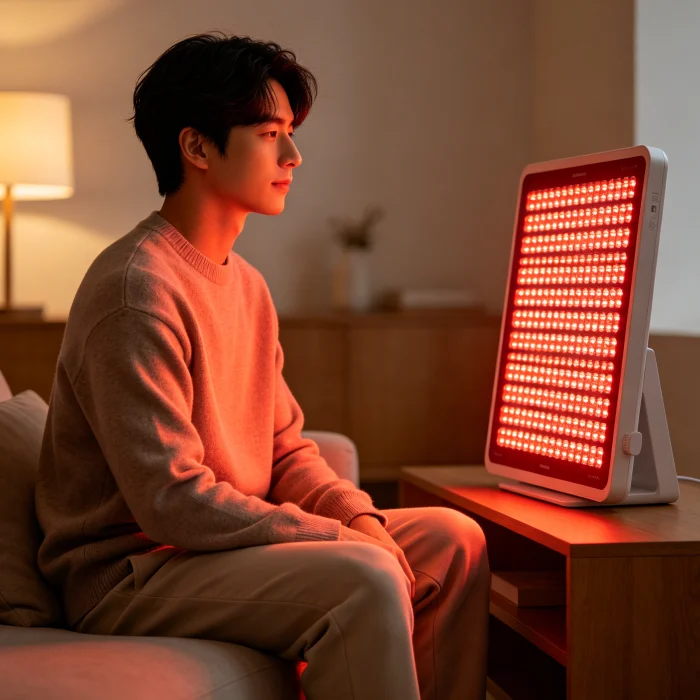
Morning sessions can boost energy and set a positive tone for the day, while evening use may promote relaxation and better sleep. Avoid using red light therapy immediately before bed if you are sensitive to any light. Many users find that a consistent time—like right after a shower—helps build the habit.

Safety Tips and Who Should Avoid Red Light Therapy
Red light therapy is generally safe, but you should consult a doctor if you are pregnant, have a photosensitive condition, or take medications that increase light sensitivity. Pregnant women in their second trimester should check with their obstetrician before starting, as research is limited. Always follow the device instructions and never stare directly into the light.
Does Red Light Therapy Work Through Clothes?
No, red and near-infrared light cannot penetrate clothing effectively. For best results, expose bare skin to the light. If you are using a panel for joint pain, ensure the area is uncovered.
Conclusion: Is At-Home Red Light Therapy Worth It?
At-home red light therapy is a convenient, cost-effective way to enjoy the benefits of this technology. With the right device and a consistent routine, you can see noticeable improvements in skin health, pain management, and overall wellness. Start with a quality panel or mask, follow the recommended frequency, and track your progress over 8-12 weeks.
Frequently Asked Questions
Can I do red light therapy at home every day?
Yes, daily use is safe for most people, but it’s not necessary. 3-5 sessions per week are sufficient for visible results.
Can I make red light therapy at home?
DIY setups using incandescent bulbs are not recommended because they lack the correct wavelengths and power. Invest in a certified device.
Do at-home red light therapy masks work?
Yes, but they are less powerful than panels. They work best for facial skin rejuvenation if used consistently.
What is the best way to do red light therapy at home?
Use a high-irradiance panel for full-body benefits, or a mask for targeted facial treatment. Consistency and proper distance are key.
Can pregnant women do red light therapy at home?
Consult your doctor first, especially during the second trimester. Limited research exists, but many providers advise caution.
All Comments 6
Please log in to post a comment.
Funny timing — I just bought a red light panel last month after tons of research. My skin definitely looks more even, but I’m still waiting on the hair growth claims. 🤞 How long did it take for you to see results? I use mine 5 min per area daily, hope that’s enough.
Great guide but I’d add a caution about eye safety. Some of these devices are bright and I’ve read that near-IR can potentially damage retinas. I always wear goggles even if the manufacturer says it’s safe. Better safe than sorry, right?
I’ve been using a cheap mask from Amazon and honestly, I’m skeptical. Maybe it’s placebo, but my fine lines look a bit softer after 3 weeks. The real issue is staying consistent — life gets busy. Anyone else find it hard to keep up with daily sessions?
I've been using a red light panel for about six months now for joint pain and honestly, it's been a game changer. The science makes sense, but I was skeptical at first because there's so much hype around these devices. What finally convinced me was my physiotherapist recommending it for recovery. Just make sure you get one with the right wavelengths (660nm and 850nm seem to be the sweet spot) and don't cheap out on a random Amazon brand. Anyone else notice better sleep after using it near bedtime?