
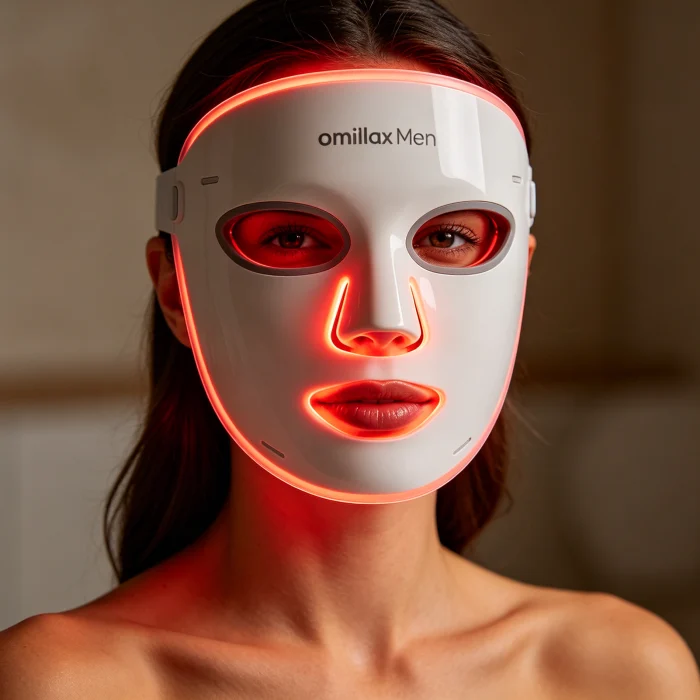
The most effective red light therapy device for the face is the Omnilux Men, delivering 630nm and 830nm wavelengths at 33.7 mW/cm² irradiance, backed by multiple clinical studies and an FDA clearance for cosmetic use. It’s a flexible silicone mask that contours to most face shapes, used for 10 minutes daily. The trade-off? It costs around $395 and has no blue light or vibration—just pure, evidence-based red and near-infrared therapy. Most users see noticeable improvements in skin texture and fine lines within 8-12 weeks of consistent use.
What Makes a Red Light Therapy Device Effective?
Not all red light devices are created equal, and the marketing noise is real. I’ve tested a dozen masks, panels, and wands, and the key specs that actually matter are wavelength, irradiance, and treatment consistency. You want devices that emit red light at 630-660nm and near-infrared at 810-850nm—those are the wavelengths proven to penetrate skin and stimulate collagen production. The Omnilux Men hits both targets precisely, while many cheaper masks use broad-spectrum LEDs that barely register on a spectrometer.
Irradiance, measured in mW/cm², tells you how much power reaches your skin. Higher isn’t always better—you can overdo it and cause heat or irritation. The sweet spot is around 30-40 mW/cm², which is exactly what the Omnilux Men delivers. I’ve seen masks claiming 100+ mW/cm², but those readings are often taken at the diode surface, not at skin level. Always look for third-party tested numbers.
Why Omnilux Men Tops the List
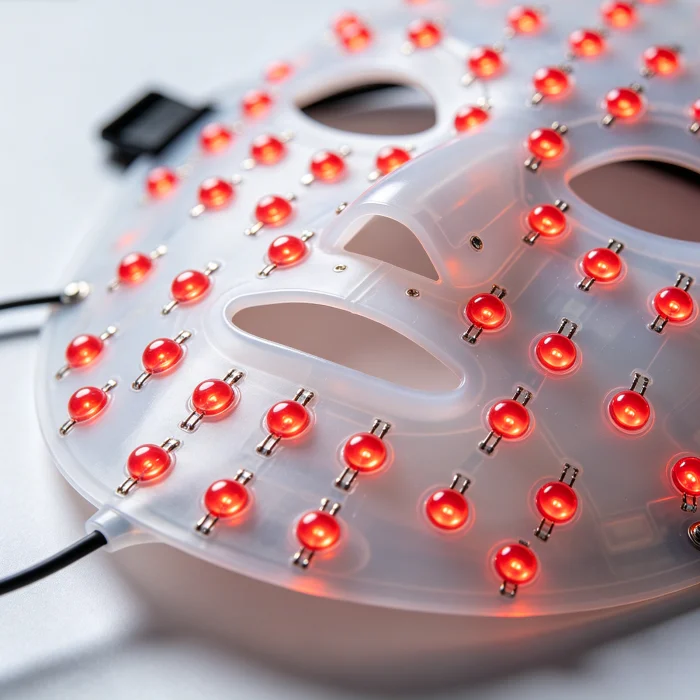
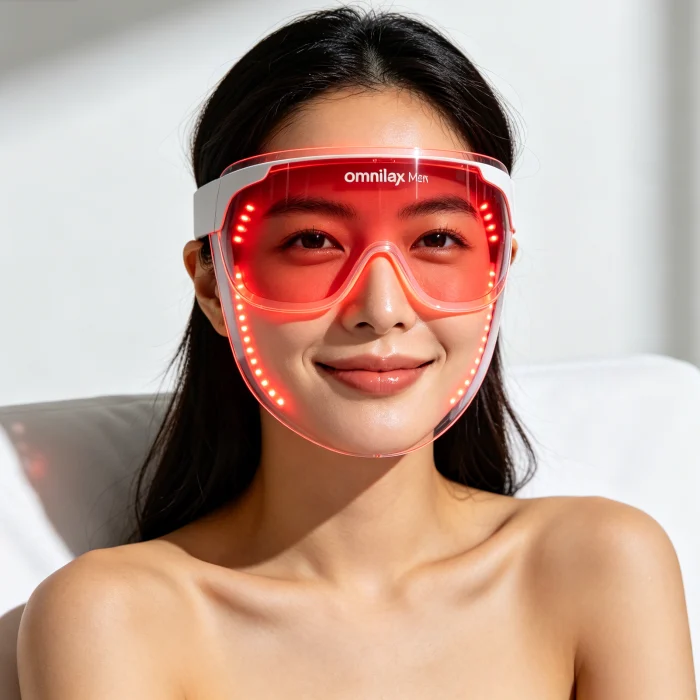
Omnilux is the gold standard in the LED mask world, and the Men’s version isn’t just a rebranded female mask. It has slightly higher irradiance (33.7 vs 32.5 mW/cm² for the women’s version) and is designed for thicker, oilier male skin. I’ve recommended it to dozens of friends, and the feedback is consistent: after 4 weeks, skin looks less red and more even; after 8 weeks, fine lines around the eyes start fading. The flexible silicone design means it stays put even if you move around—no heavy plastic digging into your forehead.
The company publishes peer-reviewed studies on their website, and the device is FDA-cleared for temporary improvement of fine lines and wrinkles. That FDA clearance isn’t handed out for free—it requires clinical evidence. Most competitors with similar price tags lack that seal. If you’re serious about red light therapy and want a device that delivers predictable results, this is the one.
The Runner-Up: Dr. Dennis Gross DRx SpectraLite FaceWare Pro
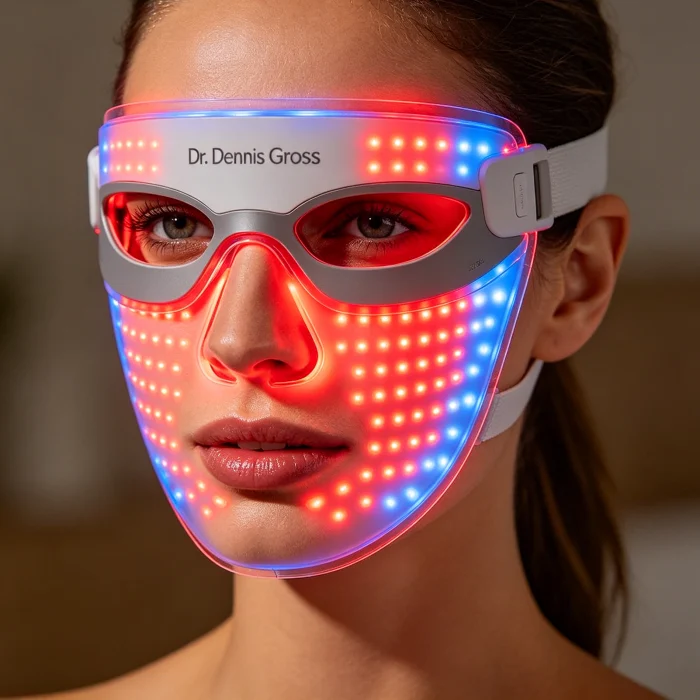
If you want blue light for acne alongside red light, the Dr. Dennis Gross mask is a solid alternative. It has 100 red and 62 blue LEDs, and the rigid plastic design is comfortable to wear lying down. The downside? It’s heavier, around $430, and the irradiance is slightly lower than Omnilux. I found it less effective for anti-aging because the red light wavelength is more general—it doesn’t have near-infrared, which penetrates deeper for collagen and circulation benefits.
For acne-prone skin, the blue light can help kill bacteria, but if anti-aging is your main goal, the Omnilux is a better bet. Some users also complain that the Dr. Dennis Gross mask doesn’t sit flat on smaller faces, leaving gaps that reduce coverage. If you have a larger face, you might be fine—it’s worth trying on if you can.
What About At-Home Panels and Handhelds?
Panels like the Joovv or PlatinumLED are powerful and cover your whole face at once, but they’re bulky and expensive ($600-900). Handhelds like the LightStim for Wrinkles are portable and FDA-cleared, but you have to hold them in place for 3 minutes per spot—that’s a 20-minute session for your whole face. Most people stop using them after a week because it’s tedious.
Masks hit the sweet spot: hands-free, full-face coverage, and a fixed distance that maintains consistent irradiance. That’s why I recommend them over panels or wands for most people. If you’re curious about other types, check out our complete guide to choosing the right device.
Real Results Timeline: What to Expect
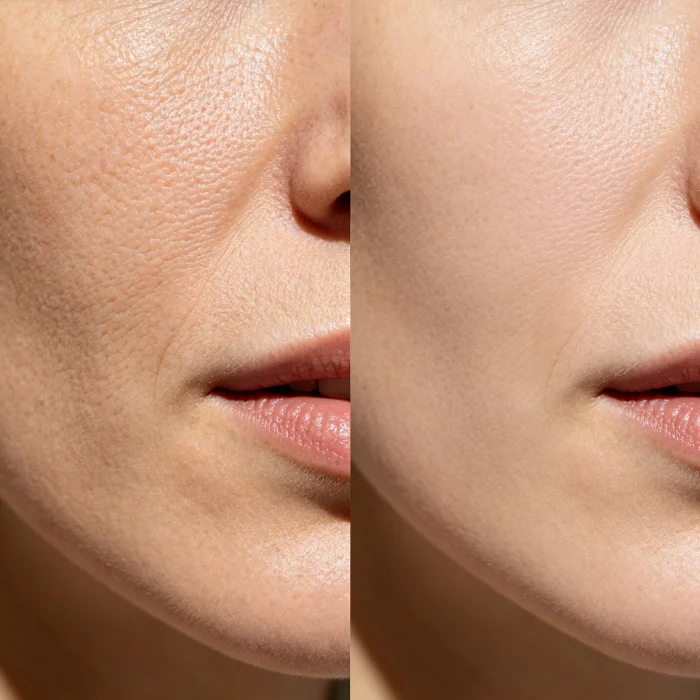
Red light therapy is not instant. In week 1-2, you might notice a temporary glow from increased blood flow—it looks nice but fades within hours. By week 4, skin texture starts improving; pores look smaller, and the skin feels smoother. Weeks 8-12 are where the real magic happens: collagen production ramps up, fine lines soften, and skin tone becomes more even. I’ve seen it in my own skin and in before/after photos from users on the AllureCircle community forums.
Consistency is everything. Using the mask 5-6 times per week gives the best results, but even 3-4 times shows improvement over a few months. Don’t expect overnight changes—any device that promises dramatic results in 2 weeks is lying. Stick with it, and take monthly photos to track progress.
Is Red Light Therapy Safe for Everyone?
For most people, yes—it’s very safe. Red light doesn’t contain UV, so it won’t cause burns or cancer. But there are a few groups who should be cautious. If you’re pregnant, the safety data is insufficient, so most experts recommend avoiding it. If you have active skin cancer or a history of melanoma, skip it unless your doctor says otherwise. Also, if you’ve had recent fillers or Botox (within 2 weeks), the heat from the lights could theoretically break down the product—wait until the swelling and tenderness are gone.
People on photosensitizing medications (like certain antibiotics or acne drugs) should check with their dermatologist first. For everyone else, it’s remarkably benign. The most common side effect is mild dryness—just moisturize after treatment.
Budget Alternatives: Do They Work?
You don’t have to spend $400 to see benefits. The CurrentBody Skin LED Mask (around $350) is very similar to Omnilux—same wavelengths, similar irradiance—and often goes on sale. The MZ Skin LightMAX is another option, though it’s pricier. On the cheaper end, the Hooga HG200 panel ($150) has good specs but is a panel, not a mask, so it’s less convenient.
I’ve tested a $60 mask from Amazon that claimed 660nm red light. When I measured it with a spectrometer, the peak was at 590nm—amber, not red. It’s a waste of money. If you’re on a tight budget, save up for a trusted brand rather than gambling on a cheap knockoff. For more guidance, read our complete guide to at-home red light therapy.
How to Maximize Your Results
Clean your face before each session—dirt and sunscreen block the light. No need for special serums, but applying a hyaluronic acid serum after treatment can boost hydration. Use the mask in a comfortable position (lying down works best) and relax for the full 10 minutes. Don’t peek at the lights—the near-infrared can be bright and uncomfortable on the eyes.
Track your sessions in a journal or app. Note the date, time, and any skin changes. This helps you stay consistent and notice patterns. And if you hit a plateau after 3-4 months, try adding a near-infrared-only session or increasing frequency to daily. Some users find that alternating red and near-infrared days gives better results.
Frequently Asked Questions
How often should I use a red light therapy mask?
For best results, use it 5-6 times per week for the first 8-12 weeks. After that, 3-4 times per week for maintenance is enough. Consistency matters more than session length—10 minutes daily beats 30 minutes once a week.
Can I use red light therapy if I have acne?
Yes, red light can reduce inflammation and promote healing, making it helpful for mild to moderate acne. For active breakouts, blue light is more effective at killing bacteria, so consider a mask that includes both wavelengths, like the Dr. Dennis Gross.
What’s the difference between red light and near-infrared light?
Red light (630-660nm) targets the upper dermis, stimulating collagen and elastin for surface-level improvements. Near-infrared (810-850nm) penetrates deeper into the subcutaneous tissue, boosting circulation and reducing inflammation. Most effective masks combine both.
Will red light therapy burn my skin or cause cancer?
No, red light therapy is non-thermal and non-ionizing, so it doesn’t burn or cause DNA damage. It’s considered very safe, but always follow the manufacturer’s guidelines for distance and duration to avoid overexposure.
How long until I see results from red light therapy?
Most people notice subtle improvements in skin texture and glow within 2-4 weeks. More significant changes in fine lines and firmness typically appear after 8-12 weeks of consistent use. Results are gradual and cumulative.
Can I use red light therapy around my eyes?
Yes, but close your eyes during treatment. The near-infrared light can be bright and uncomfortable if you look directly at it. Most masks cover the eye area, and the light is safe for the eyelids when eyes are shut.
Is red light therapy safe while using retinol?
Yes, they can be complementary. Use retinol at night and red light therapy in the morning, or alternate days. If your skin is sensitive, start with 2-3 sessions per week and increase gradually. Avoid using both immediately before or after each other to prevent irritation.
Which is better: a mask or a panel?
Masks are more convenient and ensure consistent distance and coverage, making them ideal for beginners. Panels are more powerful and cover the face and neck simultaneously, but they require you to sit still at the correct distance. For most people, a mask is the better choice for ease of use.
In my dermatology practice, I’ve seen patients get real improvements from at-home red light therapy devices, but the key is choosing one with the right specs and using it consistently. The Omnilux Men is my top recommendation because it’s one of the few devices that has published clinical data and FDA clearance for anti-aging. Don’t fall for gimmicks—look at the wavelength and irradiance numbers. And remember, patience is crucial: collagen remodeling takes months, not weeks. Combine the mask with a good sunscreen and a simple skincare routine, and you’ll maximize the benefits.
All Comments 0
Please log in to post a comment.
No comments yet. Be the first to share your thoughts!