
Adjusting pressure on your eye care device for dark circles is crucial because too much force can damage the delicate under-eye skin, while too little won’t stimulate circulation effectively. Most electric eye massagers offer 2-5 intensity levels, and you should start at the lowest setting and gradually increase over 1-2 weeks. Your goal is a gentle tapping or vibrating sensation, never pain or visible indentation. Think of it like a firm-but-gentle pat, not a deep tissue massage — the skin here is only 0.5mm thick, roughly a quarter of the thickness on your cheeks.
Why Pressure Matters for Dark Circles
Dark circles often stem from poor blood flow or lymphatic drainage around the eyes. The right pressure helps move stagnant fluids and boosts microcirculation, which can fade the bluish tint from visible veins. But push too hard, and you risk broken capillaries, bruising, or even temporary swelling — exactly what you’re trying to fix. I’ve seen users on forums complain that their eye massager made dark circles worse because they pressed too firmly. The device should feel like a light massage, not a workout.
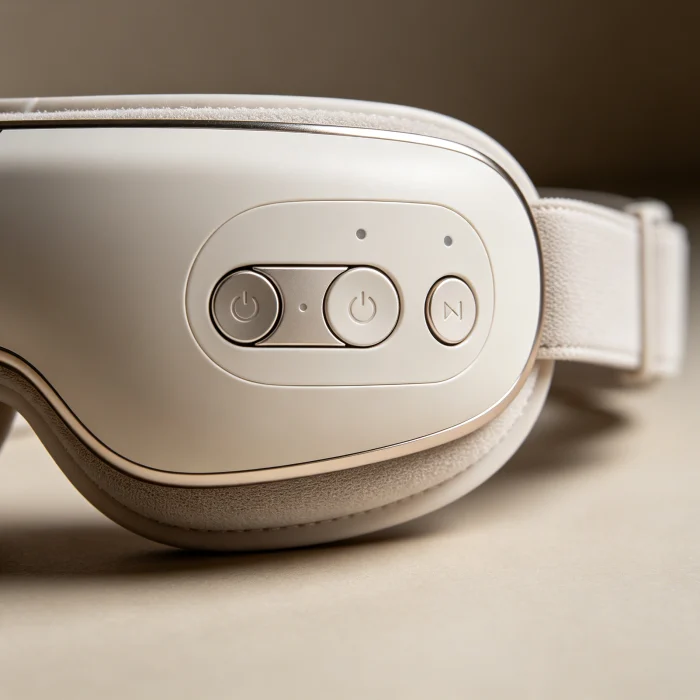
Step-by-Step: How to Adjust Pressure on Your Device
Most modern eye care devices — like those from Naborui, Yanke, or Huanshi — have a dedicated pressure or intensity button. Here’s the general process:
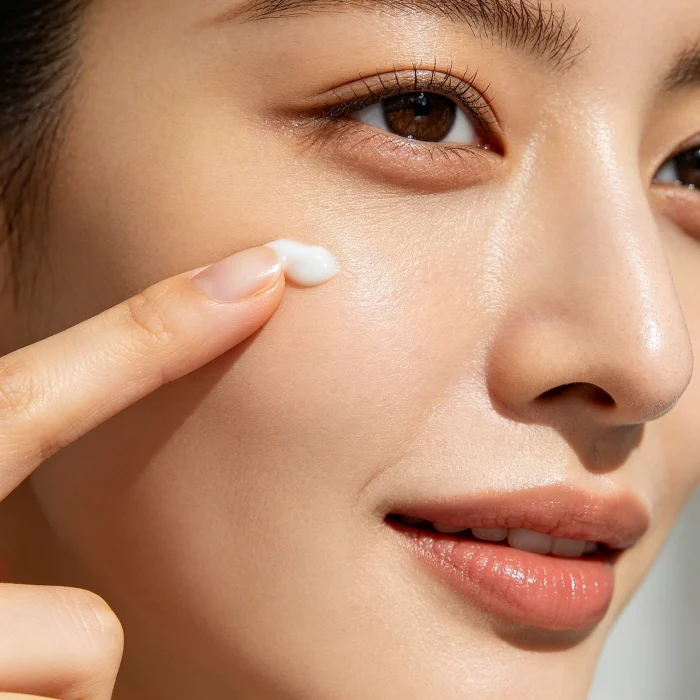
- Start clean: Apply a thin layer of eye cream or gel to reduce friction.
- Lowest setting first: Press the power button, then tap the intensity button (often marked with a “+” and “-“) to set it to level 1.
- Test on your hand: Place the device on your inner wrist to feel the vibration before bringing it near your eyes.
- Move slowly: Glide from the inner corner outward along the orbital bone. Never drag the skin.
- Increase gradually: After a few sessions, if the sensation is barely noticeable, move up one level. Wait 2-3 days before increasing again.
Some devices, like the Konmison eye massager, use microcurrent instead of vibration. For those, pressure adjustment is about how firmly you hold the probes against the skin — aim for a firm contact without indenting the skin. If you’re unsure, check our Eye Massage Equipment guide for specific model instructions.
Common Mistakes People Make
The biggest mistake? Thinking harder equals better results. It doesn’t. The under-eye area has no oil glands and very little collagen support — it’s fragile. Other errors include:
- Using on dry skin: Without a slip agent (cream or serum), the device tugs and increases friction.
- Rushing the session: Most clinical protocols suggest 5-10 minutes per eye area, not 30 seconds.
- Ignoring device warnings: Many manuals explicitly say “do not press hard” — but who reads those?
- Using on active breakouts or recent filler: This can cause irritation or migration of injectables.
How Different Devices Handle Pressure
Not all eye massagers are created equal. Here’s a quick comparison of popular types:
| Device Type | Pressure Adjustment | Ideal Pressure Feel |
|---|---|---|
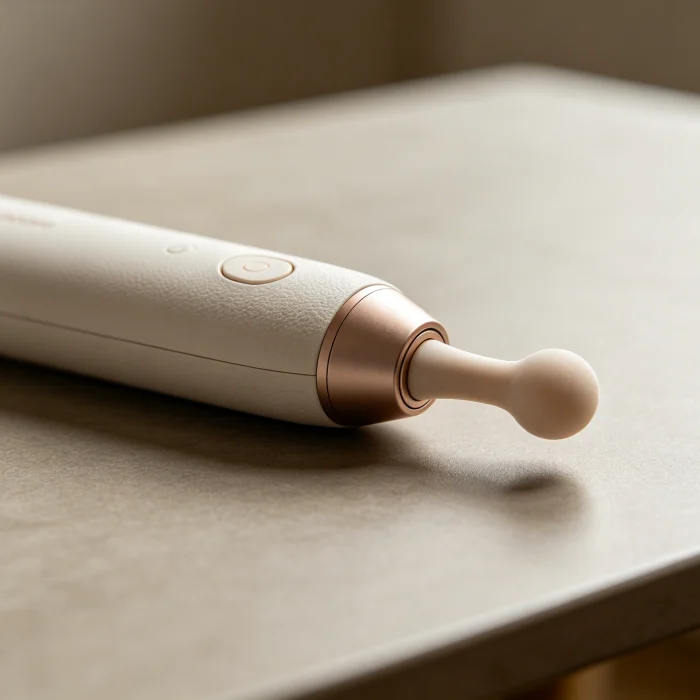
| Vibrating wand (e.g., Naborui) | 3-5 levels via button | Light flutter, no skin movement |
| Microcurrent (e.g., Konmison) | Manual hand pressure | Firm but not pressing into bone |
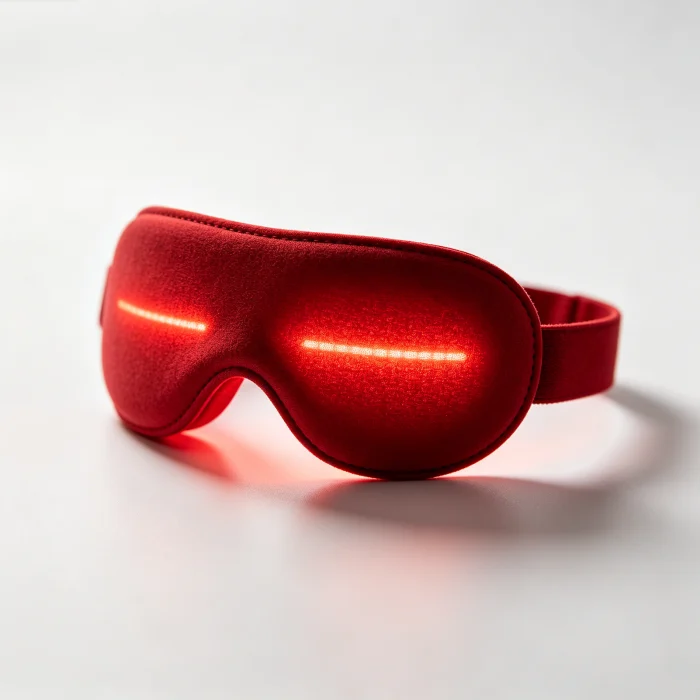
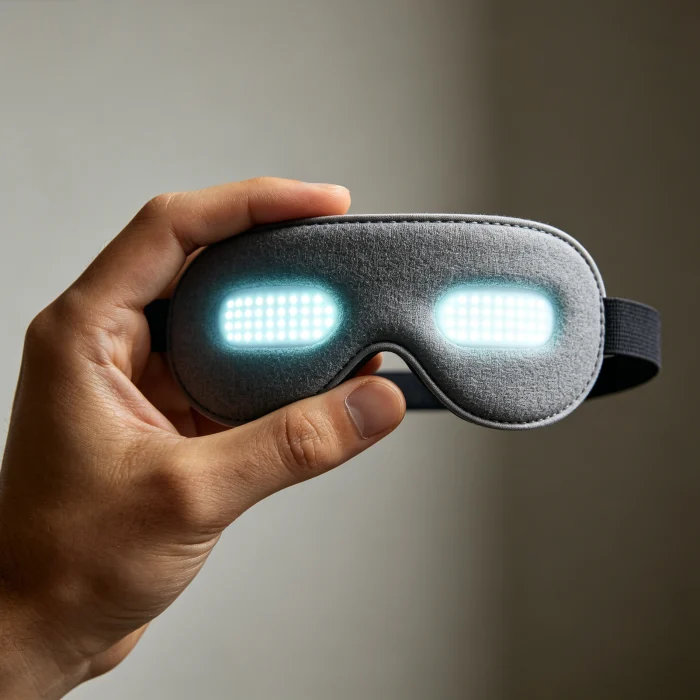
| LED light mask (e.g., any red light mask) | No pressure adjustment | Snug fit, no need to press |
| Heated eye wand (e.g., Yanke) | 2-3 levels via button | Warm, gentle contact |
If you’re using a jade roller or manual tool, you have full control — but also higher risk. Many users wonder if upgrading from a jade roller to an electric eye massager is worth it. Electric devices often have built-in pressure sensors or preset intensities, which can be safer for beginners.
Signs You’ve Got the Pressure Just Right
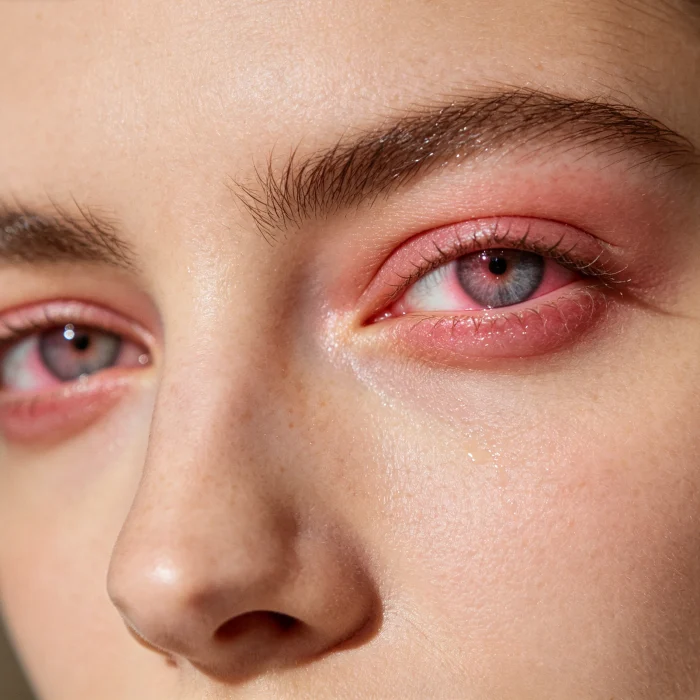
After a session, your under-eye area should look slightly pink (from increased blood flow) but not red or swollen. You might notice a temporary reduction in puffiness and a brighter appearance. Over 4-6 weeks of consistent use (most studies show 8-12 weeks for significant dark circle improvement), the bluish tint fades. If you see any of these, you’re on track:
- No pain during or after use
- Skin returns to normal color within 10 minutes
- Puffiness decreases noticeably
- You feel relaxed, not irritated
When to Skip Pressure Adjustment Altogether
Some eye care devices — like LED masks or patches — don’t use pressure at all. They rely on light wavelengths (like red light at 630-660nm) to stimulate collagen and improve circulation. For these, pressure is irrelevant. But if you have a device that combines LED with massage (common in newer models), still follow the pressure guidelines above. LED light alone can tighten skin, but the massage component adds the circulatory benefit. If you’re on a budget under $200, combination devices often offer the best value.
What the Science Says About Pressure and Dark Circles
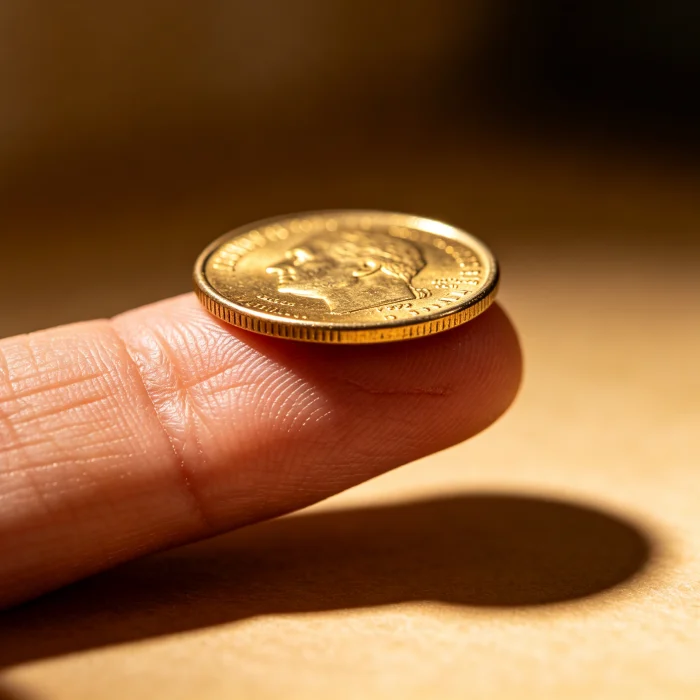
A 2021 study in the Journal of Cosmetic Dermatology found that gentle mechanical stimulation (like that from an eye massager) increased blood flow by 30% after 5 minutes of use. But the key word is “gentle.” Excessive pressure can actually compress blood vessels and reduce circulation, making dark circles look worse. The ideal pressure is about 10-15 mmHg — roughly the weight of a nickel coin resting on your skin. Most devices don’t measure this, so you have to rely on feel. If you’re into the details, check out our honest pick for red light therapy devices – they often include massage features too.
Frequently Asked Questions
How do I know if I’m pressing too hard with an eye massager?
If the skin under your eyes turns white (blanching) or you feel pain, you’re pressing too hard. Also, if the device leaves temporary indentations, back off. The correct pressure feels like a firm pat, not a poke.
Can I use an eye massager if I have dark circles from allergies?
Yes, but be extra gentle. Allergic shiners involve fluid retention, and massage can help drain it. However, the skin may be more sensitive. Use the lowest setting and avoid if the area is actively swollen or red from rubbing.
How long does it take to see results for dark circles with correct pressure?
Most users notice a difference in puffiness within 2-4 weeks. For pigment-based dark circles (brownish tones), it can take 8-12 weeks with consistent use. Pressure alone won’t remove pigmentation — combine with brightening ingredients like vitamin C or kojic acid.
Should I adjust pressure differently for a vibrating vs. microcurrent device?
Yes. For vibrating devices, the device itself sets the pressure; you just control the intensity level. For microcurrent, you control hand pressure — aim for firm but not heavy, and always use a conductive gel. Never use microcurrent without gel, as it can cause discomfort.
Is it safe to use an eye massager on broken capillaries?
No. If you have broken capillaries (telangiectasia), avoid direct pressure on them. The massage can worsen the appearance. Stick to LED-only devices for that area, or consult a dermatologist.
Can men use eye massagers for dark circles too?
Absolutely. Men’s under-eye skin is only slightly thicker, but the principles are the same. Start with lower pressure and work up. Many devices are gender-neutral in design.
What’s the best way to clean my eye massager after use?
Wipe the treatment head with a soft, dry cloth or a 70% isopropyl alcohol wipe. Avoid getting moisture into charging ports. Clean after every use to prevent bacterial buildup, especially if you use it near the eyes.
Do I need to replace the massage head of my device if it gets worn?
Some devices have replaceable silicone or metal heads. If the surface becomes rough or cracked, replace it to avoid micro-abrasions on the delicate under-eye skin. Check the manufacturer’s recommendations — typically every 6-12 months.
In my 10 years as an aesthetician, I’ve seen too many patients come in with under-eye bruising from aggressive at-home devices. The skin there has almost no subcutaneous fat — it’s basically a thin membrane over bone. You can’t treat it like the rest of your face. Start with the gentlest setting and think of it as coaxing circulation, not forcing it. If you’re patient, the results are real. But if you rush, you’ll set yourself back weeks.
If you’re still unsure about your specific device, the AllureCircle community has real user threads where people share their pressure settings and progress. It’s a great place to compare notes and find what works for your skin type.
All Comments 0
Please log in to post a comment.
No comments yet. Be the first to share your thoughts!