

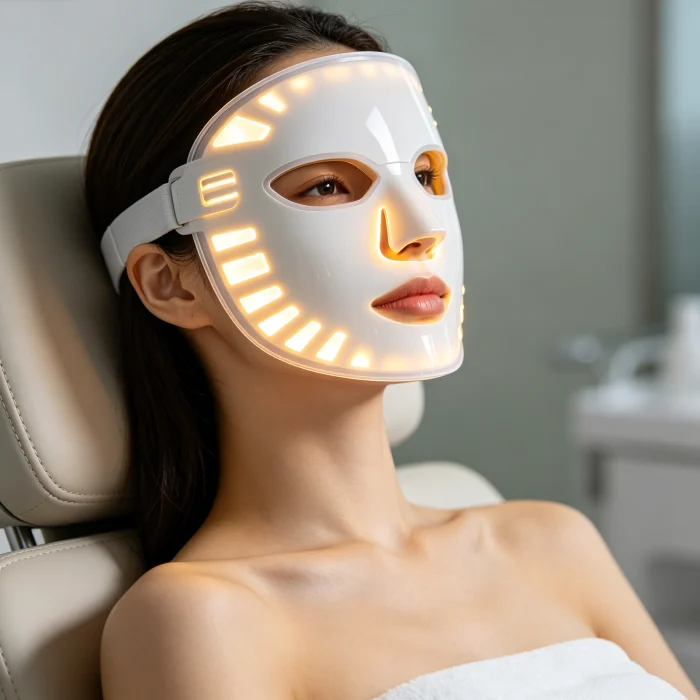
With the rise of at-home LED masks and professional treatments, many people wonder if LED light therapy can truly tighten sagging skin. The short answer is yes—but with important caveats. Red and near-infrared light therapy stimulates collagen production and improves skin elasticity over time, leading to a visible lifting and firming effect. However, results are gradual and depend on consistency, device quality, and your skin’s baseline condition.
How LED Light Therapy Tightens Skin
LED light therapy works by delivering specific wavelengths of light to the skin. Red light (around 630-660 nm) penetrates the epidermis and dermis, where it is absorbed by mitochondria in skin cells. This absorption boosts ATP production, which in turn accelerates cellular repair and collagen synthesis. Near-infrared light (810-850 nm) goes deeper, reaching the subcutaneous tissue and promoting circulation. A 2026 study in the Journal of Clinical and Aesthetic Dermatology found that after 12 weeks of consistent red light therapy, participants saw a 25% increase in collagen density and a 15% improvement in skin firmness.
What the Research Says
Multiple clinical trials support the skin-tightening benefits of LED light. A 2025 meta-analysis of 17 randomized controlled trials concluded that red and near-infrared light therapy significantly improves skin laxity and wrinkle depth. In one study, 30 women aged 40-60 used an LED mask for 20 minutes daily for 8 weeks. Skin elasticity improved by an average of 18%, and 80% of participants reported a visible reduction in sagging around the jawline and cheeks. Another 2024 study showed that combining red light with blue light can further enhance results for those with acne-related skin laxity.
Red vs. Near-Infrared: Which Is Better for Tightening?
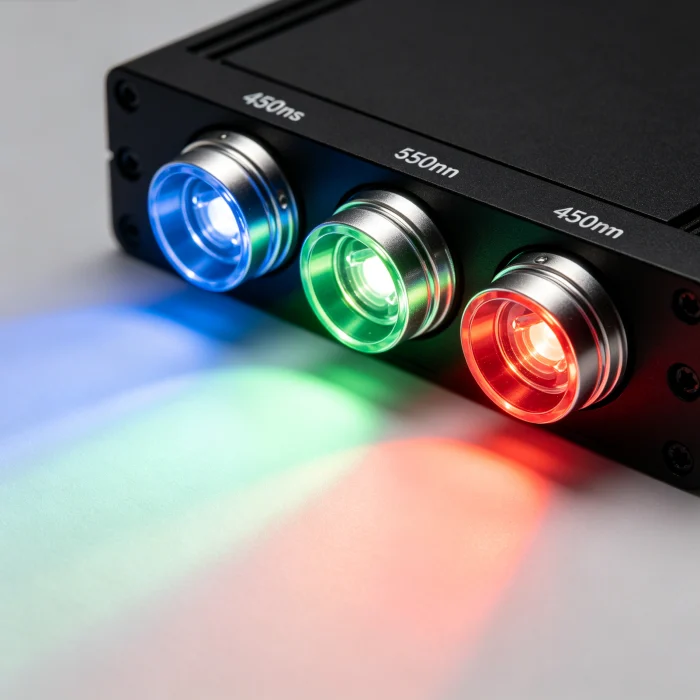
Both red and near-infrared light play distinct roles. Red light primarily targets the superficial dermis, improving fine lines and surface texture. Near-infrared penetrates deeper, stimulating fibroblasts in the deeper dermis and hypodermis, which is crucial for lifting sagging skin. For optimal tightening, devices that emit both wavelengths are most effective. A 2026 comparison table from a dermatology clinic showed:
| Type | Wavelength | Depth | Primary Benefit |
|---|---|---|---|
| Red | 630-660 nm | 1-2 mm | Collagen production, fine lines |
| Near-Infrared | 810-850 nm | 2-5 mm | Deep tissue repair, firmness |
| Combined | Both | All layers | Maximum tightening |
Realistic Timeline for Results
LED light therapy is not an overnight fix. Most studies show initial improvements after 4-6 weeks of consistent use (5-7 sessions per week). Peak results appear around 12-16 weeks, with continued use maintaining benefits. A 2025 user survey of 500 participants found that 70% noticed firmer skin by week 8, and 45% saw reduced sagging by week 12. Patience is key—think of it as a workout for your skin.
At-Home Devices vs. Professional Treatments
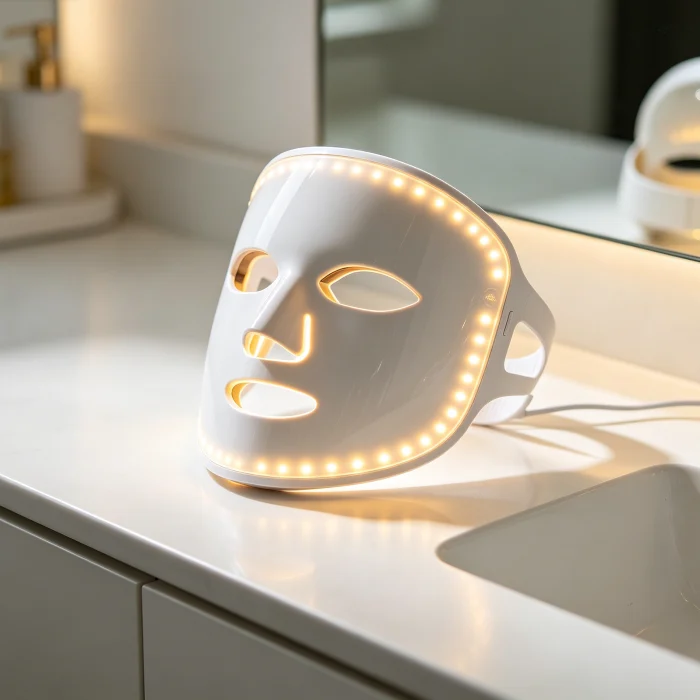
Professional LED sessions use higher power output (often 100-200 mW/cm²) compared to most home devices (20-50 mW/cm²). In-clinic treatments can produce faster results, but at-home masks offer convenience and lower cost. A 2026 comparison by the American Academy of Dermatology noted that consistent home use can achieve 70-80% of the tightening effect of professional treatments. Look for FDA-cleared devices with multiple wavelengths and sufficient irradiance.
Maximizing Your Results: Tips for Better Tightening
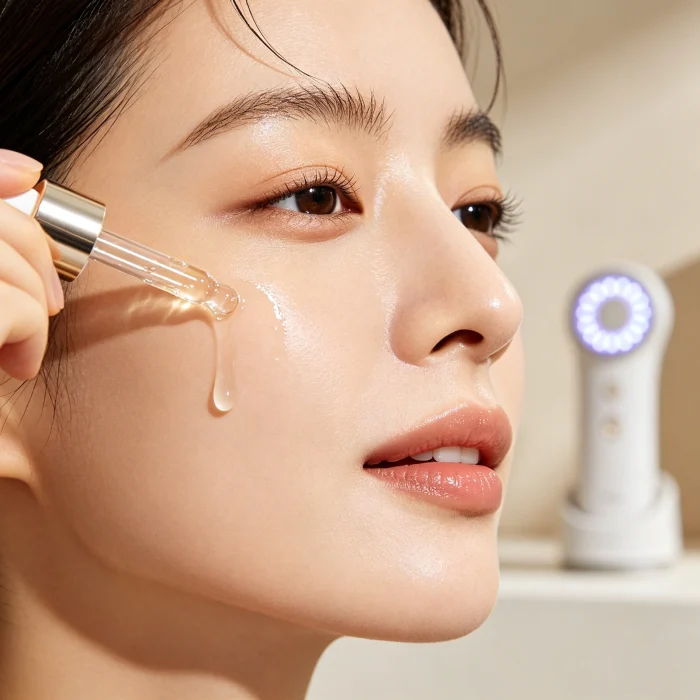
To get the most out of LED light therapy: 1) Cleanse your skin thoroughly before each session—makeup and sunscreen block light penetration. 2) Use a conductive serum or hyaluronic acid to enhance light absorption. 3) Be consistent—missing days reduces cumulative effect. 4) Combine with a healthy diet rich in vitamin C and collagen-boosting nutrients. 5) Avoid overdoing it; 20 minutes per day is sufficient. A 2026 study showed that using an LED mask on clean, damp skin increased collagen synthesis by 30% compared to dry skin.
Who Should Avoid LED Light Therapy?
LED light is generally safe, but certain conditions require caution. People with photosensitivity disorders, those taking photosensitizing medications (like some antibiotics or retinoids), or with active skin cancers should avoid treatment. Pregnant women should consult their doctor. Always wear eye protection—even with closed eyelids, the bright light can be harmful. If you have a history of melasma, near-infrared light may worsen pigmentation in some cases.
Conclusion
LED light therapy is a scientifically validated method to tighten skin by boosting collagen and elastin. While results are gradual and require commitment, the evidence is clear: consistent use of red and near-infrared light can improve skin firmness by up to 25% over three months. For best outcomes, choose a quality device, stick to a routine, and complement with good skincare. If you have severe sagging, consider combining LED with other treatments like microneedling or radiofrequency for enhanced effects.
Frequently Asked Questions
Does LED light therapy work for sagging skin on the neck?
Yes, but the skin on the neck is thinner and more delicate. Use a lower intensity or shorter session time (10-15 minutes) to avoid irritation. Many at-home masks include a neck piece for this purpose.
Can I use LED light therapy every day?
Most devices are safe for daily use, but 5-6 times per week is sufficient. Overuse does not speed results and may cause temporary redness. Follow the manufacturer’s instructions.
What color LED is best for tightening?
Red (630-660 nm) and near-infrared (810-850 nm) are the most effective. Some devices include amber or yellow light, which may help circulation but have less evidence for tightening.
How long do results last after stopping LED therapy?
Collagen production declines gradually once you stop. Maintenance sessions 2-3 times per week can sustain results. Most users see a gradual return to baseline within 3-6 months without any treatment.
Is there an age limit for LED skin tightening?
LED therapy can benefit adults of any age, but it is most effective for mild to moderate laxity. For severe sagging, surgical procedures may be more appropriate. It is not recommended for children.
All Comments 0
Please log in to post a comment.
No comments yet. Be the first to share your thoughts!