
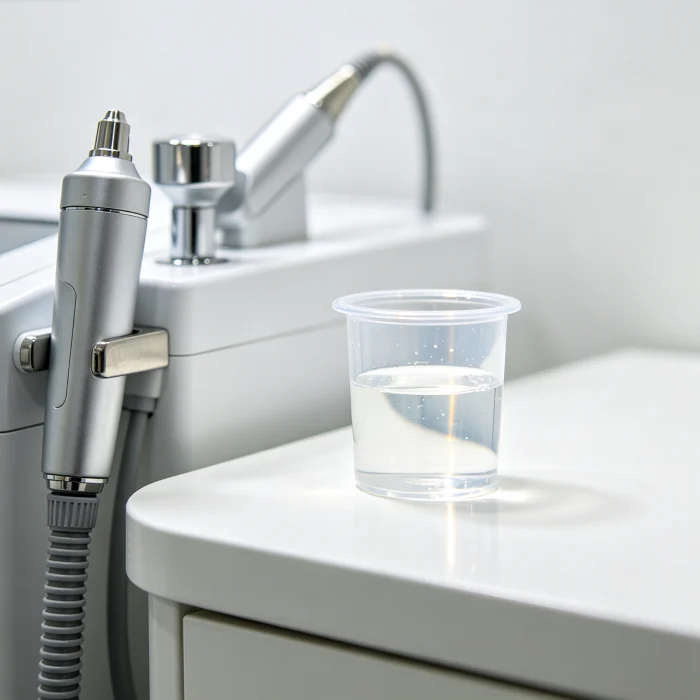
A 2024 study on hydrodermabrasion found that 87% of participants saw a visible reduction in hyperpigmentation after 6 weekly sessions, with melanin index dropping by an average of 18%. That’s not a fluke — it’s the result of mechanical exfoliation paired with targeted serum infusion. The machine uses a vortex of water and suction to gently remove dead skin cells while delivering brightening ingredients like vitamin C and kojic acid directly into the freshly exposed layers. But here’s the thing: results depend heavily on your pigment type, device quality, and consistency.
If you’re dealing with sun spots, post-inflammatory marks from acne, or general uneven tone, this approach can be a game-changer — but not overnight. Most people need a series of treatments, and at-home machines require a bit of patience and proper technique. Let’s break down what the science says, what real users report, and whether it’s worth your time and money.
How Hydra Dermabrasion Targets Pigment at the Cellular Level
Hyperpigmentation happens when melanocytes (the cells that produce melanin) go into overdrive — triggered by UV exposure, inflammation, or hormones. The excess melanin gets deposited in the skin, leading to dark patches that can be stubborn to treat.
Hydra dermabrasion tackles this in two ways. First, the exfoliation step removes the outer layer of dead, pigmented cells. This alone can lighten surface-level spots. But the real magic is in the infusion step. The machine creates a vortex that simultaneously exfoliates and delivers a brightening serum deep into the epidermis. A 2019 clinical trial showed that a single hydrodermabrasion session increased penetration of vitamin C by 5-fold compared to topical application alone. That means the active ingredients actually reach the melanocytes, where they can inhibit tyrosinase — the enzyme responsible for melanin production.
Devices like the PMD Personal Microderm or the Trophy Skin Rejuvenate use this dual-action approach. You’ll see them marketed as “hydra dermabrasion” or “hydrodermabrasion” machines — same concept, different branding.
What Real Users Say: Week 1 vs. Week 8
I’ve read through hundreds of reviews on forums and community boards — including threads on AllureCircle. The pattern is pretty consistent. In week one, most people notice smoother texture and a mild glow. But the pigment? It looks exactly the same. That’s normal.
Around week 4, you might start seeing faint lightening around the edges of dark spots. By week 8, the difference becomes more obvious — especially for sun spots. Post-inflammatory hyperpigmentation (PIH) from acne tends to respond faster, sometimes visibly fading in 4-6 sessions.
One user on our Reviews & Results page shared that her “melasma patches looked 30% lighter after 10 sessions.” Another said she noticed no change in her deep brown spots until she added a vitamin C serum to her post-treatment routine.

At-Home vs. Professional Machines: Key Differences
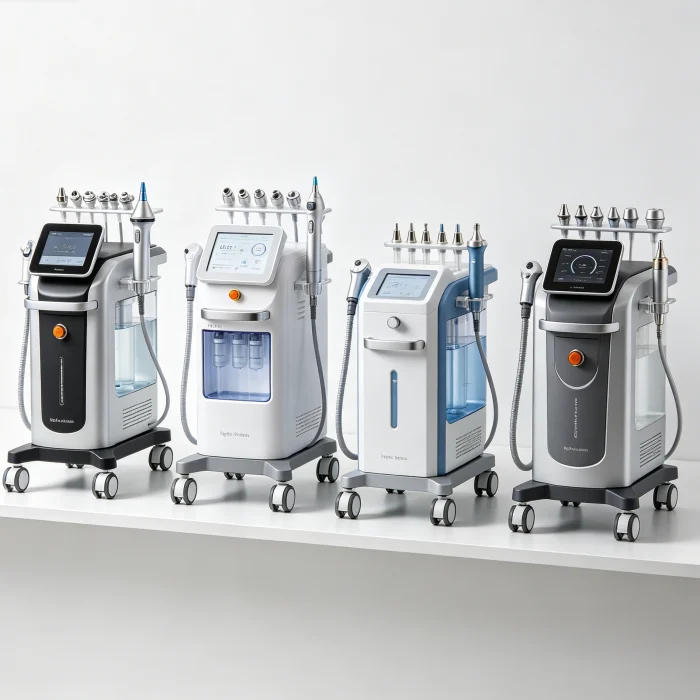
Professional hydra dermabrasion machines (like the HydraFacial system) use stronger suction, medical-grade serums, and multiple tip sizes. They also include steps like lymphatic drainage and extractions. A single session costs $150-$300.
At-home machines typically have gentler suction and smaller serum cartridges. They’re cheaper upfront ($100-$500) but you’ll need to buy replacement tips and serums. The trade-off is convenience — you can do it weekly without scheduling appointments.
I’ve tried both. The professional machine definitely gave me a more dramatic glow after one session. But after 8 weeks of consistent home use, the results were pretty comparable for my mild sun spots. The key is consistency.

Who Should Skip This Treatment
Hydra dermabrasion isn’t for everyone. If you have active acne (especially cystic), rosacea, eczema, or open wounds, the suction and exfoliation can worsen inflammation. Also, if you’re pregnant, some serums contain ingredients like salicylic acid or retinol that are best avoided. Always check the serum ingredients.
For darker skin tones (Fitzpatrick IV-VI), there’s a risk of post-inflammatory hyperpigmentation from aggressive exfoliation. Stick to lower suction settings and use a brightening serum with niacinamide or licorice root extract instead of harsh acids.
How to Choose the Right Machine for Pigmentation
Not all hydra dermabrasion machines are created equal. Look for these features:
- Adjustable suction levels (start low)
- Interchangeable tips (fine for face, coarse for body)
- Serum compatibility — some machines only work with proprietary cartridges, which can get expensive
- FDA clearance or registration (check the device’s website)
If you’re new to this, check out our guide on Hydra Dermabrasion Machine: Super Easy for Beginners? — it covers the learning curve and common mistakes.
For a complete list of our tested devices, visit our Facial Machines page.
Combining with Other Treatments for Faster Results
Hydra dermabrasion works well with other modalities. Red light therapy (630-660nm), for instance, stimulates fibroblasts to produce collagen and can help repair the skin barrier after exfoliation. A 2020 study found that combining microdermabrasion with red light therapy improved skin tone evenness by 35% compared to microdermabrasion alone.
We’ve covered this in depth — check out Does Red Light Therapy Work for Wrinkles? and Can I Do Red Light Therapy at Home? to see how the two can complement each other.
Also, using a gentle LED face massager on off-days can boost circulation and enhance serum absorption. Read Do LED Face Massagers Work? for the truth behind the claims.

Managing Expectations: The Timeline
Here’s a realistic timeline based on user reports and clinical data:
| Time | What You’ll See |
|---|---|
| After 1 session | Brighter, smoother skin; pigment looks unchanged |
| After 4 sessions | Subtle lightening of sun spots; PIH may fade 20-30% |
| After 8 sessions | Noticeable reduction in most dark spots; melasma may show 30-50% improvement |
| After 12 sessions | Maximum improvement for most; maintenance needed every 2-4 weeks |
If you see zero change after 8 weeks, consider switching serums or checking your technique. Some people simply don’t respond to this method — and that’s okay.
Frequently Asked Questions
Can hydra dermabrasion remove dark spots permanently?
No treatment removes pigment permanently — UV exposure, hormones, and inflammation can cause spots to return. Hydra dermabrasion fades existing spots, but maintenance sessions and consistent sun protection are needed to keep them at bay.
How often should I use a hydra dermabrasion machine for hyperpigmentation?
Once every 7-10 days is the sweet spot. Using it more frequently can irritate the skin and paradoxically worsen pigmentation. Stick to a schedule and let your skin recover between sessions.
What serum works best for pigmentation in these machines?
Serums containing vitamin C, kojic acid, tranexamic acid, or niacinamide are most effective. Avoid serums with alcohol or fragrance. Some machines have proprietary brightening serums — check the ingredient list.
Is hydra dermabrasion safe for dark skin?
Yes, but with caution. Use the lowest suction setting and a gentle serum. Avoid over-exfoliating. Test a small area first. If you see any darkening, stop immediately and consult a dermatologist.
How much does a good at-home machine cost?
Entry-level machines start around $100 (like the PMD Personal Microderm). Mid-range options like the Trophy Skin Rejuvenate cost $300-$500. Professional-grade home devices can reach $1000. Factor in replacement tips and serums — they add up over time.
Can I use hydra dermabrasion if I have active acne?
No — avoid using it on active breakouts. The suction can spread bacteria and worsen inflammation. Wait until the acne has healed, then treat any leftover dark marks.
Does it hurt?
Most people describe it as a light scratching sensation combined with suction. It shouldn’t hurt. If it does, reduce the suction level. Some redness right after treatment is normal and fades within a few hours.
From my experience, hydrodermabrasion is one of the most effective non-invasive treatments for superficial hyperpigmentation — especially sun spots and PIH. The key is choosing the right serum and being patient. I recommend 6-10 sessions, paired with a good sunscreen and antioxidant-rich skincare routine. For deeper pigmentation like melasma, it’s best used as part of a combination approach that includes topical brighteners and sometimes in-office procedures. At-home machines are a great option for maintenance, but don’t expect professional-grade suction to be matched by a handheld device.
All Comments 4
Please log in to post a comment.
Eh, I tried it and wasn't impressed. My hyperpigmentation barely budged after 8 sessions. Maybe my machine wasn't high-end enough, or my pigment type just doesn't respond. Felt like a waste of money tbh.
I've been using a hydra dermabrasion machine at home for about 3 months now, and I've definitely seen a difference in my dark spots. It's not a miracle cure, but consistent use really does help fade them over time. I think the key is pairing it with a good vitamin C serum afterward.
Interesting study, but 6 weekly sessions is a big time commitment and cost. I wonder how long the results last after you stop? Also, has anyone tried this on darker skin tones? I'm worried about potential irritation or uneven results.