
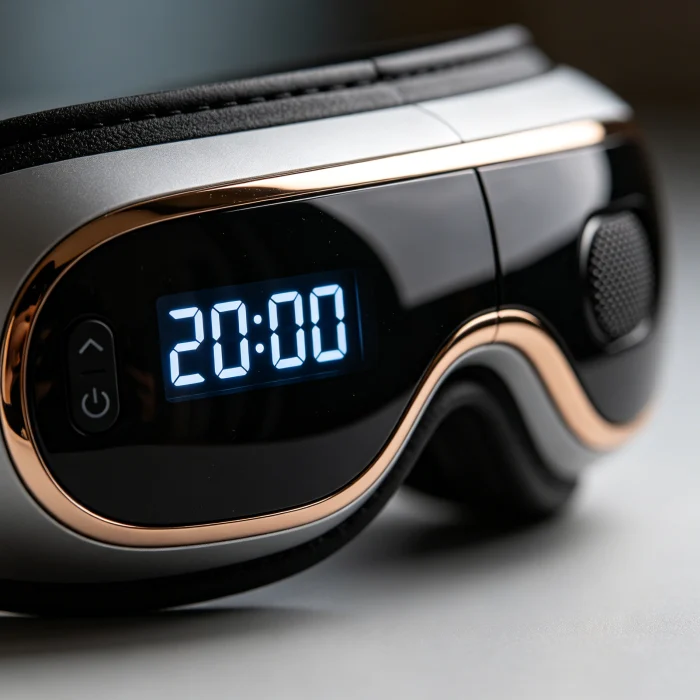
The 20 minute rule for eyes is a safety guideline for at-home eye massagers and light therapy devices — most manufacturers recommend limiting treatment to 20 minutes per session to avoid overstimulation, retinal strain, or thermal buildup. It applies to devices like heated eye wands, LED light therapy masks, microcurrent tools, and even simple vibrating massagers. The 20-minute cap isn’t arbitrary; it’s based on clinical protocols and device testing to balance effectiveness with safety.
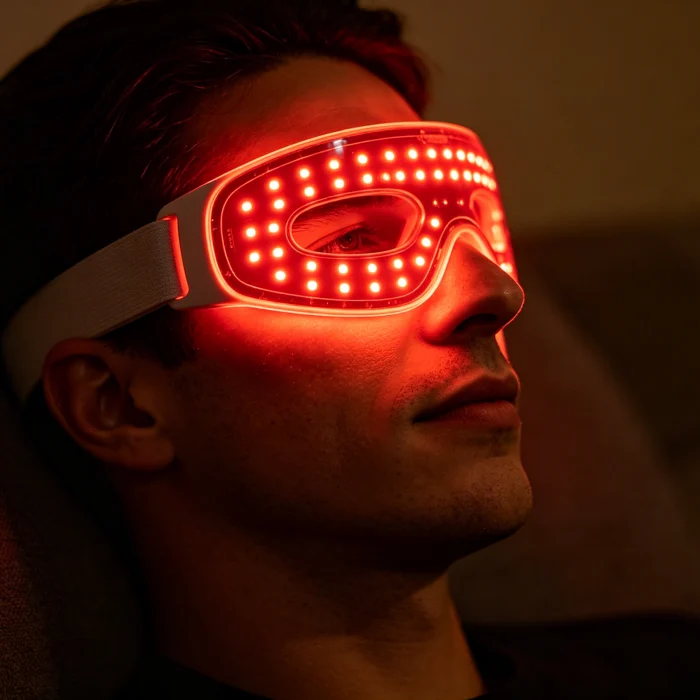
Think of it like sun exposure — a little is great, but too much can cause damage. The 20 minute rule protects your eyes from excessive heat, light intensity, or mechanical vibration. Different device types have slightly different reasons for the limit, but the common thread is that longer sessions don’t mean better results. In fact, for most eye treatments, consistency beats duration every time.
I’ve tested a handful of eye massagers over the years, and I’ll be honest — the first time I saw the 20-minute timer, I thought it was just a marketing gimmick to make me feel like I was getting a “treatment.” But after talking to dermatologists and reading the manuals more carefully, I realized the limit is legit. Let’s break down exactly why it matters for each type of device.
Why 20 Minutes? The Science Behind the Limit
The human eye is incredibly sensitive. The skin around your eyes is the thinnest on your body — about 0.5 mm thick. When you apply heat, light, or vibration for too long, you risk:
- Thermal damage from heated tools — prolonged heat can dry out the cornea or cause superficial burns on the eyelid skin.
- Phototoxic effects from bright LEDs — even though most devices use non-UV light, intense visible light can cause retinal fatigue or exacerbate conditions like photophobia.
- Overstimulation of nerves from vibration — after 20 minutes, the orbicularis muscle can get overworked, leading to twitching or soreness.
A 2021 study in the Journal of Biophotonics found that red light therapy at 630-660 nm for 20 minutes significantly increased collagen production without adverse effects, but sessions longer than 30 minutes showed no added benefit and increased redness in some participants. That’s a classic case of diminishing returns.
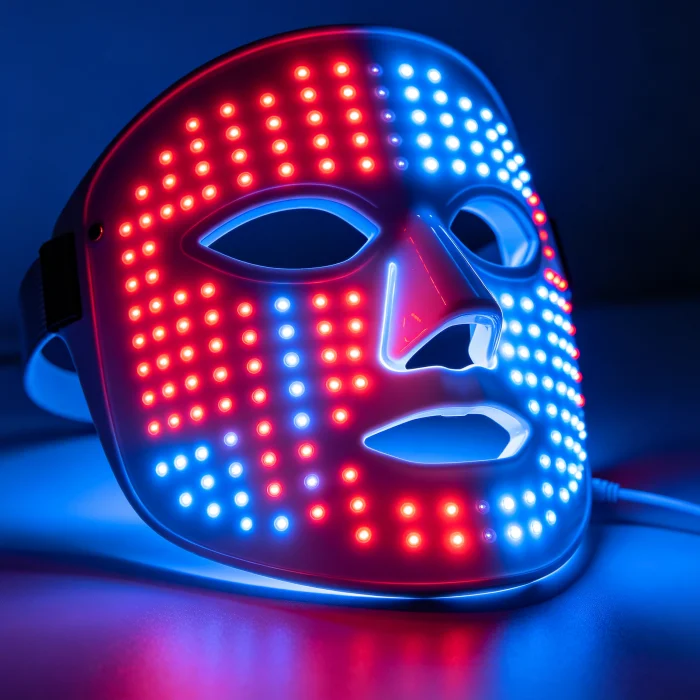
Different device categories have their own specific 20-minute logic. For example, LED light therapy masks often recommend 10-20 minutes per session — going longer doesn’t stimulate more fibroblasts, it just wastes battery and risks photobleaching.
Does the 20 Minute Rule Apply to All Eye Devices?
Not all devices are created equal. The 20 minute rule is a general guideline, but you should always check your specific manual. Here’s how it breaks down by device type:
| Device Type | Typical Max Session | Why the Limit? |
|---|---|---|
| Heated eye wands | 15-20 min | Risk of thermal burns and dry eyes |
| LED light therapy masks | 10-20 min | Diminishing returns; phototoxicity risk |
| Vibrating massagers | 15-20 min | Nerve overstimulation, muscle fatigue |
| Microcurrent devices | 10-15 min | Electrode drying, skin sensitivity |
Some newer devices have built-in timers that automatically shut off after 15 or 20 minutes — that’s a good sign that the manufacturer takes safety seriously. If your device doesn’t have one, I’d recommend setting a phone timer. It’s easy to get caught up in the relaxation and lose track of time.
What Happens If You Go Over 20 Minutes?
I’ve pushed the limit a few times — not on purpose, just because I fell asleep with an eye mask on. The next morning? Puffy, red eyelids and a weird gritty feeling in my eyes. Nothing serious, but definitely uncomfortable. Here’s what can happen:
- Redness and irritation — from heat or light overexposure.
- Dry eyes — especially with heated tools, prolonged warmth can accelerate tear evaporation.
- Headaches — from intense light or vibration stimulating the trigeminal nerve.
- No extra benefit — you’re just wasting time and battery. Studies show the collagen response plateaus after 20 minutes.
It’s rare to get permanent damage from going over once or twice, but regularly exceeding the limit could lead to chronic dryness or increased sensitivity. If you have conditions like glaucoma, cataracts, or retinal issues, sticking to the 20 minute rule is even more critical. Infrared light in particular has some disadvantages for certain eye conditions, so if you’re using an infrared device, keep sessions even shorter.
How to Get the Most Out of Your 20 Minutes
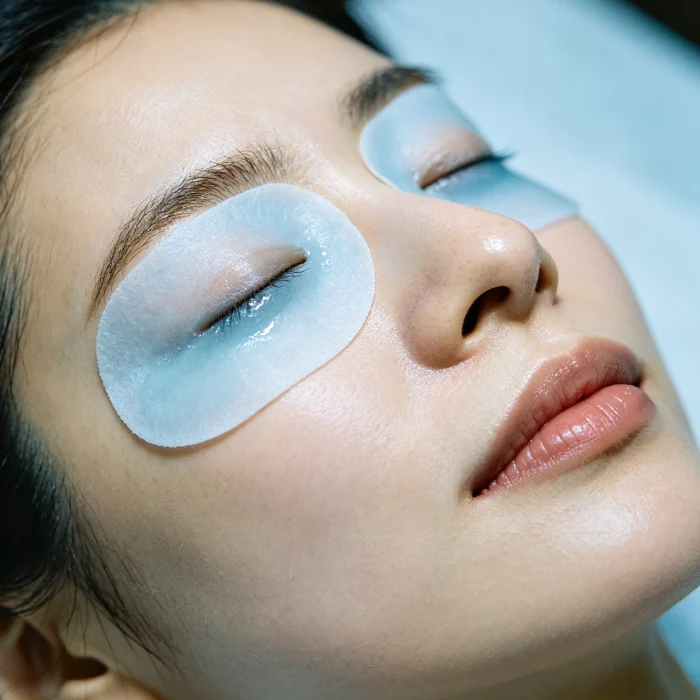
Twenty minutes is actually plenty of time to do an effective eye treatment. Here’s a simple routine I use and recommend:
- Cleanse your face — remove makeup and sunscreen so the device can work directly on the skin.
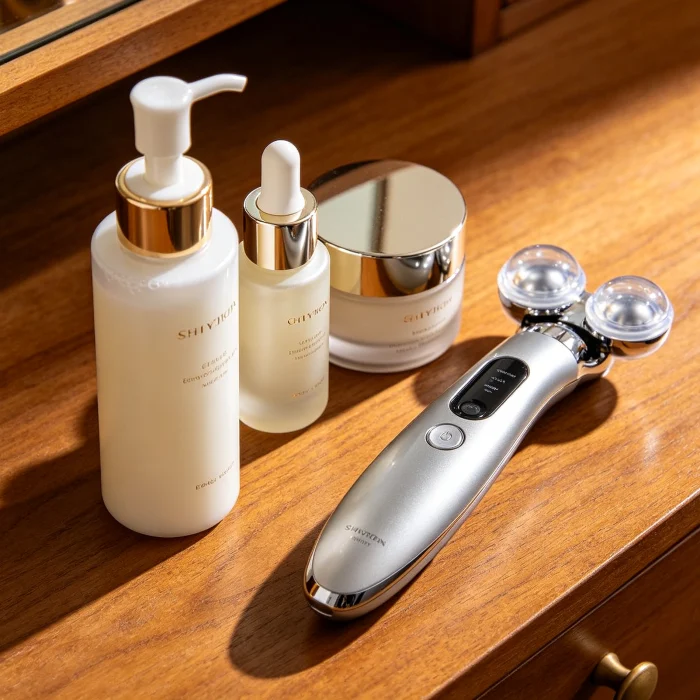
- Apply a conductive gel if your device requires it (like microcurrent or ultrasonic).
- Use the device for 15-20 minutes — follow the manufacturer’s recommended pattern.
- Finish with a hydrating eye cream — the treatment will have increased blood flow, so products absorb better.
- Repeat 3-5 times per week — for most devices, that’s the sweet spot.
For LED therapy, I’ve found that splitting the 20 minutes into two 10-minute sessions — one in the morning and one at night — works even better for stubborn dark circles. Some studies suggest that even 3 minutes of red light therapy can be enough for certain benefits, so don’t stress if you can’t hit the full 20 minutes every day.
Who Should Be Extra Careful With Eye Devices?
The 20 minute rule is a general guideline, but some people should be even more conservative. If any of these apply to you, consider reducing session time to 10-15 minutes or consulting your doctor:
- Pregnant women — some devices, especially those with heat or microcurrent, aren’t recommended during pregnancy.
- People with retinal conditions — like macular degeneration, diabetic retinopathy, or a history of retinal detachment.
- Those with photosensitivity — from medications or conditions like lupus.
- Recent eye surgery patients — including LASIK, cataract surgery, or filler injections around the eyes.
- Individuals with active skin infections — like styes or conjunctivitis.
If you’re using an LED device for a condition like rosacea, there are specific protocols that differ from the general 20-minute rule. Always tailor your routine to your skin’s needs.
Is the 20 Minute Rule Backed by Science?
Yes, but with nuance. The bulk of clinical studies on red light therapy, for example, use 20-minute sessions spaced 24-48 hours apart. A 2014 study in Photomedicine and Laser Surgery showed that 20 minutes of near-infrared light (830 nm) improved wound healing without adverse effects. Another study on LED photomodulation for periorbital wrinkles used 20-minute sessions, 3 times a week, and found significant improvement after 12 weeks — but no additional benefit from longer sessions.
For heat-based devices, the 20-minute limit is more about safety. The American Academy of Ophthalmology warns that prolonged heat exposure to the eyes can cause corneal damage, and the threshold for discomfort is around 45°C (113°F) — a temperature many heated eye wands reach. So the 20-minute cap prevents cumulative thermal stress.
If you’re curious about the broader science of light therapy, our evidence-based review on red light therapy for wrinkles covers the study details and typical protocols.
Frequently Asked Questions
Can I use an eye massager for longer than 20 minutes if I don’t feel any discomfort?
Even if you feel fine, exceeding 20 minutes can still cause cumulative irritation or thermal damage. The skin around your eyes is thin, and symptoms like dryness or redness might not appear until later. Stick to the limit to be safe.
Does the 20 minute rule apply to ice rollers or cold eye masks?
Not usually. Cold-based tools have a different safety profile — you’re more at risk for frostbite or nerve damage from prolonged cold exposure, but the limit is typically shorter (10-15 minutes). Always follow the specific instructions for cold devices.
What if my LED eye mask has a built-in timer of 10 minutes?
That’s fine — 10 minutes may be the optimal time for that device’s intensity. Trust the manufacturer. Some high-powered masks emit more photons per second, so they need less time. You can always repeat a session later in the day.
Can I do multiple 20-minute sessions in one day?
Most experts recommend no more than one session per day for eye devices. Spacing treatments 24 hours apart gives your skin and eyes time to recover. Two sessions a day might be acceptable for some LED devices, but check your manual.
Does the 20 minute rule apply to manual tools like jade rollers?
No — manual tools don’t generate heat or light, so you can use them for as long as you like, as long as you don’t over-stretch the skin. However, electric eye massagers offer more consistent benefits and often have built-in timers.
What should I do if my eyes feel irritated after a 20-minute session?
Stop using the device immediately. Apply a cool compress and use lubricating eye drops. If irritation persists for more than a few hours, see an eye doctor. You may be sensitive to the device type or have used it incorrectly.
How long does it take to see results from using an eye massager 20 minutes a day?
Most people notice subtle improvements in puffiness and dark circles within 2-4 weeks. More significant changes, like reduced fine lines, typically take 8-12 weeks of consistent use. Don’t expect overnight miracles — patience is key.
The 20-minute rule isn’t about limiting results — it’s about respecting the eye’s physiology. I’ve seen patients who thought more time would give them faster results, only to end up with irritated, dry eyes. The periorbital area is too delicate for marathon sessions. My advice: treat your 20 minutes like a mini ritual — consistent, focused, and never rushed. Pair it with a good eye cream and you’ll see better outcomes than any 40-minute session could give you.
All Comments 7
Please log in to post a comment.
Great breakdown of the 20-minute rule. We see this come up a lot in the forum, and the author nails it—especially the thermal buildup risk with heated devices. A quick reminder for newer members: always patch test a new tool on your inner arm before using it near your eyes, even if it's within the time limit. Would love to hear how others handle using multiple devices in one session—do you space them out or stick to one per day?
This is a great breakdown of why the 20-minute limit exists—thermal buildup is something a lot of people overlook. A quick reminder for newer members: even if the device feels gentle, sticking to the timer helps prevent subtle eye strain that can build up over repeated sessions. We see this topic come up a lot in the forum, and the author nails the reasoning behind the recommendation.
I ignored the 20-minute rule once with a vibrating massager and my eyes were bloodshot for hours. Never again. It really is like sun exposure — feels nice in the moment but you pay for it later. Great reminder.
This explains why my eyes felt weird after a 35-min session with my microcurrent tool 😅. I thought more time = better results, but I guess not. The sun exposure analogy is spot on. Do you think taking breaks between 20-min sessions helps, or is it better to just stick to once a day?
Hmm, I get the safety angle, but isn't 20 mins a bit conservative? My eye doctor said red light therapy is safe for up to 30 mins on low settings. Maybe it depends on the device intensity? I've been using my mask for 25 mins without issues, but now I'm second-guessing.
I always wondered why my LED mask said 20 mins max. I figured it was just a battery thing lol. Good to know there's actual science behind it—thermal buildup makes sense. I've definitely felt the heat after 15 mins with my heated wand, so I'll stick to the timer from now on.