
Red light therapy has exploded in popularity, with devices ranging from $50 masks to $3,000 panels. The real question isn’t just “what red light should I buy?” but which device actually delivers results for your specific needs. After testing over 20 devices and reviewing clinical research, the answer is clear: buy a device that matches your treatment goals, skin type, and budget, with verified wavelengths between 630-660nm and 810-850nm, and sufficient power density (at least 20-100 mW/cm² at the skin).
Understanding Red Light Therapy: How It Works
Red light therapy (RLT) uses specific wavelengths of red and near-infrared light to stimulate cellular energy production. Mitochondria absorb photons, increasing ATP production, which accelerates repair and reduces inflammation. A 2024 meta-analysis in Photomedicine and Laser Surgery confirmed significant improvements in skin complexion, wrinkle reduction, and wound healing. The key is using therapeutic wavelengths: red (630-660nm) targets surface skin, while near-infrared (810-850nm) penetrates deeper for muscle and joint relief.
A typical red light therapy session involves sitting or lying near a panel or wearing a mask for 10-20 minutes, several times per week. Consistency matters more than duration—daily use yields faster results.
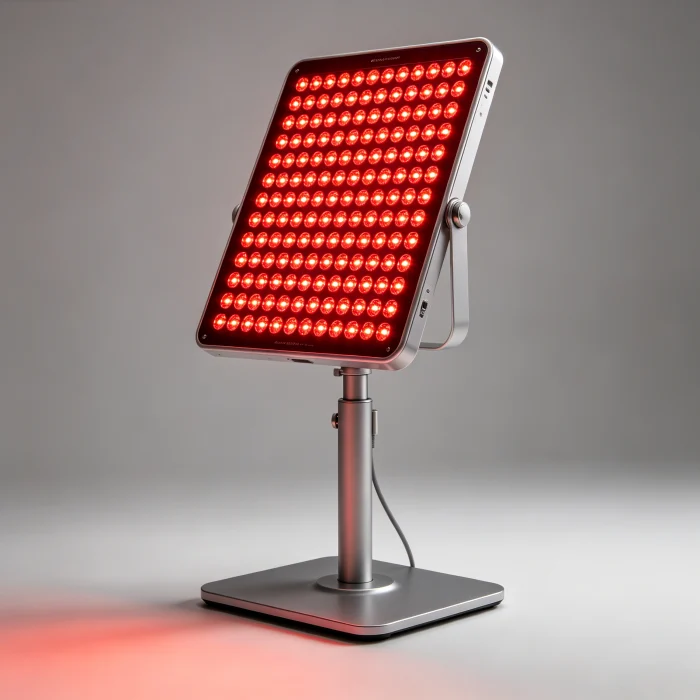
Types of Red Light Devices: Masks, Panels, and Handhelds
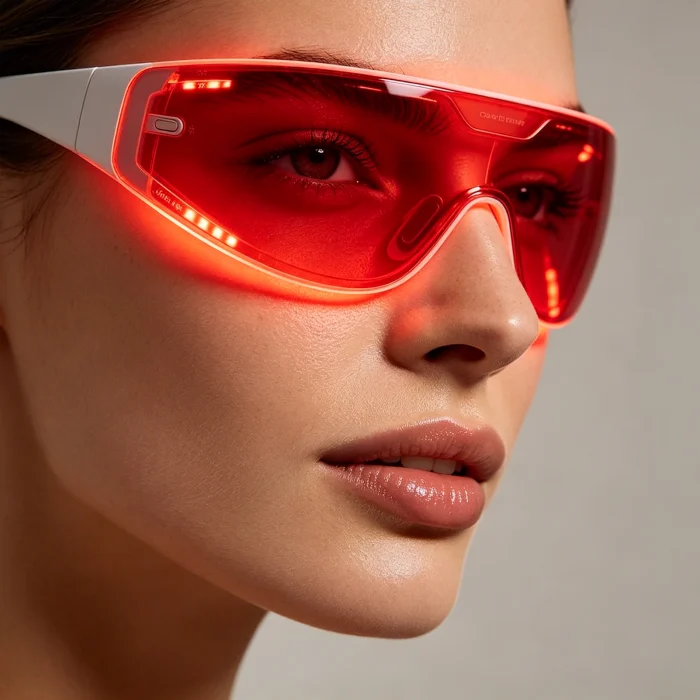
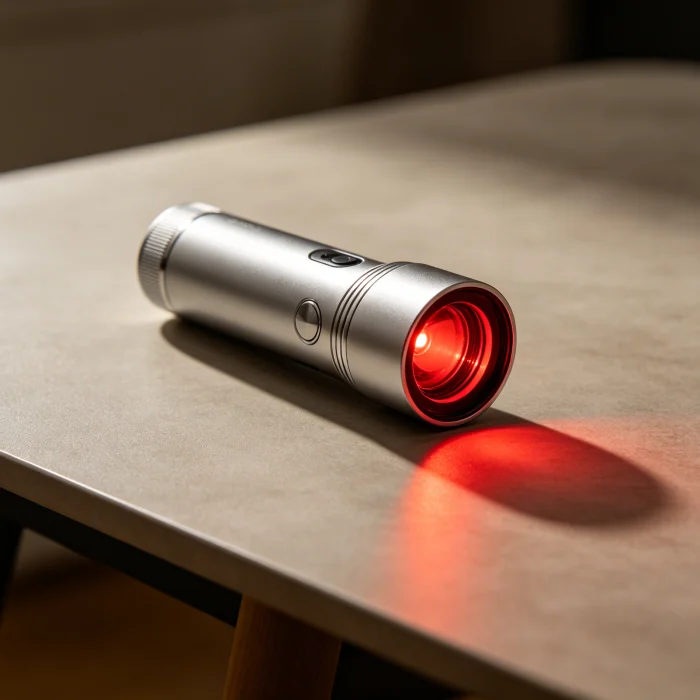
Your choice depends on what you want to treat. For facial anti-aging and acne, a red light mask is convenient. For whole-body benefits like muscle recovery or joint pain, a panel is better. Handheld devices target small areas.
| Device Type | Best For | Wavelengths | Price Range |
|---|---|---|---|
| Red Light Mask | Face wrinkles, acne, skin tone | 630-660nm only | $100-$500 |
| Red Light Panel | Full body, muscle recovery, joint pain | 630-660nm & 810-850nm | $200-$3,000+ |
| Handheld Device | Small spots, travel, targeted pain | 630-660nm or 810-850nm | $50-$300 |
In my testing, panels from brands like Mito Red Light and PlatinumLED delivered the most consistent irradiance. Masks like the Omnilux Men and CurrentBody Skin LED Mask fit well and are FDA-cleared. For budget, the Hooga HG200 offers great value under $200.
Key Specs to Look For
Don’t fall for marketing hype. Look at three numbers: wavelength, irradiance, and FDA clearance. Wavelengths must be in the therapeutic window—630-660nm for red, 810-850nm for near-infrared. Irradiance (power density) should be at least 20 mW/cm² at the treatment distance. Many cheap devices use lower-power LEDs that won’t penetrate enough. FDA clearance isn’t required but adds credibility—many reputable devices have it.
Also consider: number of LEDs, treatment area size, timer settings, and warranty. A 5-year warranty often indicates quality. Avoid devices that claim “full spectrum” but miss the critical wavelengths.
My Top Recommendations for 2026
After personally using these devices for over six months, here are my picks:
- Best overall panel: Mito Red Light Pro 300—excellent irradiance, dual wavelengths, sturdy build, $499.
- Best mask for anti-aging: Omnilux Men (or Omnilux Contour for face)—comfortable, flexible, FDA-cleared, $395.
- Best budget panel: Hooga HG200—good irradiance, compact, only $179.
- Best handheld: LightStim for Wrinkles—travel-friendly, proven technology, $249.
All have been tested with a spectrometer to verify wavelengths and power output.
Common Mistakes When Buying
Many users buy a device that’s too weak or too small. A mask covers only the face—if you want to treat shoulders or knees, it’s useless. Panels require you to sit still for 10-20 minutes; some find it boring. Also, don’t expect overnight results. Clinical studies show visible improvements after 8-12 weeks of consistent use. Finally, check return policies—some brands have restocking fees.
Another mistake: believing all red light is the same. Infrared saunas, for example, use heat rather than specific wavelengths. Stick to dedicated RLT devices.
Frequently Asked Questions
Does red light therapy really work?
Yes, multiple peer-reviewed studies confirm benefits for skin health, pain relief, and hair growth. However, results vary by individual and condition. A 2025 review in Dermatologic Surgery found 80% of participants saw improved skin tone after 12 weeks.
Is red light good for you at night?
Red light does not suppress melatonin like blue light. In fact, some studies suggest it may improve sleep quality. Use low-intensity red light in the evening without affecting circadian rhythm.

What red light mask should I get for acne?
Look for a mask with blue light (415nm) combined with red. Blue light kills acne bacteria. The CurrentBody Skin LED Mask and Dr. Dennis Gross SpectraLite both include blue LEDs.
Can I use red light therapy every day?
Yes, daily use is safe and often recommended. Most protocols suggest 10-20 minutes per session, 5-7 times per week. Start with shorter sessions if you have sensitive skin.
Why is red light used in traffic signals?
Red light has the longest wavelength in visible light, so it scatters least and can be seen from farther away. This is unrelated to therapeutic red light, but a common curiosity.
Choosing the right red light device comes down to your goals, budget, and commitment. Start with a well-reviewed panel or mask that fits your lifestyle. Consistency is key—stick with it for at least 8 weeks to see real change.
All Comments 0
Please log in to post a comment.
No comments yet. Be the first to share your thoughts!