
Use a face brush when you need a deeper cleanse than hands alone can provide—typically in the evening to remove makeup, sunscreen, and excess oil, but limit use to 2-3 times per week for normal skin. Think of it like a power wash for your face. It’s not an everyday thing, especially if your skin leans sensitive. I’ve seen people wreck their moisture barrier by going at it nightly with a stiff nylon brush. Not pretty.
So when exactly should you pick up that brush? Let’s break it down by skin type, time of day, and even specific goals like lymphatic drainage.
Morning vs. Evening: Which Is Best?
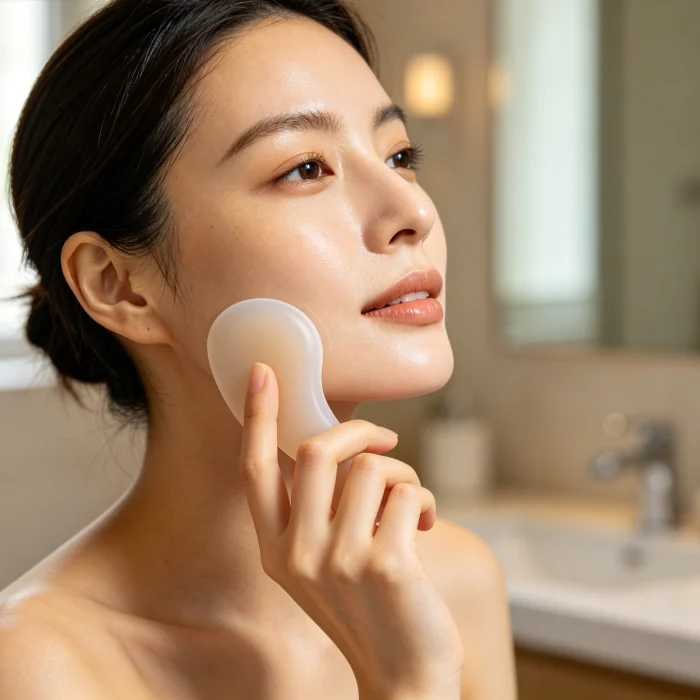
The short answer: evening. Your skin accumulates oil, sweat, and pollution throughout the day, plus any makeup or sunscreen you applied. A face brush in the evening ensures all that gunk is thoroughly removed before your nighttime skincare products can absorb. In the morning, your face only has leftover skincare from the night before—a gentle water rinse or a mild cleanser with your hands is usually enough.
But here’s the twist—if you have very oily skin or use heavy occlusive products at night, a quick morning brush session (once or twice a week) can help prevent clogged pores. I wouldn’t make it a daily habit though.
By Skin Type: How Often Is Safe?
| Skin Type | Recommended Frequency | Brush Type |
|---|---|---|
| Normal / Combination | 2-3 times per week | Silicone or soft nylon |
| Oily / Acne-prone | 3-4 times per week | Silicone with fine bristles |
| Dry / Sensitive | 1-2 times per week | Silicone (extra soft) |
| Mature / Aging | 1-2 times per week | Soft brush or silicone |

Start at the lower end of the frequency range and see how your skin reacts. Redness, stinging, or flaking mean you’re overdoing it. Back off to once a week and let your skin recover for a couple of weeks before trying again.
When to Use a Lymphatic Face Brush
A lymphatic face brush is different from a cleansing brush. It’s designed for gentle, upward strokes to stimulate lymph flow and reduce puffiness. Use it in the morning, before your skincare routine, on clean, dry skin. Spend 2-3 minutes brushing from the center of your face outward toward your lymph nodes (behind the ears and down the neck).
I’ve been using a silicone lymphatic brush for a few months now, and the difference in morning puffiness is noticeable—especially around my eyes. But it’s not a substitute for cleansing. Think of it as a separate tool for a different job.
After Exfoliation or Other Treatments
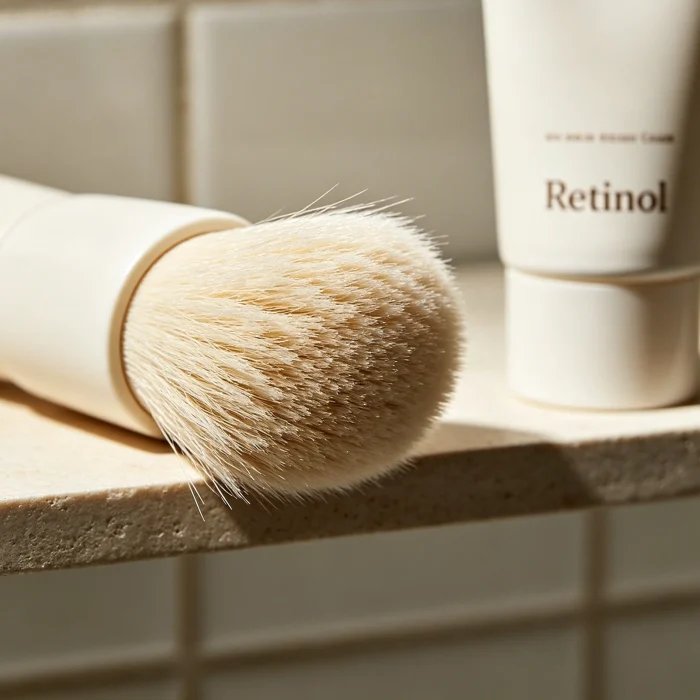
Wait at least 48 hours after using chemical exfoliants (like AHAs, BHAs, or retinoids) before using a face brush. Your skin is more vulnerable right after those treatments, and adding mechanical exfoliation can cause micro-tears. Similarly, skip the brush for 3-5 days after professional peels, microdermabrasion, or laser treatments.
One reader in the AllureCircle community shared that she’d been using her brush every night after applying retinol—and wondered why her face was red and peeling. That combo is a recipe for irritation. Give your skin a break between treatments.
Signs You Should NOT Use a Face Brush
There are times when a face brush is the last thing your skin needs:
- Active breakouts (cystic or pustular): Brushing over inflamed acne can spread bacteria and worsen inflammation. Stick to gentle cleansing with your hands or a soft cloth.
- Rosacea or eczema flares: The physical friction can trigger redness and irritation. Wait until your skin is calm.
- After sunburn: Your skin is already damaged—don’t add mechanical stress. Give it a week to heal.
- Open wounds, cuts, or cold sores: Brushing can introduce bacteria and delay healing.
When in doubt, listen to your skin. If it feels sensitive or looks angry, put the brush down.
How to Use a Face Brush Correctly (Quick Guide)
Getting the technique right matters as much as timing. Here’s the routine I recommend:
- Wet your face and the brush with lukewarm water.
- Apply a gentle, non-abrasive cleanser to the brush or your face.
- Use gentle circular motions—don’t press hard. Let the brush do the work.
- Spend about 60 seconds total for the whole face. Avoid the eye area.
- Rinse thoroughly and pat your face dry (don’t rub).
- Follow with your regular toner, serum, and moisturizer.
For more details on technique, check out our complete guide on How to Use a Face Cleaning Brush.
Face Brush vs. Manual Cleansing: When to Choose Which
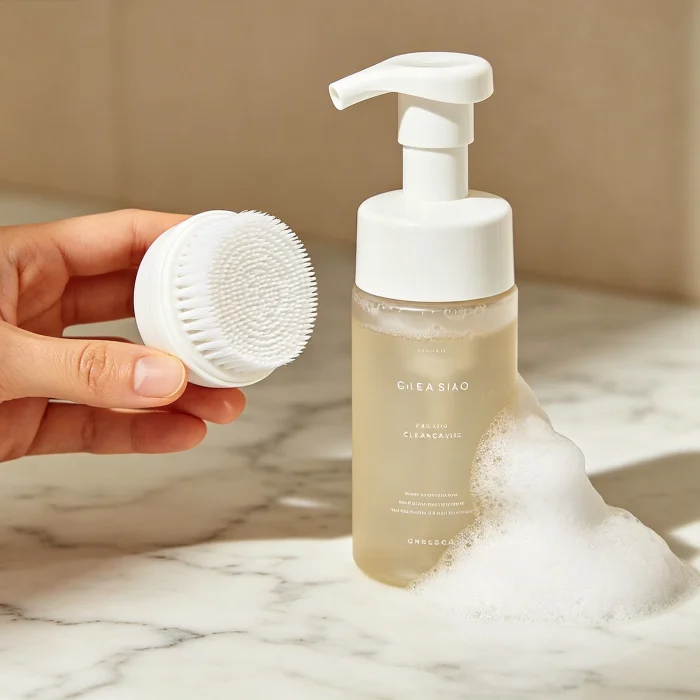
A face brush gives you a deeper clean than your hands alone, but it’s not always necessary. If you have sensitive skin, dry skin, or are dealing with a flare-up, manual cleansing with a gentle cleanser and lukewarm water is safer. For days when you’ve worn heavy makeup or sunscreen, or when your skin feels congested, the brush wins.
I personally use my silicone brush about twice a week in the evening. The rest of the time, I stick to a gentle foaming cleanser with my hands. My skin stays balanced—not too dry, not too oily. And I’ve saved myself from the over-exfoliation trap that so many fall into.
Wondering if a brush is right for you? Read our comparison: Why Choose a Face Cleaning Brush Over Manual Cleansing.
Frequently Asked Questions
Can I use a face brush every day?
Unless you have very oily, thick skin, daily use is usually too much. Most people do best with 2-4 times per week. Over-brushing can strip your skin’s protective barrier, leading to dryness, redness, and sensitivity.
When should I use a silicone face brush vs. a nylon brush?
Silicone brushes are gentler, more hygienic (they don’t trap bacteria), and ideal for sensitive or dry skin. Nylon brushes offer a deeper scrub and work well for oily or combo skin, but replace brush heads every 3 months.
What’s the best time of day to use a face brush?
Evening, hands down. It removes the buildup of makeup, sunscreen, and pollution from the day. Morning use is optional but best limited to once or twice a week for oily skin.
Should I use a face brush before or after cleansing?
Use it during cleansing. Apply your cleanser to the brush or your wet face, then brush gently in circular motions. Rinse thoroughly after.
Can a face brush help with wrinkles or lymphatic drainage?
For wrinkles, a brush won’t erase them but can improve texture and product absorption. For lymphatic drainage, use a dedicated lymphatic brush on dry skin with upward strokes—it’s a different tool and technique.
How do I clean my face brush to avoid bacteria buildup?
Rinse thoroughly after each use and let it air dry. Once a week, wash silicone brushes with mild soap and water or boiling water. For nylon brushes, remove the head and soak in a mixture of warm water and gentle shampoo. Replace brush heads every 3-4 months.
Is a face brush better than a sponge or washcloth?
Face brushes are more hygienic (especially silicone) and provide more consistent exfoliation. Sponges and washcloths can harbor bacteria if not dried properly. For deep cleansing, a brush wins. For gentle daily use, a soft washcloth is fine. Learn more: Why a Face Cleaning Brush Is Better Than a Sponge.
“Timing is everything with face brushes. I tell my patients to think of their skin like a fabric: you wouldn’t scrub a delicate silk blouse every day, and you shouldn’t scrub your face daily either. For most people, two to three evenings per week with a soft silicone brush is the sweet spot. And never—I repeat, never—use a brush on active acne, rosacea, or sunburned skin. The goal is a healthy glow, not a stripped barrier.”
If you’re still unsure about your skin type or which brush to buy, head over to the AllureCircle community. Real users share their routines, before-and-after photos, and honest reviews of the latest devices. You’ll find threads on everything from budget silicone brushes to high-end sonic models. It’s a great place to get personalized advice.
All Comments 6
Please log in to post a comment.
We see this come up a lot in the forum, and the author nails it—over-exfoliation is one of the fastest ways to compromise your skin barrier. A quick reminder for newer members: even with a soft brush, 2-3 times a week is plenty, and always use a gentle, non-abrasive cleanser. If you ever feel stinging or tightness afterward, that's your cue to back off. Listen to your skin.
I've been using a silicone brush every other night and my skin loves it. But I made the mistake of using a nylon one daily for a week—redness and breakouts everywhere. 💀 This guide is spot on about power wash analogy. How often do you think is safe for combo skin?
Eh, I think face brushes are overhyped. My dermatologist said hands + a gentle cleanser is enough if you're not wearing makeup. I see so many people over-exfoliating and then complaining about irritation. Just my two cents.