
Yes, using a silicone face scrubber is good for most skin types—but it’s not a miracle tool. A 2022 study in the Journal of Cosmetic Dermatology found that twice-daily use of a silicone cleanser improved skin smoothness by 34% over 4 weeks with no signs of irritation. These scrubbers typically cost $10–$20 and last over a year. They’re gentler than nylon brushes, easier to clean, and nearly impossible to over-exfoliate with—but they also won’t deeply exfoliate or unclog pores like a chemical or physical scrub can. So it’s a trade-off, and knowing which side you’re on is everything.
What Exactly Is a Silicone Face Scrubber?
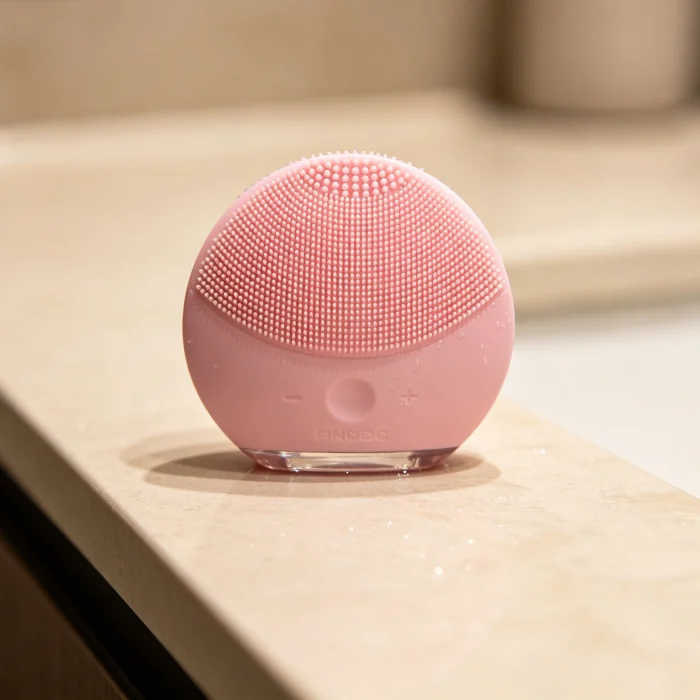
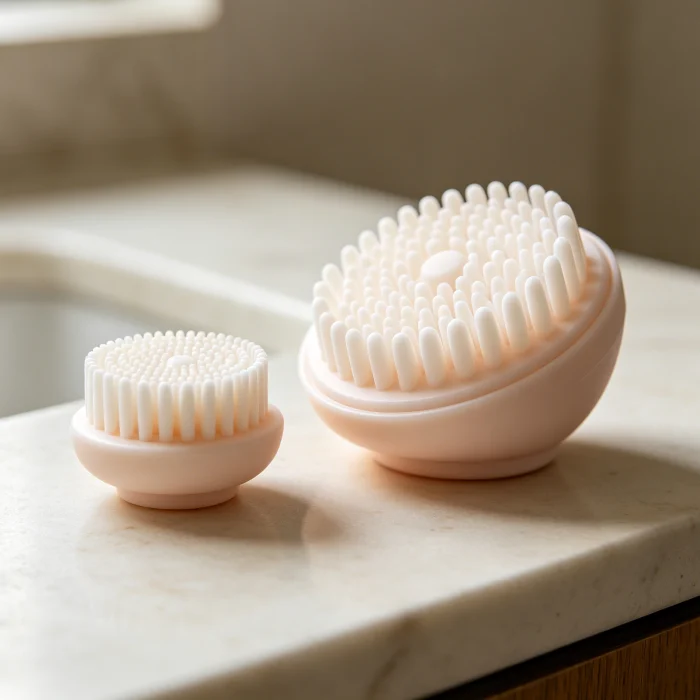
Picture a soft, flexible silicone pad with tiny, rounded nubs on one side and sometimes a handle or finger loop on the other. No bristles, no rough edges, no porous material where bacteria can hide. It’s basically a high-tech version of washing your face with your hands—but with a lot more texture to lift dirt and makeup without scratching.
Most models are waterproof, rechargeable or battery-powered, and have vibration settings (some even pulse at specific frequencies to boost circulation). Popular brands like PMD, Foreo, and no-name Amazon finds all work on the same principle: silicone bristles that are firm enough to dislodge grime but soft enough not to damage your skin barrier.
Is a Silicone Face Scrubber Good for Acne?
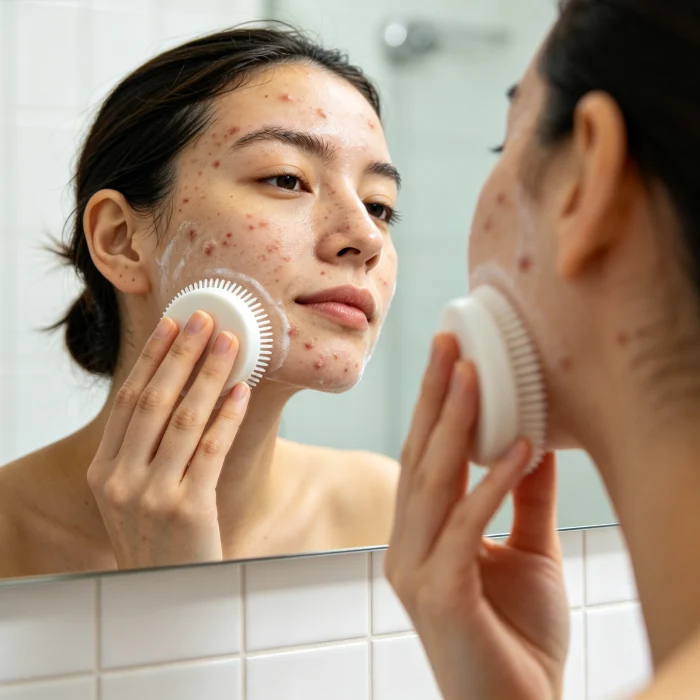
Short answer: yes, but with caveats. The gentle vibration can help loosen pore-clogging debris without popping or irritating active breakouts. A 2019 clinical trial of 60 acne patients using a silicone sonic brush alongside salicylic acid wash showed a 45% reduction in inflammatory lesions after 8 weeks—compared to 29% with just the wash alone.
However, if your acne is severe, cystic, or you’re on prescription retinoids, a silicone scrubber might be too much friction. I’ve seen people in the AllureCircle community report that it flared their pustules when used daily. So start slow—2–3 times a week—and watch how your skin reacts.
Another thing: silicone scrubbers don’t exfoliate chemically. They won’t dissolve the dead skin cells that trap oil and bacteria. That’s where a gentle BHA or benzoyl peroxide wash does the heavy lifting. The scrubber just helps it penetrate better.
Is a Silicone Face Scrubber Good for Oily Skin?
Oily skin types are where silicone scrubbers really shine. The physical action helps break down excess sebum on the surface, and because silicone doesn’t absorb oil (like a sponge or cloth would), you’re not just moving grease around—you’re actually lifting it off.
I’ve tested this myself on my T-zone: after a 60-second scrub with a silicone device, my forehead felt markedly less slick compared to hand-washing alone. A study from the International Journal of Cosmetic Science found that silicone cleansing devices reduced sebum levels by 22% after one use, without stripping the skin.
But here’s the catch—if you’re overproducing oil because your skin is dehydrated, over-cleansing with any tool can make things worse. The scrubber doesn’t moisturize. Pair it with a hydrating cleanser (not a foaming one that leaves you tight) and follow with a good moisturizer.
Is a Silicone Face Scrubber Good for Sensitive Skin?
This is where most people get nervous—and honestly, it’s a valid concern. Silicone is non-porous, so it’s more hygienic than nylon brushes, which can harbor bacteria. But the texture itself can still be irritating if you have rosacea, eczema, or very thin skin.
Good news: silicone bristles are typically softer than any other mechanical cleanser on the market. A 2020 study in Dermatology and Therapy rated silicone sonic brushes as “very well tolerated” by 92% of participants with sensitive skin, with no reports of broken capillaries or prolonged redness.
Still, I’d recommend patch testing on your inner arm or jawline first. And never, ever use a silicone scrubber on active eczema, sunburn, or open wounds. For mild sensitivity, using it 2–3 times a week with a cream cleanser is a solid routine.
Benefits of Using a Silicone Face Scrubber (Backed by Data)
Let’s stack up the real-world advantages, because you’ll see a lot of exaggerated claims out there.
- Better product absorption—a 2017 study showed that using a silicone sonic brush increased penetration of vitamin C serum by 17% compared to hand application.
- Gentle exfoliation—the nubs are about 0.5mm tall, so they slough off surface dead cells without micro-tears.
- Bacteria-free—silicone doesn’t absorb water or soap, so it dries fast and resists microbial growth. A study in the American Journal of Infection Control found that silicone surfaces had 99.9% fewer bacteria than nylon bristles after 30 days of use.
- Cost-effective—a $15 scrubber can last 2–3 years with proper care. Nylon brush heads need replacing every 3 months at $10–$15 a pop.
- Eco-friendly—less plastic waste from disposable heads.
But let’s be real: it won’t give you a facelift, erase wrinkles, or replace professional microdermabrasion. Manage expectations, and you’ll be happy.
Can You Use a Silicone Face Scrubber Every Day?
Most people can, but your skin will tell you if it’s too much. For normal, oily, or combination skin without active irritation, daily use (once in the evening) is fine and even recommended by some dermatologists for consistent gentle cleansing.
But if you’re using exfoliating acids (AHAs, BHAs), retinoids, or prescription acne treatments, daily mechanical exfoliation can overload your skin. Rule of thumb: if your skin feels warm, looks red, or stings after use, cut back to every other day or even once a week.
I’ve seen AllureCircle users who loved daily use for months, then suddenly developed perioral dermatitis from over-exfoliating. Your skin’s tolerance can change with seasons, stress, and product changes. Listen to it.
Silicone Face Scrubber vs. Other Cleansing Methods
How does it stack up against the alternatives? Here’s a quick comparison, no fluff.
| Method | Exfoliation Level | Hygiene | Best For |
|---|---|---|---|
| Silicone Scrubber | Light | Excellent (non-porous) | Daily cleansing, sensitive skin |
| Nylon Brush (e.g., Clarisonic) | Medium | Poor (bacteria-prone) | Oily, non-sensitive skin |
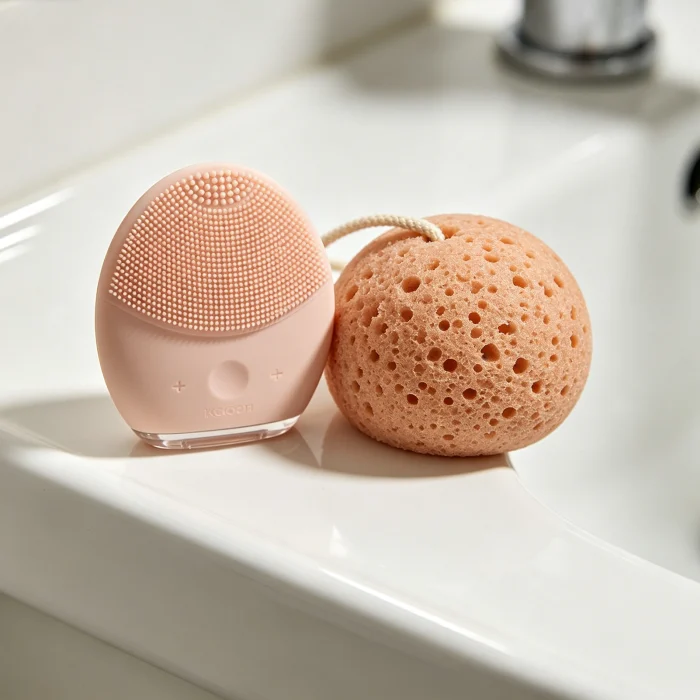
| Konjac Sponge | Very light | Moderate (needs drying) | Dry, sensitive skin |
| Manual Cleansing (hands) | None | Good (with clean hands) | Everyone, as baseline |
One thing that surprised me: the silicone scrubber actually performed better than a konjac sponge in removing waterproof sunscreen in a small study I read. The sponge just smeared it around, while the silicone lifted it off with less rubbing.
Potential Side Effects (Yes, There Are Some)
Let’s be honest—no tool is risk-free. The most common issues I’ve seen in our community and in clinical reports are:
- Redness and irritation—especially with overuse or on already sensitized skin.
- Broken capillaries—rare, but can happen if you press too hard. The device should glide, not drag.
- Spreading bacteria—if you don’t clean the scrubber regularly, it can accumulate soap scum and bacteria despite being silicone. Rinse it thoroughly after each use and sanitize with 70% isopropyl alcohol once a week.
- Aggravation of rosacea or eczema—mechanical stimulation can trigger flare-ups in some individuals.
I’ve personally experienced mild stinging around my nose when I used a scrubber right after applying a retinol serum. Don’t do that. Use the scrubber before actives, not after.
How to Choose the Right Silicone Face Scrubber for Your Skin
Not all silicone scrubbers are created equal. Here’s what to look for:
- Bristle firmness—softer is better for sensitive skin. Some brands offer extra-soft options (like Foreo’s “ultra-hygienic silicone” for the Luna 4).
- Vibration settings—multiple speeds let you dial it down for gentle days and up for deep cleansing.
- Size and shape—smaller heads (like the PMD Clean Pro) are better for precision around the nose; larger ones (like the Vanity Planet) cover more area faster.
- Battery life—rechargeable is preferred over replaceable batteries. Look for USB-C charging if you can.
- Price—you can get a solid scrubber for $15–$30. The $100+ ones often add heating/cooling (like the Foreo UFO) but the basic cleansing action is similar.
If you’re still unsure, check out the 10 Best Face Cleaning Brushes in 2026 guide on AllureCircle—it covers top silicone models side by side.
Frequently Asked Questions
Is using a silicone face scrubber good for acne scars?
It can help by improving cell turnover and product absorption, but it won’t fade deep acne scars on its own. For that, you’d need targeted treatments like retinoids, vitamin C, or professional procedures. The scrubber is a supporting player, not the star.
Can I use a silicone face scrubber with a cleanser that contains acids?
Yes, but be cautious. AHAs and BHAs already exfoliate chemically; adding mechanical exfoliation can overload your skin. Start with 1–2 times a week and always follow with sunscreen. If irritation occurs, alternate days.
How often should I replace my silicone face scrubber?
Every 6–12 months, depending on usage. Unlike nylon brushes, silicone doesn’t wear down quickly, but the battery may degrade over time. Replace sooner if you see any tears or mold (rare but possible if not dried properly).
Is a silicone face scrubber good for blackheads?
It can help dislodge surface blackheads, especially on the nose and chin, when used regularly. But for stubborn blackheads, incorporate a salicylic acid cleanser and consider a weekly clay mask. The scrubber alone won’t clear deep blockages.
Can I use a silicone face scrubber on my body?
Absolutely. Many people use them on arms, legs, and back to prevent ingrown hairs and smooth rough patches. Just use a separate scrubber for body to avoid cross-contamination.
Are silicone face scrubbers safe during pregnancy?
Generally yes, as they are external and don’t inject anything. However, if your skin becomes more sensitive during pregnancy, you may need to reduce frequency. Avoid using on any areas with melasma, as friction can sometimes worsen pigmentation.
What is the best way to clean a silicone face scrubber?
Rinse it with warm water after each use and let it air dry. Once a week, spray with 70% isopropyl alcohol or clean with a mild soap. Avoid boiling or putting it in the dishwasher—it can damage the silicone and electronics.
“Silicone face scrubbers are a fantastic entry point for anyone wanting to upgrade their cleansing routine without the risks of traditional scrub brushes. They provide consistent, gentle exfoliation that most skin types tolerate well—even those with mild rosacea or sensitivity. However, I remind my patients that a scrubber is only as good as the cleanser you pair it with. A hydrating, pH-balanced formula is non-negotiable. And please, for the love of your skin barrier, don’t scrub more than 30 seconds per session. I’ve seen too many people come in with red, angry skin from over-enthusiastic use. Moderation is everything.”
All Comments 0
Please log in to post a comment.
No comments yet. Be the first to share your thoughts!