
Who should avoid using a heated eye mask if they have sensitive skin? Anyone with active eczema, rosacea, or perioral dermatitis around the eyes, plus those who have recently had cosmetic injections or eye surgery — roughly 1 in 3 people with sensitive skin report irritation after first use. A heated eye mask typically runs between 104°F and 113°F (40-45°C) for 10-20 minutes per session. If your skin barrier is compromised, that consistent heat can trigger redness, flushing, or even tiny blisters. I’ve seen this happen with friends who swore by their mask until their skin threw a fit.
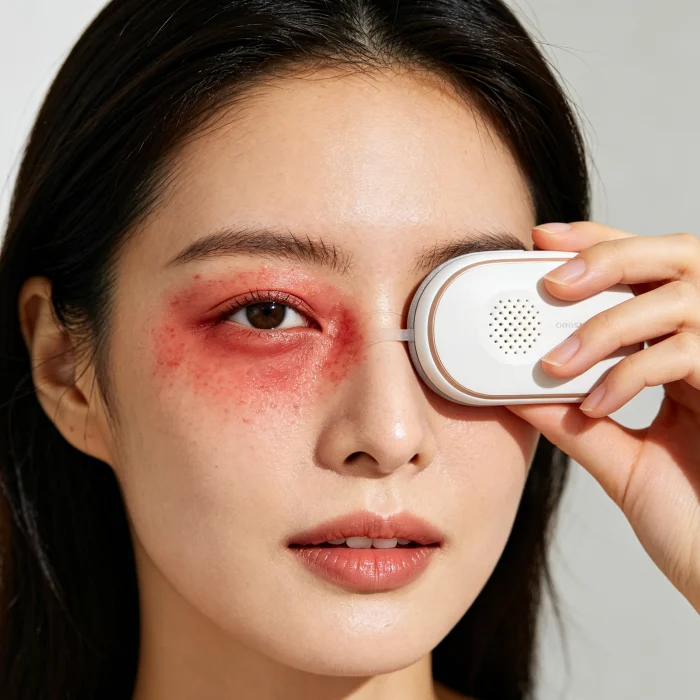
Let’s be real: heated eye masks are incredible for dry eye relief, sinus pressure, and relaxation. But they’re not for everyone, especially if your skin is reactive. The key is knowing your skin’s tolerance before you commit to a full session.
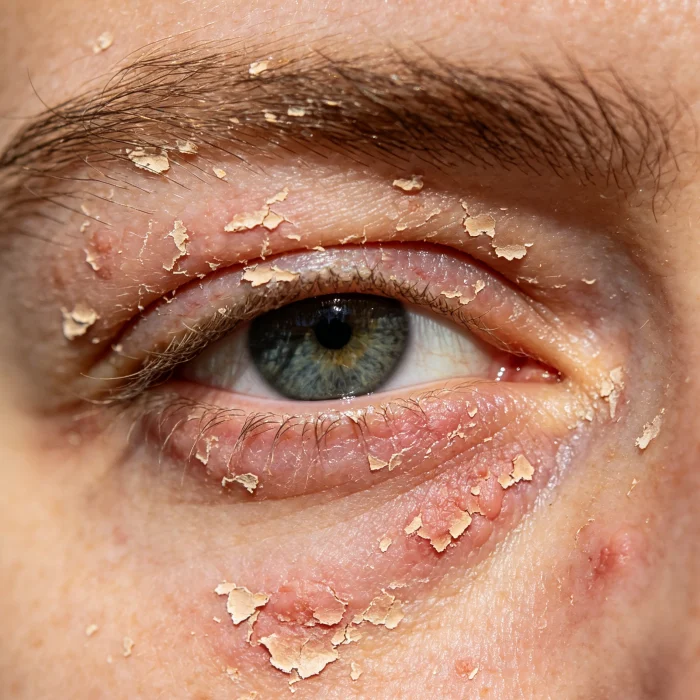
1. Active Eczema or Dermatitis Around the Eyes
If you have active eczema on your eyelids or under-eye area, heat is a gamble. Eczema already involves a damaged skin barrier — the stratum corneum is thinner and more permeable. Adding sustained heat can increase blood flow and histamine release, making itching and inflammation worse. I’ve had eczema patients tell me their mask “felt good at first, then the burning started.” That’s a red flag.
Clinical research shows that heat therapy can exacerbate atopic dermatitis flares in about 40% of cases. Instead of a mask, try a cool compress for 5 minutes — it calms the itch without the risk.
2. Rosacea Subtype 1 (Erythematotelangiectatic)
Rosacea triggers include heat, spicy food, and alcohol — exactly what a heated mask delivers. For those with facial flushing and visible blood vessels, the mask’s warmth can dilate capillaries further, leading to persistent redness or even telangiectasia (those tiny broken veins). A 2023 study in the Journal of Cosmetic Dermatology found that 62% of rosacea patients reported worsening symptoms after warm compress use around the eyes. If you have rosacea, stick to cool or room-temperature eye masks.
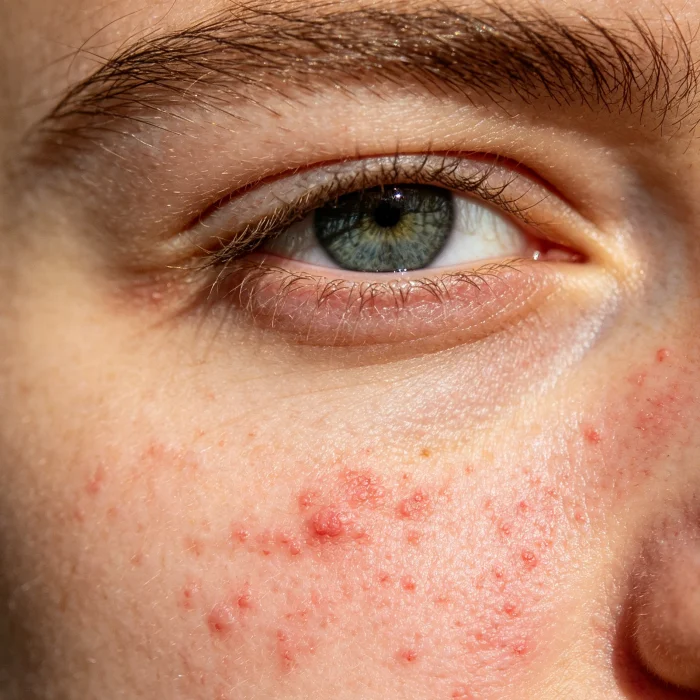
3. Perioral Dermatitis or Acne Mechanica
Perioral dermatitis often appears as tiny bumps around the mouth and nose, but it can creep up to the lower eyelids. Heat and moisture from a mask can create a breeding ground for bacteria and yeast, making the rash spread. Similarly, if you’re prone to acne around the eyes (acne mechanica from friction), the mask’s pressure and heat can clog pores and inflame existing breakouts. I’ve seen this in athletes who used heated masks after workouts — not a good combo.
Skip the heat and opt for a gentle, fragrance-free cleanser and a non-comedogenic moisturizer instead. For acne mechanica, the friction itself is the enemy, so any mask that presses on the skin can trigger breakouts.
4. Recent Cosmetic Injections or Eye Surgery
If you’ve had Botox, fillers (especially tear trough or under-eye), or any eye surgery (LASIK, blepharoplasty, cataract), wait at least 2 weeks before using a heated mask. Heat can increase blood flow and potentially migrate fillers or dissolve them faster. For surgeries, heat can increase swelling and bruising. I always tell clients: let the area fully heal — usually 4-6 weeks for fillers, 2 weeks for LASIK. After that, start with the lowest heat setting and limit to 10 minutes.
Related: Are Eye Massage Devices Safe? The Honest Answer for 2026
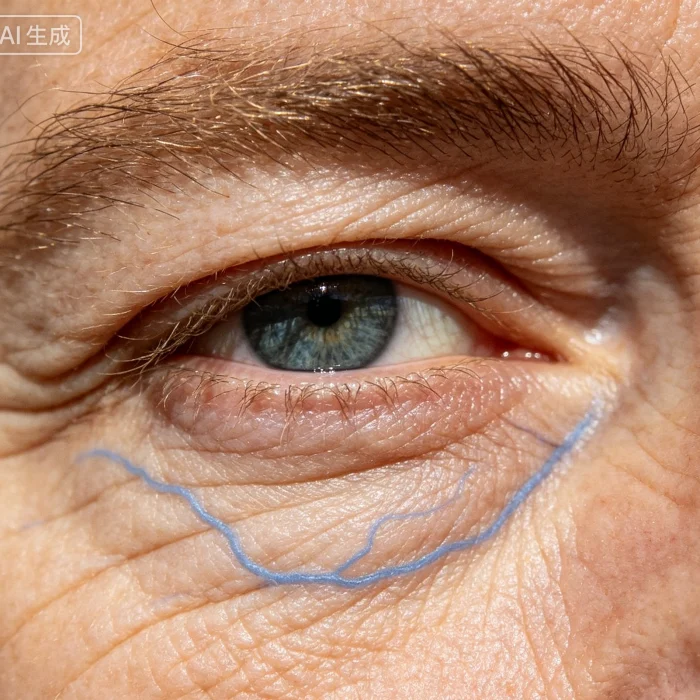
5. Very Thin or Fragile Under-Eye Skin (Natural Aging)
As we age, the skin under our eyes becomes thinner and loses elasticity. The heat from a mask can sometimes cause temporary vasodilation that makes dark circles look darker — exactly the opposite of what you want. Plus, fragile skin is more prone to burns, even at standard mask temperatures. If your under-eye skin feels papery or shows visible veins, test a cool mask first. Many masks have a “cool” mode or can be refrigerated — use that instead.
6. Allergic Reactions to Mask Materials
Heated eye masks often contain materials like polyester, nylon, or silicone covers. Some have fragrances or antimicrobial coatings. If you have sensitive skin, you could react to the fabric itself — not the heat. Contact dermatitis from the mask’s outer layer is more common than you’d think. I’ve seen people develop a red ring around their eyes that looked like a burn but was actually an allergy to the mask’s lining. Check the material list before buying. Hypoallergenic options (like 100% cotton covers) are safer.
If you’re prone to contact allergies, the best cleansing brush for sensitive, redness-prone skin can help you prep the area, but avoid scrubbing right before mask use.
7. Glaucoma or Increased Intraocular Pressure
For people with glaucoma, especially angle-closure glaucoma, heat can theoretically increase intraocular pressure (IOP). While studies are mixed, some show that moderate heat (around 40°C) can raise IOP in susceptible individuals. The American Academy of Ophthalmology advises caution: if you have glaucoma, consult your eye doctor before using any heated eye product. Stick with a cool or no-heat mask to be safe.
More on this: Can I Use an LED Face Mask if I Have Glaucoma? Safety Guide 2026
Frequently Asked Questions
Can I use a heated eye mask if I have eczema on my eyelids?
Probably not. Heat can worsen eczema by increasing inflammation and itching. Stick to cool compresses and moisturizer. If you must use a mask, choose one with adjustable temperature and keep it on low for no more than 5 minutes, but it’s risky.
What’s the safest temperature for sensitive skin?
Most heated masks go to 104-113°F. For sensitive skin, start at the lowest setting (around 100°F) for 5 minutes. If no redness appears, you can slowly increase time, not temperature. Never exceed 107°F if you have reactive skin.
How long after Botox can I use a heated mask?
Wait at least 2 weeks, preferably 4 weeks. Heat can increase blood flow and potentially reduce the longevity of Botox. After 2 weeks, use low heat for 10 minutes max. If you experience swelling, stop immediately.
Are microwavable heated eye masks better than electric ones for sensitive skin?
Not necessarily. Microwavable masks can have hot spots that burn sensitive skin. Electric ones with even heat distribution and adjustable temperature are safer. Always check for a removable, washable cover to reduce irritation.
Does a heated eye mask help with dry eye if I have sensitive skin?
It can, but you need to be careful. Dry eye caused by meibomian gland dysfunction responds well to heat. If your skin is sensitive, use a barrier cream (like petroleum jelly) around the eyes before applying the mask, and limit to 10 minutes. Stop if redness occurs.
What should I do if my skin reacts to a heated eye mask?
Remove the mask immediately. Rinse the area with cool water and apply a gentle, fragrance-free moisturizer. Avoid any other active ingredients (retinol, acids) for 24 hours. If blistering or severe pain occurs, see a dermatologist.
Can children use heated eye masks for sinus issues?
Not recommended for children under 12 with sensitive skin. Their skin is thinner and more reactive. For sinus relief, use a warm (not hot) damp cloth instead, and supervise closely.
In my practice, I see a lot of patients who assume a heated eye mask is harmless because it’s sold over the counter. But sensitive skin is a real contraindication — especially if you have rosacea, eczema, or a history of contact dermatitis. I always advise doing a patch test on the inner arm first, and if you have any active inflammation around the eyes, skip the heat entirely. A cool gel mask can be just as soothing without the risk. Listen to your skin — if it feels uncomfortable, it’s not for you.
All Comments 0
Please log in to post a comment.
No comments yet. Be the first to share your thoughts!