
An eye massager can help reduce eye pressure caused by eye strain, but it won’t lower intraocular pressure (IOP) linked to glaucoma. A 2019 study in JAMA Ophthalmology found that a 5-minute massage reduced IOP by about 1-2 mmHg temporarily—not enough for medical treatment. These devices work best for tension headaches, digital eye strain, and puffiness, not for chronic eye conditions. Think of them as a relaxation tool, not a medical device.
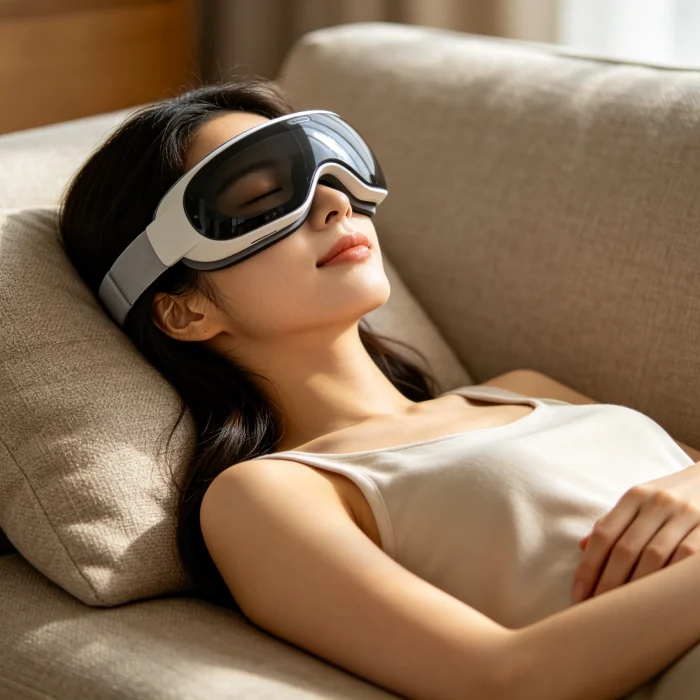
What “Eye Pressure” Actually Means
There’s a big difference between “my eyes feel heavy and tired” and “my eye pressure is too high.” Most people searching for eye pressure relief mean the first one—that achy, strained feeling after staring at screens all day. An eye massager targets that by gently compressing the muscles around your eyes, boosting blood flow, and encouraging lymphatic drainage.
But if you have actual elevated IOP (measured by a tonometer at the eye doctor), an eye massager isn’t a treatment. Glaucoma is a serious condition that requires prescription eye drops or surgery. Massaging your eyes could even be risky if you have certain eye diseases—more on that later.
How Eye Massagers Work on Strain and Tension
Most electric eye massagers use a combination of air compression, heat, and vibration. The air bags inflate and deflate in a pattern that mimics a real massage—pressing on your temples, brow bone, and under-eye area. This helps relax the tiny muscles that clench when you focus on a screen for hours.
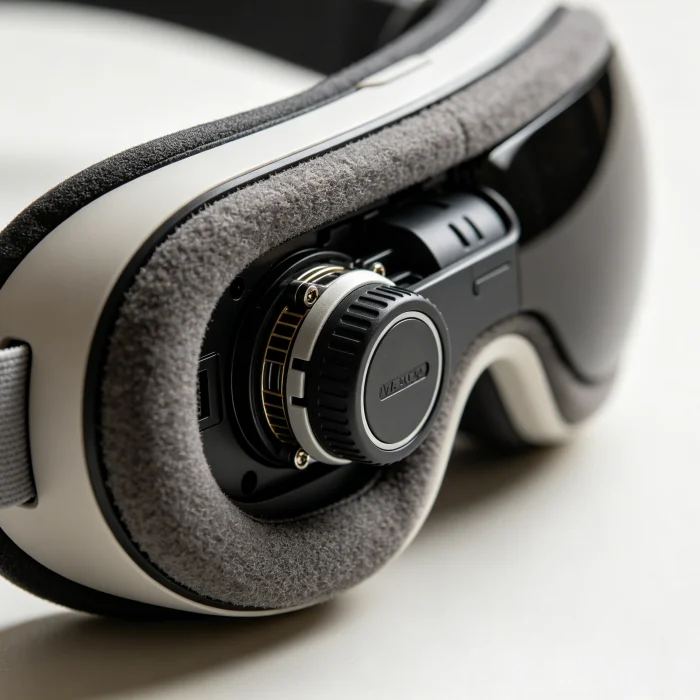
Heat is the real MVP here. Many devices warm up to around 104-113°F (40-45°C), which soothes dry eyes by stimulating oil glands in your eyelids. A 2020 study in the Journal of Clinical Medicine found that warm compress therapy improved meibomian gland function in 70% of participants after 4 weeks. So if your “eye pressure” feels more like dryness and grittiness, an eye massager with heat can genuinely help.
Vibration adds a gentle tapping that some people find distracting, others love. Honestly, I turn it off most of the time—it’s not doing much for pressure relief, but it does feel like a mini spa break.
Can an Eye Massager Lower Intraocular Pressure (IOP)?
The short answer: a little, but not enough to matter. A 2016 study in the Journal of Glaucoma showed that digital ocular massage (using fingers) temporarily lowered IOP by about 2-3 mmHg—but the effect wore off within minutes. Electric massagers are less direct, so the effect is even smaller.
There’s also a risk: if you have thin corneas or certain types of glaucoma, pressing on the eye could actually spike pressure or damage the optic nerve. So if you have a diagnosed eye condition, please don’t use an eye massager without checking with your ophthalmologist first.
Real-World Results: What Users Report on AllureCircle
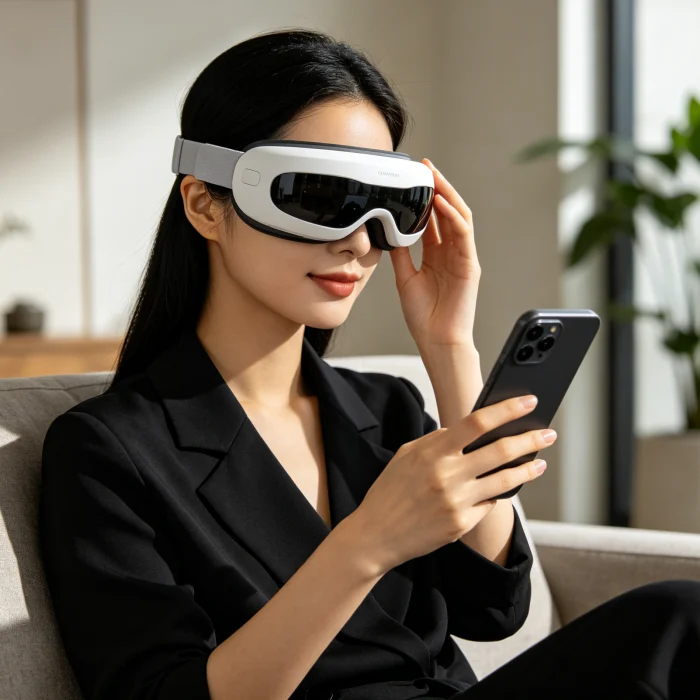
In the AllureCircle community, users who bought eye massagers for “eye pressure” mostly fall into two camps: those who get relief from tension headaches and those who expected their glaucoma to improve and were disappointed. The first group is happy; the second group wasted money.
One user shared that after a week of using a heated eye massager before bed, her morning puffiness was almost gone, and her eyes felt less achy during the workday. Another said it helped her sleep better because she used it as part of her wind-down routine—less blue light exposure, more relaxation.
But a third user with ocular hypertension said her doctor strongly advised against it, and she returned the device. That’s the honest truth: eye massagers are amazing for strain, decent for puffiness and dryness, and useless for medical eye pressure.
Who Should NOT Use an Eye Massager
This is important. Do not use an eye massager if you:
- Have glaucoma or ocular hypertension (unless your doctor says it’s fine)
- Had eye surgery in the past 6 months
- Have a retinal detachment or history of it
- Have an active eye infection (pink eye, stye)
- Have a pacemaker (some devices use electrical stimulation)
- Are pregnant? Heat is generally safe, but check with your OB if you’re unsure
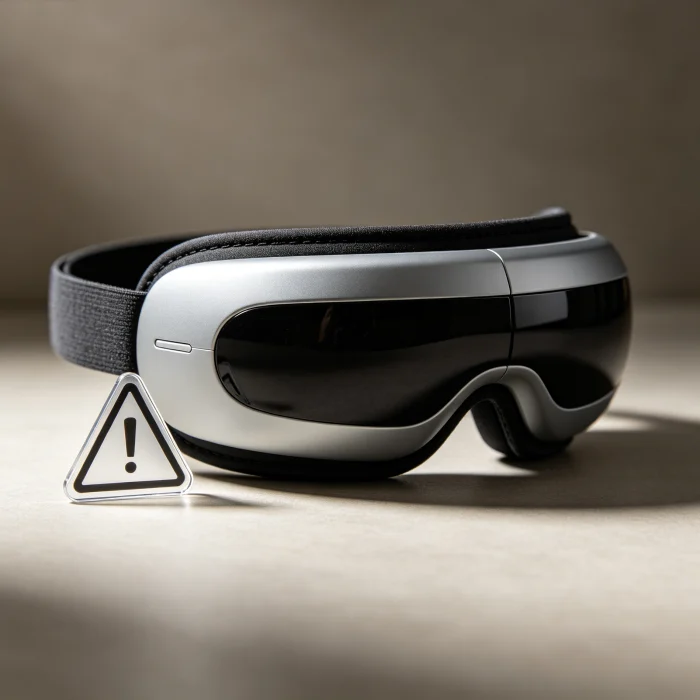
Also, if you have very sensitive skin around the eyes, the heat or pressure might cause irritation. Start with the lowest setting and a short session (5 minutes) to test tolerance.
How to Choose the Right Eye Massager for Pressure Relief
Not all eye massagers are created equal. For eye pressure (strain type), look for these features:
| Feature | Why It Matters |
|---|---|
| Heat function | Soothes dry eyes and relaxes muscles |
| Adjustable pressure | Lets you control intensity—start low |
| Timer (auto-shutoff) | Prevents overuse (15 min max recommended) |
| Washable cover | Hygiene—oils and bacteria build up quickly |
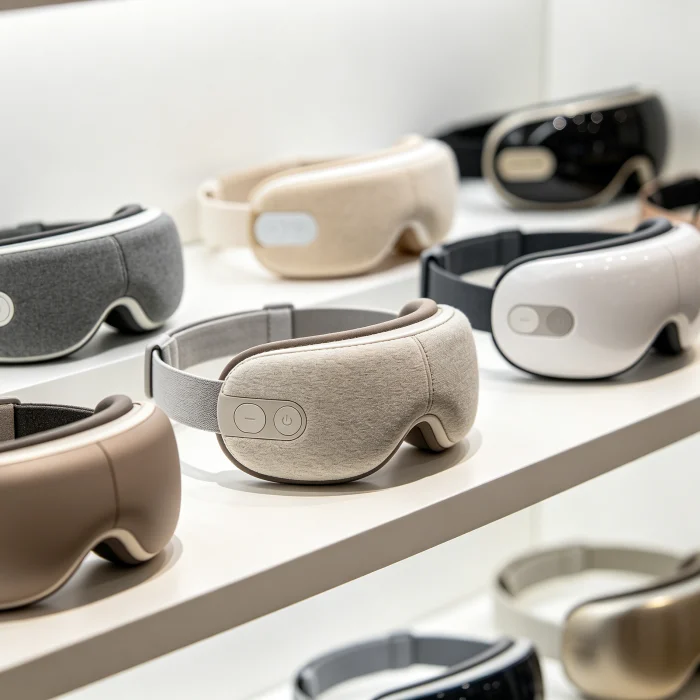
If you’re on a budget, a simple heated eye mask can do 80% of what a fancy massager does. The compression and vibration are nice, but heat + gravity + time are the real drivers of pressure relief. For a full breakdown of top devices in 2026, see our 2026 Eye Massage Equipment Guide.
The Bottom Line
Is an eye massager good for eye pressure? If you mean the tired, strained feeling at the end of a long day—yes, absolutely. It’s a great tool for relaxation, reducing tension headaches, and soothing dry eyes. If you mean actual intraocular pressure—no, it’s not a treatment, and it could be risky for certain conditions.
Use it as part of your self-care routine, not as a replacement for medical care. And if you’re still unsure, browse the AllureCircle community to see what real users with similar concerns have experienced. We have threads on everything from the best heated masks to troubleshooting puffiness.
Frequently Asked Questions
How often should I use an eye massager for eye strain?
Most experts recommend once daily for 10-15 minutes. Using it more than twice a day isn’t necessary and could irritate the skin. Consistency matters more than duration—5 minutes every day beats 30 minutes once a week.
Can an eye massager make eye pressure worse?
In rare cases, yes. If you have glaucoma or a thin cornea, the pressure from the massager could temporarily spike IOP or damage the optic nerve. Always consult an eye doctor if you have a diagnosed condition.
Does a heated eye mask work better than a massager for pressure?
For dry eye-related pressure, a simple heated mask is just as effective as a massager. The compression and vibration add relaxation, but heat does the heavy lifting for meibomian gland function. If you want both, get a massager with heat.
Can I use an eye massager if I wear contact lenses?
You should remove contact lenses before using an eye massager. The pressure and heat can dry out the lenses or move them around, causing discomfort. Plus, it’s a good chance to give your eyes a break.
Are there any side effects from using an eye massager?
Most people experience none, but some report temporary blurry vision, redness, or skin irritation. Blurry vision usually resolves within a few minutes. If it persists, stop use and see an eye doctor.
How long does it take to see results for eye pressure relief?
Many users feel immediate relaxation after the first session. For chronic strain, noticeable improvement in daily discomfort typically takes 1-2 weeks of regular use. For puffiness, results can be seen in a few days.
Is it safe to use an eye massager every day?
Yes, for most healthy individuals. Use it once a day for 10-15 minutes. If you notice any discomfort, reduce frequency. Your eyes are delicate—listen to them.
I often recommend heated eye massagers to patients who complain of daily eye strain and dry eyes—especially those who work on computers. The heat helps unclog oil glands and the gentle massage improves circulation around the eyes. But I make it very clear: this is for comfort, not for treating glaucoma or high IOP. If your eye pressure is medically elevated, you need proper treatment, not a gadget. In my experience, about 80% of patients who use a heated eye massager for strain report meaningful relief within two weeks.
All Comments 0
Please log in to post a comment.
No comments yet. Be the first to share your thoughts!