
Is HIFU painful for the face? Yes, most people rate the discomfort between a 4 and 7 out of 10, with sharp pinprick sensations and a deep heating feeling during the procedure. The pain depends heavily on your pain tolerance, the area being treated, and the machine settings — but it’s brief, lasting only as long as the ultrasound pulses hit. Unlike a laser or a microneedling session, HIFU doesn’t break the skin, so there’s no bleeding or open wounds — just a strange, intense internal heat that fades within minutes.
The treatment pushes focused ultrasound energy deep into the SMAS layer (the same tissue surgeons tighten in a facelift), which means it bypasses the surface entirely to create tiny coagulation points. That’s where the collagen remodeling magic happens — but also where the pain comes from. Your nerve endings in those deeper layers get a quick, hot jab every time the device fires. The good news? Each pulse lasts less than a second, and the whole face can be done in 30–60 minutes depending on area size.
I’ve seen patients compare it to getting snapped by a rubber band repeatedly, but with a warm, tingly afterglow. The pain is not constant — it’s staccato, like small electric zaps that come and go. Most clinics offer topical numbing cream, and some even use cooling devices to keep the surface comfortable. For me, the forehead and jawline were the toughest spots — the bone feels like it vibrates with the ultrasound waves.
How Painful Is HIFU Compared to Other Face Treatments?
If you’ve had laser hair removal, you’ll find HIFU feels stronger — more like the deeper, hotter pulses on a high setting. Compared to microneedling (which leaves micro-punctures and can feel like sandpaper on skin), HIFU is sharper but shorter-lived. Most people say it’s less painful than a facelift (obviously) but more intense than radiofrequency (RF) treatments, which tend to be warmer and more diffuse.
The table below gives a rough pain comparison based on real patient feedback collected from derm clinics and AllureCircle community threads.
| Treatment | Average Pain Score (0–10) | Feeling Description |
|---|---|---|
| HIFU | 5–7 | Sharp pinpricks, deep heat, brief pulses |
| Microneedling | 3–5 | Scratching, pressure, stinging during numbing |
| RF (radiofrequency) | 2–4 | Warm, sometimes hot but tolerable |
| Laser resurfacing | 6–8 | Burning, stinging, requires strong numbing |
One thing I hear a lot is that anxiety makes the pain feel worse — your muscles tense up, which can actually make the ultrasound energy feel more intense. So if you’re nervous, bringing headphones or asking the clinician to talk you through each pulse can help a ton.
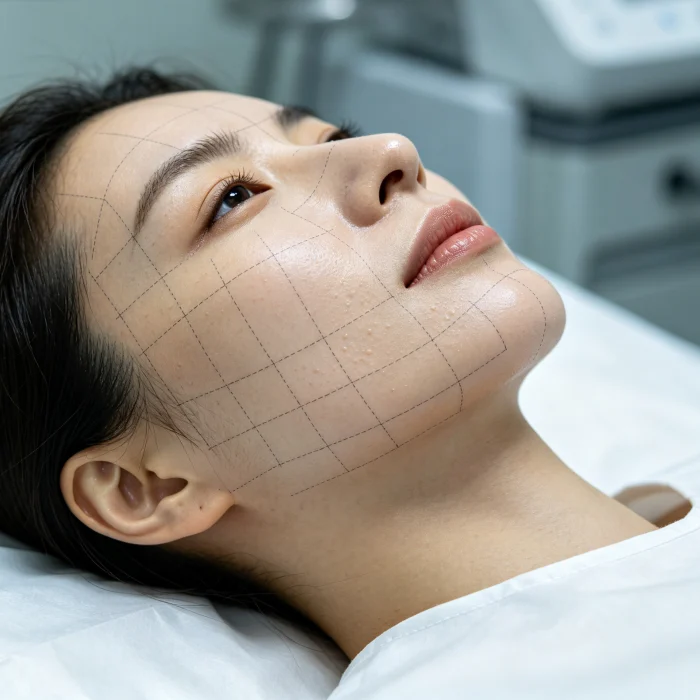
Which Areas of the Face Are Most Painful?
The pain isn’t uniform across your face. The bony areas — forehead, cheekbones, jawline, and chin — tend to hurt more because the ultrasound energy reflects off the bone, creating a vibratory sensation. The fleshy parts like cheeks and nasolabial folds are generally less painful, though still noticeable.
For the neck, the pain is milder but can feel strange because the skin there is thinner. Some people describe a weird ticklish burn that makes them want to squirm. The submental area (under the chin) is a mixed bag — fat pockets can absorb some energy, but the proximity to the thyroid makes clinicians cautious.
Does 12D HIFU Hurt More Than Standard HIFU?
12D HIFU is a marketing term for a newer generation of devices that use multiple depths and angles simultaneously — think of it as a 3D grid of ultrasound beams. Technically, the pulses are delivered faster, so the total treatment time is shorter, but the intensity per pulse can feel higher because energy is being focused at multiple layers at once.
From user reports on AllureCircle, 12D HIFU tends to sting more sharply but the overall session is quicker, so the cumulative pain is about the same or slightly less. The real difference is the precision — 12D machines often have better cooling systems built in, which can reduce surface discomfort. If you’re debating between standard and 12D, don’t let pain be the deciding factor — both are manageable with proper numbing.
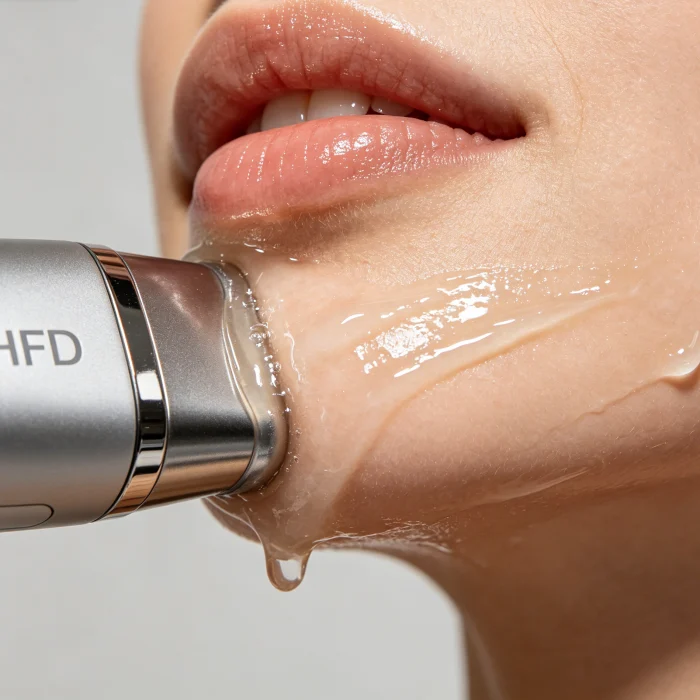
How to Reduce Pain During HIFU Facial
Here’s what actually works based on clinical experience and user feedback:
- Topical numbing cream: 30–40 minutes of application before the session can drop the pain by 2–3 points. Make sure it’s lidocaine-based and prescribed or approved by your clinic.
- Over-the-counter painkillers: Take paracetamol or ibuprofen about an hour before — but avoid aspirin because it thins blood and can increase bruising.
- Hydration and sleep: Being well-rested and hydrated lowers your baseline pain sensitivity.
- Distraction techniques: Some clinics offer stress balls, music, or even a fan to blow cool air.
- Low energy settings: Ask for a conservative first pass — you can always go back for more, but you can’t undo over-treatment.
I’ve also seen people swear by ice packs applied to the area for 10 minutes before the treatment — it numbs the skin surface and reduces the burning feeling. Just don’t freeze the tissue; a chilled gel pack wrapped in a cloth is perfect.
What About Pain After HIFU? (Recovery Timeline)
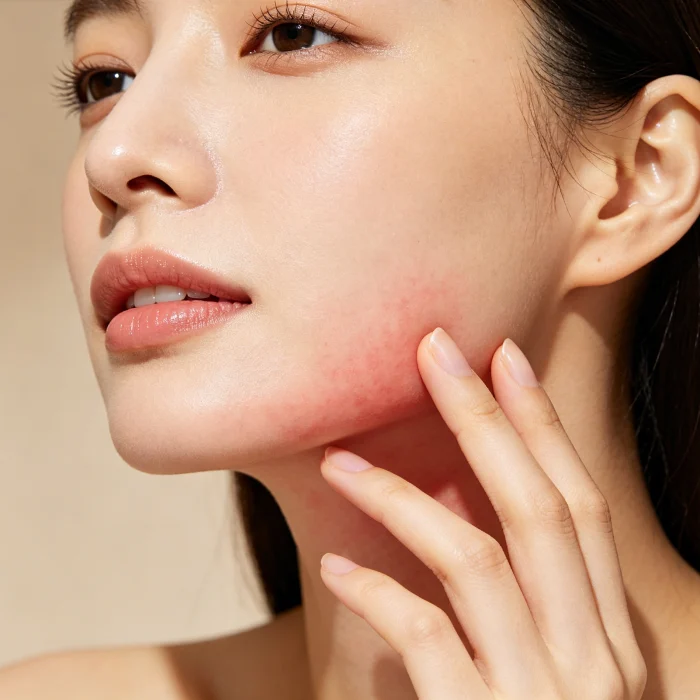
Right after the treatment, your face might feel warm, slightly swollen, and tender — like a mild sunburn. This is normal and usually subsides within a few hours. Some people get small red bumps or a feeling of tightness, especially in the jawline and cheeks. The pain after HIFU is minimal compared to the procedure itself.
Here’s a typical recovery timeline:
- 0–2 hours: Warmth, redness, possible slight swelling. You can apply a cool compress.
- 2–24 hours: Tenderness when touching the area, but no sharp pain. Most people go back to work immediately.
- 1–3 days: Occasional tingling or mild sensitivity. Avoid hot showers and heavy exercise.
- 1 week: Skin feels normal, but you might notice a deeper tightness as collagen starts forming.
The real collagen remodeling takes 8–12 weeks, so the initial discomfort is short-lived compared to the long-term skin lifting. That’s why many people say the pain is worth it — especially when they start seeing results around month two.
Why Is HIFU So Painful for Some People?
Three main factors explain why some people find HIFU excruciating while others breeze through it:
- Low pain threshold: Some people are simply more sensitive to deep heat and vibration. If you flinch at dental cleanings, you’ll likely feel HIFU more.
- Thin skin or low fat: People with very thin skin or minimal subcutaneous fat report stronger pain because the ultrasound energy hits bone more directly.
- Machine calibration: Older or poorly calibrated machines may deliver uneven energy spikes. Reputable clinics use modern devices with feedback loops that adjust intensity.
I’ve also noticed that people who are anxious or tense feel more pain — your body’s fight-or-flight response amplifies the sensation. So mental state matters as much as physical tolerance. If you’re nervous, a session with a gentle, experienced clinician can make a huge difference.
Is HIFU Safe for the Face? (Pain vs. Safety)
Yes, HIFU is FDA-cleared for skin tightening and lifting on the face and neck, and serious side effects are rare when done by a trained professional. The pain is a sign that energy is being delivered to the target depth, not that something is wrong. However, excessive pain — like a burning sensation that lasts hours — could indicate the settings are too high or the device is not suitable for your skin type.
Potential risks include temporary redness, swelling, bruising, and very rarely, nerve irritation or small burns. That’s why it’s crucial to choose a clinician who uses a device with real-time feedback and who adjusts energy according to your skin thickness. You can find more safety discussions and real user experiences on the AllureCircle HIFU machine page.
If you have a history of cold sores (herpes), HIFU can reactivate the virus in rare cases — your clinician may recommend antivirals beforehand. Also, avoid HIFU if you’re pregnant, have an active skin infection, or have had recent dermal fillers or threads in the treatment area.
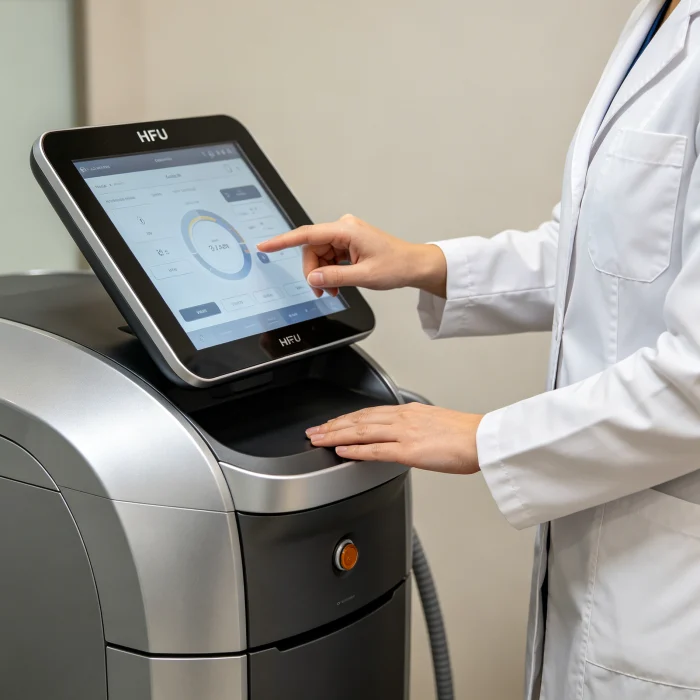
Does HIFU Work on the Face? (Results and Realistic Expectations)
Yes, but it’s not a facelift replacement — it’s a non-invasive lift that tightens skin over 2–3 months, with results lasting about 12–18 months. The best candidates are people with mild to moderate skin laxity, typically in their 30s to 50s. If you have very loose skin (like jowls that sag an inch), HIFU may give only subtle improvement — surgery or RF microneedling might be better options.
For a deeper comparison, check out HIFU vs RF for sagging jawline and how long HIFU results last. Many readers on AllureCircle also pair HIFU with at-home devices like LED masks for maintenance — see our guide on LED light and skin tightening.
The pain is temporary, but the collagen boost is not. Most people I’ve talked to say the discomfort is manageable and worth it for a lifted, firmer jawline without downtime.
Frequently Asked Questions
Does HIFU hurt more on the face or neck?
The face, especially bony areas like the forehead and jawline, tends to hurt more than the neck because ultrasound energy reflects off bone. The neck has thinner skin but less bone proximity, so it feels more like a warm, deep pressure. Both areas are tolerable with proper numbing.
How long does the pain last after HIFU facial?
Immediate sharp pain stops once the device is off. Residual warmth and tenderness typically fade within a few hours to 24 hours. Some people feel a mild ache or tightness for 1–2 days, but it’s not sharp or debilitating.
Can I take painkillers before HIFU?
Yes, paracetamol or ibuprofen can be taken about an hour before the session. Avoid aspirin, ibuprofen in high doses (if you’re prone to bruising), and other blood thinners unless prescribed. Always discuss with your clinician first.
Will HIFU hurt more if I have a low pain tolerance?
Yes, but most clinics can adjust energy settings to a lower level and use stronger numbing cream. You can also ask for a patch test on a small area to gauge your reaction before the full treatment.
Is HIFU worth the pain?
For many people, yes — the non-invasive skin tightening results can be comparable to a mini facelift without surgery, downtime, or scarring. The pain is brief (30–60 minutes) and temporary, while the collagen benefits last over a year. If you’re still unsure, read real reviews on AllureCircle’s HIFU community.
What does 12D HIFU feel like versus standard HIFU?
12D HIFU delivers faster, multi-angle pulses, so the sensation is a series of sharp zaps in quick succession. The overall pain is similar to standard HIFU, but the session is shorter, which can make it feel less intense. Cooling systems on 12D machines also help reduce discomfort.
Can I get HIFU if I’m afraid of needles?
Yes — HIFU doesn’t use needles. It’s a non-invasive ultrasound energy that penetrates the skin without breaking it. The pain is from heat and vibration, not punctures. Many needle-phobic people find it easier than injections or microneedling.
“In my practice, I’ve performed hundreds of HIFU treatments on the face and neck. The pain is real — I won’t sugarcoat it — but it’s also very manageable. I tell my patients it feels like a hot pinprick that lasts a fraction of a second. The key is to set expectations honestly: you’ll feel a deep heating sensation, but it won’t last. I always start at a lower fluence and work up, and I use a multi-frequency probe that adjusts to the patient’s skin thickness. Most people are surprised at how quickly it’s over. The results — real lifting and tightening — are what keep them coming back.”
All Comments 3
Please log in to post a comment.
I had HIFU on my jawline last year and honestly, it was more uncomfortable than painful—like a deep electrical zing that made me flinch. The 4-7 range feels right, but it’s over so fast you forget about it. Worth it for the lift, though.
I disagree a bit—felt more like a 2-3 for me, just warmth. Maybe I have a high pain tolerance? But the swelling afterward surprised me more than the pain itself. Did anyone else get puffiness for a couple days?
Interesting that you mention machine settings. I’ve had it done twice—first with an older machine (ouch!) and then with a newer one that was way more bearable. Maybe ask your clinic which device they use? Also, numbing cream helped a little but not much.