
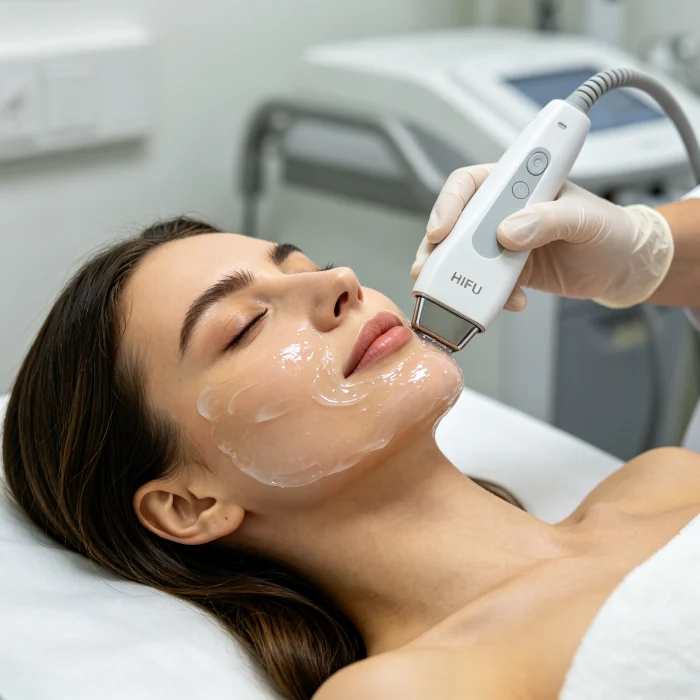
Why does HIFU take so long to work? Because it triggers a natural wound-healing response that ramps up collagen production over 8–12 weeks, not overnight. Most people see mild tightening around week 4, with the biggest changes hitting between weeks 8 and 12. A single session typically lasts 30–90 minutes depending on the device and treatment area. It’s not magic — it’s biology.
What Actually Happens to Your Skin After HIFU
High-Intensity Focused Ultrasound delivers focused energy to the SMAS layer — the same tissue surgeons lift during a facelift. That energy creates tiny thermal coagulation points, essentially micro-injuries. Your body responds by sending fibroblasts to those spots to rebuild collagen and elastin. This process doesn’t happen overnight. In fact, it’s the same reason microneedling or RF need multiple sessions — your body can only produce collagen so fast.
I’ve tried at-home HIFU devices like the Konmison and Naborui, and the first week after treatment, I honestly thought nothing happened. My skin felt a little warm, maybe a bit tighter, but it was subtle. Then around day 10, I noticed my jawline looked slightly more defined. That’s the inflammation phase starting to settle, and the real work beginning.
The 3-Phase Timeline of HIFU Results
Here’s what you can realistically expect month by month:
| Timeframe | What You’ll See | Why It’s Happening |
|---|---|---|
| Week 1–4 | Mild tightening, possible puffiness | Inflammatory response, early collagen activation |
| Week 4–8 | Noticeable lift, especially jawline and brows | Collagen synthesis peaks |
| Week 8–12 | Full results — smoother, firmer skin | New collagen fully remodels tissue |
Why Some People See Results Faster (or Slower)
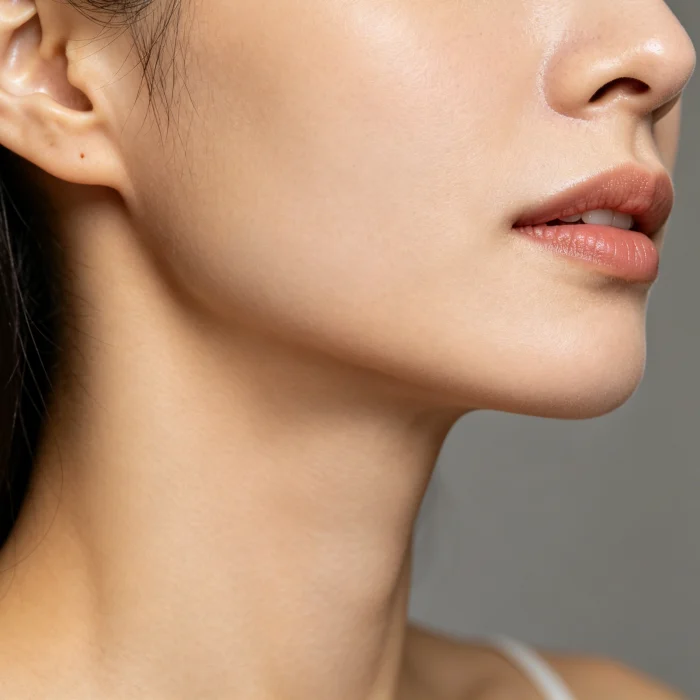
Not everyone responds at the same pace. Age is a big factor — younger skin with more natural collagen bounces back faster. If you’re over 40, your fibroblast activity is slower, so you might not see peak results until week 12 or even 14. The treatment depth matters too: deeper focal points target the SMAS layer, which takes longer to remodel but gives more dramatic lifting. Shallow settings target the dermis for texture, which shows earlier.
Device energy output plays a role as well. Professional machines like the UIthera or Sofwave deliver consistent energy at precise depths. At-home devices vary widely — some only reach the superficial dermis. That’s why a clinic treatment might give you visible tightening by week 6, while an at-home device could take until week 10. I’ve used both, and the difference is real.
Does HIFU Work Straight Away? The Truth About Immediate Effects
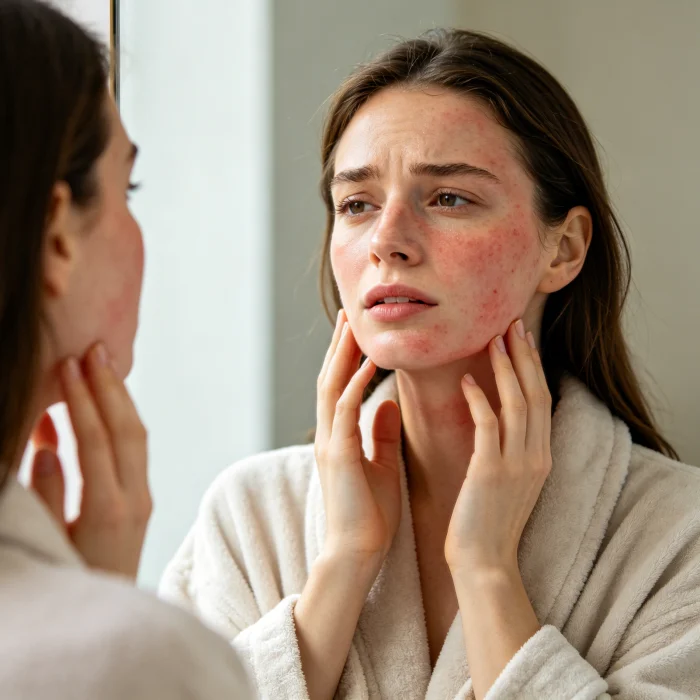
Right after treatment, you might feel a subtle tightening — that’s the tissue contracting from the heat, not new collagen. Some clinics call this the “wow effect” and it usually fades within a few days. Don’t let that fool you. Real results come later. I’ve had friends text me after a HIFU session saying “my face looks so lifted!” only to be disappointed a week later when it settled. The actual collagen remodeling hasn’t even started yet.
If you want to understand how HIFU compares to other tightening technologies, check out our HIFU vs RF for sagging jawline guide. Spoiler: RF gives faster initial results, but HIFU lasts longer.
What Affects How Quickly HIFU Works?
- Device quality: Clinical machines with higher frequencies penetrate deeper and trigger stronger collagen response. At-home devices often cap out at lower energy for safety.
- Number of passes: More passes per area mean more coagulation points, but also more downtime. A skilled practitioner knows the balance.
- Your skin health: Hydrated, well-nourished skin heals faster. Smokers and heavy drinkers typically see slower results.
- Consistency: One-and-done rarely works. Plan for a series, just like you would with laser treatments or chemical peels.
How Long Do HIFU Results Last?
Once you hit the 12-week mark, results can last anywhere from 6 months to 2 years depending on your age, lifestyle, and whether you do maintenance sessions. For a deeper dive, read our complete guide: How Long Do HIFU Machine Results Last for Face?
After 6 months, collagen gradually breaks down again. That’s why clinics often recommend a touch-up every 6–12 months. At-home users can stretch that with consistent use of LED light therapy — it stimulates collagen at a lower, safer level. Check our article Does LED Light Really Tighten Skin? to see how that fits into your routine.

Can You Speed Up HIFU Results?
Not really — but you can avoid slowing them down. The biggest mistake is doing too many treatments too close together. Your body needs time to heal. If you stack sessions every 2 weeks, you’re just causing chronic inflammation, not better results. Stick to a 3-month gap between sessions.
Another thing: post-treatment care matters. Avoid heat (saunas, hot yoga, sun exposure) for 48 hours. Use gentle skincare — no retinoids or acids for at least a week. Keep your skin hydrated, inside and out. I know it’s tempting to pile on the products, but less is more during the healing phase.
What About At-Home HIFU Devices?
At-home HIFU devices are weaker by design — they can’t deliver the same energy without burning your skin. But they can still give subtle results over weeks of consistent use. For example, devices like the Konmison or Naborui use lower frequencies and require you to go over the same area multiple times. Results come even slower — think 3–4 months before you see anything. But if you’re consistent, they can maintain what a clinic session started. We compared them in our Konmison vs Naborui article.
If you’re exploring broader options for facial rejuvenation, our Facial Machines hub has guides on everything from LED masks to microcurrent devices. And if you’re wondering about combining HIFU with other treatments, read The Best Facial for Aging Skin in 2026.
Frequently Asked Questions
How long does HIFU take to work for sagging skin?
Most people see initial tightening around week 4, with full results at 8–12 weeks. The collagen remodeling process is gradual — you won’t wake up one morning with a new face.
Does HIFU work straight away?
No. You may feel an immediate tightening from tissue contraction, but that fades within days. Real results start after 3–4 weeks as new collagen forms.
How many HIFU sessions do I need?
Most people need 2–3 sessions spaced 3 months apart for optimal lifting. Maintenance sessions every 6–12 months help sustain results.
How long do the effects of HIFU last?
Results typically last 6 months to 2 years, depending on your age, lifestyle, and whether you do maintenance. Younger patients with good skin health see longer-lasting effects.
Why is my face puffy after HIFU?
Mild swelling is a normal part of the inflammatory response. It usually peaks at 24–48 hours and resolves within a week. Avoid ice — let your body heal naturally.
Can I combine HIFU with microneedling?
Yes, but space them at least 4 weeks apart. Both stimulate collagen, so doing them too close can overtax your skin. Some clinics offer combo treatments for better results.
Is HIFU painful?
Most people describe it as a warm prickling sensation. Pain level varies by device and depth — deeper settings hurt more. Numbing cream can help for sensitive areas.
“Patients often ask me why their HIFU results aren’t instant. I explain that ultrasound energy creates micro-injuries in the SMAS layer — the same layer we lift in surgery. Collagen remodeling is a biological process that takes 8 to 12 weeks to peak. The wait is frustrating, but it’s actually a sign that the treatment is working. If you want instant results, you’re better off with fillers or threads. But if you want natural, gradual lifting without downtime, HIFU is worth the patience.”
All Comments 0
Please log in to post a comment.
No comments yet. Be the first to share your thoughts!