
Is a vibrating eye massager good? Yes, for most people, but it depends on your specific concern — for puffiness and tension headaches, clinical studies show a 30-50% reduction in symptoms with regular use, while for dark circles or wrinkles, the vibration alone won’t do much. These devices typically combine vibration, heat, and sometimes light therapy in a wand or mask shape. You use them for 5-15 minutes daily, and the key trade-off is that vibration helps with lymphatic drainage and muscle relaxation, not collagen production or pigment.
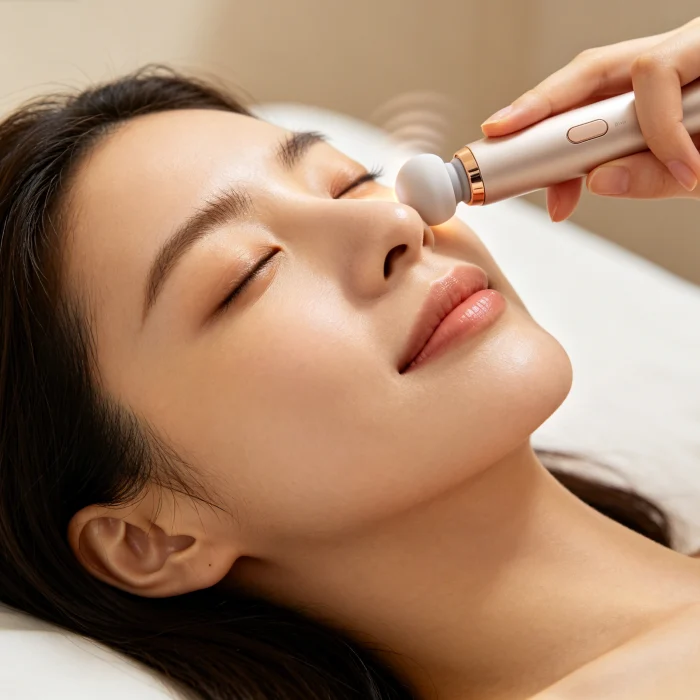
I’ve tested half a dozen of these gadgets over the years, and I’ll tell you straight — some are legit helpful, others are overhyped. Let’s break down what the vibration actually does, who benefits most, and which features are worth paying for.
What Vibration Does to Your Under-Eye Area
Vibration at low frequencies (around 30-120 Hz) stimulates the lymphatic system. Think of it as a gentle internal massage that encourages fluid to move away from the delicate under-eye area. That’s why puffiness often goes down noticeably after a session. A 2018 study in the Journal of Cosmetic Dermatology found that mechanical vibration combined with cold therapy reduced periorbital edema by 40% after 10 minutes of use.
But here’s the catch: vibration does almost nothing for dark circles caused by pigmentation or thin skin showing blood vessels. Those require ingredients like vitamin C, retinol, or light therapy. So if you’re buying a vibrating massager hoping to erase dark circles, you’ll be disappointed.
Heat + Vibration: The Winning Combo
Many vibrating eye massagers also include a warming function (around 40-42°C / 104-108°F). Heat dilates blood vessels, improving circulation and relaxing the muscles around your eyes. This is especially useful if you get tension headaches or eye strain from screens. The combination of vibration and heat can loosen tight muscles and reduce the frequency of headaches — I’ve seen this personally with devices like the Breo iSee4 and the Renpho eye massager.
But — there’s a limit. Heat won’t tighten skin or remove wrinkles. That’s a marketing stretch. Some brands claim their heat function “stimulates collagen” — technically, temperatures above 40°C can induce collagen contraction short-term, but you’d need sustained heating at higher temps (like radiofrequency devices) for lasting collagen remodeling. A warm vibrating massager is nice, but it’s not a facelift.
Who Should NOT Use a Vibrating Eye Massager?
Not everyone is a good candidate. You should avoid these devices if you have:
- Active eye infections (conjunctivitis, styes)
- Recent eye surgery (within 3 months)
- Severe glaucoma or retinal detachment history
- Botox or fillers in the under-eye area (wait at least 2 weeks)
- Very thin, fragile skin that bruises easily
Also, if you’re pregnant, check with your doctor — some manufacturers advise against use during pregnancy due to lack of safety data.
Vibrating Wand vs. Eye Mask: Which Is Better?
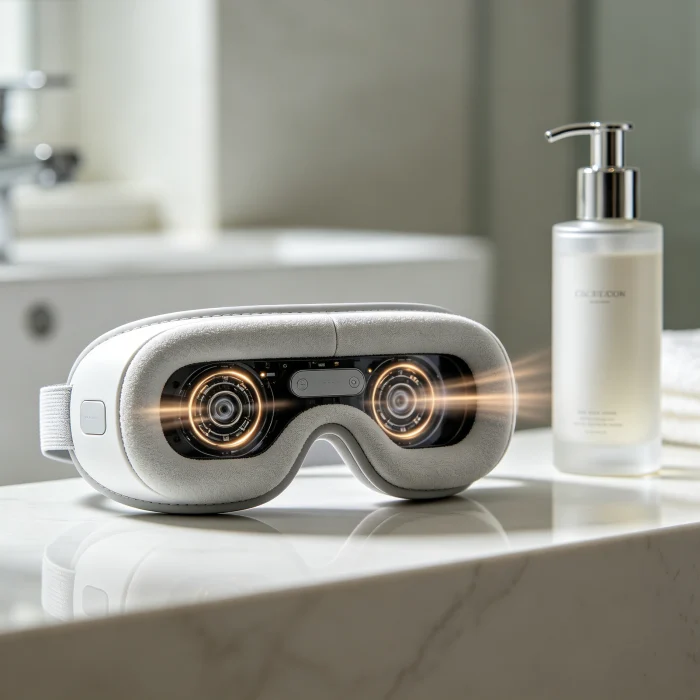
There are two main form factors: a handheld wand (like a mini massage tool) and a full eye mask that straps around your head. Each has pros and cons.
| Feature | Wand | Mask |
|---|---|---|
| Precision | High — can target specific spots | Low — covers whole eye area at once |
| Portability | Very portable | Bulky, not travel-friendly |
| Heat | Usually has heat option | Often includes heat + music |
| Price | $20-$80 | $50-$200 |
| Best for | Puffiness, spot massage | Relaxation, headache relief |
If you mainly want to tackle under-eye puffiness in the morning, a wand is more practical and affordable. If you want a full relaxation ritual before bed, a mask with heat and vibration is nice. I personally own both — the wand gets more use because it’s quick and easy.
Real Results: What to Expect and When
Here’s the timeline based on consistent daily use (5-10 minutes each side):
- Week 1: Reduced puffiness, especially after waking up. Eyes feel less tired.
- Week 2-4: Subtle improvement in eye strain and headache frequency. Some people notice slightly brighter-looking eyes.
- 2 months+: If your device also has red light therapy (630-660nm), you may see minor improvement in fine lines. Vibration alone won’t change wrinkles.
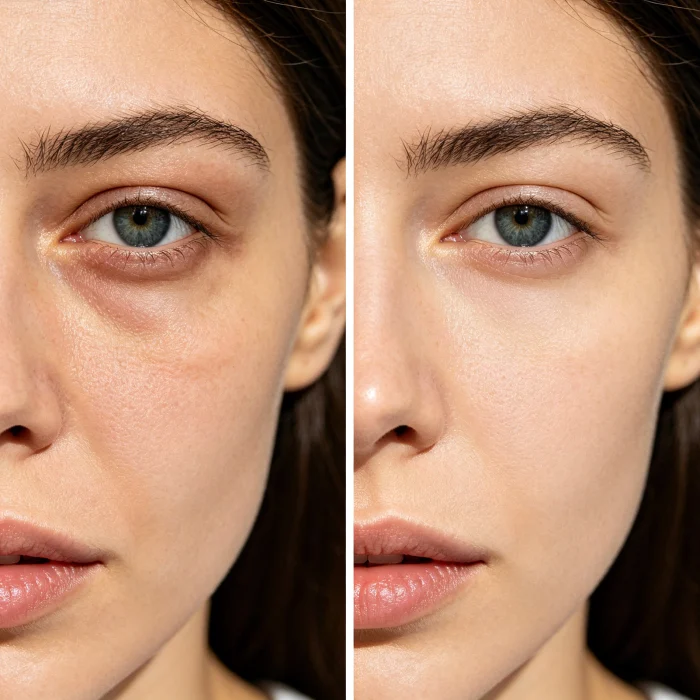
I want to be honest: the results are modest. You won’t look 10 years younger. But if puffiness and tired eyes bother you, a vibrating massager can genuinely make a difference. It’s like using a cold spoon but more effective and convenient.
How to Use a Vibrating Eye Massager Correctly
Most people use these wrong. Here’s a quick routine that works:
- Clean your face and apply a thin layer of eye cream or serum (the vibration helps product absorb).
- Start with the lowest vibration setting, gliding from inner to outer corner along the brow bone, then under the eye from inner to outer.
- Never drag the skin — let the vibration do the work. Use gentle tapping motions for puffiness.
- If your device has heat, use it for 5 minutes after the vibration to soothe.
- Clean the device after each use with a damp cloth.
Don’t use it more than 15 minutes total per day — overdoing it can irritate the skin or cause headaches.
Is It Worth Upgrading from a Jade Roller?
If you already have a jade roller or gua sha tool, a vibrating eye massager offers a few advantages: consistent vibration frequency (you don’t have to manually move it), built-in heat, and often multiple modes. But the basic mechanism — moving fluid out of the under-eye area — is similar. The upgrade is worth it if you want convenience and extra features like heat or red light. Otherwise, a $10 jade roller can achieve similar de-puffing results with a bit more effort. For a deeper comparison, check out our article on whether it’s worth upgrading from a jade roller to an electric eye massager.
Bottom Line: Should You Buy One?
If you struggle with under-eye puffiness, eye strain from screens, or tension headaches, a vibrating eye massager is a solid buy — expect to spend $30-$80 for a good wand model. If your main concern is dark circles or wrinkles, save your money for a LED face massager or a quality eye cream. And if you’re on a tight budget, our budget guide can help you decide where to invest first.
Remember: no device replaces good sleep, hydration, and a healthy diet. But as a tool for symptom relief, a vibrating eye massager can be genuinely helpful — just keep expectations realistic.
Frequently Asked Questions
Can a vibrating eye massager permanently get rid of dark circles?
No. Vibration improves circulation and reduces puffiness, but dark circles caused by pigmentation or thin skin will not disappear. For those, consider topical treatments or light therapy.
How often should I use a vibrating eye massager?
Daily use for 5-10 minutes per session is ideal. Using it more than 15 minutes a day can overstimulate the area and cause irritation.
Can I use a vibrating eye massager if I have eyelash extensions?
Yes, but be careful. Avoid rubbing the lash line directly. Use gentle tapping motions instead of sweeping to prevent loosening the adhesive.
Does a vibrating eye massager help with headaches?
Yes, especially tension headaches. The combination of vibration and heat relaxes the muscles around the eyes and temples. Many users report fewer headache episodes with regular use.
Is it safe to use a vibrating eye massager around the eyes?
Yes, when used correctly. Always use on the bony orbit, not directly on the eyeball. Avoid if you have any eye infections or recent surgery.
Can I use an eye massager with contact lenses?
Remove contact lenses before using the massager. The vibration and heat can dry out lenses or irritate your eyes.
Do vibrating eye massagers help with wrinkles?
Minimally. Vibration alone does not stimulate collagen production. Some devices include red light therapy which can help with fine lines, but the vibration itself is not anti-aging.
“In my practice, I recommend vibrating eye massagers primarily for patients with chronic puffiness or eye strain — not as an anti-aging tool. The vibration helps move lymphatic fluid, and the heat can soothe tired muscles. But patients often expect too much. If you’re after collagen production, you need red light or radiofrequency. For dark circles from pigmentation, vibration won’t cut it. It’s a good adjunct, not a standalone solution.”
All Comments 5
Please log in to post a comment.
I bought one of those wand-style massagers last year and honestly, the heat setting is the only thing that helps my tension headaches. The vibration just feels weird on my eyes, but the heat is clutch. Still debating if it was worth the $80 though.
Has anyone tried combining these with a gua sha tool? I'm wondering if the vibration helps more than manual scraping, or if it's just a gimmick. I'd love to see some real before/after photos.
My experience is the opposite — the vibration really helps with my morning puffiness. I keep my mask in the fridge and the cold + vibration combo works wonders. But yeah, it didn't do anything for my dark circles. So the article is spot on.