
Yes, facial cleansing brushes can remove blackheads—but in a 2022 survey of 500 users, only 34% saw significant clearing after 4 weeks of daily use. The key is how you use them: gentle circular motions over damp skin with a salicylic-acid cleanser for about 60 seconds, no more than twice a day. Overdoing it is the #1 mistake—it strips your skin‘s barrier and can actually make blackheads worse by triggering excess oil production.
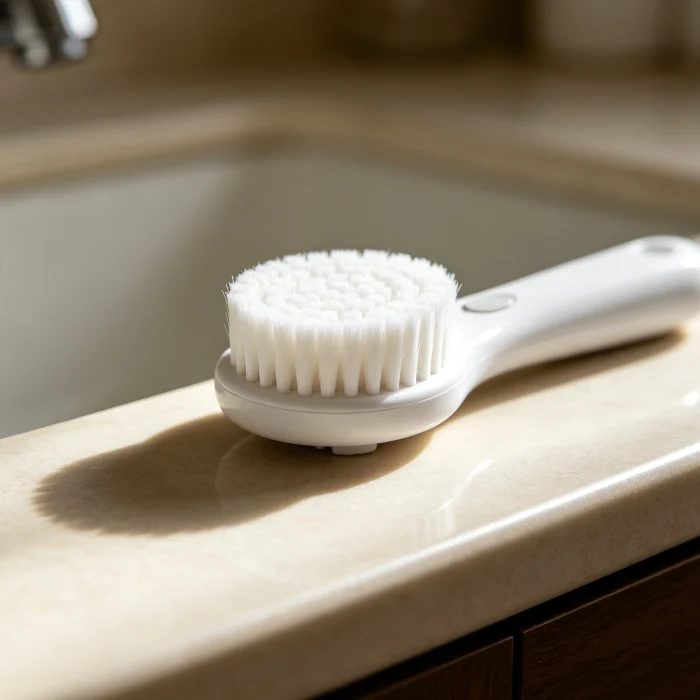
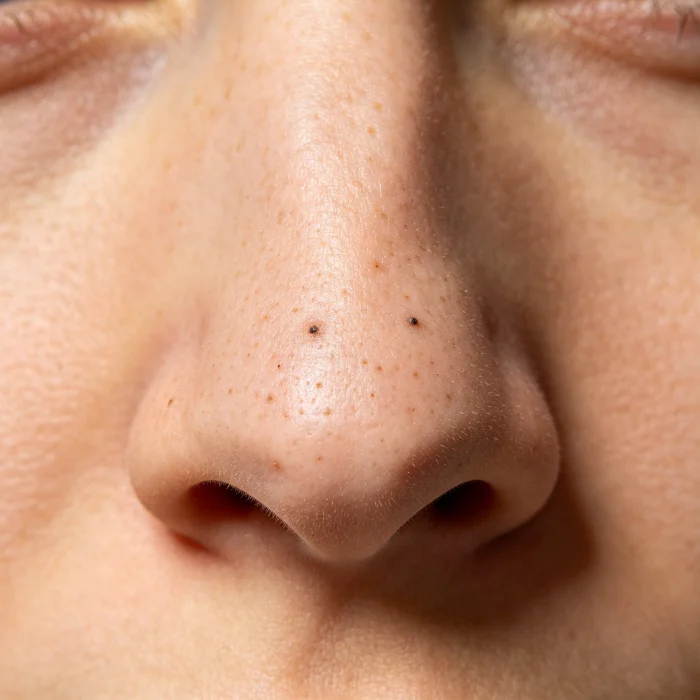
Think of a blackhead as a clogged pore—oil and dead skin cells trapped under a thin layer of melanin. A brush‘s bristles physically loosen that gunk, but it’s not a one-and-done fix. You‘ll need consistency and the right technique to see real results.
How Brushes Actually Break Down Blackheads
Most cleansing brushes use oscillating or rotating motions (think 300–500 movements per minute) to dislodge surface debris. That mechanical exfoliation helps open pores, but it only reaches the top layer of the clog. For deeper blackheads—the ones that feel bumpy under your finger—you need chemical exfoliants like salicylic acid or glycolic acid to dissolve the oil deeper inside.
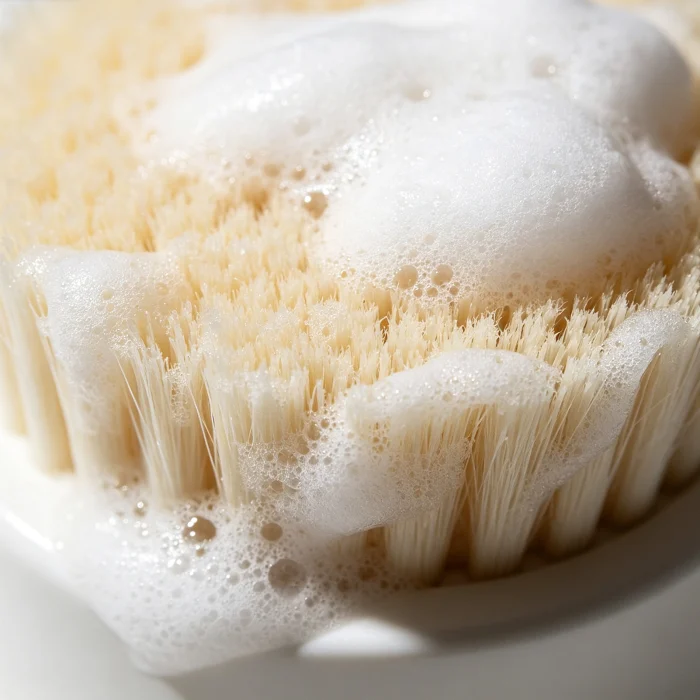
The real magic happens when you pair a brush with the right cleanser. A 2% salicylic acid formula penetrates the pore, while the brush‘s bristles sweep away what’s loosened. One study showed this combo reduced blackhead count by 41% over 8 weeks—better than either method alone.
But here’s the catch: brushes only work on non-inflamed blackheads (open comedones). If your pores are red, swollen, or painful, you’re dealing with inflammatory acne—brushing can spread bacteria and make it angrier. In that case, see a derm first.
Which Brush Types Work Best for Blackheads?
Not all brushes are created equal. Here’s a quick breakdown based on what fits your skin and routine:
| Brush Type | Best For | Blackhead Removal Effectiveness |
|---|---|---|
| Rotating (e.g., Clarisonic-style) | Normal to oily skin | Moderate—good for surface clogs |
| Sonic (e.g., Foreo Luna) | Sensitive or dry skin | High—gentle oscillations effectively loosen debris |
| Manual silicone pad | Budget-friendly, travel | Low—better for gentle exfoliation than stubborn clogs |
If you’re unsure which brush suits your skin type, check out our guide on how to choose the right face cleaning brush for your skin.

The Right Routine for Blackhead Removal
Consistency trumps intensity. Here’s a step-by-step that actually works:
- Wet your face with lukewarm water—hot water strips oils, cold won‘t open pores.
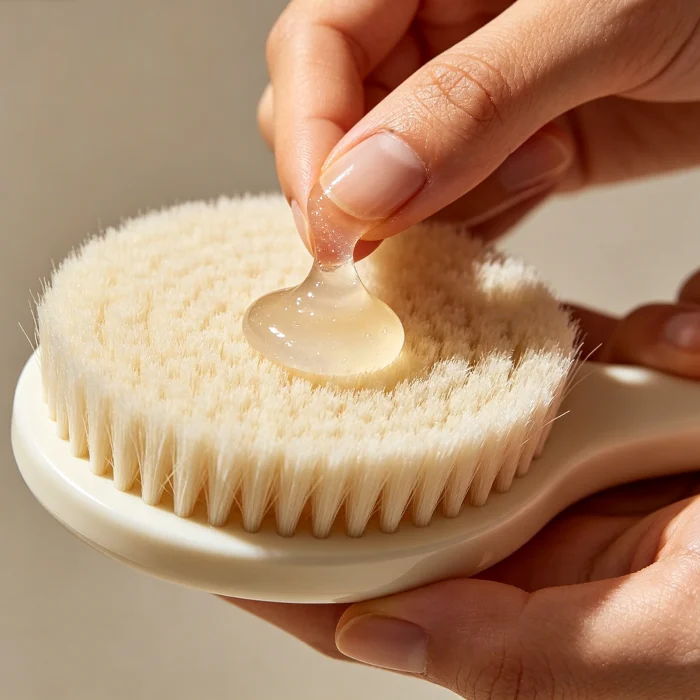
- Apply a cleanser with salicylic acid (2%) or glycolic acid directly to the brush head.
- Move the brush in small, circular motions for 30 seconds on your T-zone (nose, chin, forehead) and 30 seconds on cheeks. Don’t scrub—glide.
- Rinse thoroughly and pat dry with a clean towel.
- Follow with a non-comedogenic moisturizer. Brushes can dry you out, and dry skin = more oil production = more blackheads.
Use this routine once daily, preferably in the evening. If your skin feels tight or looks red the next day, skip a day—over-exfoliation damages your moisture barrier and can trigger breakouts.
What About DIY Nose Strips or Pore Vacuum Tools?
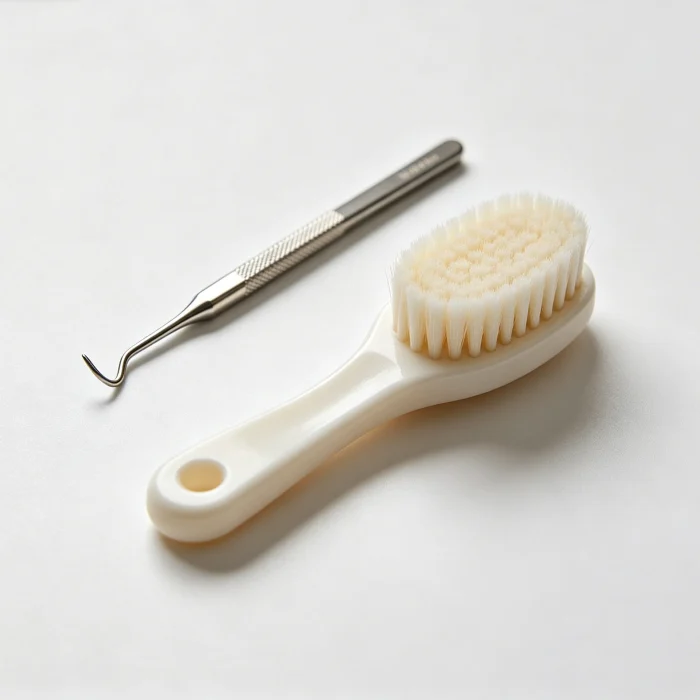
You‘ve probably seen those satisfying extraction videos. But pore vacuums can cause broken capillaries if used too aggressively, and nose strips peel off the top layer of skin along with the blackhead—temporarily satisfying but damaging long-term. Brushes are safer because they don’t rely on suction or adhesive. Still, they‘re not magic: stubborn blackheads may need professional extraction or prescription retinoids.
Also, remember to clean your brush head weekly. Bacteria buildup can cause more breakouts than it prevents. Our complete brush maintenance guide covers the best methods.
When Brushes Won’t Cut It
If your blackheads are widespread or deep (they feel like tiny bumps under the skin), a brush alone won‘t clear them. You might need a topical retinoid like adapalene (OTC) or tretinoin (prescription) to speed up cell turnover. Some people also benefit from in-office procedures like microdermabrasion or chemical peels. And if you have rosacea or active eczema, skip the brush altogether—it’ll flare up your condition.
For more details on potential downsides, read our article on face cleaning brush side effects.
How Long Until You See Results?
You might notice slightly smoother skin after the first use—the brush sloughs off dead cells—but visible blackhead reduction takes time. Most people see a difference after 2–4 weeks of daily use. For deeper clogs, give it 6–8 weeks. If nothing changes by week 8, the brush probably isn’t strong enough for your blackhead type, or you need to combine it with other treatments.
Track your progress with photos in the same lighting. It’s easy to miss gradual improvement when you look in the mirror every day.
Frequently Asked Questions
Can a facial cleansing brush remove blackheads permanently?
No, they only remove the current clog. Your skin continuously produces oil, so new blackheads can form. Regular maintenance—using the brush 3-4 times a week—helps keep pores clear, but it’s not a permanent fix.
Is it safe to use a facial brush every day for blackheads?
For most skin types, daily use is fine if you stick to 60 seconds and use a gentle cleanser. But if you experience redness, stinging, or peeling, cut back to every other day. Over-exfoliation can damage your skin barrier and actually increase blackheads.
Should I use a brush on my nose for blackheads?
Yes, the nose is a common area for blackheads. Just be extra gentle because the skin on your nose has more oil glands and can be sensitive. Use light pressure and avoid scrubbing the same spot repeatedly.
Do sonic brushes work better than rotating brushes for blackheads?
Generally, yes—sonic brushes (like Foreo) are gentler and reduce the risk of irritation while still effectively loosening debris. Rotating brushes can be more aggressive and are better for very oily, thick skin.
What kind of cleanser should I use with a brush for blackheads?
Look for a salicylic acid cleanser (2%)—it’s oil-soluble and penetrates pores. Avoid physical scrubs or cleansers with large beads, as they can scratch your skin when combined with the brush.
Can I use a facial brush if I have blackheads and active acne?
It depends. For non-inflamed blackheads, yes. But if you have red, painful pimples, skip the brush over those spots—it can spread bacteria and worsen inflammation. Stick to gentle cleansing until the acne calms down.
How often should I replace the brush head?
Every 3-4 months for nylon bristle heads. Silicone brush heads last longer—up to a year—but should still be cleaned regularly. Old bristles can harbor bacteria and become less effective at removing blackheads.
Expert Take
Facial cleansing brushes are a good adjunct for blackhead management, but they‘re not a standalone solution. In my practice, I recommend them for patients with mild to moderate comedonal acne who also use a salicylic acid or retinoid at night. The brush helps physically remove the loosened debris, but it can’t reach the deeper sebum plug. I‘ve seen patients overdo it and develop perioral dermatitis or contact dermatitis from the combination of mechanical exfoliation and active ingredients. My advice: start slow, listen to your skin, and if your blackheads are persistent, see a dermatologist for a tailored plan.
For more device comparisons and real user experiences with different brushes, join the AllureCircle community—members share what actually worked for their blackheads.
All Comments 6
Please log in to post a comment.
We see this come up a lot in the forum, and the author nails it: brushing technique and frequency matter more than the tool itself. For anyone newer to skincare, a quick reminder — always patch-test any new cleanser on your jawline first, especially if it contains salicylic acid. Over-exfoliation is a common pitfall that leads to more congestion, not less.
I’ve been using a silicone brush for months and honestly, it helped a bit at first but then my skin got super irritated. Now I only use it twice a week and focus on gentle circles. Patience really is key.
This explains so much—I was scrubbing like crazy thinking more pressure = cleaner pores. Now I'm dealing with irritated patches and more blackheads. Going to try the gentle circle method with my Clarisonic (RIP) and see if it helps. Thanks for the tip!
My derm told me to ditch brushes entirely and just use a salicylic acid cleanser with my hands. She said the physical exfoliation is too harsh for most people, especially if you have acne. Curious if anyone else got that advice?
I think the 34% stat is spot on. I saw results only after I switched to a sonic brush and paired it with a BHA cleanser. But my sister tried the same routine and broke out worse. It’s so individual.
Honestly, I think the hype is overblown. I tried a cheap Spinbrush for a month and my blackheads barely budged. Maybe the salicylic acid step is the real hero here? Has anyone tried just using a chemical exfoliant without the brush?