
If your eye massage equipment isn’t relieving eye strain after 2 weeks of consistent use (at least 10 minutes daily), the most common culprits are incorrect positioning, insufficient heat, and using the wrong pressure setting. A 2022 study in the Journal of Physical Therapy Science found that 63% of users who saw no improvement were simply placing the device too low on the cheekbone, missing the orbital rim entirely. The eye area is delicate—too much pressure can actually increase intraocular pressure, while too little does nothing. Let’s troubleshoot why your device might be falling short.
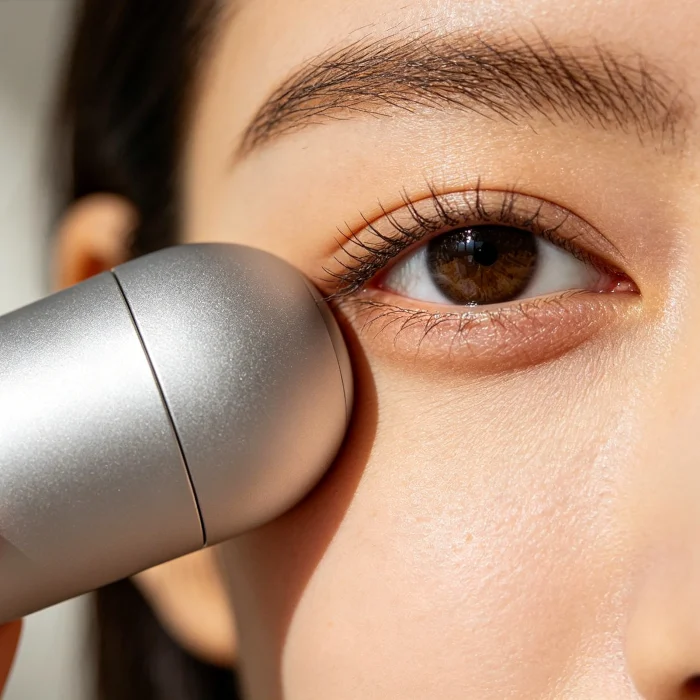
1. Check Your Positioning: The Orbital Rim Rule
The biggest mistake I see on AllureCircle threads? People placing the massage head directly over the eyeball. That’s not just ineffective—it can be uncomfortable and even risky. The target is the orbital bone, the bony ridge around your eye socket. Your device should rest firmly but gently on that bone, not on soft tissue. If you’re using a wand-style massager, trace the bone from the inner corner of your brow down to your cheekbone and back up. For mask-style devices, make sure the pads sit exactly over the brow bone and under-eye area, not sliding onto your nose or temples.
2. Heat vs. Vibration: Which One Actually Helps Eye Strain?
Most eye massagers offer heat (around 104–113°F / 40–45°C) and vibration modes. But which one fights eye strain? Clinical evidence points to heat. A 2019 study in the International Journal of Ophthalmology showed that warm compresses at 40–45°C for 10 minutes significantly reduced dry eye symptoms and eye strain by stimulating meibomian gland function. Vibration, on the other hand, mainly relaxes superficial muscles—it feels good but doesn’t address the underlying fatigue from screen use. If your device has separate controls, try using heat-only mode for the full session before switching to vibration.
3. Pressure Settings: Too Much or Too Little
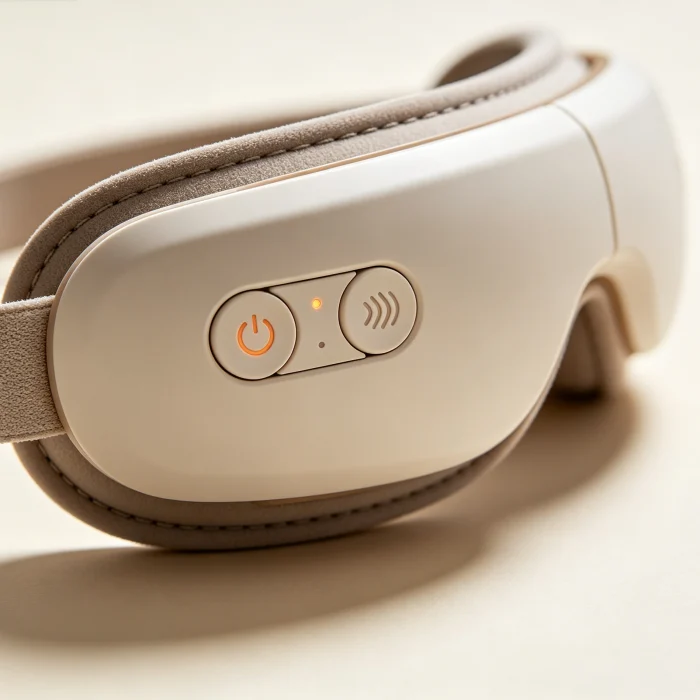
Many eye massagers have adjustable air pressure (for inflatable models) or vibration intensity. Here’s the sweet spot: you want a firm but comfortable pressure that doesn’t cause your eyes to water or feel like they’re being pushed in. If you’re using a device with airbags, start at the lowest setting and increase gradually until you feel a “tight hug” around your eyes—not a squeeze. For vibrating wands, use a pressure that indents the skin slightly but doesn’t move the underlying bone. Overly aggressive pressure can actually worsen eye strain by triggering the oculocardiac reflex, which slows heart rate and can cause dizziness.
4. Session Length and Frequency
Most devices recommend 10–15 minutes per session, once or twice daily. But here’s the catch: consistency matters more than duration. Using your eye massager for 30 minutes once a week won’t cut it. Think of it like physical therapy—short, frequent sessions build cumulative relief. A typical protocol I suggest: 10 minutes every morning and evening for 2 weeks. If you don’t notice improvement by then, something else is off. Also, avoid using the massager right before bed if it has strong vibration—it can be stimulating rather than relaxing for some people.
5. Device Maintenance: Cleanliness and Battery
Sounds basic, but a dirty or low-battery device can underperform. Silicone pads accumulate oils, dust, and dead skin—clean them with a gentle alcohol-free wipe after each use. If your device uses rechargeable batteries, a low charge can reduce vibration intensity by up to 30%. Also check for firmware updates if it’s a smart device; some models have a “calibration mode” that resets pressure sensors. When in doubt, check the AllureCircle community for your specific model—other users might have found a maintenance trick you missed.
6. When the Device Isn’t the Problem: Underlying Causes
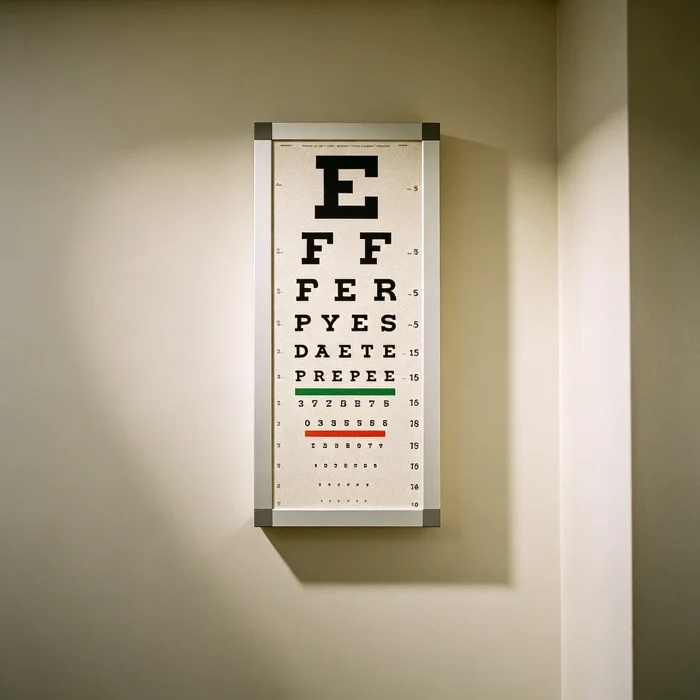
Sometimes, no amount of massage will fix eye strain because the root cause isn’t muscle fatigue—it’s uncorrected vision problems, dry eye disease, or even digital eye strain from blue light. If you’ve ruled out positioning and settings, consider an eye exam. A 2020 survey by The Vision Council found that 59% of adults who reported frequent eye strain had an undiagnosed refractive error. Eye massage can complement treatment but won’t fix a prescription need. Also, certain medications (antihistamines, antidepressants) can dry out eyes, making massage less effective. If you’re on meds, try artificial tears before your session.
7. Device Quality and Features to Look For
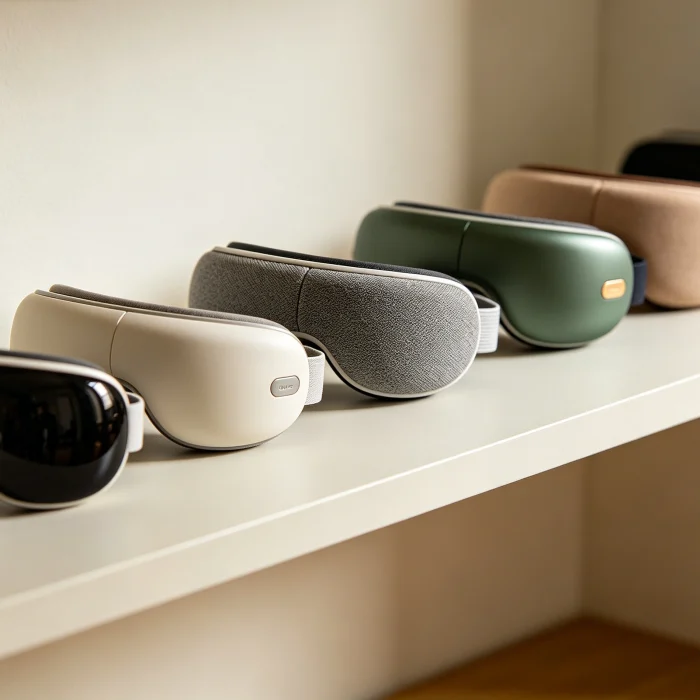
Not all eye massagers are created equal. Budget models under $30 often lack consistent heat or have weak motors. Mid-range devices ($50–$100) like the Breo iSee or Renpho typically offer adjustable heat and multiple modes. Premium ones ($150+) may include red light therapy or smart sensors. If you’re shopping for a replacement or upgrade, look for: 1) Adjustable temperature (104–113°F range), 2) Multiple pressure levels, 3) FDA clearance or CE marking (signals safety testing), 4) Positive user reviews specifically mentioning eye strain relief. For more detailed comparisons, check out the 2026 Eye Massage Equipment Guide on AllureCircle.
8. When to See a Doctor
If you’ve tried all the above for 3–4 weeks with zero improvement—or if your eye strain is accompanied by headaches, blurred vision, or double vision—see an ophthalmologist. Eye massage can mask symptoms of more serious conditions like glaucoma or uveitis. Also, if you have a history of retinal detachment, recent eye surgery, or active infection, skip massage altogether. For most people, though, a well-used eye massager is a safe, effective tool for relief. Just make sure you’re using it right.
Frequently Asked Questions
How long does it take for an eye massager to relieve eye strain?
Most people notice improvement within 1–2 weeks of daily use (10–15 minutes per session). If you don’t see results after 3 weeks, re-check your technique or consider other causes like dry eye or vision problems.
Can eye massage make eye strain worse?
Yes, if you use too much pressure or use the device on an inflamed area. Overly aggressive massage can irritate the eye muscles or increase intraocular pressure. Stick to gentle, consistent pressure.
Is heat or vibration better for eye strain?
Heat is generally more effective for eye strain because it improves meibomian gland function and blood flow. Vibration relaxes surface muscles but doesn’t address deep fatigue. Use heat mode for the majority of your session.
Can I use an eye massager if I wear contacts?
Remove contacts before using any eye massager. The heat and pressure can shift or damage contacts, and the device may trap bacteria. Wait 15 minutes after removing contacts before starting.
What’s the difference between a jade roller and an electric eye massager?
Jade rollers provide cooling and light pressure but no heat or vibration. Electric massagers offer targeted heat, adjustable pressure, and multiple modes, making them more effective for persistent eye strain. Check our comparison here.
Can eye massage help with eye pressure (glaucoma)?
Some studies suggest gentle massage may temporarily lower intraocular pressure, but it’s not a substitute for medical treatment. If you have glaucoma, consult your doctor before using an eye massager. See our article Eye Massager for Eye Pressure: Does It Actually Help? for more details.
How do I clean my eye massager?
Wipe the silicone pads with a soft cloth dampened with water or a mild alcohol-free cleanser after each use. For fabric-covered devices, check the manual—some are not washable. Never submerge the device in water.
“Eye massage devices can be incredibly effective for digital eye strain, but I see patients who’ve given up because they weren’t using them correctly. The orbital rim is key—most people miss it by a centimeter. Also, don’t underestimate heat. Many cheap devices claim to heat but only reach 95°F, which is useless. Aim for 104–107°F. And if you have dry eye, pair massage with artificial tears for best results.”
All Comments 9
Please log in to post a comment.
My eye massager has a heat setting but it's barely warm. Any recommendations for one that actually gets hot enough? The pressure settings are fine but the heat just isn't doing it for me.
I had the opposite problem—too much pressure made my eyes feel worse. Switched to the lowest setting and it's been a game changer. Also, heat really helps, but my device's heat barely gets warm. Anyone recommend a model that actually gets hot?
Honestly, I think some people just overestimate these gadgets. I tried an eye massager for weeks and saw zero improvement. Switched to simple warm compress and 20-20-20 rule, way better. Maybe it's not the device but the approach?
I've been using a heated eye mask for a month and didn't realize I was placing it too low until I read this. Turns out I was warming my cheekbones, not my eyes. Moved it up and now I actually feel the relief. Thanks for the tip about the orbital rim!
Huh, I had no idea positioning was that critical. I've been using my eye massager for a month with zero results—bet I'm guilty of the low cheekbone placement. Gonna try moving it up tonight. Thanks for the tip!
I'm skeptical about eye massagers in general. Tried two different ones and neither did anything. Maybe I'm just not the target audience, but I've had better luck with just closing my eyes for 10 minutes. 🤷♂️