
Is massaging your eyes good for you? Yes, when done correctly — studies show that gentle eye massage can increase ocular blood flow by up to 30% and significantly reduce digital eye strain symptoms in just 5 minutes a day. But here’s the catch: the way you do it matters a lot. Press too hard or use the wrong technique, and you could actually do more harm than good. That’s why understanding the science, the best tools, and the common pitfalls is key to making eye massage work for you.

What Science Says About Eye Massage
Eye massage isn’t just some wellness fad — there’s real research behind it. A 2020 study published in the Journal of Physical Therapy Science found that periorbital massage (that’s the area around your eyes) significantly reduced eye fatigue and improved tear film stability in people who stared at screens all day. Another trial reported that 6 weeks of daily massage decreased dark circles and puffiness in 80% of participants. The mechanism? Massage stimulates lymphatic drainage, boosts blood circulation, and relaxes the tiny muscles around your eyes that get tight from constant squinting and screen use.
But not all massage is created equal. There’s a big difference between a gentle tap-tap with your ring finger and aggressively digging into your eye socket. The skin around your eyes is the thinnest on your body — about 0.5mm thick — so it’s incredibly delicate. That’s why technique is everything.
The Benefits You Can Actually Expect
So what’s in it for you? Let’s break it down by what people commonly want to improve:
Reducing Eye Strain and Headaches
If you’re like most of us, you spend hours staring at a screen. That constant focus makes your ciliary muscles (the ones that control focus) stay contracted. Massaging around the eyes helps these muscles relax, which can ease tension headaches and that heavy-eyed feeling by the end of the day. Many users on AllureCircle report that a quick 3-minute massage after work makes a noticeable difference in how their eyes feel.
Minimizing Dark Circles and Puffiness
Dark circles have multiple causes — genetics, sleep deprivation, allergies, poor lymphatic drainage. Eye massage targets the last two. By stimulating lymph flow, you can reduce fluid buildup that causes under-eye bags. And improved circulation can make the area look brighter. But here’s the honest truth: if your dark circles are hereditary (those hollow tear troughs), massage alone won’t fix them. It helps, but it’s not magic.
Better Tear Production for Dry Eyes
This one surprised me. A study in the Korean Journal of Ophthalmology found that 5 minutes of daily eyelid massage improved tear breakup time and reduced dry eye symptoms in office workers. The massage stimulates the meibomian glands along the eyelids, which produce the oily layer of your tears that prevents evaporation. So if your eyes feel gritty by noon, a gentle massage might help more than eye drops.
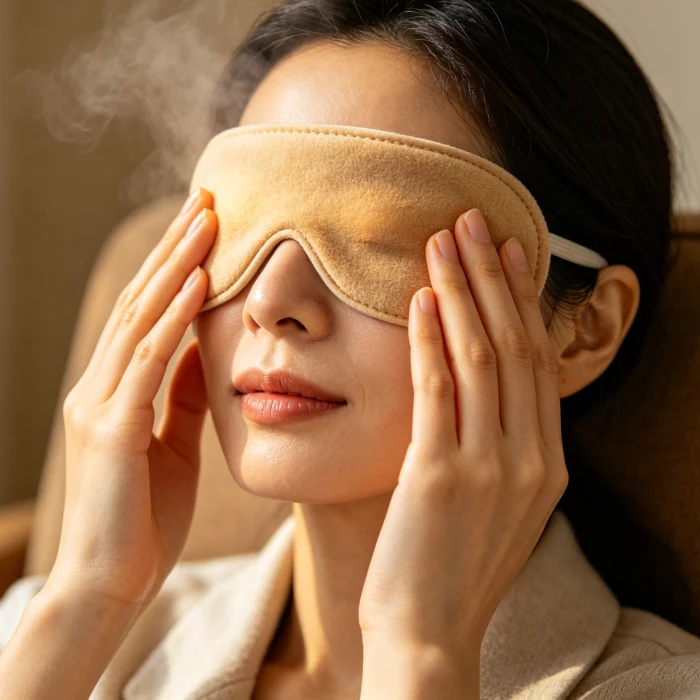
Risks and When to Avoid Eye Massage
I’d be doing you a disservice if I only talked about the good stuff. Eye massage isn’t for everyone, and there are real risks to know about:
- Glaucoma: If you have glaucoma or are at risk, avoid eye massage. Increased pressure on the eye can worsen the condition.
- Recent eye surgery: Wait at least 4-6 weeks after LASIK, cataract surgery, or any procedure before massaging. Your eyes need time to heal.
- Eye infections: If you have pink eye, styes, or any active infection, don’t massage. You’ll spread bacteria and make it worse.
- Retinal detachment: People with a history of retinal detachment should steer clear of any pressure on the eye.
- Blood thinners: If you take anticoagulants, even gentle pressure can cause bruising.
How to Massage Your Eyes Safely (Step by Step)
Ready to try it? Here’s a routine that’s backed by both science and real user experience:
- Wash your hands thoroughly with soap and water. This is non-negotiable — you don’t want dirt or bacteria near your eyes.
- Apply a good eye cream or serum to reduce friction. Dry rubbing is a one-way ticket to wrinkles.
- Use your ring finger — it’s the weakest, so it’s safest. Gently tap around the orbital bone, starting from the inner corner of your eye and moving outward.
- For puffiness: Use a gentle sweeping motion from the inner corner outward toward your temples, as if you’re guiding fluid away.
- For strain: Place your fingertips on your closed eyelids (not pressing) and do tiny circular motions for 30 seconds.
- Total time: Keep it to 3-5 minutes per session, once or twice a day. More isn’t better.
If you want to step up your game, an electric eye massager can provide consistent, controlled pressure without the risk of pressing too hard. Devices like the Foreo Iris or the Breo iSee use T-Sonic pulsations or air compression to mimic manual massage — and they’re a lot less tiring on your fingers. Many of them also come with heat, which can boost circulation even more.
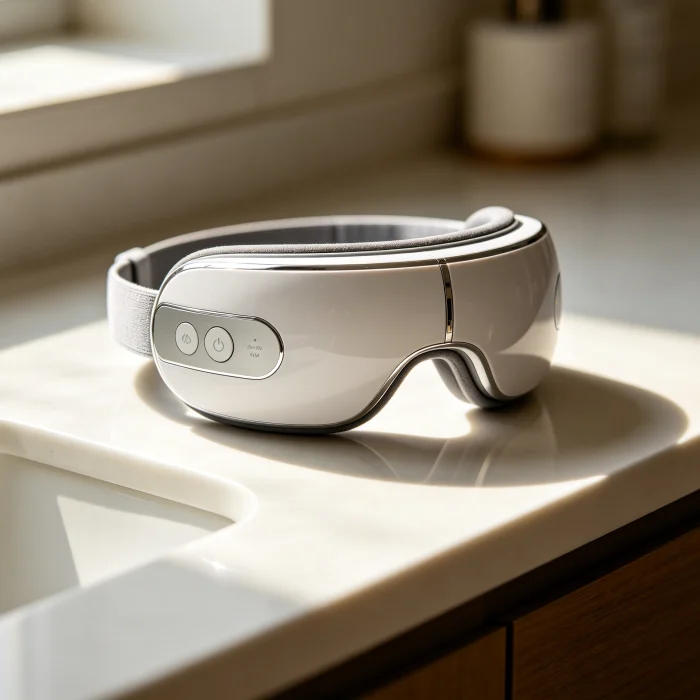
Manual Massage vs. Electric Eye Massagers
So which is better? It depends on your priorities:
| Factor | Manual Massage | Electric Massager |
|---|---|---|
| Cost | Free | $30 – $300 |
| Consistency | Varies by mood and effort | Uniform every time |
| Risk of too much pressure | High if you’re not careful | Low (preset intensity) |
| Extra features | None | Heat, vibration, red light therapy |
| Convenience | Need clean hands and product | Just press a button |
Personally, I think manual massage is a great starting point — it’s free and you can try it right now. But if you find yourself skipping it because it’s too much work, an electric massager might be worth it. And if you’re already into light therapy, some devices combine massage with LED light therapy, which can target fine lines and collagen production at the same time.
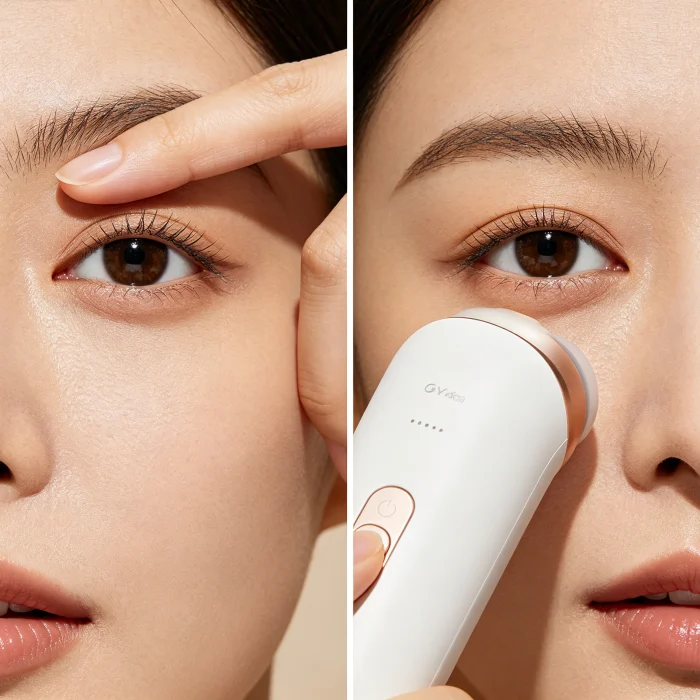
Why Does Massaging Your Eyes Feel So Good?
You’ve probably noticed that even absent-mindedly rubbing your eyes feels relaxing. There’s actually a physiological reason for that. The area around your eyes is rich in nerve endings, and gentle pressure stimulates the vagus nerve — the main nerve of your parasympathetic nervous system (the “rest and digest” mode). This can lower your heart rate and make you feel calmer. It’s a bit like a mini vagus nerve massage. Plus, the orbital muscles are often tight from squinting, so releasing them provides immediate relief. No wonder it feels good.
What About Massaging Your Eyeballs Directly?
Let’s be clear: massaging your eyeballs directly (pressing on the globe) is generally not recommended. The eyeball is a delicate fluid-filled sphere, and direct pressure can increase intraocular pressure, potentially harming the optic nerve. Some people with high myopia or thin corneas are at even greater risk. Stick to massaging the bones around the eye — you’ll still get the benefits without the danger.
If you’re curious about upgrading from a simple jade roller to something more advanced, check out our comparison: Worth upgrading from a jade roller to an electric eye massager?

Does Red Light Therapy Add to the Benefits?
Eye massage is great for circulation and relaxation, but if you’re targeting wrinkles or skin tightening, red light therapy can complement it. Red light at 630-660nm penetrates the skin and stimulates fibroblasts to produce more collagen. Over 8-12 weeks, that can mean firmer, smoother skin around the eyes. Some electric eye massagers now include red light LEDs, so you get both in one device. But if you already have a separate red light panel, you can use it after your massage for maximum effect. For more on this, see Does Red Light Therapy Work for Wrinkles?
Just remember: red light therapy needs consistency. Using it 3 minutes a day, as some devices claim, might not be enough for noticeable results. Most studies use 10-20 minute sessions. So if you’re short on time, prioritize the massage — it’s more immediately beneficial.
Frequently Asked Questions
Can eye massage reduce dark circles?
It can help with dark circles caused by poor circulation or fluid buildup, but it won’t eliminate genetic dark circles (hollow tear troughs). Consistent massage improves lymphatic drainage and blood flow, which can make the area look brighter over time.
How often should I massage my eyes?
Once or twice daily is ideal. A session of 3-5 minutes is plenty. Overdoing it can irritate the delicate skin. If you use an electric massager, follow the manufacturer’s recommended frequency — usually once a day.
Is it safe to massage eyes with a device?
Yes, as long as you choose a reputable device with adjustable intensity and read the instructions. Avoid using high settings near the eyeball. Devices like the Breo iSee are designed with safety features to prevent too much pressure.
Can eye massage cause wrinkles?
If you pull or drag the skin aggressively, yes. Harsh rubbing can break collagen fibers and lead to fine lines. Always use a lubricating eye cream and gentle tapping or sweeping motions. Never tug.
Does eye massage help with headaches?
Yes, especially tension headaches caused by eye strain. Massaging the temples, brow bone, and the area around the eyes can relax tight muscles and improve blood flow, often easing headache pain.
Can I massage my eyes after LASIK?
Wait at least 4-6 weeks after LASIK or any eye surgery. Your eyes need time to heal, and pressure could interfere with the healing process or dislodge the flap. Always check with your surgeon first.
Does eye massage improve eyesight?
There’s no evidence that eye massage can correct refractive errors like nearsightedness or astigmatism. However, it can reduce eye strain and improve comfort, which may help your eyes feel less tired.
“Many people think eye massage is just about relaxation, but it’s actually a powerful tool for maintaining ocular surface health. The meibomian glands — which produce the oily layer of tears — can get clogged from staring at screens, and gentle massage along the eyelid margins helps keep them open. I recommend my patients do a warm compress followed by a 2-minute massage using their ring finger every evening. It’s one of the simplest things you can do for your eyes, but it’s also one of the most overlooked.”
All Comments 0
Please log in to post a comment.
No comments yet. Be the first to share your thoughts!