
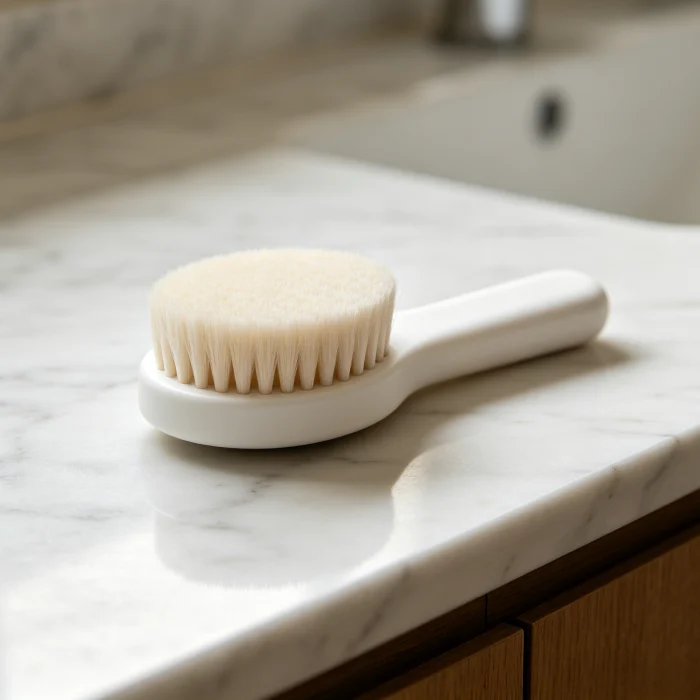
Using a facial brush daily can lead to over-exfoliation, micro-tears, irritation, and a compromised skin barrier—especially for those with sensitive skin or conditions like rosacea or acne. While these brushes can effectively remove makeup and debris, their bristle action, even on low settings, can strip the skin’s protective layer if used too often or with too much pressure. It’s not just about the tool itself; how you use it matters just as much.
But here’s the thing—many people don’t realize that the “deep clean” feeling isn’t always a good thing. That tight, squeaky-clean sensation? That’s your skin’s natural oils being stripped away. Over time, this can lead to increased sensitivity, redness, and even breakouts as your skin tries to compensate by producing more oil.
Let’s break down the real downsides, so you know what you’re getting into before you add a facial brush to your routine.
1. Over-Exfoliation and Skin Barrier Damage
The biggest risk is over-exfoliation. Most facial brushes recommend use 2-3 times per week, but plenty of users think “if a little is good, more is better.” That’s how you end up with a damaged moisture barrier. The stratum corneum—your skin’s outermost layer—gets thinned out, leading to transepidermal water loss. Translation: your skin becomes dry, irritated, and more prone to inflammation.
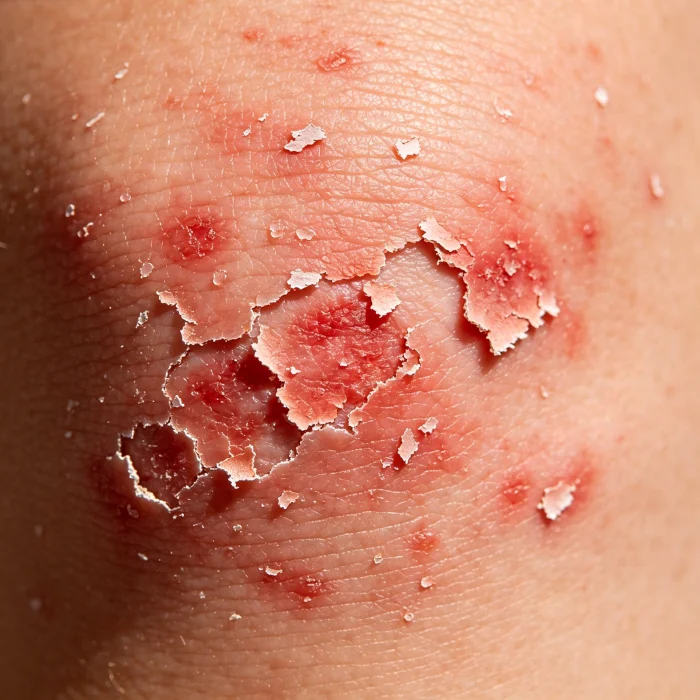
A 2017 study in the Journal of Clinical and Aesthetic Dermatology found that even soft-bristle brushes can temporarily increase transepidermal water loss after just one use. Repeated use without allowing the skin to recover can make the problem chronic.
2. Micro-Tears in the Skin
Even soft bristles can create micro-tears—tiny, invisible breaks in the skin’s surface. These aren’t just cosmetic; they can let bacteria in, leading to breakouts and even infections. This is especially true if you’re pressing too hard or using a brush with stiff bristles. Think of it like this: you wouldn’t scrub a delicate silk blouse with a wire brush, so why do that to your face?
For people with active acne, micro-tears can spread bacteria across the face, turning a few pimples into a full breakout. It’s one reason many dermatologists advise against using facial brushes on inflamed skin.

3. Spread of Bacteria and Breakouts
Facial brushes can become a breeding ground for bacteria if not cleaned properly. The bristles trap dead skin cells, oil, and product residue—perfect conditions for bacterial growth. If you’re not cleaning your brush head weekly and replacing it every 3 months, you’re basically rubbing old gunk back into your pores. Not exactly the “clean” you’re going for.
Some users report breaking out after starting a facial brush, and the culprit is often a dirty brush head. That’s why the type of brush matters—silicone brushes are easier to clean and dry faster than nylon bristle ones.
4. Not Suitable for All Skin Types
Facial brushes aren’t a one-size-fits-all tool. If you have sensitive skin, rosacea, eczema, or active acne, a brush can worsen your condition. The physical exfoliation can trigger redness, flushing, and irritation. Even those with normal skin need to be careful—over time, the constant friction can lead to broken capillaries and a permanently flushed appearance.
For people with dry or dehydrated skin, the brush can strip away the little oil you have, leaving your skin feeling tight and flaky. And if you’re using prescription retinoids or acids, the brush can increase absorption and irritation, leading to a chemical burn-like reaction.
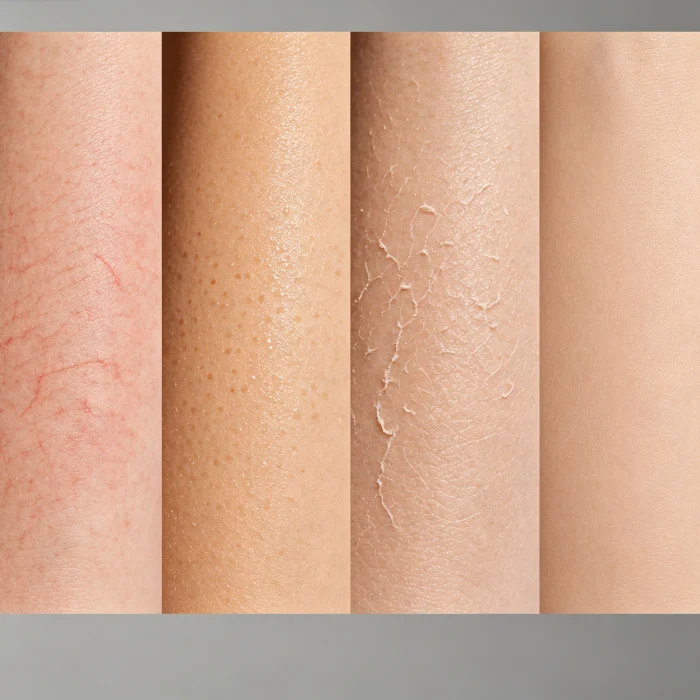
So before you buy, check your skin type and consider if you really need that extra exfoliation. Sometimes, a gentle cleanser and your hands are plenty.
5. Cost and Upkeep
Let’s talk money. A decent facial brush can cost anywhere from $20 to $200, and you need to replace the brush heads every 3 months. That adds up—around $20-40 per year just on heads. Plus, you’ll need a special cleanser that doesn’t foam too much or have gritty particles. And if the brush is rechargeable, you’re on the hook for battery replacement or disposal after a few years.
Compare that to a $10 silicone scrubber that you can just wash and use forever. If you’re not committed to the maintenance, a facial brush might not be worth the investment. Check out our guide on whether a facial brush is worth it for a full cost-benefit breakdown.
6. Risk of Over-Cleansing and pH Disruption
Your skin’s natural pH is around 4.5 to 5.5—slightly acidic. Harsh cleansers combined with the mechanical action of a brush can raise the pH, disrupting the acid mantle. This leaves your skin vulnerable to environmental damage and bacteria. It’s not just about what you put on your skin, but how you take it off.
Some users also develop a dependency on the brush—they feel their face isn’t clean without it. But your skin has its own ecosystem. Over-cleansing can strip beneficial bacteria, leading to dysbiosis and inflammation. Think of it like over-washing your hands: it kills the good guys too.

7. Improper Technique and Pressure
Even if you have the best brush, using too much pressure or the wrong technique can cause damage. Many people press the brush against their skin, thinking more pressure equals a deeper clean. In reality, the brush should glide over the skin with minimal effort. Let the bristles do the work.
Common mistakes include: using the brush on active breakouts, scrubbing in circles too vigorously, and not washing the brush head after each use. For a proper routine, see our beginner’s guide to using a face brush.
8. Not a Replacement for Professional Care
Facial brushes are great for maintenance, but they can’t replace professional facials or treatments. If you have persistent acne, deep blackheads, or signs of aging, a brush alone won’t solve the problem. In fact, using a brush on cystic acne can make it worse. It’s also not a substitute for proper exfoliation with chemical exfoliants like AHAs or BHAs, which can penetrate deeper without physical irritation.
Some people use brushes in combination with harsh scrubs, thinking they’ll get an even deeper clean. That’s a recipe for disaster. Always choose one form of exfoliation per session—either physical (brush) or chemical (acid), never both.

If you’re curious about how facial brushes compare to other methods, check out our article on brushes vs. manual cleansing and brushes vs. sponges.
Frequently Asked Questions
Is it OK to use a face brush everyday?
For most people, no. Daily use can over-exfoliate and damage the skin barrier. Stick to 2-3 times per week, especially if you have sensitive skin. Listen to your skin—if it feels tight or looks red, cut back.
Can facial brushes cause breakouts?
Yes, if the brush isn’t cleaned regularly or if you use it on active acne. The bristles can harbor bacteria and spread them across your face. Also, over-exfoliation can cause a purge-like reaction in some people.
What are the side effects of using a facial brush?
Common side effects include redness, irritation, dryness, flaking, and increased sensitivity. Long-term overuse can lead to broken capillaries and a compromised moisture barrier. For a full list, read our article on face cleaning brush side effects.
Who should not use a facial brush?
Avoid facial brushes if you have rosacea, eczema, active acne, sunburn, or very sensitive skin. Also, skip them if you’re using strong retinoids or acids, as the combination can cause irritation.
How often should I replace my facial brush head?
Every 3 months, or sooner if the bristles look frayed or discolored. Dirty brush heads can cause infections and breakouts. Silicone brushes should be washed after each use and replaced if they show wear.
Can facial brushes help with blackheads?
They can help remove surface impurities, but they’re not a cure for blackheads. Over-exfoliation can actually worsen them by irritating the pores. Chemical exfoliants like salicylic acid are more effective for blackheads.
Are silicone brushes better than bristle brushes?
Silicone brushes are gentler, easier to clean, and more hygienic. They’re a better choice for sensitive skin. Bristle brushes can be more effective at removing makeup but require more maintenance and are harsher on the skin.
From a dermatologist’s perspective, the biggest concern with facial brushes is that patients often don’t realize they are over-exfoliating until the damage is done. I’ve seen cases where daily use of a brush led to a compromised skin barrier that took months to repair. My advice: treat a facial brush like a power tool—use it sparingly and with respect. For most people, a gentle cleanser and your fingertips are sufficient for daily cleansing. If you want to exfoliate, a mild chemical exfoliant like lactic acid is often safer and more effective than physical scrubbing.
All Comments 0
Please log in to post a comment.
No comments yet. Be the first to share your thoughts!