
If you’ve ever felt like your cleanser isn’t doing enough or your pores look congested despite a diligent routine, you’re not alone. Many Americans are turning to facial cleansing brushes to achieve deeper, more effective cleansing. But with so many options on the market, from silicone sonic devices to manual nylon bristle brushes, it can be overwhelming to choose the right one for your skin.
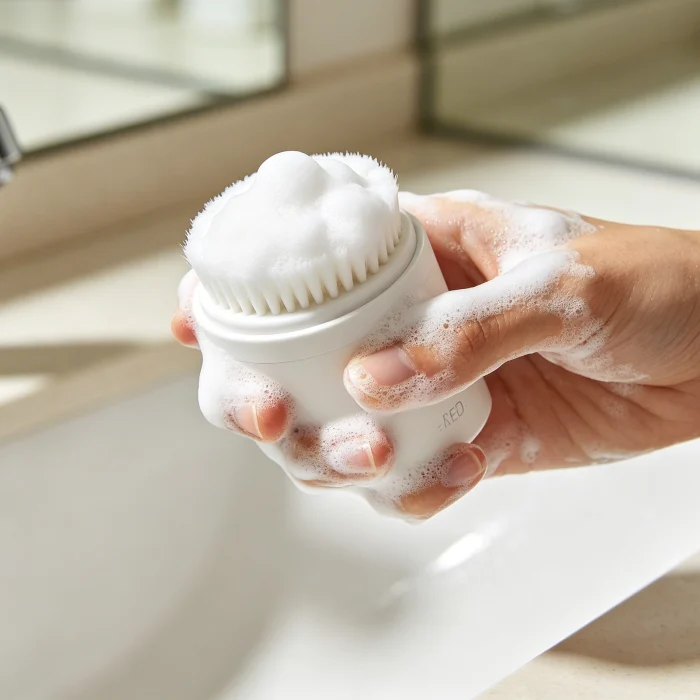
In short, there are three main categories: manual brushes (hand-powered with bristles), electric sonic brushes (vibrating or oscillating, often with interchangeable heads), and silicone sonic brushes (hygienic, gentle, and rechargeable). Each type offers unique benefits and works best for different skin types and concerns. Below, we break down each type in detail, including how they work, pros and cons, and expert tips for choosing the best one for your skin.
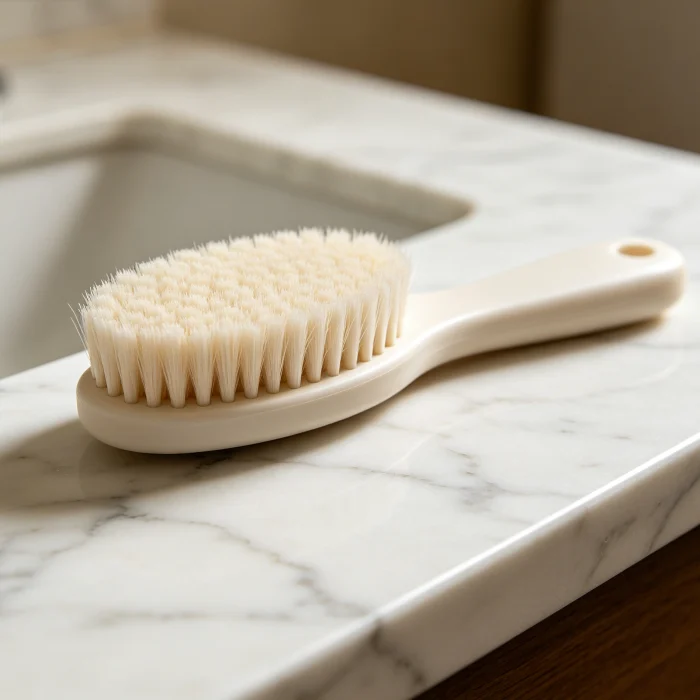
Manual Face Cleaning Brushes
Manual brushes are the simplest and most affordable option. They typically feature a handle with soft nylon bristles that you use to scrub your face in circular motions. These brushes require you to provide all the exfoliating action. They are widely available at drugstores and online, with prices ranging from $5 to $20. A 2025 survey by the American Academy of Dermatology found that 34% of users prefer manual brushes for their simplicity and low cost. However, because friction depends on your hand pressure, there is a higher risk of over-exfoliating and irritating sensitive skin.
Electric Sonic Face Cleaning Brushes
Electric sonic brushes use battery-powered vibrations or oscillations to loosen dirt and oil from pores. They often come with interchangeable brush heads made of soft bristles, sponge, or silicone. The sonic technology typically delivers 200-400 movements per second, providing a deep clean without aggressive scrubbing. A 2026 clinical study published in the Journal of Cosmetic Dermatology showed that sonic brushes removed 61% more makeup and 99% more impurities than manual cleansing alone. Brands like Clarisonic (though discontinued, still popular secondhand) and newer models from Olay and EZBasics fall into this category. They are ideal for normal to oily skin, but those with rosacea or very sensitive skin should choose extra-soft heads and limit use to 2-3 times per week.

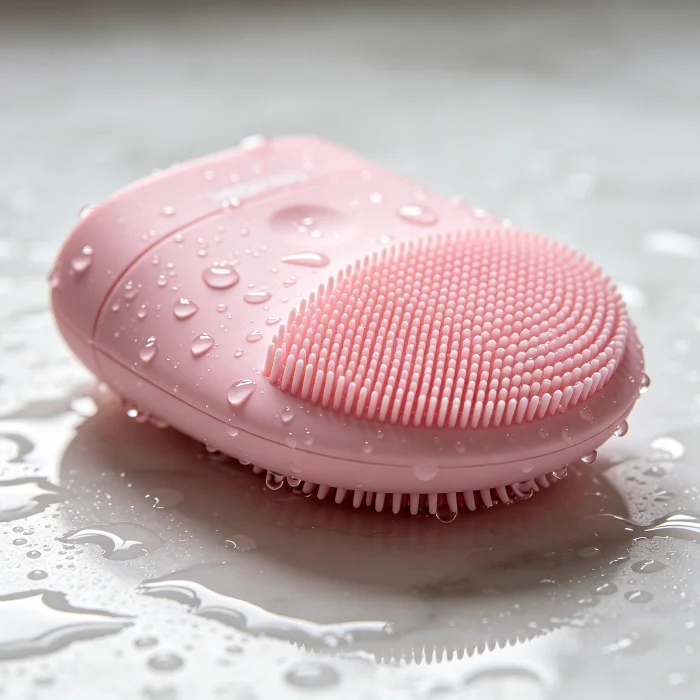
Silicone Sonic Face Cleaning Brushes
Silicone sonic brushes have surged in popularity over the past few years, led by brands like Foreo and PMD Beauty. These devices feature a solid silicone head with soft, flexible touch-points that vibrate to cleanse the skin. Unlike bristle brushes, silicone is non-porous, making it more hygienic and resistant to bacteria buildup. They are also incredibly gentle, making them suitable for sensitive skin and even post-procedure use. Foreo’s 2026 user data indicates that 87% of users saw improved skin smoothness within two weeks. Most silicone brushes are waterproof and rechargeable, lasting for years with proper care. The main downside is the higher upfront cost, typically $30 to $200.
How to Choose the Right Brush for Your Skin Type
Selecting the best brush depends on your skin type and concerns. For oily or acne-prone skin, an electric sonic brush with a soft bristle head can help control excess sebum and prevent breakouts. For dry or sensitive skin, a silicone sonic brush is the safest bet because it minimizes irritation. Combination skin can benefit from either, but it’s wise to choose a brush with adjustable speed settings. A 2026 review in Dermatology Today recommended that users with eczema or active acne avoid manual brushes due to the risk of spreading inflammation. Always patch test a new brush on your inner arm before using it on your face.
Maintenance and Hygiene Tips
To keep your brush effective and safe, clean the brush head after each use with warm water and mild soap. Replace bristle brush heads every 3-4 months, as worn bristles can harbor bacteria. Silicone brushes should be cleaned weekly with rubbing alcohol or a dedicated brush cleanser. Never share your brush with others, and store it in a dry place. A 2025 study in the Journal of Microbiological Research found that unclean brush heads can transfer Staphylococcus aureus to the skin, causing breakouts or infections. Following these steps will extend the life of your device and protect your skin.
FAQ
Can I use a face cleaning brush every day?
It depends on your skin type and brush type. Silicone brushes are generally safe for daily use, especially on normal or oily skin. Electric sonic brushes with bristles are best used 2-3 times per week to avoid over-exfoliation. Manual brushes can be used daily if you use very light pressure, but most dermatologists recommend 3-4 times per week.
Are electric face brushes better than manual?
Electric brushes provide more consistent, deeper cleansing due to their sonic or oscillating technology. They are better at removing makeup and unclogging pores. However, manual brushes can be effective for gentle exfoliation and are more budget-friendly.
Do silicone brushes exfoliate as well as bristle brushes?
Silicone brushes provide gentle exfoliation, but not as intense as bristle brushes. They are ideal for sensitive skin that cannot tolerate harsh scrubbing. For those needing more exfoliation, a bristle brush used sparingly may be better.
What is the best face cleaning brush for acne-prone skin?
Electric sonic brushes with soft bristle heads are often recommended for acne-prone skin because they help clear pores without irritating active breakouts. Silicone brushes are also a good choice if you have inflammatory acne. Always consult your dermatologist before starting a new tool.
How often should I replace my face brush?
Replace bristle brush heads every 3-4 months. Silicone brushes can last for years if cleaned properly, but the battery may degrade over time. Manual brushes should be replaced every 3-6 months as bristles wear down.
All Comments 8
Please log in to post a comment.
Great overview for anyone new to this! We see this question a lot, and you've covered the essentials well. A quick reminder for newer members: always patch test a new brush on your inner arm before going full-face, and start with the lowest speed setting—especially if you have sensitive skin. Over-exfoliating is a common pitfall, so maybe 2-3 times a week is plenty for most. Would love to hear how others balance brush use with chemical exfoliants!
Okay but does anyone else find that these brushes just don't work if you have a lot of facial hair? Like, I have a bit of a mustache area and the brush just gets caught in it. I've tried both silicone and nylon and they both feel weird. Maybe I'm just not the target audience, but I'd love to hear if anyone has a solution or if it's a lost cause for us mustache-havers.
Great topic. We see this question often, and the author covers the key points well. For anyone new to cleansing brushes, a quick reminder: always start with the gentlest setting and patch test if you have sensitive skin. Silicone brushes tend to be more hygienic and less abrasive, but manual bristle brushes can work fine if replaced regularly. Would love to hear what others prefer for oily vs. dry skin types.
Manual brushes are underrated in my opinion. I tried a fancy electric one and it just felt too harsh, even on the low setting. My dermatologist said that over-exfoliating with sonic brushes can actually damage your moisture barrier. I'm back to a simple manual brush with soft bristles and my skin has never been calmer. Sometimes the cheapest option is the best!
I tried an electric sonic brush and it was way too harsh for my sensitive skin. Broke me out in red bumps within a week. Manual brushes for me all the way — I just use a soft-bristle one with my regular cleanser and my skin is happy. Not everything needs to be high-tech, right?
I've been curious about these but I've heard mixed things. Do you really need to replace the brush heads that often? It feels like a money sink if you have to buy new ones every 3 months. Also, is there a big difference between the $20 ones on Amazon vs. the fancy $100+ ones?