
You should generally use a facial brush 2-3 times per week, but this varies by your skin type and brush bristle firmness. Over 70% of dermatologists recommend limiting physical exfoliation to a few times weekly to avoid compromising the skin barrier. For sensitive or acne-prone skin, even once weekly with a soft brush may be enough. The key is to start slow and pay attention to how your skin reacts.
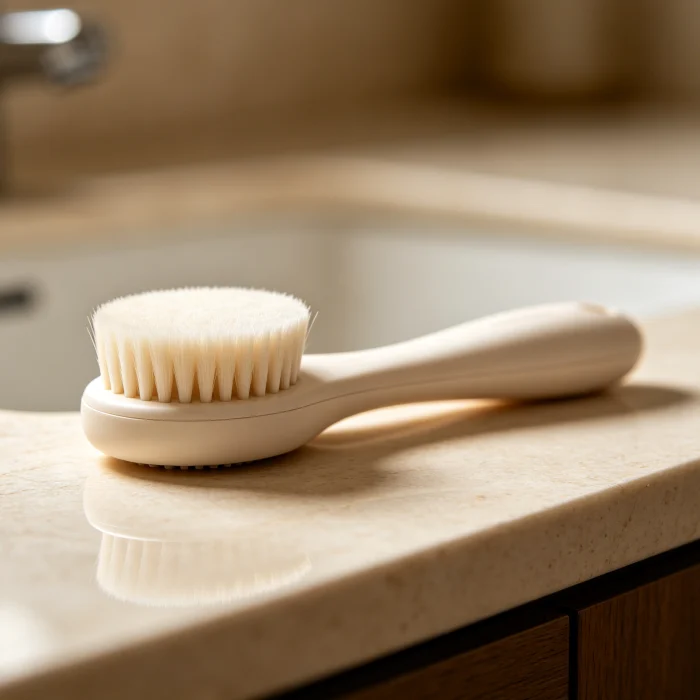
I remember when I first got my Clarisonic Mia — I was so excited I used it every night for a week. My skin looked great for two days, then turned red and flaky. Turns out, that’s a classic rookie mistake. Your skin’s barrier needs time to recover between exfoliation sessions. Think of it like a gentle workout: you wouldn’t hit the gym hard every single day without rest, right?
Your ideal frequency depends heavily on your brush type. Silicone brushes (like the FOREO Luna) tend to be gentler than nylon-bristle brushes, so some people can use them daily without irritation. But even then, most experts agree that 2-3 times a week is the sweet spot for most. If you’re using a brush with firmer bristles, stick to once or twice a week max.
Why Frequency Matters for Your Skin Barrier
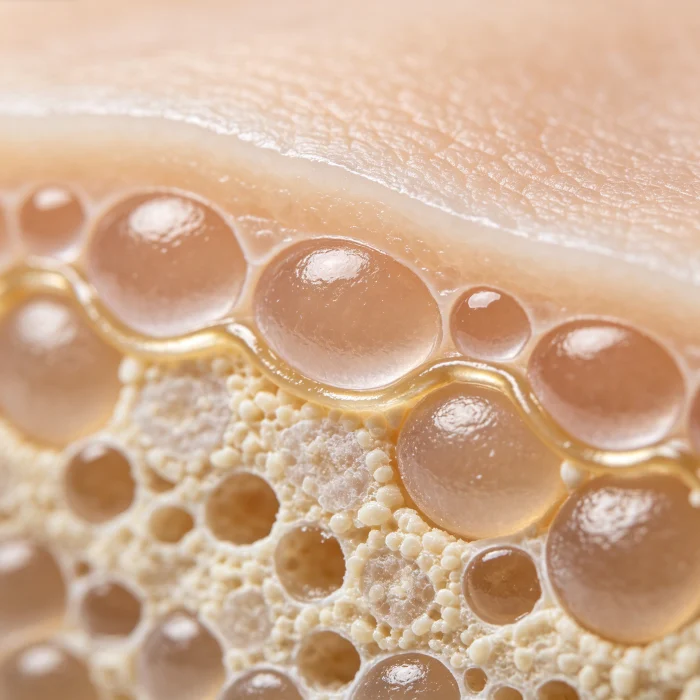
Your skin has a natural microbiome and an acid mantle that protects it. Over-brushing strips away protective oils and good bacteria. A 2015 study in the Journal of Dermatological Science found that over-exfoliation can increase transepidermal water loss (TEWL) by up to 20% after just one week of daily use. That means drier, more reactive skin over time.
On the flip side, using a brush too rarely means you’re missing out on the benefits: better product absorption, smoother texture, and reduced clogged pores. For example, if you wear makeup or sunscreen daily, a couple of weekly brush sessions can help prevent buildup. Many AllureCircle users share that finding the right balance transformed their skin without the irritation they’d had before.
How Often by Skin Type
| Skin Type | Recommended Frequency | Brush Type Tip |
|---|---|---|
| Oily / Combination | 3-4 times per week | Medium-soft bristles or silicone |
| Normal | 2-3 times per week | Soft bristles or silicone |
| Dry / Dehydrated | 1-2 times per week | Silicone or ultra-soft bristles |
| Sensitive / Rosacea | Once every 1-2 weeks (or skip) | Only silicone, and use gentle circular motions |
| Acne-prone | 2-3 times per week (avoid active breakouts) | Soft bristles; replace brush head regularly |
These are starting points. Your skin’s actual tolerance may differ — especially if you also use chemical exfoliants like AHAs or retinoids. If you’re using a retinol at night, skip the brush the next morning to avoid overdoing it.
Signs You’re Overusing Your Facial Brush
Your skin will tell you when you’ve gone too far. Look for these red flags:
- Redness that lasts more than an hour after brushing
- Stinging when applying moisturizer or toner
- Increased breakouts (especially small, uniform bumps — that’s irritation, not purging)
- Flaky patches, especially around the nose and cheeks
- A feeling of tightness after washing
If you spot any of these, give your skin a break for at least a week. Focus on gentle cleansing and barrier-repair moisturizers with ceramides or niacinamide. Then reintroduce the brush at half your previous frequency.

How to Use a Facial Brush Correctly for Best Results
Technique matters almost as much as frequency. Here’s a quick routine that works for most people:
- Wet your face and the brush with lukewarm water.
- Apply a gentle, non-abrasive cleanser to the brush or your face.
- Move the brush in small circular motions — don’t scrub back and forth. Spend about 20 seconds on your T-zone, 10 seconds on each cheek, and avoid the delicate eye area.
- Rinse thoroughly and pat your face dry with a clean towel.
- Follow up with your usual toner, serum, and moisturizer.
For more detailed steps, check out our complete beginner’s guide on AllureCircle.
Frequently Asked Questions
Can I use a facial brush every day?
It depends on the brush type and your skin. Silicone brushes are gentler and some people tolerate daily use, but most dermatologists recommend 2-3 times a week to avoid irritation. If you have sensitive skin, daily use is not advised.
What happens if I overuse my facial brush?
Overuse can strip your skin’s natural oils, leading to dryness, redness, flaking, and increased sensitivity. It can also disrupt your skin barrier, making you more prone to breakouts and irritation.
Should I use a facial brush in the morning or evening?
Either works, but evening is often better because you’re removing makeup, sunscreen, and the day’s dirt. If you use active ingredients like retinol at night, brush in the morning instead to avoid over-exfoliation.
Can I use a facial brush with acne?
Yes, but cautiously. Use a soft brush and avoid active, inflamed breakouts — the friction can worsen them. Stick to 2-3 times a week and focus on gentle cleansing. For more details, see our side effects guide.
How do I know if my brush is too harsh?
If your skin feels irritated, looks red, or stings after use, the brush may be too harsh. Switch to a silicone brush or use the brush less often. Also, check the bristle firmness — soft bristles are best for most skin types.
Is a facial brush better than a sponge?
For deep cleansing, facial brushes are generally more effective at removing dirt and oil than sponges. However, they can be more abrasive. Our comparison guide breaks down the pros and cons.
How long should I use a facial brush each session?
Limit total brushing time to 60 seconds for the entire face. Spend about 20 seconds on the forehead, 10 on each cheek, and 10 on the chin and nose. Going longer increases irritation without extra benefit.
Can I use a facial brush if I have eczema?
If you have active eczema, avoid using a facial brush on affected areas as it can worsen inflammation. Once the eczema is under control, you may use a very soft silicone brush occasionally, but consult your dermatologist first.
“Many patients come to me thinking that the more they exfoliate, the better their skin will look. But the truth is, your skin’s barrier is delicate. I recommend using a facial brush no more than 2-3 times a week for most skin types, and always with a gentle cleanser. Over-exfoliation is one of the most common causes of sensitivity I see in my practice. If you listen to your skin and adjust based on how it feels, you’ll get all the benefits without the damage.”
All Comments 0
Please log in to post a comment.
No comments yet. Be the first to share your thoughts!