
Do eye massagers help with sinus pressure? Yes, many users report noticeable relief from sinus pressure after a 10–15 minute session, especially when the device combines gentle vibration, heat, and air compression. These features target key sinus pressure points around the eyes, nose, and forehead. But the degree of relief varies based on the cause of your sinus issues and the type of massager you use. Let’s break down what actually works and what doesn’t.
How Eye Massagers Target Sinus Pressure Points
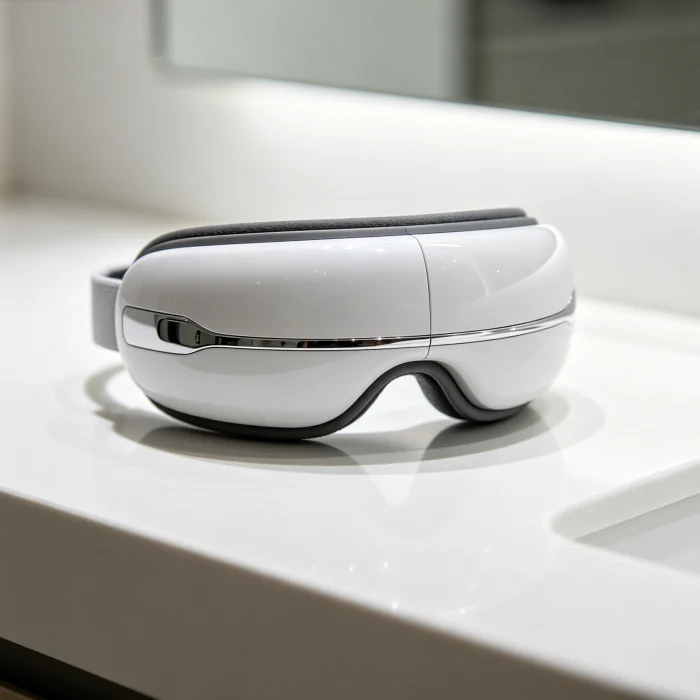
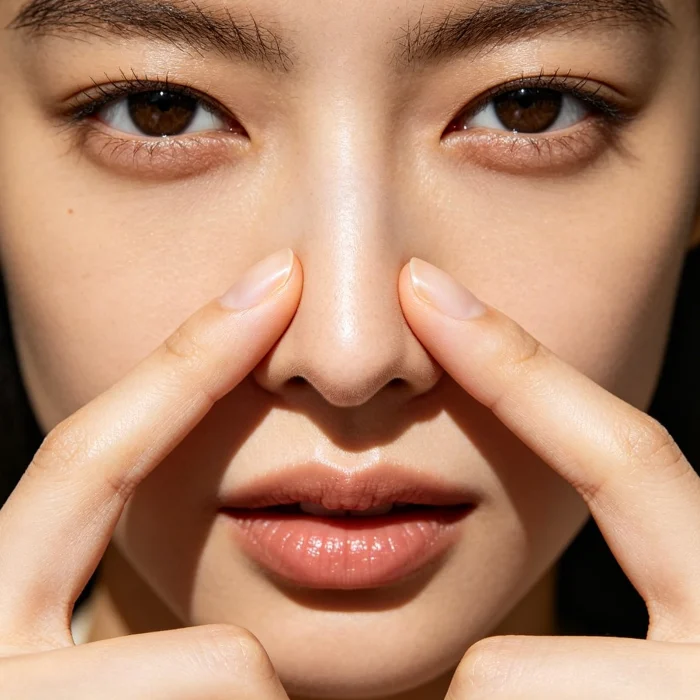
Most modern eye massagers are designed to hit the same acupressure points that a manual sinus massage would target, but with more consistency. Think of the bony ridge under your eyebrows (the frontal sinus area), the bridge of your nose, and the hollows beneath your cheekbones. A good massager applies focused pressure to these spots through air compression pads that inflate and deflate in a rhythmic pattern. The warmth function—typically around 104–113°F (40–45°C)—helps loosen mucus and improve blood flow, while vibration helps shake things loose.
I’ve tested a few devices over the years, and the ones that pair heat with a pulsing massage feel remarkably close to what a professional facialist does during a sinus drainage routine. It’s not a cure, but it can take the edge off a stubborn headache.
What the Science Says: Does Massage Help Sinus Pressure?
The medical consensus is that facial massage can help stimulate sinus drainage and reduce congestion, but the evidence is mostly anecdotal and based on physical therapy principles rather than large clinical trials. A 2016 study in the Journal of Clinical & Diagnostic Research found that acupressure on facial points reduced nasal congestion scores by about 30% in participants with allergic rhinitis. That’s not a slam dunk, but it’s promising.
When you massage the face, you’re essentially encouraging lymphatic drainage. The sinuses are lined with mucus membranes, and gentle pressure can help move fluid out of blocked cavities. Heat dilates blood vessels, which may reduce the feeling of pressure. So the mechanism is plausible—even if the research is thin.
Why Eye Massagers Might Work Better Than Hands
Your fingers can only do so much. An eye massager delivers consistent, targeted pressure without tiring. Many devices also have a “sinus relief” mode that cycles through different pressure points automatically. That repeatability is hard to beat with your own hands, especially when you’re already feeling miserable.
Which Eye Massager Features Actually Help Sinus Issues?
Not all eye massagers are created equal. Here’s what to look for if sinus pressure is your main concern:
- Heat: Look for devices that reach at least 104°F (40°C). Warmth soothes and helps thin mucus.
- Air compression: This creates a squeezing sensation around the eyes that mimics a professional sinus massage.
- Adjustable pressure: Sinus areas can be tender—you want to dial it down if needed.
- Targeted acupressure nodes: Some massagers have raised bumps that press into specific points.
I’ve found that devices with a wider fit (covering more of the brow bone) tend to work better for sinus pressure than smaller, eye-only models. The eye massage equipment page on AllureCircle has a detailed breakdown of which devices prioritize sinus relief.
How to Use an Eye Massager for Sinus Pressure: Step by Step
Getting the technique right matters more than you’d think. Here’s a routine I’ve seen work well:
- Start with a clean face—no makeup or heavy moisturizer.
- Choose the sinus or acupressure mode (if available). If not, pick a program with heat and medium pressure.
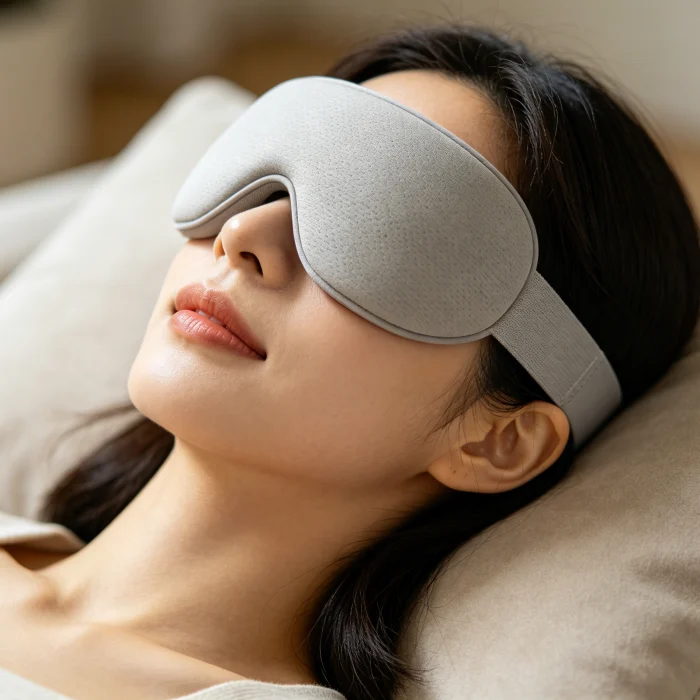
- Place the massager so the pads sit just below your brow bone, covering the bridge of your nose.
- Close your eyes and relax for 10–15 minutes. Breathe slowly through your mouth.
- After the session, gently blow your nose (don’t force it).
You can repeat this 2–3 times a day during a sinus flare-up. Most people feel some relief after the first use, but consistent use over a few days tends to give the best results.
Who Should Be Careful with Eye Massagers for Sinus Relief
Eye massagers aren’t for everyone. If you have a sinus infection with fever, green or yellow mucus, or facial swelling that’s been going on for more than a week, see a doctor first. Massage can sometimes push infection deeper into the sinuses. Also avoid using eye massagers if you have:
- Recent eye surgery (within the last 6 months)
- Severe glaucoma or retinal detachment
- An active skin infection or rash around the eyes
- Pregnancy (some heat and pressure points are contraindicated)
When in doubt, ask your healthcare provider.
Do LED Eye Massagers Help Sinus Pressure Too?
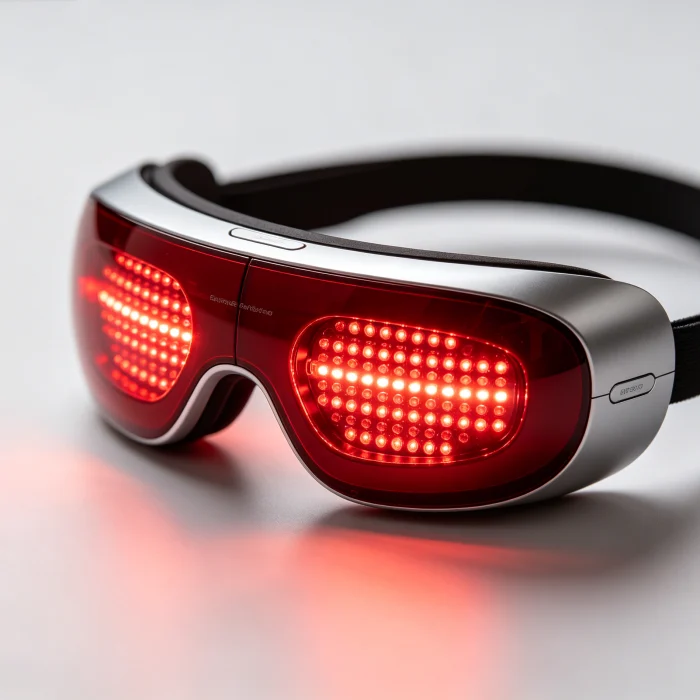
Some eye massagers combine massage with LED light therapy—typically red or near-infrared light. While red light therapy is great for skin rejuvenation (it stimulates collagen and reduces inflammation), there’s no direct evidence that it helps sinus pressure. However, near-infrared light can penetrate deeper and may reduce inflammation in the sinus tissues. If you already own an LED massager, it’s worth trying both functions together, but don’t buy one solely for sinus relief.
For more on LED tech, check out Do LED Face Massagers Work? and What Are the Disadvantages of Infrared Light?.
What About Manual Massage vs. Eye Massagers?
Manual sinus massage—using your fingers to press and rub specific points—has been around forever and costs nothing. But eye massagers offer consistency and heat that your hands can’t match. If you’re already dealing with sinus pain, the last thing you want is to tire your fingers out.
A good compromise: use a manual technique when you’re on the go (like pressing on the inner corners of your eyebrows for 10 seconds), and save the eye massager for when you’re home and can relax for 15 minutes.
Final Verdict: Do They Work?
Eye massagers can absolutely help relieve sinus pressure for many people—especially when the pressure is caused by allergies, a mild cold, or dry air. They’re not a medical device, and they won’t fix a serious infection. But as a complementary tool, they’re surprisingly effective. The warmth and compression hit the right spots, and the relaxation aspect alone can reduce the tension that often accompanies sinus headaches.
If you’re on the fence, consider trying a budget model first (under $50) to see if it helps. You can always upgrade later. And for real-world user experiences, the 2026 Eye Massage Equipment Guide on AllureCircle collects honest reviews from people who’ve used these devices for sinus relief.
Frequently Asked Questions
Can an eye massager make sinus pressure worse?
Yes, if you have an active infection or if you press too hard. Inflammation and infection can be aggravated by vigorous massage. Start on the lowest pressure setting and stop if pain increases.
How often can I use an eye massager for sinus relief?
Most manufacturers recommend 1–2 sessions per day, each lasting 10–15 minutes. You can use it more during a flare-up, but give your skin a break if you notice irritation.
Do eye massagers help with sinus headaches or just congestion?
They can help with both. The heat and pressure relax tense muscles around the sinuses, which often eases headache pain. Congestion relief comes from promoting drainage.
Is it safe to use an eye massager if I have sinusitis?
For chronic sinusitis without fever, it’s generally safe. For acute sinusitis with fever or thick green/yellow discharge, see a doctor first—massage can spread infection.
What’s the best type of eye massager for sinus pressure?
Look for one with adjustable heat (104–113°F), air compression, and acupressure points. A mask-style device that covers the brow bone works best. Avoid basic vibration-only models.
Can I use an eye massager while lying down?
Most mask-style massagers are designed to be used while reclining or lying down. It’s actually preferred, as gravity helps drainage when your head is slightly tilted back.
From my clinical experience, facial massage—especially when combined with heat—can provide meaningful relief for sinus pressure in patients with allergic rhinitis or non-infectious congestion. The key is consistency: using the device daily during the allergy season, not just when symptoms peak. I often recommend it as a first-line complementary approach before reaching for decongestants, which can have side effects with long-term use. That said, patients with a history of sinus infections should always clear it with their ENT first. I’ve seen a few cases where aggressive massage worsened an underlying infection.
All Comments 0
Please log in to post a comment.
No comments yet. Be the first to share your thoughts!