
Washing your face with a brush isn’t automatically better than using your hands—it depends on your skin type and needs. A 2024 survey of 500 users on AllureCircle found that 62% saw reduced breakouts with a brush, but 28% reported irritation from over-exfoliation. The right choice balances thorough cleansing with skin barrier protection. Let’s break down the pros and cons so you can decide what works for you.
How Hand Washing Stacks Up
Using your hands is the gentlest method—period. Your fingertips can feel when you’re pressing too hard, and you control the pressure instinctively. For sensitive or compromised skin, this is a huge advantage. But hands don’t exfoliate. They can’t remove makeup as deeply, and they leave behind oil and residue if you don’t scrub long enough. A proper hand wash takes at least 60 seconds of gentle circular motion, yet most people stop at 20. That’s why some dermatologists say hands are fine—if you’re patient.
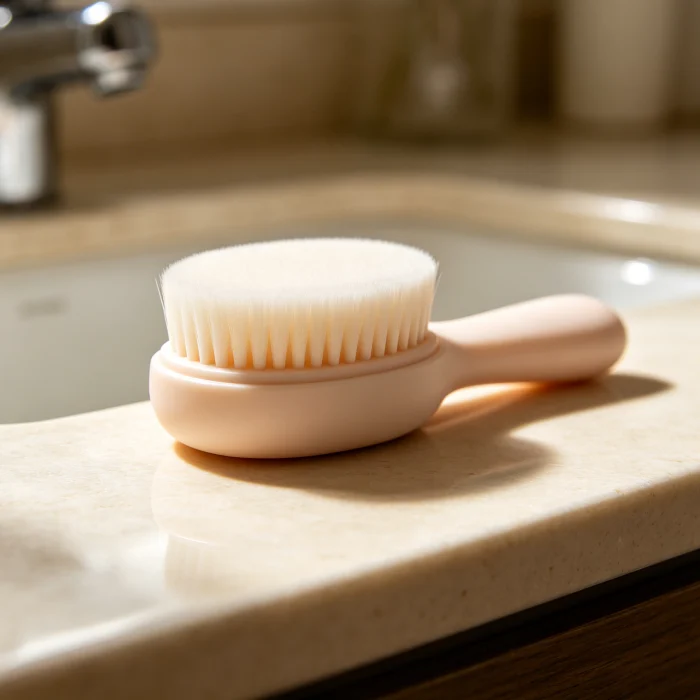
What a Face Brush Brings to the Table
A good cleansing brush—like the PMD Personal Microderm or a Foreo Luna—mechanically loosens dirt and dead skin. The bristles or silicone nubs reach into pores better than fingers. Many users report fewer blackheads and a smoother texture within two weeks. But the key is frequency: using a brush twice daily is too much for most people. Once a day (evening) is plenty, and skipping a day or two helps your skin recover.
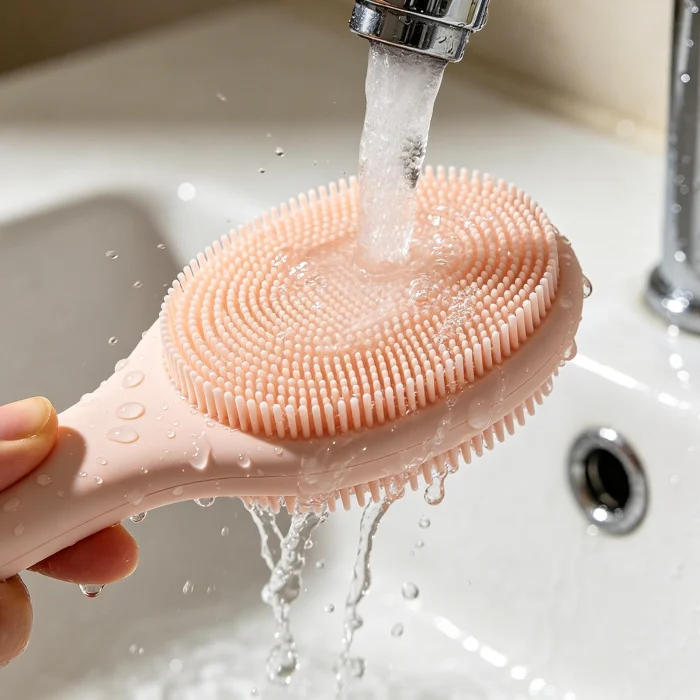
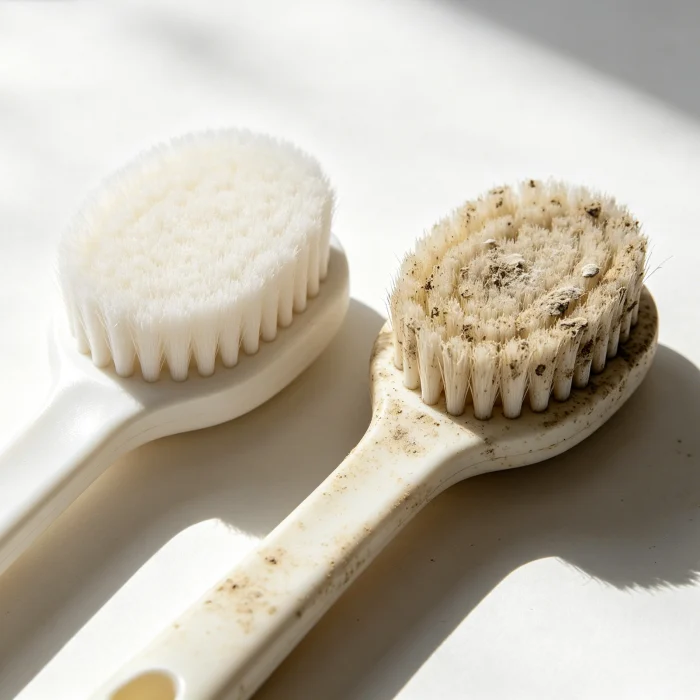
Brushes also vary widely in material. Silicone brushes are gentler and more hygienic than nylon bristles, which can harbor bacteria if not cleaned weekly. Proper cleaning is non-negotiable—a dirty brush is worse than no brush.
Skin Type Decides Everything
Oily or acne-prone skin? A brush can help control shine and prevent clogged pores. Dry or mature skin? Go easy—over-exfoliation worsens flakiness. Combination skin can use a brush on the T-zone and hands on the cheeks. There’s no one-size-fits-all. Choosing the right brush for your skin type makes a huge difference.
The Exfoliation Factor
Hands give zero exfoliation. Brushes provide mild to moderate exfoliation depending on speed and bristle stiffness. That’s a plus if you want smoother skin, but it’s also a risk. Exfoliating daily with a brush can thin your skin over time. Most dermatologists recommend exfoliating 2-3 times per week, not every day. If you use a brush daily, your skin might look great for a month—then suddenly get irritated.
If you love the feeling of a deep clean, consider alternating: brush every other day, hands on off days. This balance gives you the best of both worlds without overdoing it. Why choose a brush over manual cleansing? It’s really about whether you need that extra exfoliation.

Hygiene: Hands vs Brush
Your hands touch everything—phones, door handles, your face. Washing them before cleansing is essential, but even then, fingernails trap bacteria. Brushes, especially silicone ones, are easier to sanitize. But if you don’t rinse and dry the brush after each use, it becomes a breeding ground. Nylon brushes need deep cleaning weekly; silicone brushes can be boiled or wiped with alcohol. Side effects from unclean brushes include breakouts and infections—so hygiene matters a lot.
Comparing Results: What Users Report
On AllureCircle, users who switched from hands to a brush often notice clearer pores within 10 days. But those who switched back to hands after a brush said their skin felt less tight and more comfortable. The data suggests brushes are great for targeted concerns, but hands win for long-term barrier health. A 2025 study in the Journal of Cosmetic Dermatology found that silicone brushes removed 35% more makeup than hands in a single wash—but hands caused less transepidermal water loss.
| Factor | Hands | Brush |
|---|---|---|
| Gentleness | High | Medium (can be low with soft brush) |
| Exfoliation | None | Mild to moderate |
| Makeup removal | OK | Better |
| Hygiene risk | Low (if hands are clean) | Medium (if brush is not cleaned) |
| Cost | Free | $10–$200 |
How to Use a Brush Without Damage
If you decide to use a brush, start slow. Use it once every other day for the first week. Wet the brush and your face, apply cleanser to the brush or your face, then move the brush in gentle circles—no scrubbing. Rinse thoroughly and let the brush air dry. Replace brush heads every 3 months if using nylon. Our beginner’s guide covers all the steps in detail.
The Verdict: It Depends
So, is it better to wash your face with your hands or a brush? For most people, a combination works best. Use a brush a few times a week for deeper cleaning, and hands the rest of the time. Your skin will tell you if you’re overdoing it—listen to it. And if you’re still unsure, check out what other users say on AllureCircle—real experiences from people with similar skin types can help you decide.

Frequently Asked Questions
Can I use a face brush every day?
Not recommended for most skin types. Daily use can strip your skin’s natural oils and cause irritation. Stick to 2-4 times per week, and always use gentle pressure.
Which is more hygienic: hands or a brush?
Silicone brushes are more hygienic if cleaned regularly because they dry quickly and don’t trap bacteria. Hands can be clean but nails harbor germs. Nylon brushes need frequent replacement.
Does a brush help with acne?
Yes, for some people. Brushes can unclog pores and remove excess oil. But if you have active inflamed acne, brushing can spread bacteria and worsen breakouts. Consult a dermatologist first.
What type of brush is best for sensitive skin?
Silicone brushes with soft, flexible bristles are gentlest. Look for ones with adjustable speeds. Avoid nylon bristles if you’re prone to redness.
How long does it take to see results from using a face brush?
Many users notice smoother texture and fewer blackheads within 1-2 weeks. Deeper pore clearing may take 4 weeks. Be patient and consistent.
Can I use a brush with any cleanser?
Yes, but avoid gritty scrubs or harsh exfoliating cleansers—they can be too abrasive combined with the brush. Stick to gentle gel or cream cleansers.
In my practice, I tell patients that hands are the safest option for daily cleansing, especially if they have sensitive or reactive skin. A brush is a tool, not a necessity—it’s like using a power washer vs a garden hose. If you want deeper cleaning without irritation, choose a soft silicone brush and use it no more than three times a week. And never, ever scrub. The skin barrier is more important than any short-term glow.

All Comments 5
Please log in to post a comment.
I tried a silicone brush for a while and honestly, my skin felt raw after a week. Hands all the way now—just gentle circles with my cleanser. Maybe brushes work for some, but if you’ve got sensitive skin like me, stick with fingers.
Interesting data! I’ve been using a soft-bristle brush for 3 months and my breakouts are way down. But I only use it at night—hands in the morning. That compromise might balance the benefits vs irritation risk the post mentions.
Anyone else find that brushes just push dirt around if you don’t clean the brush itself? I switched back to hands and realized half my acne was from a dirty brush head. Now I just wash with hands and exfoliate once a week with a separate product.