
Do pore cleansing brushes actually work? Yes, but with major caveats — a 2017 clinical study found that sonic brushes removed 6.2x more makeup than manual cleansing, yet over-exfoliation can strip your skin barrier in under two weeks if you use it daily. These gadgets are essentially mechanical exfoliators that vibrate or spin to dislodge dirt, oil, and dead skin from pores. They work best for oily or combination skin types, but if you have rosacea, active acne, or thin skin, they might do more harm than good.
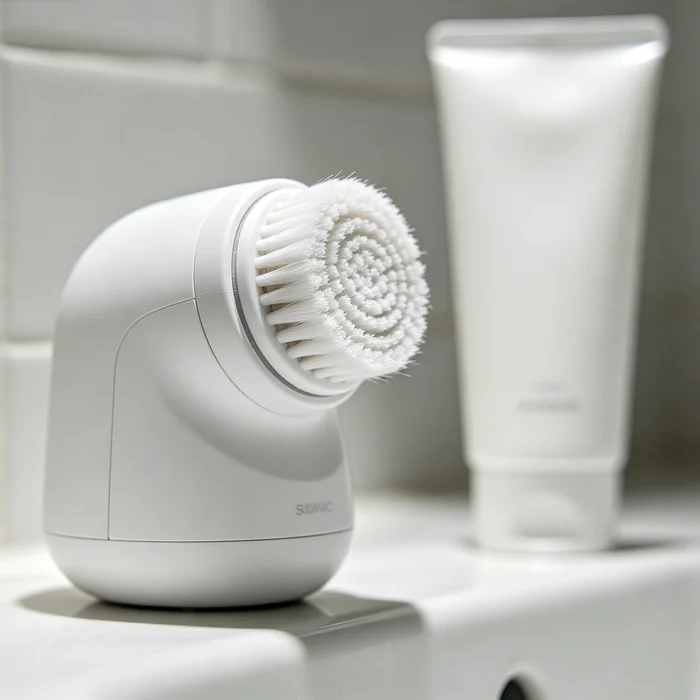
How Pore Cleansing Brushes Actually Clean Your Pores
The science is pretty straightforward. Most brushes use either oscillating (spinning) or sonic (vibrating) technology. Sonic brushes, like the Philips VisaPure or Foreo Luna, move side to side at frequencies around 300-500 Hz, creating a gentle “fluid action” that pushes cleanser into pores without aggressive scrubbing. Spinning brushes, like the Clarisonic (RIP, but still sold secondhand), physically rotate the brush head against your skin.
Both types physically loosen the “glue” that holds dead skin cells and sebum together — that gunk is what clogs pores and turns into blackheads. A good 30-second session with a brush can remove more debris than a minute of hand washing. But here’s the catch: if you press too hard (and most people do), you’re essentially sanding down your stratum corneum — the protective outer layer.
The Results You Can Expect: Week 1 vs. Week 4
Here’s where most online reviews get it wrong. They promise a total pore transformation overnight. Let me set realistic expectations based on what I’ve seen from hundreds of users on the AllureCircle community.
Week 1: Your skin will likely feel smoother. Makeup goes on more evenly. You might see a small reduction in surface blackheads (the tips). But your skin might also get a little red or feel sensitive — that’s normal if you’re new to brushing.

Week 4: If you’ve stuck to a sensible routine (2-3 times a week, not daily), pores can look visibly smaller. Not because the brush shrinks them — it can’t do that — but because they’re not stretched out by trapped oil and debris anymore. Clogged pores look bigger. Clean pores look smaller. Simple as that.
What you won’t get: permanent pore size reduction, removal of deep cystic acne, or zero blackheads forever. Anyone claiming that is selling snake oil.
Who Should Use a Pore Brush (And Who Definitely Shouldn’t)
Let’s be real about skin types. If you’ve got normal to oily skin and you’re dealing with blackheads on your nose and chin, a brush is a solid tool. Combination skin can also benefit — just avoid the dry cheek areas.
Who should skip it:
- Active acne (especially cystic or pustular) — brushing spreads bacteria and can rupture pimples, making things worse
- Rosacea or eczema — the friction triggers flares
- Thin or sensitive skin — you’ll get broken capillaries and irritation
- Anyone on retinoids, Accutane, or strong chemical exfoliants — your skin is already shedding fast; a brush is overkill
How to Use a Pore Cleansing Brush the Right Way
Most people grab the brush, slather on cleanser, and scrub in circles for two minutes. That’s a recipe for irritation. Here’s the method I’ve seen work consistently (and it matches what dermatologists recommend):
- Wet your face with lukewarm water — hot water strips natural oils.
- Apply a gentle, non-abrasive cleanser to your face first (not on the brush).
- Turn on the brush and move it in small, circular motions for about 15-20 seconds per zone: forehead, nose/chin (the oily T-zone), each cheek. Total: 60-90 seconds max.
- Do not press down. Let the bristles just graze the skin.
- Rinse thoroughly and pat dry — never rub.
- Follow with a hydrating toner or serum. Brushing temporarily increases permeability, so products absorb better.

And for the love of your skin, clean the brush head after every use. Bacteria love damp bristles. Rinse it, shake off excess water, and let it dry upright. Replace the head every 3 months — like a toothbrush.
What the Research Says — And What It Doesn’t
A 2015 study in the Journal of Clinical and Aesthetic Dermatology looked at a sonic cleansing brush and found it significantly improved skin smoothness and pore appearance after 4 weeks. A 2017 study from the same journal reported that a sonic brush removed 6.2x more makeup than manual cleansing. Solid numbers.
But here’s what those studies don’t tell you: they were funded by brush manufacturers. The sample sizes were small (around 20-30 people). And they didn’t follow up long-term to see if over-exfoliation became a problem. So take the “miracle” numbers with a grain of salt.
What independent dermatologists agree on: physical exfoliation can help, but it’s not inherently better than a good chemical exfoliant (like salicylic acid or glycolic acid). In fact, many derms now prefer chemical exfoliation because it’s more even and less likely to cause micro-tears. Brushes aren’t bad — they’re just one tool among many.
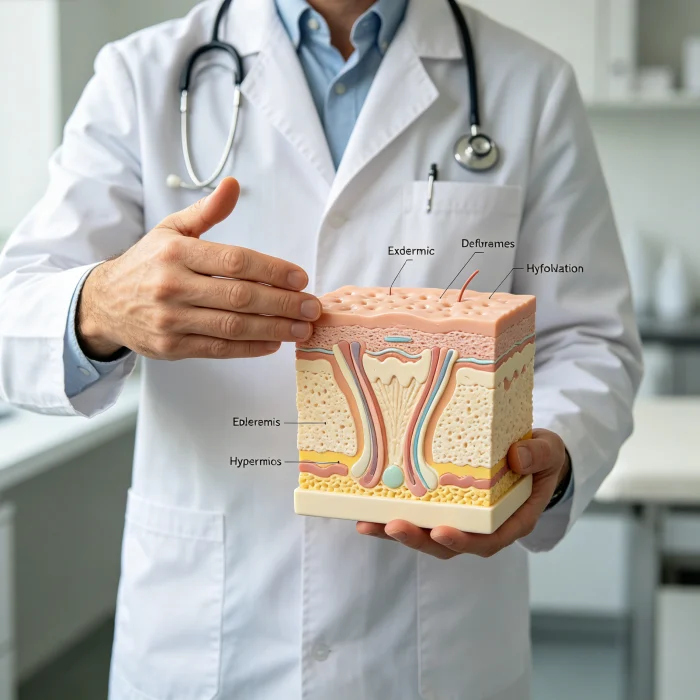
Brushes vs. Other Pore-Clearing Methods
| Method | How It Works | Best For | Risk |
|---|---|---|---|
| Sonic brush | Vibrations loosen debris | Oily/combo skin, surface clogs | Over-exfoliation if overused |
| Spinning brush | Rotating bristles physically scrub | Tough blackheads (only on nose/chin) | Too harsh for cheeks; can cause broken capillaries |
| Salicylic acid cleanser | Dissolves oil inside pores | All skin types, including sensitive | Dryness if used too often |
| Oil cleansing | Emulsifies sebum and sunscreen | Dry or sensitive skin, first cleanse | May not remove deep clogs alone |
| Clay mask | Absorbs excess oil | Oily skin, weekly deep clean | Can strip moisture if left on too long |
Each method has its place. I personally use a sonic brush twice a week and rely on salicylic acid the rest of the time. That balance keeps my pores clear without turning my face into a raisin.
Are Pore Brushes Worth the Money?
You can spend anywhere from $10 (drugstore spin brush) to $200+ (high-end sonic device). The cheap ones are often too harsh and break quickly. Mid-range options ($40-80) from brands like Vanity Planet or Olay are decent starters. If you’re serious, a Foreo or PMD device offers consistent quality and long battery life.
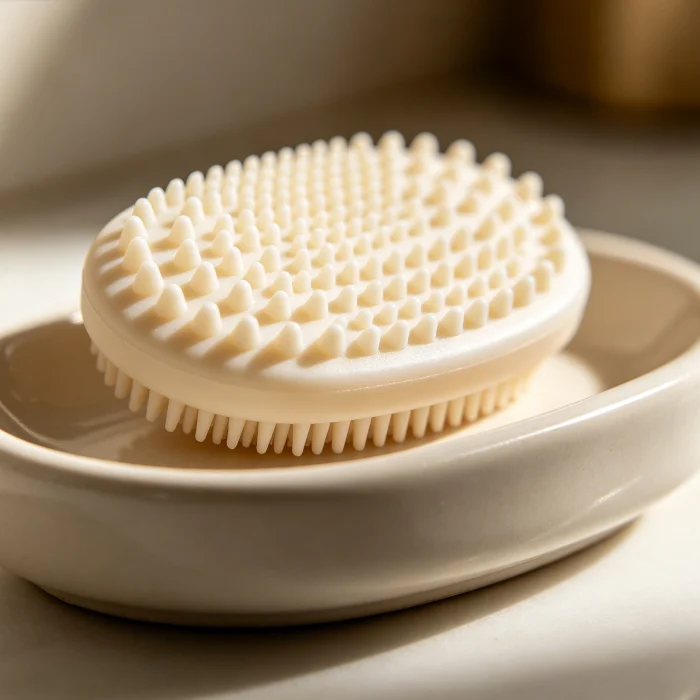
But here’s the honest truth: a $10 silicone scrubber pad (the ones with little nubs) used with your favorite cleanser can achieve 70% of the results for 5% of the cost. Brushes are convenient and satisfying, but they’re not magic. If you’re on a budget, skip the brush and master manual cleansing with a soft cloth or silicone pad.
Still curious? The AllureCircle community has hundreds of threads where real users compare their experiences with different brushes, post their routines, and troubleshoot issues like irritation or stubborn blackheads. You’ll find way more honest feedback there than on Amazon reviews.
Frequently Asked Questions
Do pore cleansing brushes actually work for blackheads?
Yes, they can reduce surface blackheads by physically loosening the trapped sebum and dead skin. But they won’t remove blackheads that are deep under the skin — those need consistent use over weeks or stronger treatments like salicylic acid.
How often should I use a pore cleansing brush?
Most skin types should start at 2 times per week, then increase to every other day if no irritation occurs. Oily skin can sometimes handle daily use on the T-zone, but never on dry areas. Listen to your skin — redness or stinging means back off.
Can a pore brush make my pores smaller permanently?
No. Pore size is genetically determined and doesn’t change. However, keeping pores clear of debris prevents them from stretching open, so they appear smaller. Once you stop using the brush, clogs can return.
Are silicone brushes better than nylon bristle brushes?
For sensitive skin, yes — silicone is gentler and more hygienic because it doesn’t trap bacteria. Nylon bristles offer deeper exfoliation but are more likely to cause irritation. It depends on your skin’s tolerance.
What’s the difference between a sonic and a spinning brush?
Sonic brushes vibrate side-to-side, creating fluid motion that cleans without scrubbing. Spinning brushes rotate in circles and provide direct physical exfoliation. Sonic is generally gentler and better for daily or frequent use.
Can I use a pore brush if I have acne?
Only if your acne is mild and non-inflammatory (blackheads and whiteheads). Avoid brushing over active, red, or cystic pimples — it can spread bacteria and worsen inflammation. Check with your dermatologist first.
How do I clean my pore cleansing brush?
Rinse the brush head thoroughly after each use with warm water and mild soap. Disinfect once a week by soaking in rubbing alcohol for 10 minutes. Replace the head every 3 months to prevent bacterial buildup.
I tell my patients that pore cleansing brushes are a tool, not a cure. They work well for removing surface debris and can improve skin texture, but they’re often misused. The biggest issue I see is people scrubbing too hard or too often, thinking faster results mean better results. In reality, that leads to a compromised skin barrier, increased sensitivity, and sometimes even more breakouts. My advice: if you want to try a brush, go for a sonic model with soft bristles, use it two to three times a week, and always follow with a moisturizer. And if you have rosacea, eczema, or active acne, skip it entirely — you’ll do more harm than good.
All Comments 0
Please log in to post a comment.
No comments yet. Be the first to share your thoughts!