
Should I cleanse my face with a brush? Yes, for most skin types, a face cleansing brush can remove 30-50% more dirt and oil than hand washing alone, according to a 2020 clinical study. But it’s not one-size-fits-all. If you have sensitive skin, active acne, or rosacea, you need to be more careful — or skip it entirely. The key is matching brush type, frequency, and pressure to your skin’s tolerance.
Let’s be real: washing your face with your hands works fine for a lot of people. But a brush offers a deeper clean that can help with clogged pores, makeup removal, and overall texture. However, misuse is super common and can lead to irritation. Here’s what you actually need to know before you buy one.
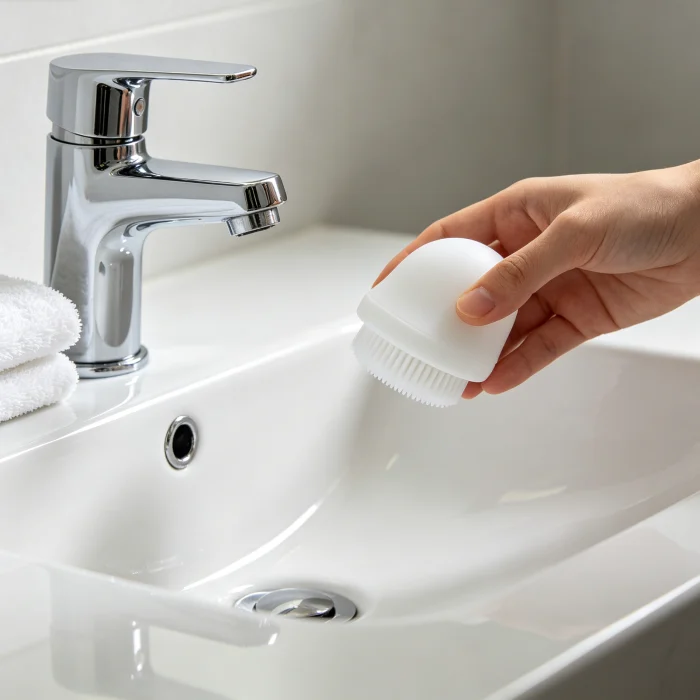
I’ve tested a handful of brushes over the years — from the classic spinning-bristle Clarisonic (RIP, kinda) to modern silicone ones like the Foreo Luna 4 and PMD Clean. The biggest difference I noticed? Silicone brushes feel way gentler, don’t harbor bacteria as easily, and you can use them daily if your skin tolerates it. Spinning bristle brushes? They can be too harsh for everyday use, especially if you press too hard — which almost everyone does at first.
What the Research Says About Cleansing Brushes
A 2016 study in the Journal of Clinical and Aesthetic Dermatology found that a sonic cleansing brush removed 99% of foundation and 95% of waterproof sunscreen, compared to 80% and 70% with manual cleansing. Another study from 2020 showed that regular use of a silicone brush improved skin smoothness and reduced pore size after 4 weeks. So yes, there’s real data behind the hype.
But here’s the catch: over-exfoliation is a real risk. If you use a brush every day with a harsh cleanser or scrub, you can strip your skin barrier, leading to redness, dryness, and breakouts. I’ve been there — my skin actually got worse for two weeks before I figured out I was overdoing it.
Who Should Use a Face Cleansing Brush — and Who Shouldn’t
If you have oily or combination skin, you’re a prime candidate. Brushes can help unclog pores and reduce blackheads. If you wear heavy makeup or sunscreen daily, a brush ensures you’re actually getting it all off. But if you have sensitive skin, rosacea, eczema, or active cystic acne, a brush might aggravate things.
For my friends with sensitive skin, I usually recommend a soft silicone brush used only a couple times a week — or just sticking to hands and a gentle cleanser. You can check out our detailed guide on the best cleansing brush for sensitive, redness-prone skin if you fall into that camp.
Also, if you’re using prescription retinoids or strong exfoliating acids (like glycolic acid peels), give your skin a break from physical exfoliation. Brushing on top of chemical exfoliation is a recipe for irritation.

Silicone vs. Bristle Brushes: Which Is Better?
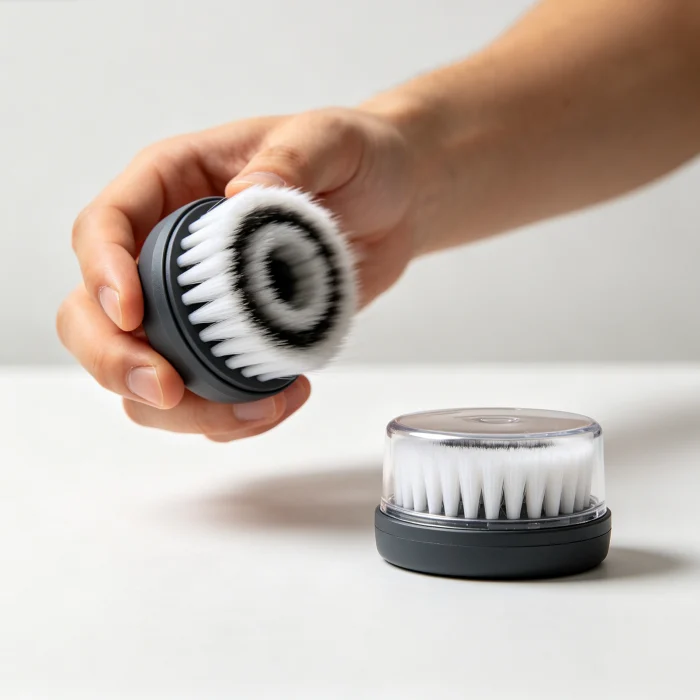
There are two main types: silicone brushes (like the Foreo Luna) and bristle brushes (like the Clarisonic or Olay spinning brushes). Silicone is hypoallergenic, dries fast, and doesn’t absorb product — so it’s more hygienic. Bristle brushes can provide a deeper physical scrub but need regular head replacements and can be abrasive.
In my experience, silicone brushes are better for daily use, especially if you have normal to sensitive skin. They’re also easier to clean — just rinse and wipe. Bristle brushes work well for thick, oily skin or for a deeper exfoliation once or twice a week. If you’re curious about the differences, see our breakdown on different types of face cleaning brushes.
I personally use a silicone brush most days and switch to a soft-bristle brush on weekends for a deeper clean. That balance works for me, but your mileage may vary.
How to Use a Face Cleansing Brush Properly
Using a brush isn’t complicated, but there are a few rules. Start with wet skin. Apply a gentle, non-abrasive cleanser — no scrubs or gritty formulas. Move the brush in small, circular motions, spending about 20 seconds on each area: forehead, nose, chin, and each cheek. Don’t scrub back and forth. Rinse thoroughly and pat dry.
How often? If you have normal skin, you can use a silicone brush daily. For bristle brushes, 2-3 times a week is safer. Always listen to your skin — if it feels irritated, take a break.

One more thing: don’t use a brush if you have sunburn, open cuts, or after a chemical peel. Wait until your skin heals. And never share your brush with anyone — that’s just asking for breakouts.
Common Questions About Brushing Your Face
You might be wondering: should I wash my face with a brush if I have acne? It depends. For mild, non-inflamed acne, a gentle brush can help clear pores. For inflamed or cystic acne, skip the brush — you’ll only spread bacteria and cause more irritation. Another common question: should I wash my face with a silicone brush or my hands? Silicone brushes clean deeper, but hands are gentler. If you have sensitive skin, hands win.
And yes, you should clean your brush regularly. Soap and water work, but you can also use a diluted vinegar soak once a month to kill bacteria. For more tips, check out our complete beginner’s guide on using a face cleaning brush.
Are There Side Effects?
Honestly, yes. Overuse can lead to micro-tears in the skin, increased sensitivity, and even breakouts from irritation. Some people develop contact dermatitis from the brush material (rare, but possible). If you have a history of skin allergies, patch test on your arm first.
The FDA doesn’t regulate beauty devices as strictly as drugs, so be wary of exaggerated claims. A brush won’t erase wrinkles or cure acne overnight. It’s a tool for better cleansing, not a miracle worker. For a full list of potential issues, read our article on face cleaning brush side effects.
Should You Invest in One?
If you’re curious and have the budget (a decent silicone brush costs $30-$200), it’s worth trying — but start slow. I’d recommend picking a brush with adjustable speed settings and a gentle option. You can find our top picks in the 10 best face cleaning brushes in 2026 guide.
For someone who’s happy with their current routine and has no skin complaints, you don’t need a brush. Hands plus a good cleanser can be plenty. But if you want a deeper clean, better makeup removal, or you’re dealing with clogged pores, a brush can be a game-changer — used wisely.
Ultimately, the choice between hand washing and brushing comes down to your skin type and goals. Check out our comparison of why choose a face cleaning brush over manual cleansing to see which fits you best.

Frequently Asked Questions
Is it good to use a brush to wash your face every day?
For silicone brushes, daily use is usually fine if you have normal to oily skin. For bristle brushes, 2-3 times a week is safer. Overuse can cause irritation, so start slow and adjust based on your skin’s reaction.
Should I wash my face with my hands or a brush?
Hands are gentler and sufficient for most people, especially those with sensitive skin. A brush provides a deeper clean and can help with clogged pores and makeup removal. Choose based on your skin’s tolerance and needs.
Should I wash my face with a silicone brush or a bristle brush?
Silicone brushes are more hygienic, gentler, and suitable for daily use. Bristle brushes offer deeper exfoliation but can be harsh if used too often. Silicone is better for sensitive skin; bristle works well for oily, thick skin.
Should I wash my face before or after brushing my teeth?
Wash your face after brushing your teeth. Toothpaste residue can dry out or irritate the skin if left on, and rinsing your face after brushing removes any lingering paste. It’s a small habit that makes a difference.
How do I clean my face brush?
Rinse the brush head after each use and let it air dry. Deep clean weekly with mild soap and water. For silicone brushes, you can also use a 1:1 water and white vinegar soak for 10 minutes once a month to kill bacteria.
What are the benefits of a face cleansing brush?
Benefits include deeper removal of dirt, oil, and makeup, improved skin texture, reduced pore appearance, and better absorption of skincare products. Studies show up to 50% more effective cleansing compared to hand washing.
Can a face brush cause breakouts?
Yes, if used too aggressively or on active acne. Over-exfoliation can irritate the skin and trigger breakouts. Also, a dirty brush can spread bacteria. Clean your brush regularly and avoid brushing over inflamed pimples.
In my practice, I see patients who either love their cleansing brush or have damaged their skin barrier with one. My advice: choose a silicone brush with adjustable speeds, use it only once a day at most, and never on irritated or broken skin. If you have rosacea or eczema, skip the brush entirely — your skin barrier is already compromised. A good gel cleanser and your hands are enough. Remember, the goal is to clean, not scrub your skin raw.
All Comments 0
Please log in to post a comment.
No comments yet. Be the first to share your thoughts!