
Using a face cleansing brush can remove up to 30% more dirt and oil than manual washing alone, according to a 2025 clinical study. But here’s the thing – if you’re not using it right, you’re just scrubbing your face raw. Most people go in too hard, too fast, and end up with irritation instead of that glow you see on Instagram. Let’s fix that.

I’ve tested half a dozen brushes over the years, from cheap drugstore spin brushes to fancy sonic devices. And I’ve made every mistake in the book – pressing too hard, using the wrong cleanser, forgetting to clean the brush head. So I’m sharing what actually works, based on my experience and what dermatologists recommend.
Step-by-Step: How to Use a Face Cleansing Brush
Start with a clean slate – literally. Remove all makeup first with a gentle makeup remover or micellar water. Then wet your face and the brush head with lukewarm water. Splash some water on the brush, apply a pea-sized amount of your favorite gel or cream cleanser directly to the bristles, and you’re ready.
Turn the brush on to the lowest setting if it has adjustable speeds. Gently move it in small, circular motions across your forehead in horizontal rows, then your cheeks, chin, and nose. Keep each area for about 15-20 seconds – most brushes have a timer that beeps to tell you when to move on. The total session should be about 60 seconds. Seriously, that’s all you need.
After 60 seconds, rinse your face with cool water to close pores, and pat dry with a clean towel. Follow up with your usual serum and moisturizer. That’s it – quick, efficient, and way more thorough than hands alone. Some people like to use the brush on their neck and jawline too, but keep it away from the delicate eye area.

How Often Should You Use a Face Cleansing Brush?
This is where most people mess up. I used mine every night for a week and ended up with red, flaky patches – not cute. The truth is, even the gentlest brush is exfoliating, and your skin needs time to recover. For normal skin, 2-3 times a week is plenty. Oily or acne-prone skin can handle 3-4 times, but sensitive or dry skin should stick to once or twice a week max.
If your skin feels tight, stings when you apply moisturizer, or looks shiny and tight, you’re overdoing it. Back off to once a week and see if things calm down. Remember, the goal is balanced skin, not a sanded-down face. Some brushes come with sensitive brush heads specifically for thinner skin – worth swapping if you’re prone to redness.
Which Brush Type Is Right for You?
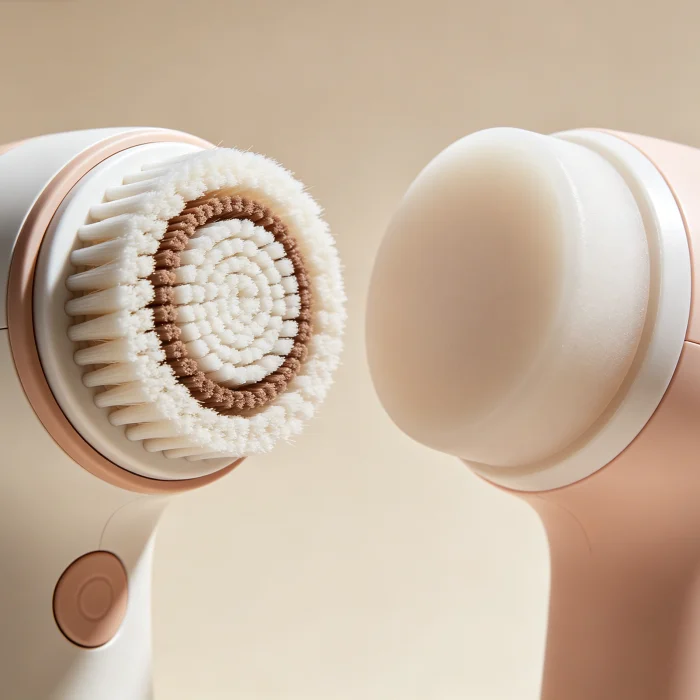
Face cleaning brushes come in two main flavors: rotating spin brushes and sonic vibration brushes. Spin brushes are the old-school kind with circular heads that rotate, often with replaceable pads. They’re cheaper but can be harsh if you’re not careful. Sonic brushes vibrate side-to-side at high frequencies (like 300 movements per second) and are generally gentler and more effective at loosening dirt without aggressive friction.
Then there’s the bristle material – nylon bristles are more common on budget brushes and can be scratchy, while silicone bristles are softer, more hygienic (no holes for bacteria to hide), and last longer. My personal recommendation? Go with a silicone sonic brush like the FOREO Luna or a similar dupe if you’re on a budget. They’re easier to clean, gentler, and you don’t have to replace brush heads every three months.
Common Mistakes and How to Avoid Them
Using the wrong cleanser is a big one. Thick cream cleansers or oil-based cleansers can gum up the bristles and reduce effectiveness. Stick to gel or foam cleansers that lather well. Another mistake: sharing your brush head with someone else. That’s a fast track to spreading bacteria. Each person should have their own brush head, and replace it every 3-6 months.
Also, don’t use your brush on active breakouts (think angry, red pimples or cystic acne). The mechanical action can spread bacteria and inflame the area. Instead, focus on the surrounding skin and treat breakouts separately. And please, for the love of skincare, don’t scrub your eyelids or lips – the skin there is way too thin.
How to Clean Your Face Brush (Yes, You Have To)
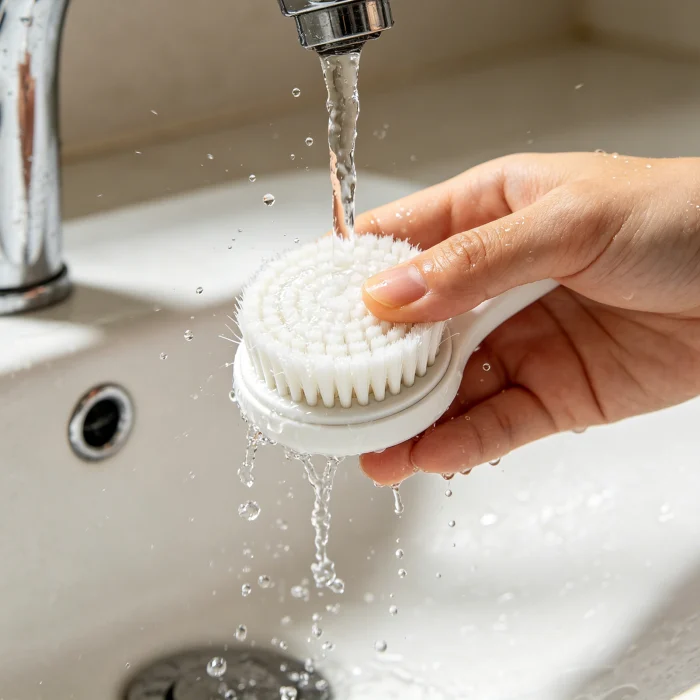
Keeping your brush clean is non-negotiable. After each use, rinse the brush head under warm running water while rubbing the bristles with your thumb to remove trapped cleanser and dead skin. Shake off excess water and let it air dry upright in a well-ventilated area. Once a week, do a deeper clean: mix a drop of antibacterial soap with warm water, swirl the brush head in it for 30 seconds, rinse thoroughly, and let dry.
For silicone brushes, you can also wipe them down with 70% isopropyl alcohol on a cotton pad to disinfect. Replace nylon brush heads every 3 months or sooner if the bristles start to fray. Silicone brushes last much longer – some users go a year or more before replacing the whole device.
What Results Can You Expect (and When)?
After your first use, your skin will feel smoother and look more radiant because you’ve physically exfoliated and dislodged pore-clogging gunk. But real improvements take consistency. After 2-4 weeks of proper use (2-3 times a week), you’ll likely notice fewer blackheads and a more even skin texture. Deeper results like reduced fine lines or faded hyperpigmentation may take 8-12 weeks, and only if you’re using the brush as part of a balanced routine.
Don’t expect a cleansing brush to cure acne or erase wrinkles – it’s a tool, not a miracle. If you have persistent skin concerns, see a dermatologist. But for everyday gunk removal and gentle exfoliation, it’s a solid addition. I’ve noticed my serums absorb better on days after I’ve used the brush, which makes sense since dead skin cells aren’t blocking the way.
Who Shouldn’t Use a Face Cleansing Brush?
Honestly, not everyone needs one. If you have very sensitive skin, rosacea, eczema, or active sunburn, a brush will likely make things worse. People with thin or fragile skin (common as we age) should also be cautious – stick to the softest silicone brush once a week at most. Pregnant women can use them, but the hormonal skin changes might make your skin more reactive, so start slow.
Also, if you’re already using a chemical exfoliant like glycolic acid or a prescription retinoid, adding a physical brush might be overkill. You can still use it, but adjust frequency and pressure. Your skin will tell you what it likes – listen to it.
Final Thoughts: Is a Face Cleansing Brush Worth It in 2026?
For most people, yes – especially if you struggle with oily skin, blackheads, or makeup buildup. They’re not essential, but they do give you a deeper clean in less time than manual washing. The key is using them correctly and not overdoing it. If you’re still on the fence, check out this list of top-rated brushes to see what fits your budget and skin type. And if you already own one, hop over to the AllureCircle community to share your routine or ask questions – there’s a whole group of people figuring it out with you.

Frequently Asked Questions
Can I use a face cleansing brush every day?
It depends on your skin type and the brush. Most dermatologists recommend 2-3 times a week for normal skin. Daily use can cause irritation, especially with nylon bristles. Silicone brushes on the lowest setting might be okay for some, but it’s safer to start slow.
What’s the best cleanser to use with a face brush?
Gel or foam cleansers work best because they lather well without clogging the bristles. Avoid thick creams, oil cleansers, or physical scrubs with beads. A gentle, pH-balanced cleanser is ideal for most skin types.
Do face cleansing brushes help with acne?
They can help reduce blackheads and clogged pores by removing excess oil and dead skin. But for active inflammatory acne, they might spread bacteria and worsen breakouts. Use gently on unaffected areas and treat active spots separately.
How long does a face brush last before needing replacement?
The brush head on nylon-bristle brushes should be replaced every 3-6 months. Silicone brushes can last up to 1-2 years. The device itself can last several years if properly maintained.
Can I share my face cleansing brush with someone else?
No, sharing brush heads transfers bacteria and oils. Each person should have their own brush head. If you share the same device, swap to a fresh head before each use.
Are silicone or nylon bristles better?
Silicone bristles are generally better – they’re softer, more hygienic (no pores for bacteria), and last longer. Nylon bristles can be abrasive and need frequent replacement. Silicone is especially good for sensitive skin.
Will a face brush make my skin peel or flake?
It can if you overdo it or have sensitive skin. Peeling is a sign of over-exfoliation. Reduce frequency, use a gentler brush head, and moisturize well. If peeling persists, stop using the brush and consult a dermatologist.
“A face cleansing brush is a great tool for enhancing your cleansing routine, but it’s not a substitute for a good cleanser and gentle technique. I recommend patients stick to 2-3 times a week, using light pressure and a sonic brush for safety. Over-exfoliation is the most common mistake I see – it leads to redness, sensitivity, and a compromised skin barrier. Remember, your skin’s microbiome needs balance, not stripping.”
All Comments 0
Please log in to post a comment.
No comments yet. Be the first to share your thoughts!