
Where to buy a face cleaning brush online in USA: Amazon, Ulta, Walmart, and Sephora are your best bets, with prices ranging from $7 for a basic silicone scrubber to $200+ for a sonic brush like the Foreo Luna 4. Most people grab theirs from Amazon because of the huge selection and fast Prime shipping. Ulta is great if you want to earn rewards points, and Walmart often has the lowest prices on budget options. But each store has its own quirks, so let’s break down where you should actually shop based on what matters to you.
I’ve tested brushes from all these retailers over the past few years, and I’ve learned the hard way that not all “deals” are worth it. A $20 brush from a random third-party seller on Amazon might break in two months, while a $30 one from Ulta’s website could come with a 60-day return policy. The key is knowing which retailer fits your priorities, whether that’s price, selection, return ease, or rewards.
Amazon: The King of Selection and Speed
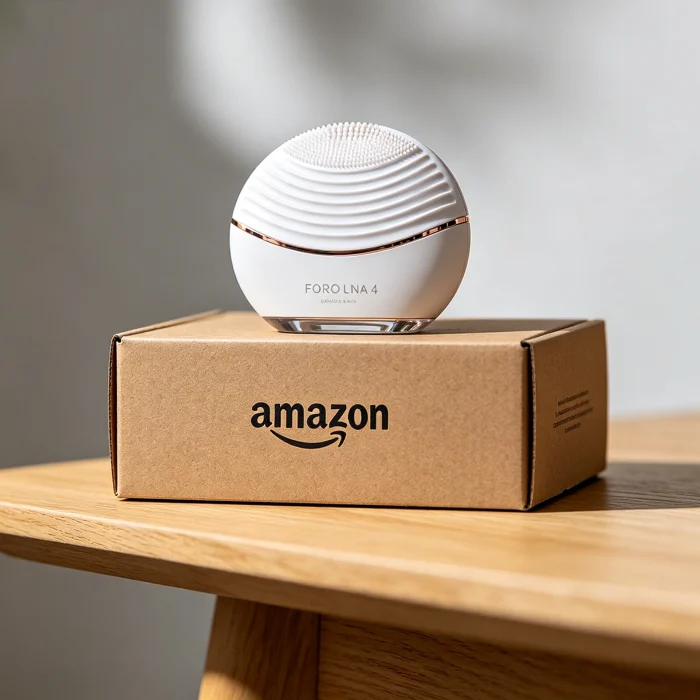
Amazon is where most people start, and for good reason. You’ll find hundreds of face cleaning brushes, from no-name $8 silicone pads to premium devices like the PMD Clean Pro and Clarisonic Mia (yes, it’s still around). Prime delivery means you can have it tomorrow, which is tempting when your current brush is growing mold (gross, I know).
But here’s the catch: Amazon is also full of knockoffs and low-quality junk. I once bought a “silicone brush” that claimed to be waterproof but started rattling after three uses. To avoid that, stick to brands that sell directly on Amazon or are listed as “Amazon’s Choice.” Check reviews for mentions of durability and real battery life — not just the five-star “fast shipping” reviews.
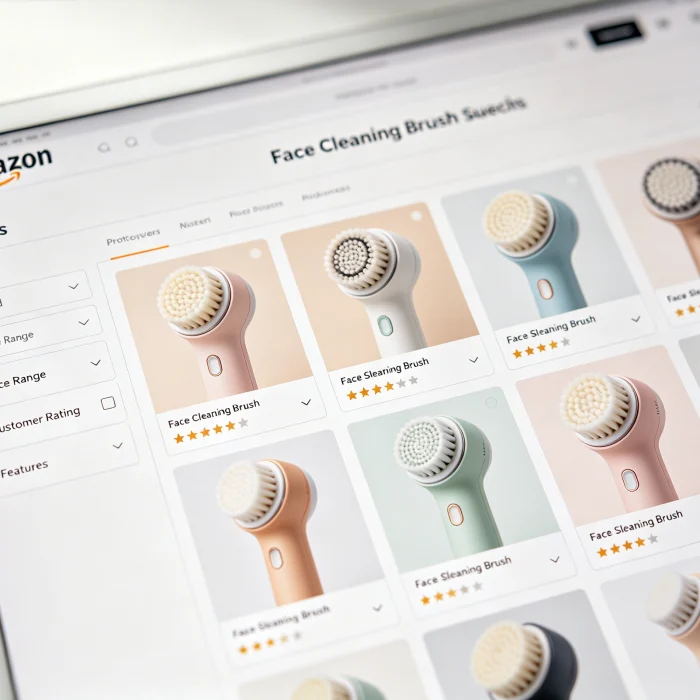
Another tip: use the filters! Set your price range and sort by “Avg. Customer Review” instead of defaulting to “Featured.” You’ll find hidden gems like the Vanity Planet Spin for Sensitive Skin, which costs around $25 and has surprisingly good reviews for its price.
Ulta: Rewards, Returns, and Physical Try-Ons
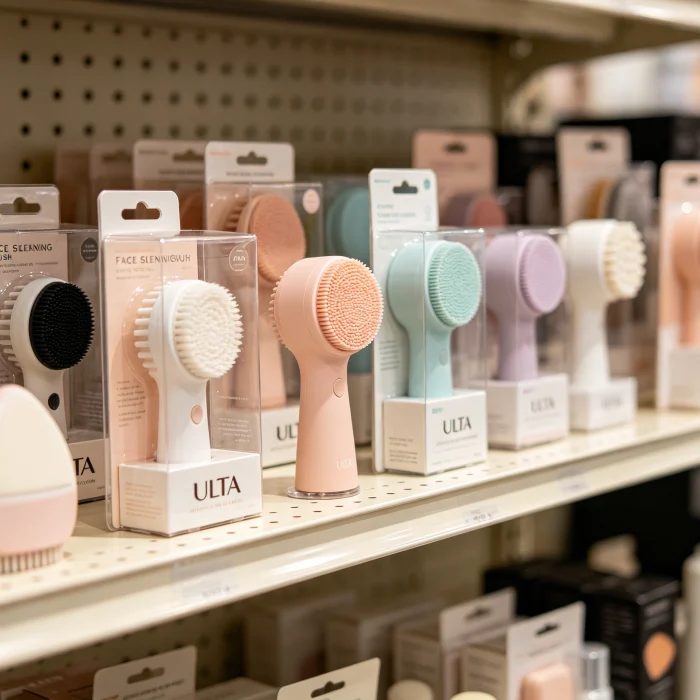
Ulta is my personal favorite for two reasons: the Ultamate Rewards program and the ability to return opened products. If you buy a brush and hate it after one use, Ulta will take it back within 60 days (as long as you have the receipt). That’s huge peace of mind when you’re spending $50+ on a device you’ve never touched.
They carry brands like Clinique, Clarisonic, Foreo, and their own Ulta Beauty Collection, which has a surprisingly good $12 spin brush. Plus, if you have a store nearby, you can actually feel the bristles and test the weight. I wish more people did that — I’ve seen so many buy a stiff-bristled brush online only to realize it’s way too harsh for their skin.
The downside? Ulta’s online selection is smaller than Amazon’s, and their prices are often full retail. But if you wait for their 21 Days of Beauty sales or use a $3.50 off coupon (which they email constantly), you can snag a good deal.
Walmart: Budget King with a Few Traps
Walmart’s online marketplace has exploded with beauty tools, and their prices are hard to beat. You can get a basic vibrating cleansing brush for under $10, and the shipping is free if you hit $35. But — and this is a big but — Walmart’s third-party sellers are even less regulated than Amazon’s. I’ve seen listings with stolen photos and fake reviews.
What I recommend: stick to Walmart’s own stock or items sold by “Walmart” directly. You can filter by seller on the left sidebar. Also, look for brands like Boie USA (their silicone scrubber is $8.98 and works great) or the Equate brand (Walmart’s house brand, often as good as name brands for half the price).
If you’re on a tight budget, Walmart is the place. Just don’t expect premium quality at rock-bottom prices — a $7 brush will likely need replacing in a few months.
Sephora: Premium Picks and Beauty Insider Perks
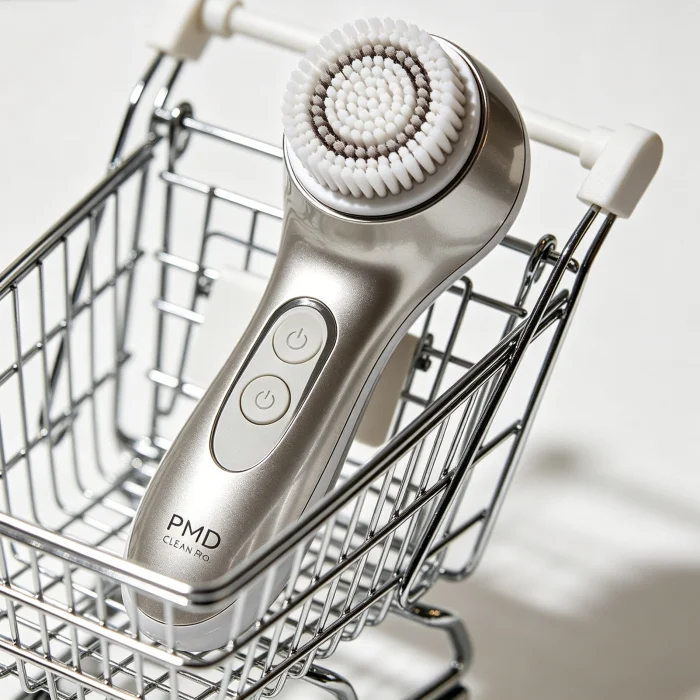
Sephora is where you go when you want a high-end experience. They carry top-tier devices like the Foreo Luna 4, PMD Clean Pro, and the Dr. Dennis Gross SpectraLite FaceWare Pro (which is technically a mask, but they also sell brushes). The beauty Insider points add up fast, and if you’re Rouge, you get free shipping no minimum.
But here’s the thing: Sephora’s prices are almost always full retail. You rarely find sales, except during their spring and fall savings events (10-20% off). If you’re not in a rush, wait for those sales. Also, their return policy is generous — 60 days for opened products, similar to Ulta.
One more thing: Sephora’s online reviews tend to be more detailed and honest, probably because their customers are more beauty-obsessed. I’ve found that reading the 3-star reviews there is more helpful than the 5-star ones anywhere else.
Where NOT to Buy (and Why)
You might be tempted to buy from random websites that pop up in Google Shopping ads, like “BrushDealsToday.com” or something sketchy. Don’t. I made that mistake once and received a clearly fake Clarisonic that smelled like plastic and stopped working after a week. The return process was a nightmare — the site had no phone number and emails bounced.
Also avoid eBay for new brushes unless the seller has thousands of positive reviews and accepts returns. Used face brushes? Gross. Don’t even think about it. And stay away from TikTok Shop — I’ve seen too many friends buy a brush from a viral video only to have it arrive looking nothing like the ad.
How to Choose the Right Brush Before You Buy
Before you click “Add to Cart,” take a minute to think about your skin type and what you actually need. If you have sensitive skin, a silicone brush like the Foreo is safer than a nylon-bristle one. If you wear heavy makeup daily, a spin brush might clean deeper. This is where a guide like How to Choose the Right Face Cleaning Brush for Your Skin in USA can save you from a bad buy.
Also consider: do you want something rechargeable or battery-operated? Rechargeable is better for the environment and cheaper in the long run. And check if the brush head is replaceable — if it’s not, you’ll be tossing the whole device every 3 months.
Price Comparison: What You Get for Your Money
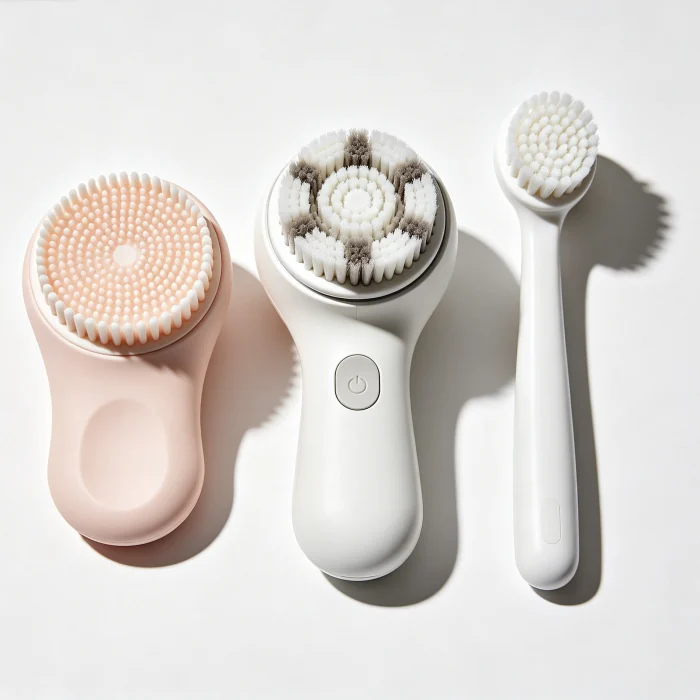
Let’s talk numbers. A $10 brush from Walmart will vibrate, maybe have two speeds, and last about six months. A $50 brush like the PMD Clean Pro has sonic vibrations, a waterproof design, and a warranty. A $200 Foreo Luna 4 uses T-Sonic pulsations, has a silicone body that lasts years, and offers app-connected personalized routines. You get what you pay for, but that doesn’t mean you need to spend big. I’ve seen plenty of happy users with $20 brushes from Amazon.
Think about your budget and how often you’ll actually use it. If you’re just dipping your toes in, start with a budget-friendly option. If you’re ready to commit, invest in quality. And if you’re still on the fence, check out Why a Face Cleaning Brush Is Worth the Investment in the USA in 2026 — it might help you decide.
Final Thoughts: Shop Smart, Not Hard
At the end of the day, where you buy your face cleaning brush depends on what you value most. Amazon for speed and selection, Ulta for rewards and returns, Walmart for budget deals, Sephora for premium brands. Avoid third-party sketchiness, read real reviews, and always check the return policy.
And hey, if you get stuck, the AllureCircle community is full of people who’ve been exactly where you are. We share our wins and fails so you don’t have to learn the hard way. Happy brushing!
Frequently Asked Questions
What is the best website to buy a face cleaning brush?
For most people, Amazon is the best overall due to selection and fast shipping. Ulta is better if you want rewards points and an easy return policy. Walmart wins on price, and Sephora is ideal for premium brands.
Can I buy a face cleaning brush at a physical store?
Yes! Ulta, Sephora, Target, and Walmart all carry face brushes in-store. This lets you feel the bristles and check the weight before buying. Target’s selection is smaller but includes brands like Neutrogena and their own Up & Up line.
How much does a good face cleaning brush cost?
You can find decent brushes for $15-$30. Mid-range options ($40-$80) like the PMD Clean or Olay Regenerist offer better quality. Premium devices (Foreo, Clarisonic) run $100-$200+. Avoid anything under $10 from unknown sellers — they often break quickly.
Are face cleaning brushes worth it?
For many people, yes. They can remove makeup and dirt more effectively than hands alone, leading to clearer skin and better absorption of skincare products. However, they’re not necessary — manual cleansing with a soft cloth works too. If you have sensitive skin, choose a gentle silicone brush.
How often should I use a face cleaning brush?
Most dermatologists recommend using a face brush 2-3 times per week, not daily. Over-exfoliating can irritate skin and damage the moisture barrier. If you have oily or acne-prone skin, you might use it up to 5 times a week, but listen to your skin.
Can I use a face brush with any cleanser?
Yes, but avoid gritty or harsh scrubs that can damage the brush bristles and your skin. Stick to gel or cream cleansers. Foaming cleansers work especially well because they lather up nicely with the brush’s motion.
Do I need to replace the brush head?
If your brush has a replaceable head (like the Clarisonic), replace it every 3 months. Silicone brushes don’t need head replacements, but you should clean them with warm soapy water after each use and replace the whole device every 6-12 months.
I tell my patients that a face cleaning brush can be a helpful tool, but it’s not a cure-all. The key is choosing the right bristle softness for your skin type and not overdoing it. I’ve seen too many people with irritated skin from using a brush too often or with too much pressure. Start slow, use a gentle cleanser, and pay attention to how your skin reacts. If you experience redness or stinging, cut back.
All Comments 4
Please log in to post a comment.
I actually prefer Sephora for brushes because their return policy is so forgiving. Bought a Clarisonic from Amazon once and it died after 3 months—huge hassle to return. Plus the Sephora points add up fast. But I guess if you're on a budget, Walmart's basic $7 option works fine.
Totally agree with Amazon being the go-to! I bought a generic silicone brush there for $8 and it's been a game-changer for my oily skin. Just make sure to clean it regularly or it gets gunky. Quick question: has anyone tried the ones with replaceable heads vs. the solid silicone ones? Which lasts longer?
I've been using a Foreo Luna 3 for about a year now, and honestly, I'm not sure it's worth the hype. Yeah, my skin feels clean, but I got the same results with a $10 silicone scrubber from Amazon. The battery life is great, but I could've saved a ton of money. Anyone else feel like the sonic brushes are overkill?