
The 20-20-20 rule for dry eyes says every 20 minutes, look at something 20 feet away for 20 seconds. This simple habit is recommended by the American Optometric Association to reduce digital eye strain, but it’s not a direct treatment for dry eye disease — it helps relax the focusing muscle and reminds you to blink. Your eyes stay open wider and blink less when you stare at a screen, which speeds up tear evaporation. So the rule acts more like a blink reset than a dry eye cure.

I’ve tried this myself during long writing sessions, and honestly, it’s harder to remember than you’d think. But when I do stick to it, my eyes feel less tired by the end of the day. That said, if you already have chronic dry eyes, the 20-20-20 rule is just one piece of the puzzle — you’ll likely need more.
How the 20-20-20 Rule Helps Dry Eyes
The connection between the rule and dry eye relief comes down to blinking. When you focus on a screen, your blink rate drops from about 15-20 blinks per minute to just 5-7. Each blink spreads a fresh layer of tears across your eye. Fewer blinks means more tear evaporation and drier eyes.
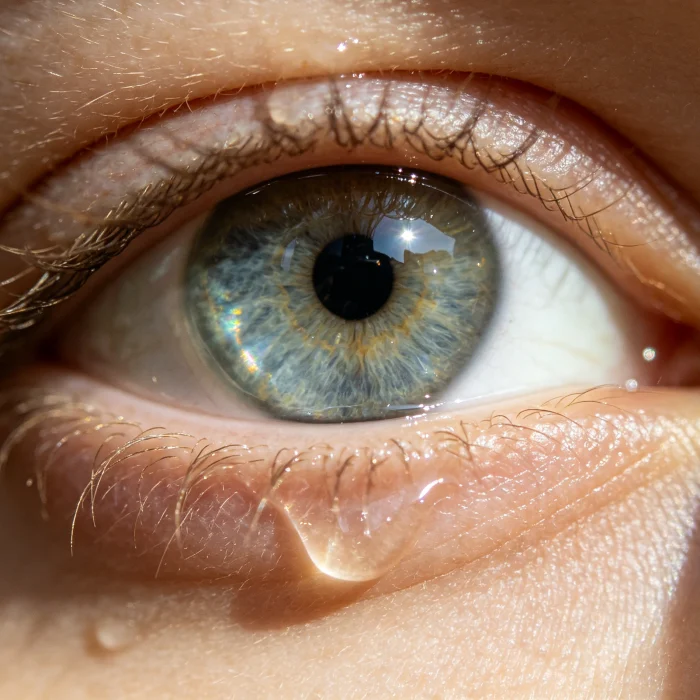
Looking away every 20 minutes gives you a natural cue to blink fully. And when you look at something 20 feet away, your eyes relax — the ciliary muscle stops contracting. That relaxation helps reduce the feeling of strain, which often gets confused with dryness.
What the Rule Doesn’t Do
Let’s be clear: the 20-20-20 rule won’t fix meibomian gland dysfunction or tear insufficiency. If your dry eyes are caused by inflammation, blocked oil glands, or autoimmune conditions like Sjögren’s syndrome, looking away from the screen won’t replace what’s missing.
Think of it like this — it’s like drinking water for dry skin. It helps, but if your skin barrier is damaged, you need a moisturizer with ceramides, not just water. Same deal here.
Real Recommendations for Dry Eyes
So what actually works alongside the 20-20-20 rule? Here’s what I tell friends who ask:
- Artificial tears: Use preservative-free drops 4-6 times a day, or more if needed. But don’t exceed 6-8 times daily with preserved drops — the preservatives can irritate.
- Warm compresses: 10 minutes once or twice a day helps unclog meibomian glands. Microwave a clean washcloth or use a dedicated eye mask.
- Humidifier: Dry air steals tears. Keep indoor humidity between 40-60%.
- Blink exercises: Every 20 minutes, close your eyes for 5 seconds, then squeeze gently, then open. Do 5 reps.
Can Dry Eyes Reduce Vision?
Yes, and it’s one of the most underrated symptoms. Chronic dry eye can cause fluctuating blur that improves when you blink. That’s because the tear film is the first surface light hits — if it’s uneven, your vision gets distorted. In severe cases, dry eye can damage the cornea and cause permanent vision loss, but that’s rare.

If you notice blurry vision that clears after blinking, that’s a classic dry eye sign. The 20-20-20 rule can help reduce that temporary blur by encouraging fuller blinks.
How Many Times a Day Should I Use Dry Eye Drops?
Most experts say 4-6 times a day is a good baseline for moderate dry eyes. But there’s no hard limit for preservative-free drops — you can use them as often as every hour if needed. Just watch out for drops with preservatives like benzalkonium chloride; they can damage the cornea if used more than 4-6 times daily.
A good rule: use drops before your eyes start feeling dry, not after. I keep a bottle on my desk and use it every time I stand up for a stretch.
Dry Eyes Guidelines You Should Know
The TFOS DEWS II report (a global consensus) lays out a stepwise approach:
- Step 1: Education, blink training, lid hygiene, and environmental changes (like the 20-20-20 rule).
- Step 2: Artificial tears, warm compresses, omega-3 supplements, and in-office treatments.
- Step 3: Prescription anti-inflammatories (like Restasis or Xiidra), punctal plugs, or autologous serum tears.
Most people start at step 1 and only move up if symptoms persist. The 20-20-20 rule is squarely in step 1 — it’s a foundational habit, not a cure-all.
Devices and Tools That Complement the 20-20-20 Rule
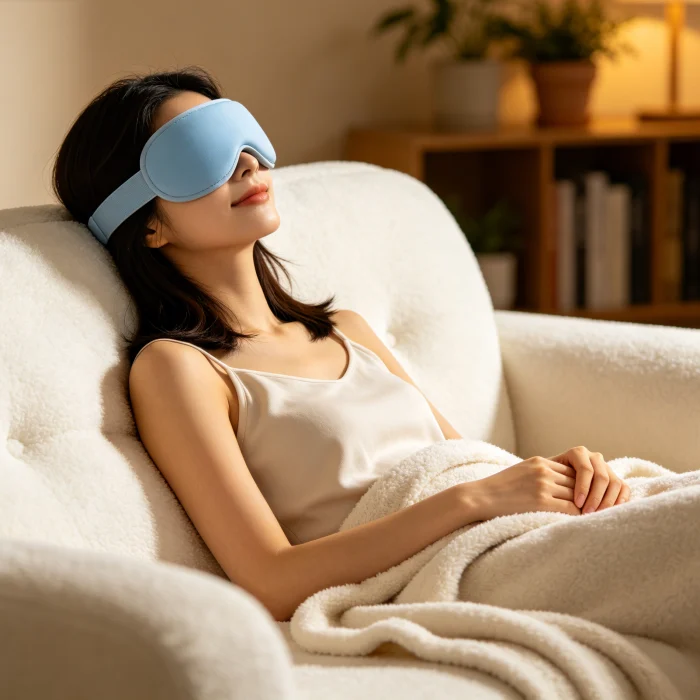
If you’re into at-home beauty devices, you might already have a heated eye mask or a light therapy gadget. Infrared heat masks (around 40-45°C) are great for stimulating meibum production. Some LED masks include a specific eye mode with red light (630-660nm) that may reduce inflammation around the eyelids.
For a deeper dive into eye care tools, check out AllureCircle’s 2026 Eye Massage Equipment Guide — it covers the best devices for dark circles and puffiness too.
Frequently Asked Questions
Does the 20-20-20 rule actually help dry eyes?
Yes, but indirectly. It encourages full blinking and gives your eyes a break from screen focus, which helps maintain the tear film. For mild dryness, it can make a real difference. For moderate to severe dry eye, it’s a helpful addition but not sufficient on its own.
How many times a day should I use eye drops for dry eyes?
For preservative-free drops, you can use them as often as every hour. With preserved drops, limit to 4-6 times daily to avoid irritation. A common schedule: once in the morning, before lunch, after lunch, mid-afternoon, and before bed.
Can dry eyes reduce vision permanently?
Severe, untreated dry eye can damage the cornea and cause permanent vision loss, but this is rare. Most people experience temporary blur that clears with blinking or drops. If you have persistent blur, see an eye doctor.
What is good for dry eyes besides the 20-20-20 rule?
Artificial tears, warm compresses, omega-3 supplements, a humidifier, and blink exercises. If those aren’t enough, prescription drops like cyclosporine or lifitegrast may be needed. LED light therapy around the eyes is also being studied for inflammation.
How many times a day should I do the 20-20-20 rule?
Every 20 minutes you’re on a screen. That’s roughly 20-30 times in a typical workday. Don’t stress about perfection — even doing it 5-10 times a day is better than nothing.
Is the 20-20-20 rule recommended by eye doctors?
Yes, the American Optometric Association recommends it as part of a comprehensive approach to digital eye strain. Many optometrists suggest it during routine exams, especially for patients who work at computers.
Can I use eye massage devices with dry eyes?
Yes, but be gentle. Some eye massagers with vibration or heat can help stimulate tear production. Avoid any device that presses hard on the eyeball. Check out AllureCircle’s Eye Massage Equipment page for options that are safe for dry eyes.
Does blinking more help dry eyes?
Absolutely. Each blink spreads tear film and cleans the surface. Consciously blinking more often — especially complete blinks where the lids meet — is one of the simplest dry eye remedies. The 20-20-20 rule is basically a blinking reminder.
In my practice, I see patients who swear by the 20-20-20 rule and others who say it does nothing. The difference usually comes down to whether they have mild strain or true dry eye disease. For the latter, you need to address the underlying inflammation or gland dysfunction. The rule is a great starting point, but if you’re still uncomfortable after a month, come see me.
All Comments 0
Please log in to post a comment.
No comments yet. Be the first to share your thoughts!