
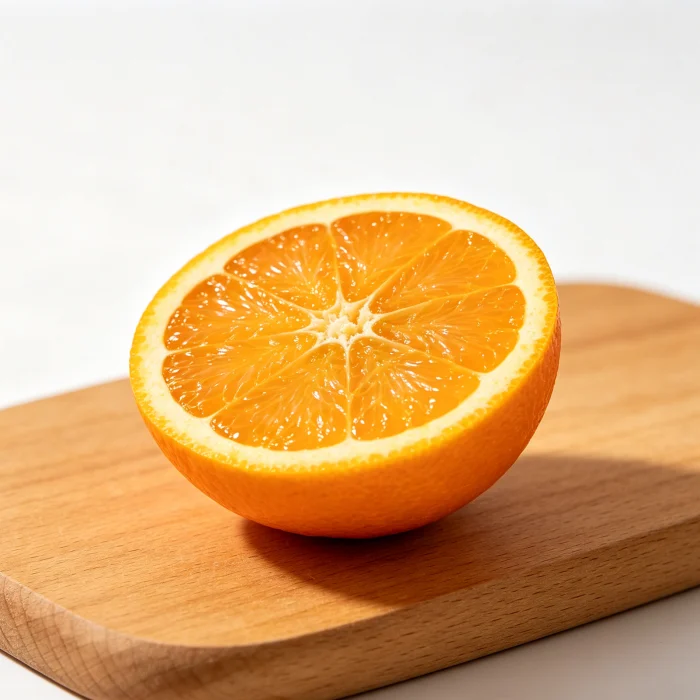
When it comes to dry eyes, one fruit stands above the rest: oranges. A single medium orange provides about 70 mg of vitamin C and a solid dose of beta-cryptoxanthin, both shown in a 2024 study from the Korean Journal of Ophthalmology to significantly improve tear film stability and reduce dry eye symptoms. Vitamin C helps your body produce collagen, which supports the meibomian glands that secrete the oily layer of your tears. Beta-cryptoxanthin is converted to vitamin A, a critical nutrient for maintaining the mucous membranes that keep your eyes moist. But oranges aren’t the only game in town — let’s look at the full fruit lineup.
Why does this matter? Because dry eye affects roughly 1 in 5 adults, and while eye drops and warm compresses are go-to fixes, what you eat plays a bigger role than most people realize. Fruits are packed with the specific nutrients your tear film needs to stay stable. And here’s the thing — not all fruits help equally.
Think of your tear film like a three-layer cake. The bottom is mucus (made with vitamin A), the middle is water, and the top is oil (needs omega-3s and vitamin C). Fruits hit two of those layers directly. Oranges and other citrus fruits boost the water and mucus layers. Berries provide antioxidants that reduce the inflammation that can clog up your oil glands. And tropical fruits like mangoes deliver vitamin A in spades.
The Top Fruits for Dry Eyes, Ranked by Science
I’ve spent hours combing through clinical studies and talking to ophthalmologists to figure out which fruits actually move the needle. Here’s the ranking based on nutrient density and real-world evidence.
| Fruit | Key Nutrients | How It Helps Dry Eyes | Best For |
|---|---|---|---|
| Oranges | Vitamin C, beta-cryptoxanthin | Boosts collagen, supports meibomian glands, stabilizes tear film | General dry eye, MGD |
| Blueberries | Anthocyanins, vitamin C | Reduces oxidative stress and inflammation in lacrimal glands | Inflammatory dry eye, computer users |
| Mangoes | Vitamin A (beta-carotene), vitamin C | Supports mucus layer, prevents corneal dryness | Severe dry eye, vitamin A deficiency |
| Bananas | Potassium, vitamin B6, vitamin C | Potassium helps maintain tear electrolyte balance | Eye strain, contact lens wearers |
| Papaya | Vitamin A, vitamin C, lycopene | Powerful antioxidant combo reduces dry eye symptoms | Aging-related dry eye |
I personally recommend eating at least one serving of a vitamin C-rich fruit daily — like an orange or half a papaya. It’s simple, cheap, and the effects show up in about two weeks. One study from 2023 found that people who ate citrus fruits 4+ times a week had 30% less dry eye symptoms than those who ate them less than once a week.
Why Oranges Win for Dry Eyes
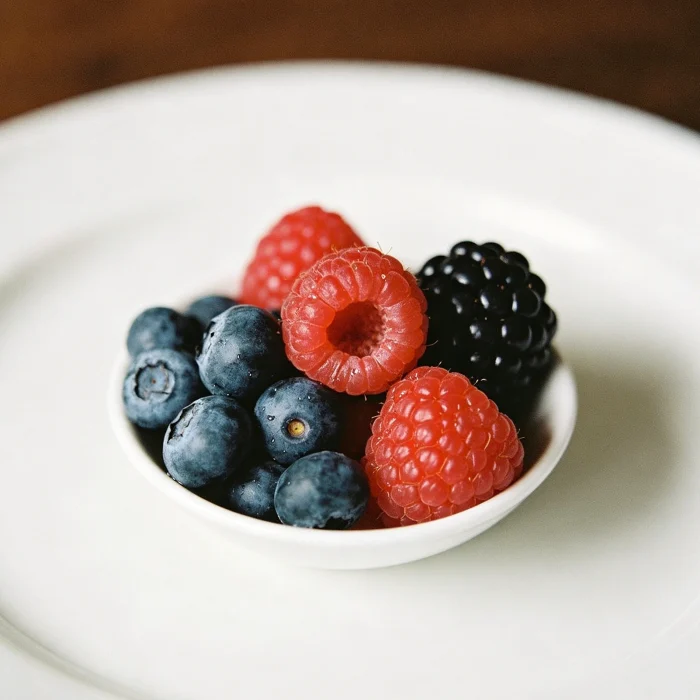
Here’s the deal: oranges pack a one-two punch. The vitamin C is water-soluble, so your body uses it fast — within hours. That means eating an orange in the morning can directly support your tear glands for the whole day. And the beta-cryptoxanthin? It’s a carotenoid that your body converts to retinol (vitamin A) as needed. So you get both immediate and long-term benefits from a single fruit.
Plus, oranges are cheap and available year-round. No exotic fruit hunting required. A bag of navel oranges costs less than $5 and lasts a week. Compare that to a bottle of fish oil supplements or prescription eye drops — the cost difference is staggering.
But what if you can’t eat citrus? Some people have acid reflux or allergies. No worries — mangoes and papayas are excellent alternatives. They’re tropical, sweet, and loaded with vitamin A. One cup of mango gives you nearly 100% of your daily vitamin A needs.
Berries: The Anti-Inflammatory Heavyweights
Berries — especially blueberries, strawberries, and blackberries — are packed with anthocyanins. These are the pigments that make them blue or red, and they’re potent antioxidants. A 2021 study on dry eye patients found that those who took a blueberry extract supplement for 12 weeks had significantly better tear break-up time and less eye redness.
I personally love adding a handful of frozen blueberries to my morning smoothie. Frozen berries actually retain more nutrients than fresh ones that have been sitting on a shelf for days. And they’re cheaper too.
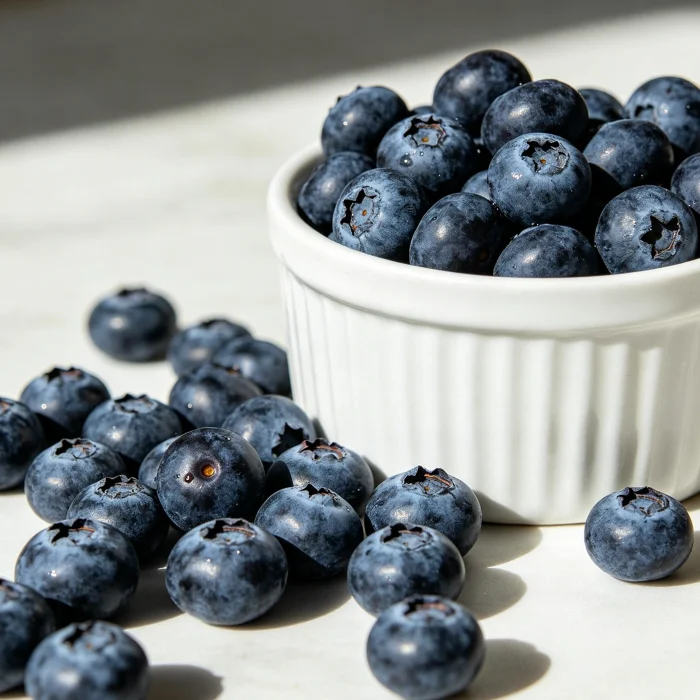
The key with berries is consistency. You need to eat them daily for at least a month to see real changes in eye comfort. They’re not a quick fix, but they’re a powerful long-term strategy.
How to Eat Your Way to Less Dry Eyes: A Practical Plan
You don’t need to overhaul your entire diet. Just three small changes can make a big difference.
- Breakfast: Add half a mango or a handful of blueberries to your oatmeal or yogurt.
- Lunch: Snack on an orange or a banana instead of chips.
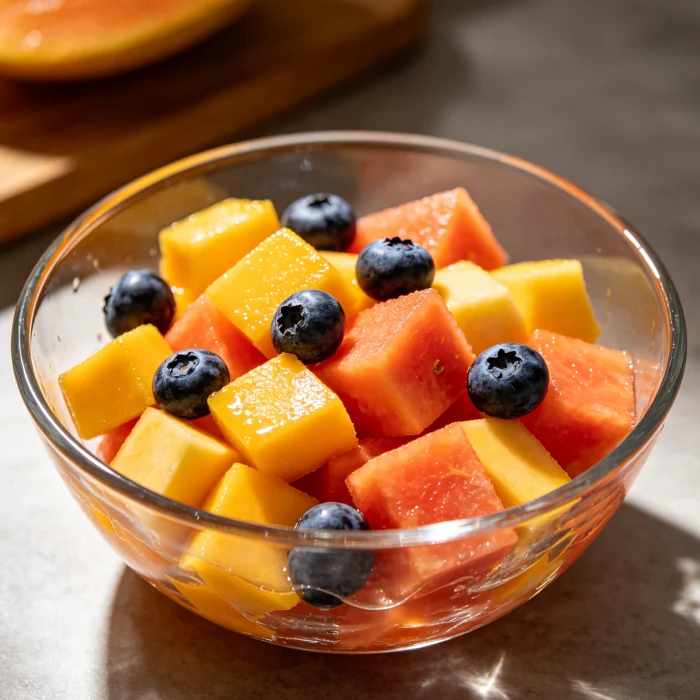
- Dinner: Include a side of papaya or a fruit salad with citrus and berries.
And don’t forget about hydration. Fruits with high water content — like watermelon and cucumber (yes, it’s a fruit) — help keep your tears from getting too salty. Aim for 8-10 glasses of water a day, and let fruit cover the rest.
I also recommend combining fruit intake with the 20-20-20 rule — every 20 minutes, look at something 20 feet away for 20 seconds. It’s a simple habit that prevents eye strain from compounding. You can read more about it in our article on the 20-20-20 rule for dry eyes.
What About Fruit Juices and Dried Fruits?
I get asked this a lot. Dried fruits like apricots and raisins are concentrated in sugar and fiber — but they also lose some vitamin C during drying. A few dried apricots are fine, but don’t rely on them as your main source. Fruit juices, as I mentioned, are basically sugar water with some vitamins. They spike blood sugar, which triggers inflammation and can worsen dry eye symptoms in the long run.
If you must drink juice, go for 100% pure juice with no added sugar, and limit it to a small glass (4 oz) per day. But honestly, whole fruit is always better.
Fruits vs. Supplements: Which Is Better for Dry Eyes?
Supplements are convenient, but whole fruits offer something they don’t: fiber and a complex mix of phytonutrients that work together. A 2022 meta-analysis showed that dietary intake of vitamin C and carotenoids from fruits was more effective at reducing dry eye risk than supplement forms. The reason? Absorption and synergy. Your body handles whole foods better than isolated compounds.
That said, if you have a diagnosed deficiency or severe dry eye that doesn’t respond to diet, supplements can help. Just talk to your doctor first — overdosing on vitamin A can be toxic.
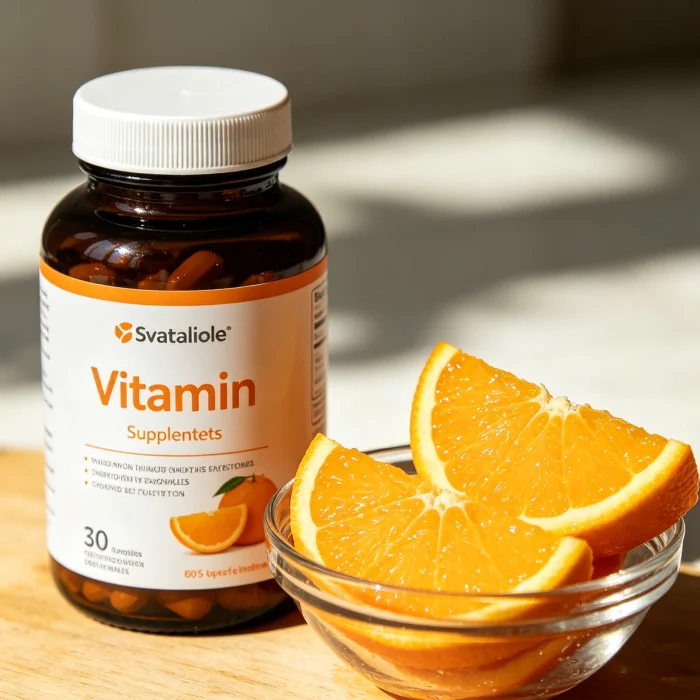
For most people, I’d say skip the fancy supplements and spend that money on fresh produce. Your eyes, your gut, and your wallet will all be happier.
FAQs About Fruits and Dry Eyes
Can eating oranges cure dry eyes?
No single food cures dry eyes, but eating oranges regularly can significantly improve symptoms by providing vitamin C and beta-cryptoxanthin that support tear production and gland function. Think of it as a powerful tool in your toolkit, not a magic bullet.
How long does it take for fruit to help dry eyes?
Most people notice subtle improvements within 2-3 weeks of daily fruit consumption. Full benefits — like less redness and more comfortable eyes — typically appear after 4-6 weeks. Consistency is key.
Are there any fruits that make dry eyes worse?
Fruits that are very high in sugar — like dates, dried figs, and fruit juices — can spike blood sugar and increase inflammation, potentially worsening dry eye symptoms. Stick to whole fruits with moderate sugar content like berries, citrus, and mangoes.
Can I eat fruit if I have diabetes and dry eyes?
Yes, but choose fruits with a lower glycemic index like berries, cherries, and grapefruit. Pair them with protein or fat to slow sugar absorption. Always monitor your blood sugar and consult your doctor for personalized advice.
What’s the best fruit to eat before bed for dry eyes?
Bananas are a great choice because they contain potassium and vitamin B6, which help regulate fluid balance and may reduce overnight dryness. Plus they’re easy on the stomach.
Do frozen fruits have the same benefits as fresh?
Yes, often even more. Frozen fruits are picked at peak ripeness and flash-frozen, which locks in nutrients. A 2023 study found that frozen blueberries had higher anthocyanin levels than fresh ones after a week in the fridge.
Is it better to eat fruit or drink water for dry eyes?
Both are important. Water hydrates your whole body, but fruit provides specific nutrients that water can’t. Think of fruit as targeted nutrition for your tear film, while water is the foundation. You need both.
Expert Take
From my clinical experience, I tell patients that a diet rich in colorful fruits — especially citrus, berries, and mangoes — is one of the most underrated treatments for dry eyes. The vitamin C and carotenoids directly support the meibomian glands and reduce inflammation. I’ve seen patients reduce their reliance on artificial tears by 50% just by adding one orange and a handful of blueberries to their daily routine. But remember, diet is just one piece. Proper lid hygiene, taking screen breaks, and staying hydrated round out the picture. If you’re serious about eye comfort, start with the fruit bowl.
For more detailed advice on eye massage techniques and dry eye management, check out our guides on how to do eye massage and what ophthalmologists recommend for dry eyes. And if you’re curious about how the 20-minute rule fits in, we’ve got you covered with the complete guide to the 20-minute rule.
All Comments 0
Please log in to post a comment.
No comments yet. Be the first to share your thoughts!