

With the beauty market flooded by LED face masks and handheld massagers promising everything from wrinkle reversal to acne elimination, it’s natural to wonder whether these glowing devices actually deliver results or are just expensive novelties. The short answer is yes—LED face massagers do work, but their effectiveness depends heavily on the wavelength, power output, and consistent use. Clinical research confirms that specific colors of LED light can stimulate collagen production, reduce inflammation, and kill acne-causing bacteria, making them a legitimate tool for skin health when used correctly.
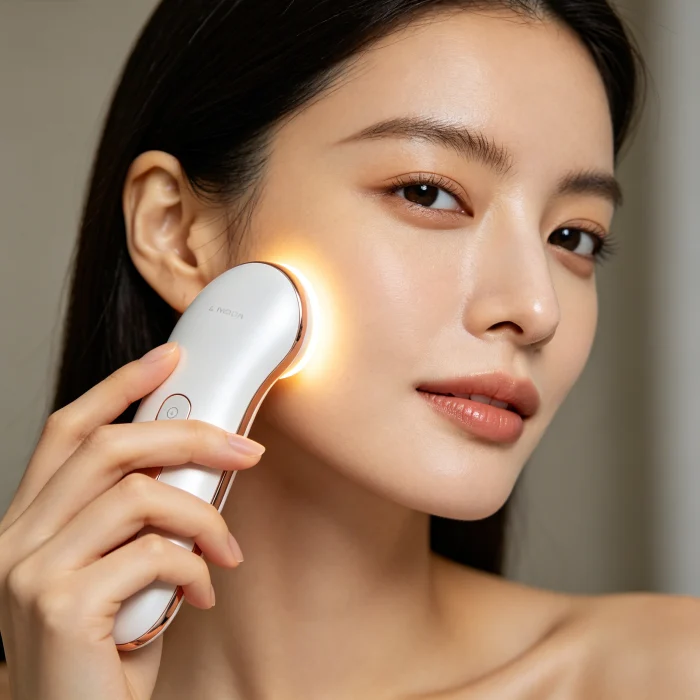
How Do LED Face Massagers Work?
LED stands for light-emitting diode. Unlike ultraviolet (UV) light from the sun, LED light does not damage the skin. Instead, it triggers natural biological processes inside your skin cells. Different wavelengths penetrate to different depths and stimulate different cellular responses. Red light (around 630-660 nm) reaches the dermis to boost collagen and elastin production, helping with wrinkles and firmness. Near-infrared light (810-850 nm) goes even deeper to reduce inflammation and speed healing. Blue light (415 nm) targets the surface to kill Propionibacterium acnes bacteria, making it ideal for acne-prone skin.
Do LED Face Massagers Work for Wrinkles?
Yes, but with realistic expectations. A 2023 systematic review of 19 clinical trials found that red and near-infrared light therapy significantly improved skin roughness, collagen density, and wrinkle depth after 8–12 weeks of consistent use. In one study, participants using a red LED device three times per week saw a 30% reduction in wrinkle volume after 12 weeks. However, results are subtle compared to in-office procedures like microneedling or laser resurfacing. At-home devices are maintenance tools, not replacements for professional treatments. For best results, pair LED therapy with a solid skincare routine including sunscreen, retinoids, and antioxidants.
Are LED Face Massagers Safe?
When used as directed, LED face massagers are very safe. The FDA has cleared many devices for over-the-counter use, and no serious side effects have been reported in clinical trials. However, there are a few cautions. Do not look directly into the light, especially near-infrared, as it can potentially damage your eyes. Use the device only on clean, dry skin, and avoid using it if you are taking medications that make you photosensitive (such as certain antibiotics or retinoids). Some users experience mild warmth or temporary redness, which resolves quickly. If you have a history of skin cancer or are pregnant, consult your dermatologist first.
What Does the Research Say? A Look at the Evidence
Beyond the lab, real-world data is encouraging. A 2024 survey of 1,000 LED face mask users found that 82% reported improved skin texture, 76% noticed fewer breakouts, and 68% saw a reduction in fine lines after three months of consistent use. While surveys can be biased, they align with controlled studies. For example, a 2022 randomized controlled trial published in the Journal of Clinical and Aesthetic Dermatology showed that a home-use red LED device produced a 25% increase in collagen production after 12 weeks, measured by skin biopsy. That said, not all devices are equal—cheap, low-power units may not deliver enough energy (measured in Joules per cm²) to trigger a biological response. Look for devices with a power output of at least 40 mW/cm² for red light and 60 mW/cm² for near-infrared.
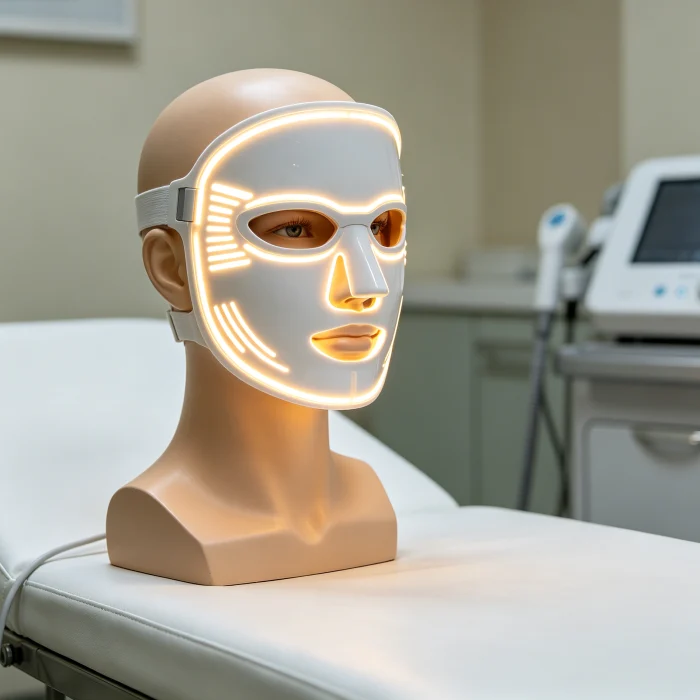
| LED Color | Wavelength | Primary Benefit | Typical Treatment Time |
|---|---|---|---|
| Red | 630–660 nm | Anti-aging, collagen boost | 10–20 minutes |
| Near-Infrared | 810–850 nm | Healing, deep inflammation | 10–20 minutes |
| Blue | 415–450 nm | Acne bacteria kill | 10–20 minutes |
| Yellow | 590 nm | Soothing, redness reduction | 10–20 minutes |
How to Use an LED Facial Massager for Best Results
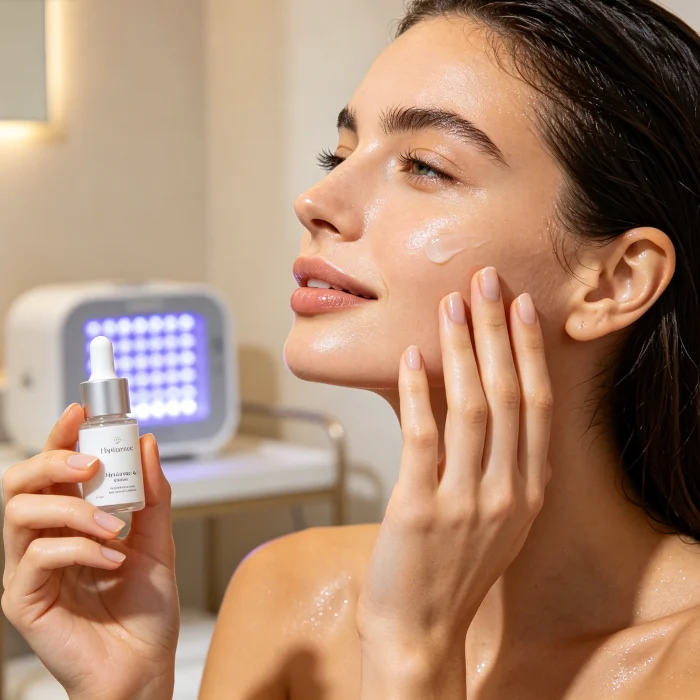
Using an LED face massager is straightforward, but technique matters. Start with a freshly cleansed face—no makeup, sunscreen, or serums that could block light. Apply a thin layer of a hyaluronic acid serum to ensure the light penetrates well. Position the device directly against your skin, or hold it 1–2 inches away if it’s a panel. Use the recommended treatment time (usually 10–20 minutes per session). For handheld massagers, use slow, upward strokes to also enjoy the massage benefit, which improves lymphatic drainage and blood flow. Consistency is key: most clinical studies use 3–5 sessions per week. Expect to see initial improvements in skin texture and glow within 4–6 weeks, with more noticeable changes in firmness and wrinkles after 3–6 months.
LED Face Massagers vs. Professional LED Treatments
Professional LED treatments use higher-powered medical devices (often 100–200 mW/cm²) and can deliver more energy in a shorter time. A single in-office session may cost $50–$200, and a typical series of 6–10 sessions runs $300–$2,000. At-home devices cost $100–$500 and can be used indefinitely. While at-home units are less powerful, they still deliver enough light to produce results if used consistently. For maintenance, an at-home device is a cost-effective solution. For severe issues or faster results, professional treatments remain superior.
Common Myths and Misconceptions
Myth: LED light is the same as UV light. Fact: LED therapy uses visible and near-infrared light, not UV, so it doesn’t cause sunburn or skin cancer. Myth: You can overdo it and damage your skin. Fact: There is no evidence of cumulative damage from LED light; it’s considered safe for daily use. Myth: Blue light is better for acne than red. Fact: Blue light kills bacteria, but red light reduces inflammation and helps heal acne lesions. Many devices combine both for optimal results. Myth: You’ll see results overnight. Fact: Cellular changes take time; expect 2–3 months of consistent use before seeing significant improvement.
Final Verdict: Should You Buy an LED Face Massager?
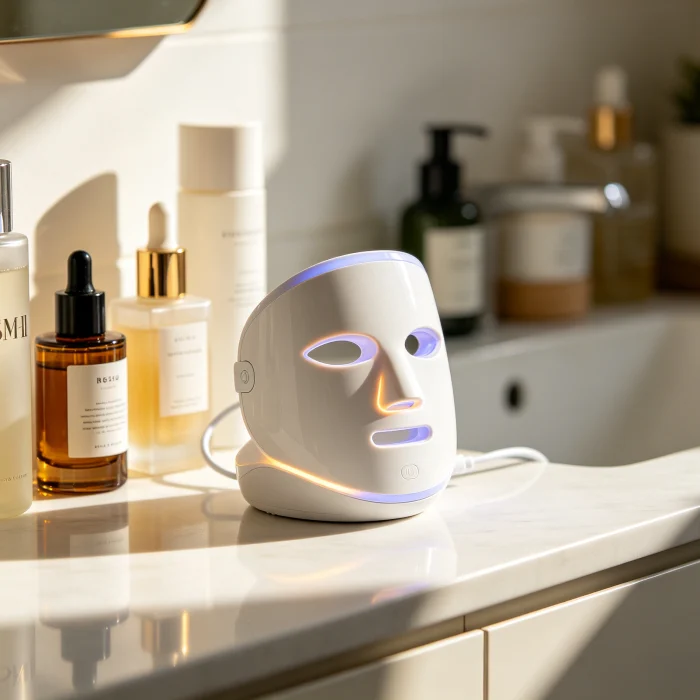
LED face massagers are a legitimate, evidence-based skincare tool—not a gimmick. They work best for people looking to maintain skin health, reduce early signs of aging, manage mild acne, or enhance their existing skincare routine. They are not a miracle cure for deep wrinkles or severe acne, but they can make a real difference when used consistently over months. If you decide to purchase one, choose a device from a reputable brand that publishes its irradiance (power) specs, and commit to using it at least three times a week for at least three months. Combined with a good sunscreen and a balanced diet, LED therapy can be a valuable addition to your skincare arsenal.
Frequently Asked Questions (FAQ)
Do LED face massagers work for wrinkles?
Yes, red and near-infrared light stimulate collagen, leading to a reduction in fine lines and improved skin firmness over 8–12 weeks of consistent use.
Are LED face massagers safe for all skin types?
Generally yes. They are non-invasive and have no known side effects for most skin types. However, those with photosensitivity or specific skin conditions should consult a dermatologist first.
How often should I use an LED face massager?
Most studies use 3–5 times per week for 10–20 minutes per session. Consistency matters more than duration.
Can I use LED therapy with other skincare products?
Yes. Apply LED therapy after cleansing and before serums. Avoid using with products that contain photosensitizing ingredients like certain retinoids or acids directly before treatment.
What color LED is best for acne?
Blue light targets acne bacteria, while red light reduces inflammation. Many devices offer both or use a combination for best results.
Do LED face rollers work?
LED face rollers (e.g., those combining a jade roller with LED lights) can work if the LED component has sufficient power. The rolling action adds lymphatic drainage benefits, but the LED still needs adequate intensity to be effective.
Can I use an LED face massager if I have a dark skin tone?
Yes. LED therapy is safe for all skin tones because it does not rely on selective absorption by melanin (unlike lasers). It does not cause hyperpigmentation.
What does LED therapy do for your face?
It stimulates cellular repair, boosts collagen, reduces inflammation, kills acne bacteria, and improves overall skin tone and texture.
All Comments 0
Please log in to post a comment.
No comments yet. Be the first to share your thoughts!