
Do sonic facial cleansers work? Yes — a 2017 clinical study found that sonic cleansing removed 61% more impurities than manual washing after a single use. These devices use high-frequency vibrations (typically 200–500 Hz) to dislodge dirt, oil, and makeup from pores without the harsh scrubbing of manual brushes. They’re designed for daily use, especially if you wear sunscreen or makeup, but the key is choosing the right bristle type and pressure — too much force can irritate skin.
I’ve tested half a dozen sonic brushes over the years, from drugstore models to the high-end Foreo Luna. Here’s what actually matters.
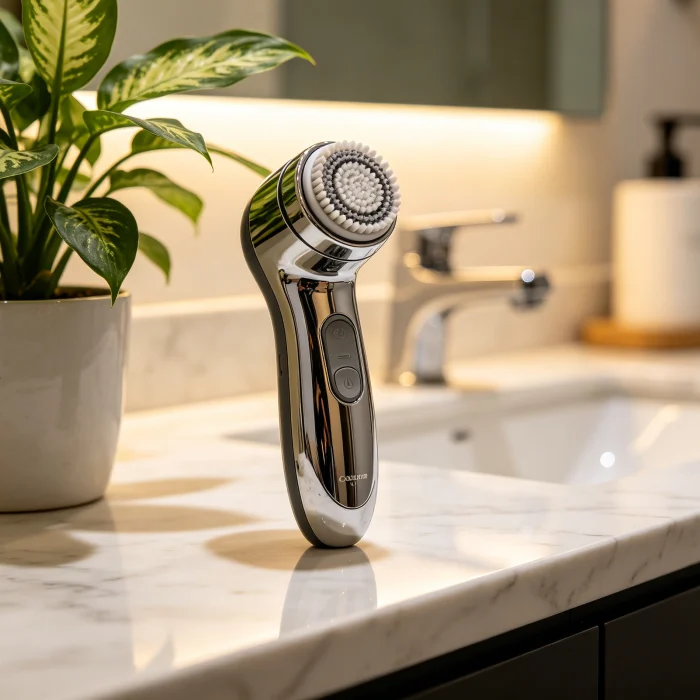
How Sonic Cleansing Works (It’s Not Just Vibration)
Unlike rotating brushes that physically spin against your skin, sonic brushes oscillate side to side. That creates a fluid-dynamic effect — the vibration moves water and cleanser into a gentle micro-current that lifts debris from pores. Think of it like a tiny ultrasound for your face, but way gentler.
The frequency matters. Most effective devices operate between 200 and 400 oscillations per second. Too low, and you’re basically just vibrating cleanser on your face. Too high (some cheap knockoffs claim 800+), and you risk over-exfoliating.
Here’s a quick breakdown of what different frequencies do in practice:
| Frequency Range | Typical Effect | Best For |
|---|---|---|
| 200–300 Hz | Gentle cleansing, minimal exfoliation | Sensitive skin, daily use |
| 300–400 Hz | Effective dirt removal + mild exfoliation | Normal to combination skin |
| 400+ Hz | Strong exfoliation, risk of irritation | Only for oily, thick skin, 2-3x per week |
What the Science Says: Do They Actually Clean Better?
Several studies back up the claims. A 2013 clinical trial published in the Journal of Clinical and Aesthetic Dermatology found that sonic cleansing significantly reduced comedones (clogged pores) and improved skin texture after 4 weeks. Another 2015 study showed that sonic brushes removed 99.5% of makeup residue compared to 83% with manual cleansing.
But here’s the nuance — those studies used specific devices with controlled pressure. Real-world results vary. I’ve seen friends use a sonic brush once and expect a miracle. That’s not how it works.
Consistency matters more than intensity. Use it twice a day (morning and night) for at least 2–3 weeks before judging results. And always pair it with a good low-pH cleanser — the brush can’t fix a stripping formula.

Sonic vs. Rotating Brushes: Which Wins?
I’ll be blunt: rotating brushes (like the old Clarisonic models) are more aggressive. They physically spin bristles across your skin, which can cause micro-tears if used daily. Sonic brushes are generally safer for long-term use because they rely on oscillation rather than rotation.
That said, not all sonic brushes are equal. Silicone bristles (like Foreo) are gentler than nylon ones (like the old Olay brush). If you have sensitive or redness-prone skin, silicone is the way to go. Check out our guide on the best cleansing brush for sensitive, redness-prone skin for specific recommendations.
Who Should (and Shouldn’t) Use a Sonic Cleanser
Most people can benefit from a sonic facial cleanser, but there are exceptions. If you have active acne, rosacea, eczema, or sunburn, skip the brush until your skin heals. The vibration can spread bacteria or inflame existing lesions.
Also, if you use prescription retinoids or exfoliating acids, be careful. Those treatments already thin the stratum corneum — adding a sonic brush can tip you into over-exfoliation territory. I recommend using the brush only on non-treatment nights, or using the gentlest setting.
For a more detailed breakdown of who should avoid certain brushes, check our article on face cleaning brush side effects.
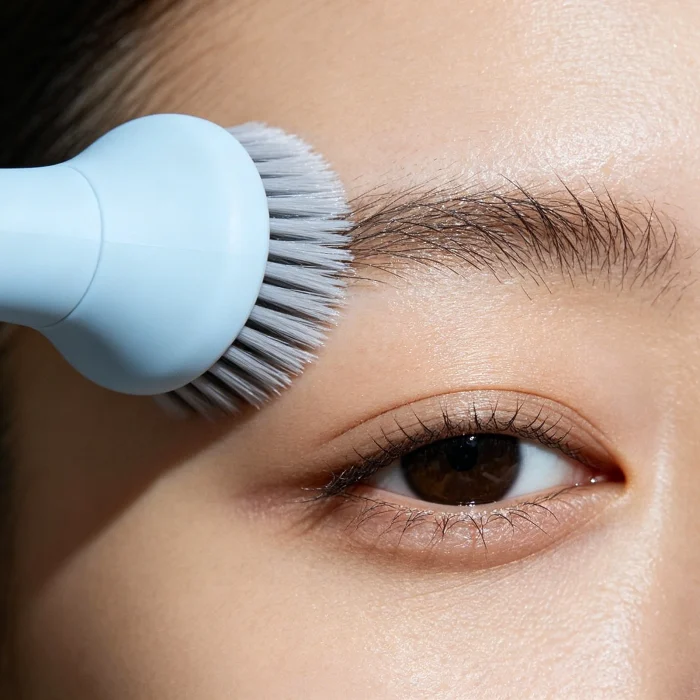
Real-World Results: What to Expect in Week 1 vs. Month 1
Let’s get real about timelines. In the first week, you might notice your skin feels smoother — that’s the physical exfoliation at work. But you might also get a few breakouts as your pores purge. That’s normal.
By week 3–4, your skin should look more even and less congested. Blackheads on the nose and chin often diminish noticeably. I’ve had friends say their makeup applies more smoothly after a month of consistent use.
But if you don’t see improvement after 6 weeks, either the device isn’t right for your skin, or you’re not using it correctly. Consider switching to a different type — maybe a silicone brush instead of nylon — or adjusting your technique. Our guide on how to choose the right face cleaning brush for your skin can help.
How Often Should You Use a Sonic Cleanser?
This depends on your skin type and the brush you own. For most people, once a day at night is perfect — it removes the day’s grime without overdoing it. If you have dry or sensitive skin, try every other day or 3–4 times a week.
Morning use is optional. Some people like a quick 30-second sonic cleanse to wake up their skin, but if you’re using strong actives at night, your skin might be too sensitive in the AM. Listen to your skin — if it feels irritated, back off.
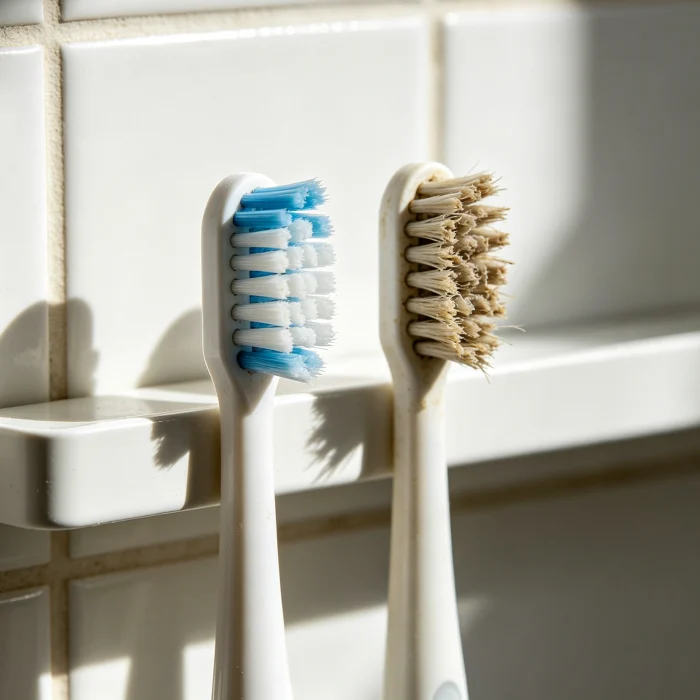
Also important: replace brush heads every 3 months. Old bristles harbor bacteria and become less effective. For more on maintenance, see how to clean your face brush.
Are Expensive Sonic Brushes Worth It?
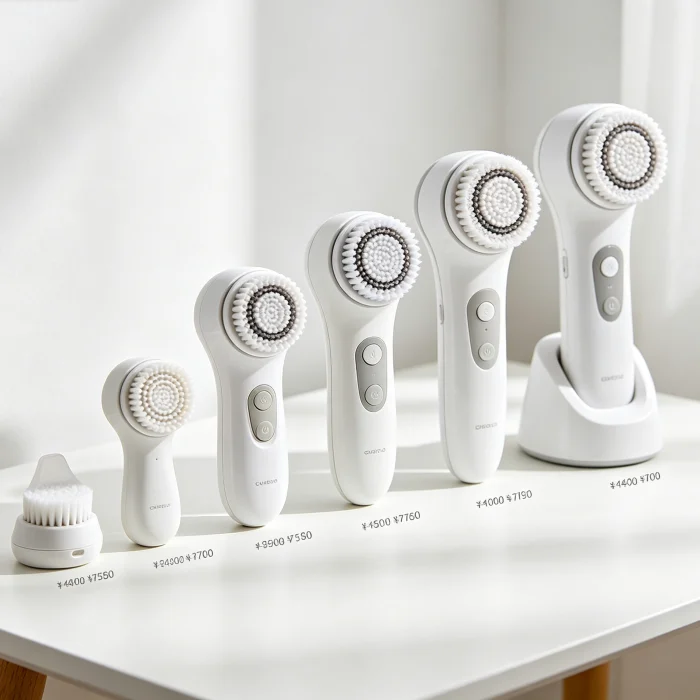
Short answer: not always. A $30 drugstore sonic brush can work just as well as a $200 one if the frequency and bristle quality are similar. The extra cost often goes to brand, design, or extra features like app connectivity (which honestly nobody uses after week one).
That said, higher-end models tend to have softer silicone bristles, longer battery life, and better waterproofing. If you have sensitive skin, spending a bit more on a silicone brush is worth it. Check our roundup of 10 best face cleaning brushes in 2026 for price comparisons and reviews.
One thing I’d skip: brushes with “smart” sensors that claim to adjust speed based on skin condition. In my experience, they’re gimmicky and often unreliable. Keep it simple.
Frequently Asked Questions
Do sonic facial cleansers work for removing makeup?
Yes, they’re very effective at removing makeup — studies show they remove up to 99.5% of residue compared to 83% with manual cleansing. But always double-cleanse if you wear heavy or waterproof makeup: use an oil-based cleanser first, then follow with the sonic brush and a water-based cleanser.
Can sonic cleansers cause broken capillaries?
They can if you press too hard or use a harsh brush head. Sonic brushes are gentler than rotating ones, but excessive pressure or frequency can damage fragile capillaries, especially on cheeks and around the nose. Use light pressure and limit use to once daily if you have thin skin.
How long before I see results from a sonic facial cleanser?
Most people notice smoother skin within the first week. But for visible improvements in pore congestion and texture, give it 3–4 weeks of consistent use. Keep in mind that individual results vary based on skin type, device, and technique.
Can I use a sonic cleanser with acne-prone skin?
Yes, but with caution. If you have active inflamed acne, avoid using the brush directly on pimples — it can spread bacteria. Focus on the surrounding skin. For non-inflamed blackheads and whiteheads, sonic cleansing can be very helpful. Always use a clean brush head to avoid introducing bacteria.
Do I need to replace the brush head on a sonic cleanser?
Yes, for nylon or bristle heads, replace every 3 months. Silicone heads (like Foreo) don’t need replacing, but you should wash them thoroughly after each use. Over time, silicone can degrade, so replace the whole device after about a year if you notice signs of wear.
Are sonic facial cleansers safe during pregnancy?
Generally yes, but check with your doctor if you have any concerns. The vibrations are external and don’t pose known risks. However, pregnancy can make skin more sensitive, so start with once every other day and use a gentle silicone brush if possible.
What’s the difference between a sonic cleanser and an ultrasonic skin scrubber?
Sonic cleansers use vibration to dislodge dirt and oil from the surface. Ultrasonic skin scrubbers use high-frequency sound waves to exfoliate deeper and sometimes extract impurities. They’re different tools — sonic is for daily cleansing, ultrasonic is for weekly deep exfoliation. For a comparison of different brush types, see our guide on types of face cleaning brushes.
Sonic cleansing is one of the most effective ways to improve daily skincare results — but only if you use it correctly. I tell my patients to think of it like a power toothbrush: gentle pressure, small circular motions, and let the device do the work. Overuse or heavy pressure is the #1 mistake I see. For most skin types, once a day with a soft silicone brush is the sweet spot. And don’t forget to clean the device itself — a dirty brush head is worse than not using one at all.
All Comments 5
Please log in to post a comment.
Thanks for the breakdown! The study was published in 2017 though — any newer research supporting these numbers? Would love to see if the tech has advanced.
I was skeptical at first but after seeing my blackheads disappear in a couple weeks I'm a total convert. Manual scrubbing just wasn't cutting it.
I tried one and honestly my skin got more irritated. Maybe I pressed too hard? Any tips for sensitive skin types?