
Is silicone or bristle face brush better? For most skin types, silicone wins — it’s more hygienic, gentler, and easier to clean. Bristle brushes can be effective for deep exfoliation but carry a higher risk of irritation and bacterial buildup. Silicone brushes, like the popular FOREO Luna, use soft, non-porous silicone bristles that don’t absorb bacteria. Bristle brushes, whether nylon or natural, can harbor microbes and may be too harsh for sensitive skin. The choice really depends on your skin’s tolerance and your cleansing goals.
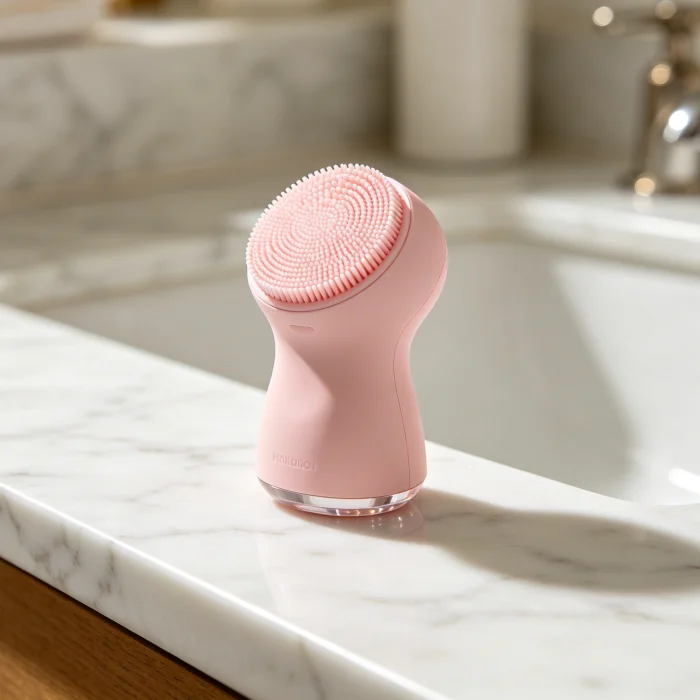
Why Silicone Brushes Are Often the Safer Bet
Silicone is naturally antimicrobial — bacteria can’t penetrate its surface, so you’re not rubbing yesterday’s dead skin cells back into your pores. I’ve used both types, and with silicone, I never worry about that musty smell bristle brushes sometimes develop. Plus, silicone bristles dry almost instantly, which cuts down on mold growth. The FOREO Luna 3, for example, has over 8,000 silicone touchpoints that flex to your skin’s contours. It’s also gentle enough for daily use, even if you have rosacea or eczema. That’s not something I’d recommend with a bristle brush.
When Bristle Brushes Actually Make Sense
Bristle brushes — think the classic Clarisonic (RIP) or drugstore spin brushes — excel at one thing: physical exfoliation. If you have oily, thick, or acne-prone skin that’s not sensitive, a bristle brush can give you that deep-clean feeling. But there’s a trade-off. Overdo it, and you’ll strip your moisture barrier. I’ve seen friends go from oily to red and flaky in a week because they scrubbed too hard. The key is to use the softest bristle head and limit use to 2-3 times per week. Never on active breakouts — you’ll spread bacteria.
Hygiene Showdown: Silicone vs Bristle
| Factor | Silicone Brush | Bristle Brush |
|---|---|---|
| Bacterial growth | Low — non-porous | High — bristles trap moisture |
| Drying time | Seconds | Hours (if not stored well) |
| Replacement frequency | Every 6-12 months (device itself) | Every 3 months (brush head) |
| Sanitization ease | Boil or wipe with alcohol | Harder — bristles can’t be boiled |
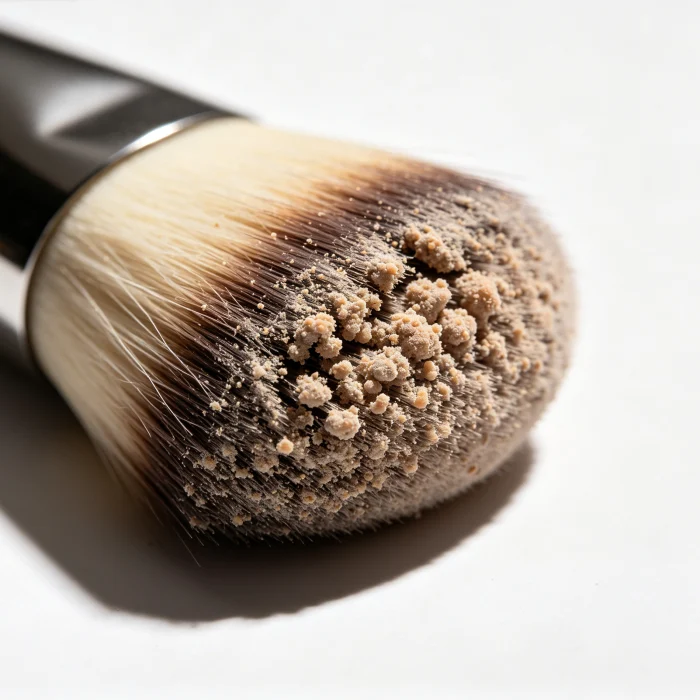
Exfoliation Level: Which Gets Your Skin Cleaner?
Silicone brushes provide a gentle, consistent exfoliation. The pulsations (typically 8,000-12,000 per minute) loosen dirt without grinding it in. Bristle brushes, especially those with firm nylon bristles, can remove more dead skin cells per session. But that extra power comes with risk. A 2024 study in the Journal of Cosmetic Dermatology found that silicone brushes caused less transepidermal water loss than nylon bristle brushes after four weeks of use. Translation: your skin barrier stays healthier with silicone.
Real User Experiences: What I’ve Seen in the AllureCircle Community
I’ve been part of AllureCircle’s face cleaning brush discussions for a while, and the pattern is clear: people with sensitive or dry skin overwhelmingly prefer silicone. One user with rosacea said switching from a bristle brush to a silicone one “changed her skin overnight” — less redness, fewer flare-ups. On the flip side, those with oily, thick skin often miss the “squeaky clean” feeling bristles give. But here’s the thing — that squeaky feeling is actually a sign of stripped skin. Your skin shouldn’t feel tight after washing.
Cost and Longevity: Which Is More Economical?
Silicone brushes cost more upfront — a FOREO Luna goes for about $150-$200, while a basic bristle brush is $20-$50. But silicone devices last years with no replacement heads. Bristle brushes need new heads every 3 months ($10-$25 each). Over two years, the silicone brush is actually cheaper. Plus, you’re not generating plastic waste from disposable brush heads. Check out the value breakdown in this AllureCircle guide for more details.
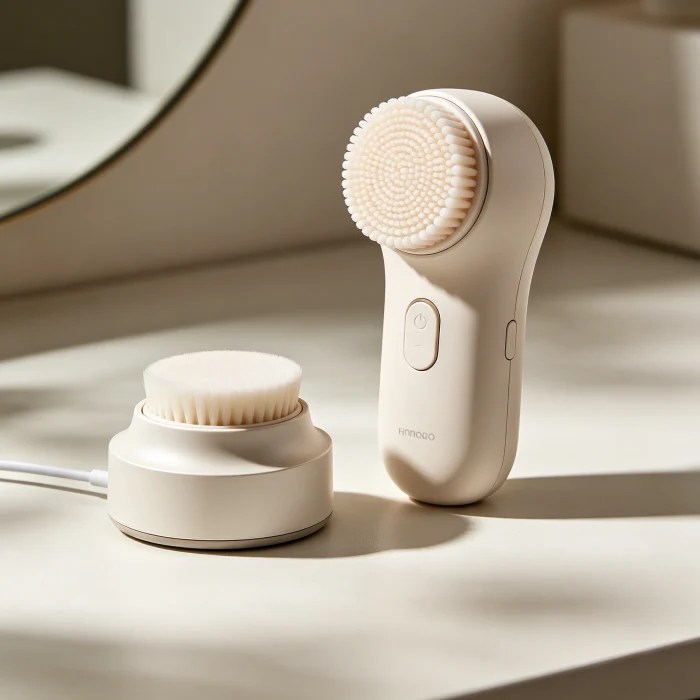
Who Should Avoid Each Type?
Avoid bristle brushes if: you have eczema, rosacea, active acne, or very sensitive skin. Also skip them if you’re using strong topical retinoids or acids — your skin is already fragile. Avoid silicone brushes if: you’re looking for heavy physical exfoliation (silicone is too gentle) or if you have very oily, non-sensitive skin that really enjoys a bristle brush’s scrub. But even then, I’d argue silicone plus a chemical exfoliant is a better combo.
How to Choose the Right Brush for Your Skin
Start by identifying your skin type and sensitivity level. If you blush easily, flush after washing, or react to new products, go silicone. If your skin is resilient and you love a deep scrub, try a soft bristle brush — but start slow. Read this AllureCircle guide for a step-by-step skin matching process. Also consider your routine: do you use chemical exfoliants? If yes, bristles are redundant and risky. Do you double cleanse? Silicone helps remove makeup without over-scrubbing.
Frequently Asked Questions
Can I use a silicone face brush every day?
Yes, most silicone brushes are gentle enough for daily use. The key is to use light pressure and let the brush do the work. Over-scrubbing even with silicone can cause irritation, so listen to your skin.
Do bristle brushes cause microtears in the skin?
They can, especially if you’re using firm bristles or pressing too hard. Microtears are tiny breaks in the skin barrier that can lead to bacteria entry and inflammation. That’s why dermatologists often recommend silicone for fragile skin.
Which is more hygienic, silicone or bristle?
Silicone is far more hygienic because it’s non-porous. Bacteria and mold can’t penetrate it, and it dries quickly. Bristle brushes, especially natural ones, can harbor microbes even after washing.
Can I use a bristle brush with acne?
It’s risky. Bristles can spread bacteria from one pimple to another and irritate existing breakouts. Silicone is a safer choice — just use it gently around active acne.
How often should I replace my face brush?
For silicone brushes, replace the entire device every 6-12 months (or when the silicone starts to degrade). For bristle brushes, change the head every 3 months — set a calendar reminder so you don’t forget.
Are silicone brushes good for removing makeup?
Yes, they’re great for makeup removal, especially when used with an oil-based cleanser. The pulsations help break down makeup without harsh scrubbing. Just make sure to clean the brush after each use.
What’s the best silicone face brush brand?
FOREO is the most popular and widely tested. But there are affordable alternatives like the Michael Todd Soniclear or the PMD Clean. Check out our best face cleaning brushes list for comparisons.
Can men use face brushes?
Absolutely. Men often have thicker, oilier skin and can benefit from the exfoliation. Silicone is great for beards — it won’t snag hair. Bristle brushes can be too harsh on the face, especially after shaving.
In my practice, I’ve seen a clear shift toward silicone brushes over the last five years. The hygiene advantage alone is worth the switch — I’ve cultured bristle brushes that grew Pseudomonas and Staph. Silicone doesn’t support that. For patients with sensitive skin, rosacea, or eczema, I recommend a silicone brush with gentle sonic pulsations. For those who insist on bristles, I tell them to use the softest head, replace it monthly (not quarterly), and never scrub for more than 60 seconds. Your skin barrier is precious — treat it like it.
All Comments 0
Please log in to post a comment.
No comments yet. Be the first to share your thoughts!