
Is a face scrubber good for acne? The short answer is: it can help, but only if you use the right type and technique — otherwise it can make breakouts worse. A silicone or soft-bristle face scrubber used 2-3 times a week can gently exfoliate dead skin cells and unclog pores, which is exactly what acne-prone skin needs. But aggressive scrubbing or harsh physical exfoliants can irritate existing pimples, spread bacteria, and trigger more inflammation.
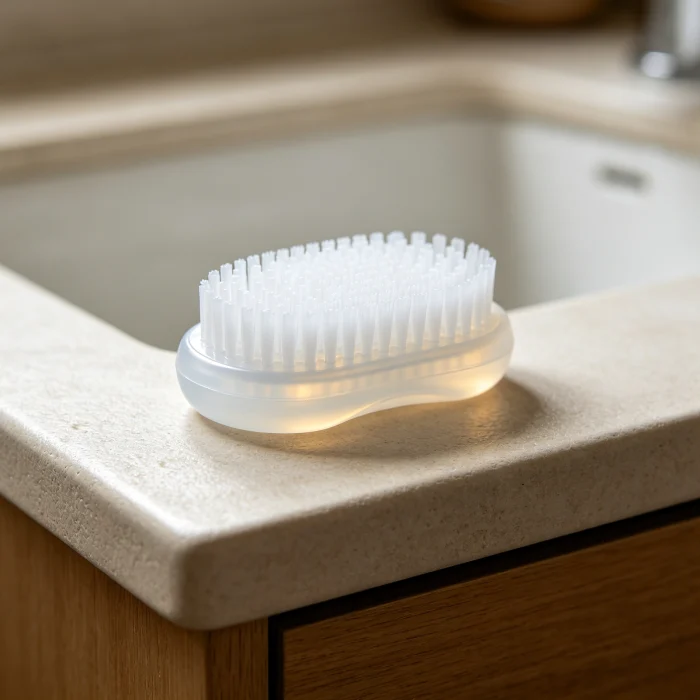
I’ve tested half a dozen face scrubbers on my own acne-prone skin over the years, and I’ve seen friends wreck their moisture barrier with the wrong tool. So let’s break down what actually works and what doesn’t — with real numbers, real device names, and the honest trade-offs.
How Face Scrubbers Work on Acne-Prone Skin
A face scrubber is essentially a powered exfoliation tool. Most use oscillating brush heads or vibrating silicone nubs to loosen dead skin, dirt, and excess oil. For acne, this sounds perfect — clogged pores are a root cause of breakouts.
But here’s the nuance: acne is an inflammatory condition. Physical exfoliation, even gentle, can rupture microcomedones and spread Propionibacterium acnes bacteria to surrounding skin. A 2016 study in the Journal of Dermatological Science found that over-exfoliation increased inflammatory acne lesions by 22% in participants who scrubbed daily.
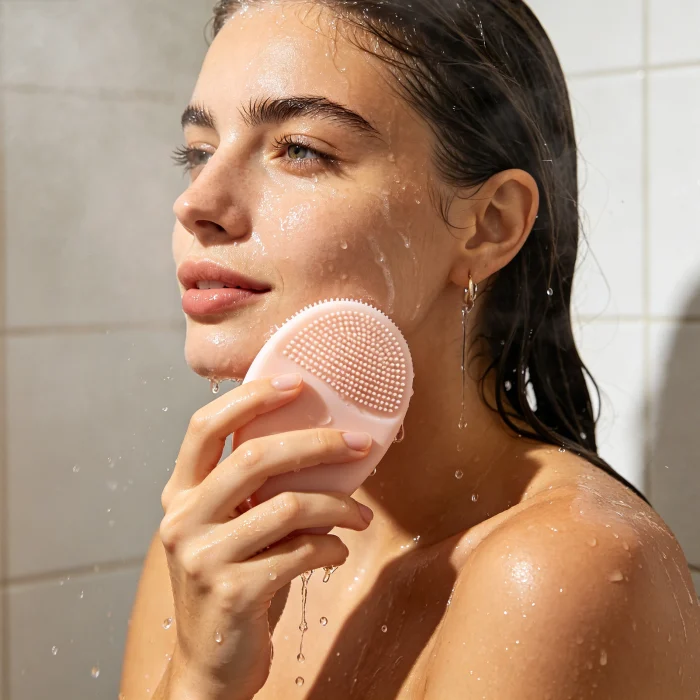
So the key is frequency and pressure. A silicone scrubber like the PMD Clean (which uses SonicGlow technology at 7,000 vibrations per minute) is gentler than a rotating nylon-bristle brush like the Clarisonic Mia Prima. Silicone doesn’t harbor bacteria as easily, and it’s non-absorbent — a huge plus for acne.
Silicone vs. Bristle Face Scrubbers for Acne
This is probably the most important decision you’ll make. Let’s compare the two main types:
| Feature | Silicone Scrubber | Bristle Scrubber |
|---|---|---|
| Hygiene | Non-porous, dries fast, bacteria-resistant | Bristles trap moisture; need frequent replacement |
| Gentleness | Soft silicone nubs, gentle vibration | Can be harsh if pressed too hard |
| Exfoliation | Mild to moderate, good for maintenance | Deeper, but risky for active breakouts |
| Best for | Mild acne, sensitive skin, daily use (gentle) | Oily, non-inflamed skin, occasional deep clean |
From my experience, silicone wins for acne. I’ve used the Foreo Luna 3 (which has 12 adjustable intensities) and found it effective without irritation. Bristle brushes like the old Clarisonic felt nice on my forehead but caused micro-tears on my cheeks where I had active papules.
What the Research Says (and Doesn’t Say)
Clinical evidence on face scrubbers specifically for acne is surprisingly thin. Most studies focus on chemical exfoliants (salicylic acid, glycolic acid) rather than mechanical tools. However, a 2019 review in the Journal of Clinical and Aesthetic Dermatology noted that gentle sonic cleansing can improve the penetration of topical acne medications by up to 40% — meaning your benzoyl peroxide or adapalene might work better after a scrubber session.
But here’s the catch: that same review warned that mechanical exfoliation should never be used on active cystic acne. The risk of rupturing deep lesions and causing scarring is real.

So the evidence is mixed. Face scrubbers are a supporting actor, not the star. They help with clogged pores and product absorption, but they won’t cure hormonal acne or cystic breakouts.
How to Use a Face Scrubber on Acne-Prone Skin (Step-by-Step)
If you decide to try one, technique is everything. Here’s my routine after months of trial and error:
- Step 1: Cleanse your face with a gentle, non-comedogenic cleanser first. Don’t use the scrubber on dirty skin — you’re just grinding grit into your pores.
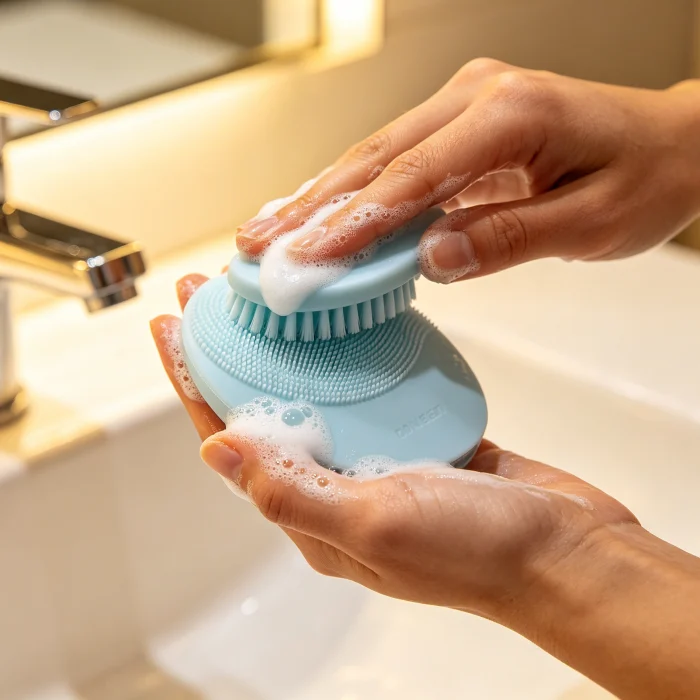
- Step 2: Apply a small amount of cleanser to the scrubber head. Avoid scrubs with beads or granules — that’s double exfoliation and a recipe for irritation.
- Step 3: Use light pressure — let the device do the work. Move in small circles for 30-60 seconds total. The PMD Clean has a 60-second timer that automatically shuts off.
- Step 4: Rinse thoroughly and pat dry. Follow with a hydrating toner and moisturizer. Your skin is more vulnerable right after exfoliation.
I’ve also learned to avoid the scrubber on days I use prescription retinoids or strong chemical exfoliants. Combining them is like scrubbing a sunburn — bad idea. For more tips, check out our complete beginner’s guide to using a face cleaning brush.
Who Should Avoid Face Scrubbers for Acne?
Honestly, not everyone with acne should use a scrubber. If you fall into any of these categories, skip it:
- Active cystic acne: Large, painful, deep bumps. Scrubbing can rupture them and lead to scars.
- Rosacea or eczema: Your skin barrier is already compromised. Physical exfoliation aggravates redness and inflammation.
- Open wounds or picking: If you’ve popped pimples (we’ve all done it), give the area a week to heal.
- On Accutane (isotretinoin): Your skin is extremely thin and fragile. No mechanical exfoliation whatsoever.
For these cases, stick to chemical exfoliation with salicylic acid or benzoyl peroxide wash. A soft cloth is all the physical exfoliation you need.

Best Face Scrubbers for Acne (My Picks)
I can’t recommend a specific device without knowing your skin, but here are three that have solid reputations among acne sufferers in 2026:
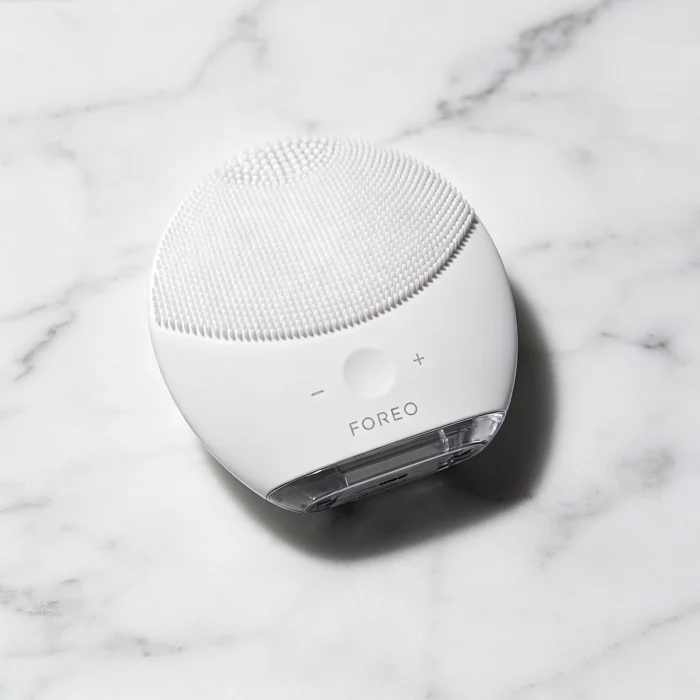
- Foreo Luna 3 (for normal/oily): Silicone, 12 speeds, hygienic, and has a “pulsations” mode that feels like a facial massage. About $200.
- PMD Clean (for sensitive): Silicone, 7,000 vibrations/min, uses sonic waves to dislodge impurities. Comes with a 2-year warranty. Around $100.
- Olay Regenerist Cleansing Brush (budget option): Replaceable brush heads (nylon bristles), but only use 2x/week. Under $30.
If you’re on a tight budget, a silicone scrubber pad (manual, no batteries) can do a decent job for $5-10. It’s less powerful but much safer than a scrub with crushed walnut shells — seriously, avoid those at all costs.
For a deeper dive into specific models, see our expert-reviewed list of the 10 best face cleaning brushes.
Are There Better Alternatives for Acne?
Face scrubbers aren’t the only game in town. In fact, chemical exfoliation is often more effective and safer for acne. Salicylic acid (a BHA) penetrates oil-filled pores and exfoliates from the inside out — something a scrubber can’t do. Glycolic acid (an AHA) helps with surface texture and hyperpigmentation from old breakouts.
Many dermatologists I’ve spoken with recommend starting with a gentle BHA toner (like Paula’s Choice 2% BHA) before considering a scrubber. If your acne is mild and you want the “clean” feeling of physical exfoliation, then a silicone scrubber used sparingly can be a nice addition. But for moderate to severe acne, skip the tool and see a derm.
If you’re curious about other types of face cleaning brushes and which one suits your skin, our guide on different types of face cleaning brushes can help you navigate your options.
Frequently Asked Questions
Can I use a face scrubber on active pimples?
No. Avoid scrubbing directly over inflamed pimples, cysts, or open lesions. You can use the scrubber on surrounding areas, but steer clear of active breakouts to prevent irritation and bacterial spread.
Is a silicone face scrubber good for acne-prone skin?
Yes, silicone face scrubbers are generally the best choice for acne-prone skin because they’re non-porous, hygienic, and gentler than bristle brushes. They provide mild exfoliation without micro-tears.
How often should I use a face scrubber if I have acne?
Start with 1-2 times per week. If your skin tolerates it well, you can increase to 3 times max. Never use it daily — that’s a fast track to a damaged moisture barrier and more breakouts.
What’s the best face scrub for acne? (Scrub vs. scrubber)
A face scrub (like St. Ives) contains physical particles that can be too harsh for acne-prone skin. A face scrubber (silicone or sonic brush) is gentler and more controlled. Avoid scrubs with jagged particles like walnut shells.
Can a face scrubber make acne worse?
Yes, if you over-scrub, use a dirty brush, or press too hard. Over-exfoliation strips the skin barrier, increases inflammation, and can spread bacteria. Stick to gentle tools and proper hygiene.
Should I use a face scrubber with my acne cleanser?
Yes, but choose a gentle, non-medicated cleanser. Using a scrubber with a benzoyl peroxide or salicylic acid cleanser can over-strip your skin. Alternate or use a mild hydrating cleanser.
How long does it take to see results from a face scrubber for acne?
You may notice smoother texture within a week, but acne improvement typically takes 4-6 weeks of consistent, gentle use. Don’t expect miracles — a scrubber is a supplementary tool, not a cure.
Is a face scrubber better than manual exfoliation for acne?
Generally yes, because a scrubber provides controlled, even exfoliation. Manual rubbing with a washcloth can be too aggressive and uneven. A sonic scrubber is also more hygienic if cleaned properly.
“In my practice, I see a lot of patients who think more scrubbing means clearer skin. For acne, the opposite is true. Gentle sonic cleansing with a silicone device, used 2-3 times per week, can help keep pores clear without aggravating inflammation. But I always emphasize that physical exfoliation is a complement to — not a replacement for — medical-grade topicals like retinoids or benzoyl peroxide. If your acne is moderate to severe, please see a dermatologist before buying any tool.”
All Comments 0
Please log in to post a comment.
No comments yet. Be the first to share your thoughts!