
Yes, face brushes can help with mild to moderate acne — a 2017 clinical study found that after 12 weeks of using a silicone cleansing brush, acne lesion counts dropped by an average of 33%. But here’s the catch: not all brushes are created equal, and for some people they can actually make things worse. The key is choosing the right type (silicone vs. nylon bristles) and using it with the right technique. If you have active, inflamed acne or deep cysts, a brush might irritate your skin more than it helps — so proceed with caution.
How Face Brushes Help Acne (When Used Correctly)
Face brushes work by providing a deeper, more consistent clean than your fingers alone can manage. Acne forms when pores get clogged with dead skin cells, excess oil, and bacteria (specifically Cutibacterium acnes). A brush’s gentle agitation helps dislodge that debris before it turns into a pimple. Think of it as giving your pores a head start — you’re clearing the path before the clog happens.
That said, mechanical exfoliation is a balancing act. A 2018 review in the Journal of Cosmetic Dermatology noted that too much physical exfoliation can disrupt the skin barrier, leading to increased inflammation and more breakouts. So the “correct” part really matters.
Which Type of Face Brush Is Best for Acne-Prone Skin?
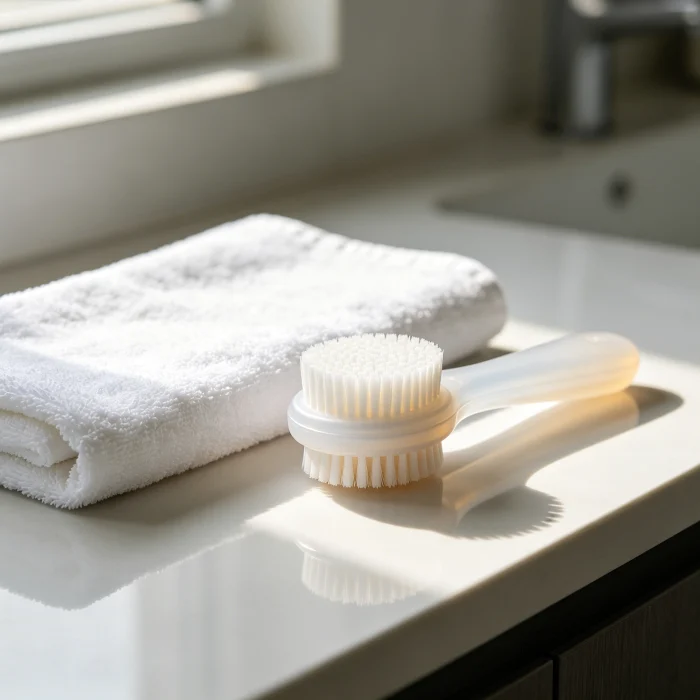
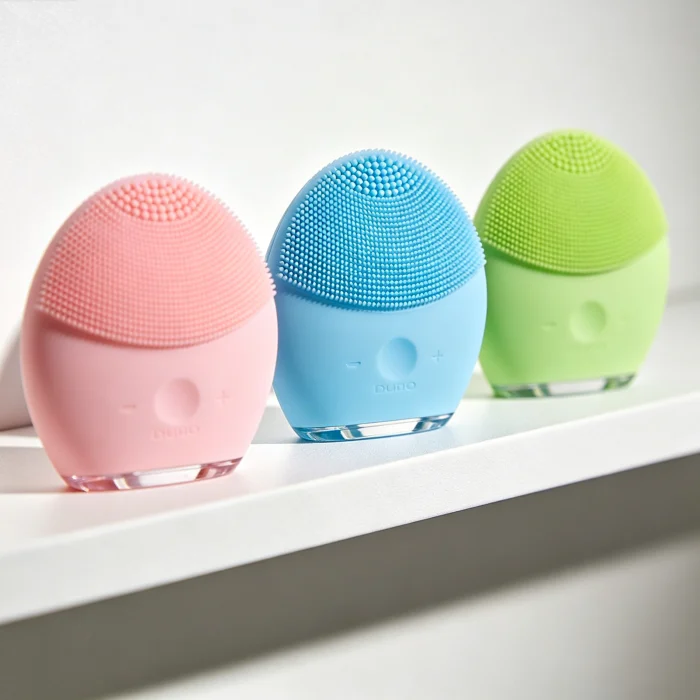
Not all face brushes are the same. The two main categories are silicone brushes (like the FOREO Luna series) and nylon-bristle brushes (like the Olay Regenerist or Clarisonic, though Clarisonic is discontinued). For acne-prone skin, silicone is almost always the better choice.
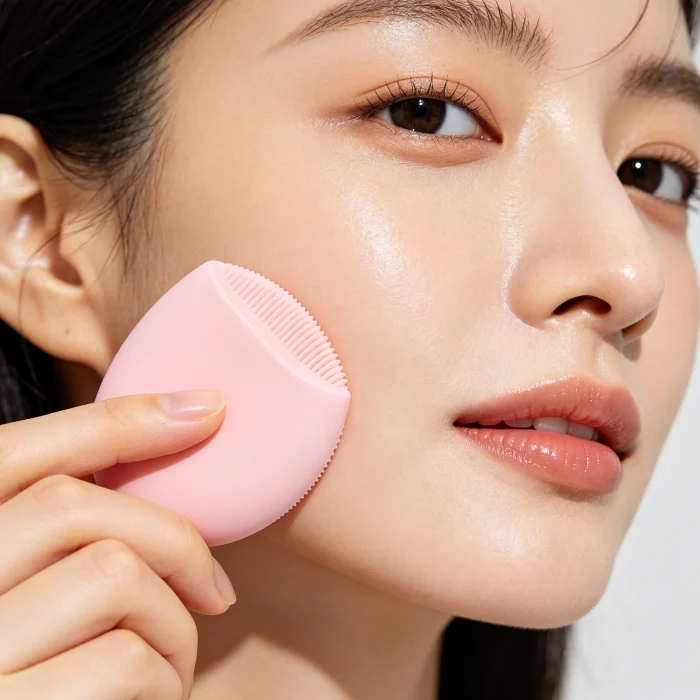
Silicone brushes are non-porous, dry quickly, and don’t harbor bacteria as easily as nylon bristles. They’re also much gentler — which matters when your skin is already irritated. Nylon brushes can be too abrasive, especially if you’re using them on active breakouts. I’ve seen people scrub a cystic pimple with a stiff brush and end up with a raw, weeping patch. No fun.
What the Research Says: Numbers to Know
The 2017 study I mentioned earlier isn’t the only one. Another small trial (30 participants, 8 weeks) found that a silicone brush combined with a salicylic acid cleanser reduced non-inflammatory acne by 40% and inflammatory acne by 28%. Those are decent numbers, but they’re not miracle territory.
For comparison, benzoyl peroxide alone typically reduces acne lesions by about 40–60% in 8–12 weeks. So a face brush can be a helpful add-on, but it’s rarely a standalone solution. Think of it as part of a team — not the MVP.
| Treatment | Average Reduction in Acne Lesions | Timeframe |
|---|---|---|
| Silicone brush + gentle cleanser | 30–35% | 8–12 weeks |
| Salicylic acid cleanser alone | 20–30% | 8–12 weeks |
| Benzoyl peroxide 2.5–5% | 40–60% | 8–12 weeks |
| Combination (brush + topical treatment) | 45–65% | 8–12 weeks |
Common Mistakes That Make Acne Worse
Let’s talk about what not to do. I see these three mistakes over and over in the AllureCircle community:
- Using too much pressure. You’re not scrubbing a pan. Let the brush do the work — light pressure is all you need.
- Using a brush on active, inflamed cysts. That’s like picking at a scab. It’ll only spread bacteria and increase redness.
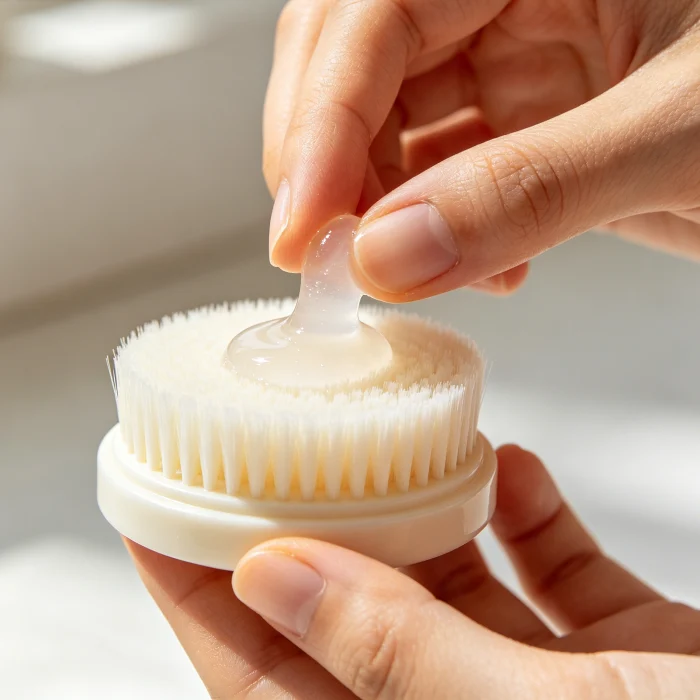
- Not cleaning the brush head. A dirty brush is a bacteria farm. If you’re using a nylon-bristle brush, replace the head every 3 months. Silicone brushes need a quick rinse with soap and water after each use.

Face Brushes vs. Manual Cleansing: Which Is Better for Acne?
This is a common question. The short answer: a face brush can remove more dirt and oil than your fingers alone, but that extra cleaning power isn’t always necessary. For someone with very oily skin or stubborn comedones (closed clogged pores), a brush can make a real difference. For someone with dry or sensitive acne, manual cleansing with a gentle cleanser might be plenty.
If you’re curious about the trade-offs, check out our guide on why a face cleaning brush might be worth it. It breaks down the pros and cons in more detail.
How to Choose the Right Face Brush for Acne (Quick Guide)
If you’re in the market, here are three specs to prioritize:
- Brush material: Silicone > nylon for acne. It’s gentler and more hygienic.
- Speed settings: Look for multiple speeds or intensities. Start low and adjust up as needed.
- Battery life: A brush that dies mid-use is annoying. Aim for at least 1 month of daily use between charges.
For a deeper dive, our 2026 expert guide on face brush features walks you through every spec you should consider. And if you’re comparing models, see our roundup of the 10 best face cleaning brushes in 2026.
When to Avoid Face Brushes Entirely
Face brushes aren’t for everyone. If you have any of these conditions, skip them:
- Active, severe cystic acne — physical exfoliation will aggravate it
- Rosacea or eczema — the friction can trigger flares
- Open wounds or sunburn — obvious, but worth repeating
- Recent chemical peel or microdermabrasion — wait at least a week
If you’re on prescription acne medications like tretinoin or isotretinoin, talk to your dermatologist before adding a brush. These meds already thin your skin’s outer layer, and adding friction can lead to irritation and barrier damage.
Frequently Asked Questions
Do face brushes help with hormonal acne?
They can help with the comedonal (clogged pore) component of hormonal acne, but they won’t address the hormonal root cause. For cystic hormonal breakouts, a face brush might irritate more than help. Stick to topical treatments or oral medications prescribed by your doctor.
Can a face brush make acne worse?
Yes, if used incorrectly. Over-scrubbing, using a dirty brush, or applying too much pressure can disrupt your skin barrier and trigger more breakouts. Use a gentle silicone brush, clean it regularly, and limit use to once daily.
How often should I use a face brush for acne?
Start with 2–3 times per week. If your skin tolerates it well after 2–4 weeks, you can increase to once daily. Pay attention to how your skin feels — if it’s red, tight, or stinging, cut back.
Does cleaning makeup brushes with a face brush help acne?
That’s a different question — cleaning your makeup brushes helps prevent acne by removing bacteria and old product. But using a face brush (the one meant for your face) to clean makeup brushes is not recommended. Use a dedicated brush cleaner or mild soap instead.
Are silicone or bristle brushes better for acne?
Silicone brushes are almost always better for acne-prone skin. They’re gentler, non-porous (so they don’t harbor bacteria), and easier to clean. Nylon-bristle brushes can be too harsh and may cause micro-tears in inflamed skin.
Can I use a face brush with acne medication?
Use caution. If you’re using benzoyl peroxide or salicylic acid, a brush is generally safe. But if you’re on tretinoin, adapalene, or isotretinoin, your skin is more fragile — consult your dermatologist first. You may need to skip the brush on days you apply those treatments.
How long does it take to see results from a face brush for acne?
Most studies show noticeable improvement after 8–12 weeks of consistent use. You might see some change in skin texture and fewer clogged pores within 4–6 weeks, but don’t expect overnight results. Consistency is key.
I often recommend silicone cleansing brushes to my patients with mild comedonal acne, but I always emphasize that technique matters more than the device itself. A gentle circular motion for 30–60 seconds, once daily, with a low-foam cleanser — that’s the sweet spot. If you’re scrubbing harder or longer, you’re doing more harm than good. And please, never use a brush on an active cyst — that’s a recipe for spreading inflammation and potentially scarring.
All Comments 0
Please log in to post a comment.
No comments yet. Be the first to share your thoughts!