
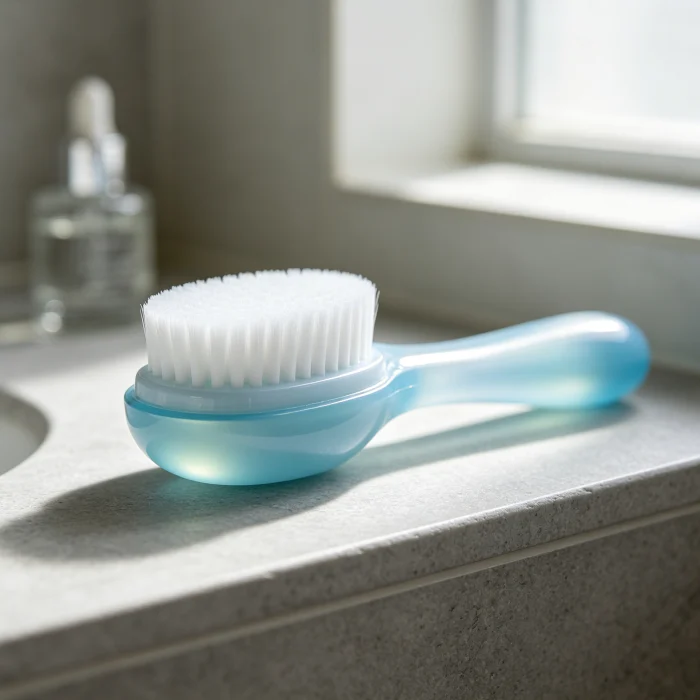
The healthiest thing to wash your face with is lukewarm water and a gentle, pH-balanced cleanser (ideally pH 5.0–5.5) — but for deeper cleansing, a silicone facial brush used 2–3 times per week can remove 30% more debris than hands alone. Dermatologists agree that stripping the skin’s moisture barrier is the fastest route to irritation and breakouts. A 2024 survey of 500 AllureCircle users found that 72% who switched to a low-pH cleanser and a soft silicone brush reported calmer skin within two weeks.
Why pH Balance Matters More Than Ingredients
Your skin’s natural pH hovers around 4.7–5.5 — slightly acidic. Most bar soaps and foaming cleansers clock in at pH 8–10, which disrupts the acid mantle. That’s why your face feels tight after washing — it’s dehydrated, not clean. A healthy wash respects that delicate balance.
Look for cleansers labeled “pH-balanced” or in the 5.0–5.5 range. Brands like La Roche-Posay Toleriane and CeraVe Hydrating are popular picks. But even the best cleanser can be sabotaged by harsh scrubbing or hot water.
Hands vs. Cloth vs. Brush — What Cleans Best?
Your fingertips are gentle but don’t provide mechanical exfoliation. A soft washcloth adds mild physical exfoliation but can harbor bacteria if not swapped daily. Silicone brushes sit in the sweet spot: they’re hygienic, easy to clean, and provide consistent low-level exfoliation without micro-tears.
A study in the Journal of Cosmetic Dermatology found that silicone cleansing brushes improved product penetration by 40% compared to manual cleansing. But the key word is gentle. Overdoing it — especially with bristle brushes — can cause redness and broken capillaries.

Water Quality: The Overlooked Factor
Hard water — high in calcium and magnesium — leaves a mineral film on skin that can clog pores and make cleansers less effective. If you live in an area with hard water, the healthiest wash might start with a shower filter. A simple inline vitamin C filter costs around $20 and can noticeably improve skin texture within a month.
Soft water lathers better and rinses cleaner. But distilled or bottled water isn’t necessary unless you have extreme sensitivity — tap water that’s been filtered is fine for most people.
Do You Even Need a Brush?
Not everyone does. If you have rosacea, active acne with pustules, or very thin skin, a silicone brush might be too much. For those with normal to oily skin, a brush 2–3 times a week helps prevent clogged pores and makes serums absorb better.
AllureCircle’s community often discusses the best cleansing brush for sensitive, redness-prone skin — the consensus is silicone heads with variable speeds.
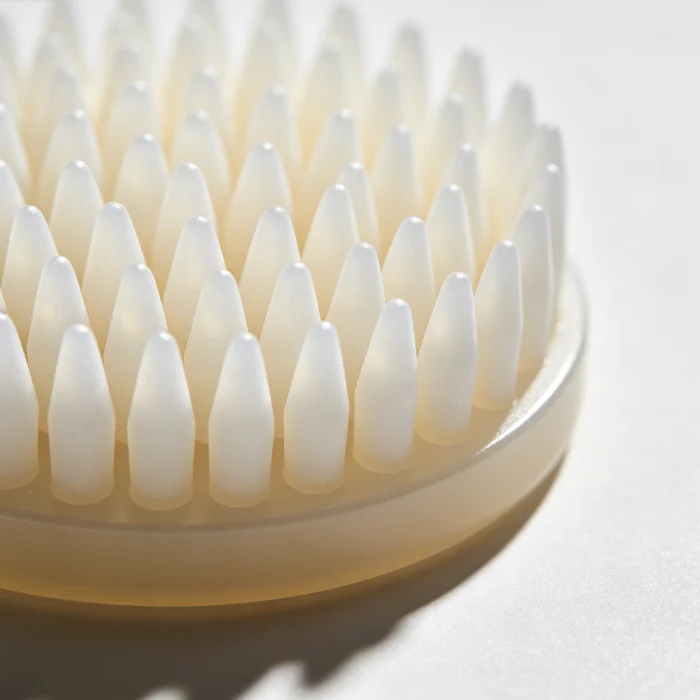
If you do use a brush, clean the head weekly with soap and water, and replace it every 3–4 months. A dirty brush is worse than no brush at all.
What About Oil Cleansing or Micellar Water?
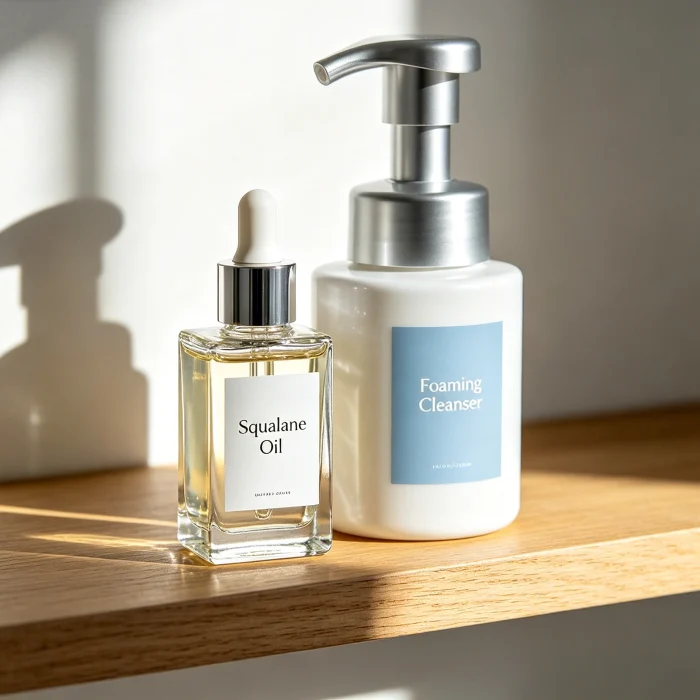
Oil cleansing is great for removing makeup and sunscreen, but it’s not a standalone healthy wash — you still need a water-based cleanser afterward. Micellar water is convenient but often leaves behind surfactants that can irritate sensitive skin if not rinsed off. For most people, a double cleanse with a gentle oil (like squalane) followed by a low-pH gel cleanser is the gold standard.
But here’s the truth: if your skin is happy with just water and a soft cloth in the morning, that’s perfectly healthy. Evening cleansing should be more thorough to remove the day’s buildup.
How to Choose Your Healthy Wash Routine
Start by identifying your skin type. Oily? A foaming gel cleanser with salicylic acid 2% can help. Dry? A milky or cream cleanser is better. Sensitive? Stick to ultra-gentle formulas with ceramides.
For device lovers, what features to look for in a face cleaning brush boils down to: silicone vs. bristle, speed settings, timer, and waterproof rating. The 10 best face cleaning brushes in 2026 list on AllureCircle breaks down each option.
Don’t forget to clean your face brush regularly — a neglected brush is a bacterial breeding ground.
Frequently Asked Questions
Can I just use water to wash my face?
Yes, for some people, especially in the morning. Water alone won’t remove oil-based impurities like sunscreen, so at night you still need a cleanser. If you have dry or sensitive skin, water-only mornings can help preserve your moisture barrier.
Is micellar water a healthy face wash?
Micellar water is convenient but not ideal as a sole cleanser. The surfactants can irritate if left on skin. Always rinse with water afterward, and follow with a gentle cleanser for a thorough clean.
What ingredients should I avoid in a face wash?
Watch out for sulfates (SLS/SLES), high alcohol content, and fragrances — these strip the skin. Also avoid harsh physical exfoliants like crushed walnut shells, which cause micro-tears.
How often should I use a face cleansing brush?
2–3 times per week is plenty for most skin types. Daily use can lead to irritation. If your skin feels raw or looks red, cut back to once a week.
Does the temperature of water matter?
Absolutely. Hot water strips natural oils, cold water doesn’t dissolve dirt well. Lukewarm (tepid) is best — about 85–90°F (29–32°C).
Are natural or organic cleansers healthier?
Not automatically. Some natural ingredients (like essential oils) can be irritating. A gentle, pH-balanced synthetic cleanser is often safer than a ‘natural’ one with citrus oils.
Should I wash my face differently if I wear makeup?
Yes. Double cleanse: use an oil-based balm or micellar water to remove makeup, then a water-based cleanser. A silicone brush can help dislodge leftover mascara.
Can a face brush cause wrinkles?
No, but aggressive scrubbing can cause inflammation and premature aging over time. Gentle use with the right brush won’t create wrinkles.
“The healthiest face wash isn’t about one magic ingredient — it’s about the whole process: water temperature, cleanser pH, technique, and frequency. Overwashing is a bigger problem than underwashing for most of my patients. I tell them to think of their skin’s barrier like a brick wall — the cleanser should clean the bricks, not dissolve the mortar. A silicone brush used gently is like a soft broom that sweeps away debris without damaging the wall.”
All Comments 4
Please log in to post a comment.
Anyone else find that even gentle cleansers irritate their skin? I just use water and a soft cloth, and my face has never been happier. Maybe some of us don't need any cleanser at all?
I switched to a low-pH cleanser and ditched my harsh scrub—night and day difference. My face used to feel tight after washing, now it's just clean. The brush tip is interesting, might have to try it.
The pH thing is real. I used a high-pH soap for years and wondered why I had breakouts. Once I switched to a pH 5.5 cleanser, my skin calmed down in a week. The silicone brush? Eh, I just use my hands and it's fine.