
Who makes the best eye massager? For migraines, puffiness, and dark circles, the answer isn’t a single brand — it depends on your main concern. Renpho leads with the Eyeris 3, a heat-and-compression mask that’s comfortable and reliable for under $100. Breo’s iSee4 targets pressure points with vibrating nodes, making it a favorite for tension headaches. And if you want LED therapy, the CurrentBody Skin LED Eye Mask delivers red and near-infrared light at clinically studied wavelengths. But here’s the catch — no one device does everything perfectly, so you need to match the tool to your specific problem.
What Makes an Eye Massager “Best”?
Before we get into brands, let’s talk about what actually matters. An eye massager can do three basic things: apply heat (around 104-113°F), use compression (airbags that squeeze gently), or vibrate / tap on acupressure points. Some also add LED lights. The “best” one for you depends on which of these features addresses your issue.
For example, if you wake up with puffy eyes every morning, a cooling option (like the Breo iSee4, which has a cool mode) might help more than heat. If you suffer from sinus headaches or eye strain from screens, a heated mask with gentle compression can relax muscles and improve blood flow. I’ve tried about a dozen eye massagers over the years, and I can tell you — features matter, but comfort and fit matter even more. A device that slides off your forehead or feels too tight will end up in a drawer.
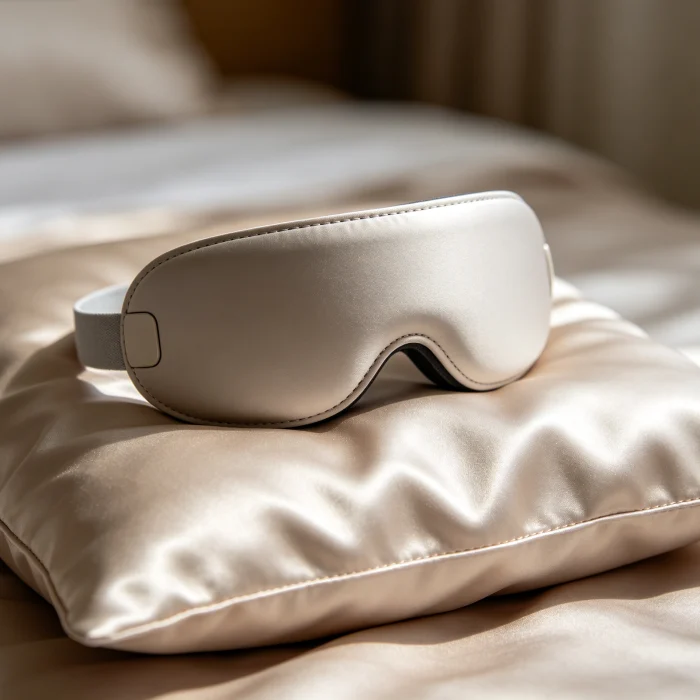
One thing I rarely see in reviews: the noise level. Some massagers hum like a small fan, others click with air inflation. If you’re planning to use it while falling asleep, a quieter model (like the Renpho Eyeris 3) is a must. I once tried a budget model that sounded like a coffee grinder — not relaxing at all.
The Top Brands, Broken Down by Use Case
For Migraines and Tension Headaches: Breo iSee4
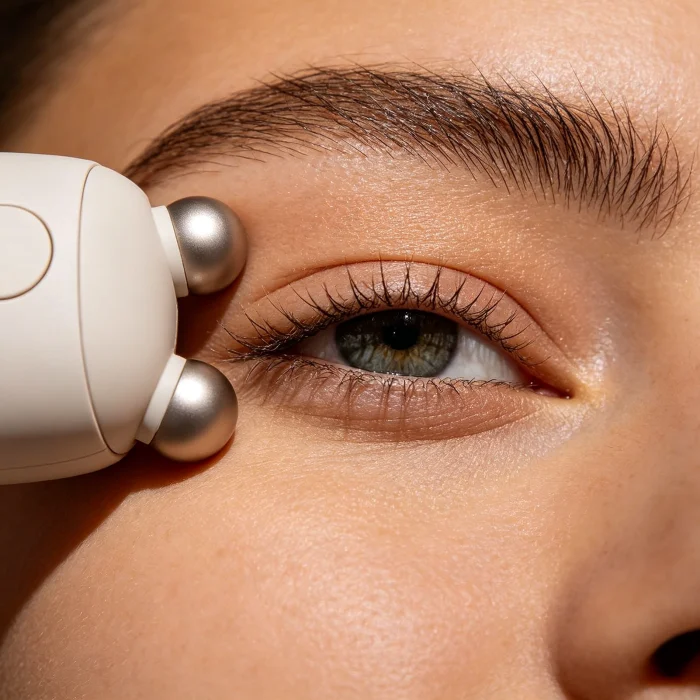
Breo’s iSee4 is a standout for migraine sufferers. It has six rotating massage heads that press on acupressure points around the temples and brow bone. The vibration intensity is adjustable, and it offers both heat and cool modes. Many users on forums (including the AllureCircle community) report that using it during a migraine attack shortens the episode — or at least makes it bearable. The downside? It’s not a full mask, so you have to sit or lie still while holding it in place. But for targeted relief, it’s hard to beat.
For Daily Relaxation and Puffiness: Renpho Eyeris 3
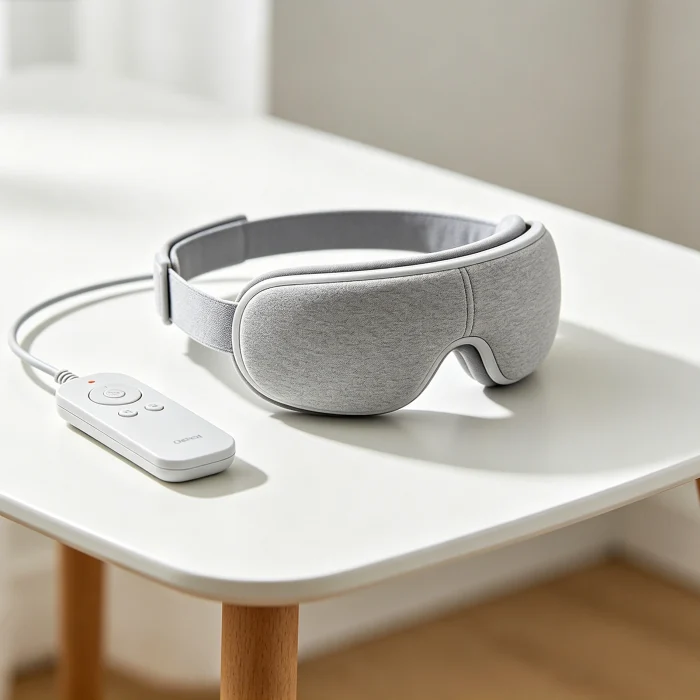
The Renpho Eyeris 3 is the most popular eye massager on Amazon for good reason. It’s a full mask that covers your eyes and uses airbags to compress around the temples and under the eyes. It has three heat levels, three intensity settings, and a built-in speaker for music or guided meditation. The fit is comfortable even for larger heads, and the battery lasts about 5 sessions. I’ve been using mine for six months and the only complaint is that the inner fabric collects makeup residue — but it’s removable and washable.
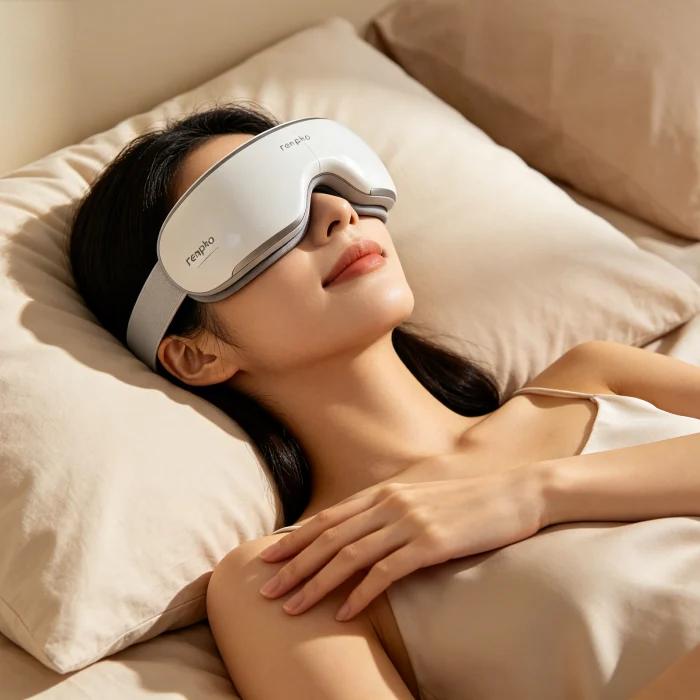
One thing the Renpho doesn’t do well: LED therapy. It has a few red lights inside, but they’re weak and not at a therapeutic wavelength. If you want real light therapy, you need a dedicated LED mask like the one from CurrentBody.
For Dark Circles and Wrinkles: CurrentBody Skin LED Eye Mask
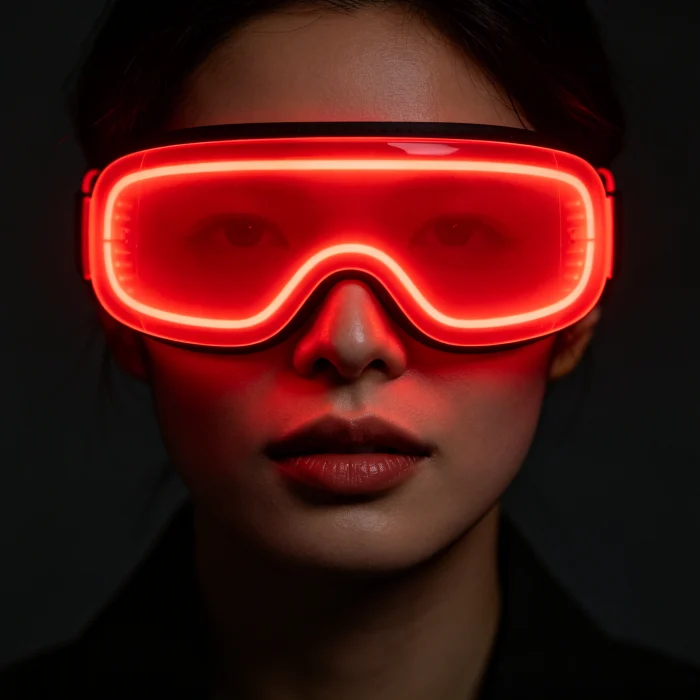
LED therapy is the most science-backed at-home treatment for skin rejuvenation. The CurrentBody Skin LED Eye Mask uses 54 LEDs (red 630nm and near-infrared 830nm) at clinically effective power. Studies show these wavelengths stimulate collagen production and reduce fine lines after 8-12 weeks of consistent use. The mask is flexible and lightweight, but it’s not a massager in the traditional sense — it doesn’t vibrate or apply pressure. It’s purely light therapy. If your main concern is dark circles from aging or thin skin, this is the best tool. But don’t expect instant results; you need to use it 10 minutes a day for months.
For more on how LED works, read Does LED Light Really Tighten Skin? The Science-Backed Answer. And if you’re wondering about home use, Can I Do Red Light Therapy at Home? A Complete Guide for 2026 covers everything you need to know.
The Budget Pick: A $20 Option That Actually Works
Let’s be real — not everyone can drop $150 on an eye massager. There’s a surprisingly good option under $30: the InnoGear Eye Massager. It’s a wired, heated compression mask with no frills. The heat gets warm enough, the airbags press in a rhythmic pattern, and it’s quiet. The downside? It’s wired (annoying for bedside use), and the fabric feels cheap. But for the price, it works. I’ve recommended it to friends who just want to try the concept before investing in a high-end model. It’s not the “best” overall, but it’s the best value.
What About the Science? Do Eye Massagers Actually Do Anything?
I get this question a lot: “Are eye massagers any good?” The honest answer is: it depends on the feature. Compression and vibration are purely mechanical — they increase blood flow and lymphatic drainage temporarily. That can reduce puffiness and make you feel relaxed, but the effect lasts a few hours at most. Heat therapy, on the other hand, can help with dry eyes by stimulating the meibomian glands (tiny oil glands along your eyelids). A 2018 study in the Journal of Clinical Medicine found that warming the eyelids to 40-45°C for 10 minutes improved tear film quality in patients with MGD (meibomian gland dysfunction). So if you have dry eyes, a heated eye massager is legit.
LED therapy has even stronger evidence. Multiple peer-reviewed studies show that red and near-infrared light at 630-660nm and 810-850nm penetrate the skin and stimulate mitochondrial activity, which boosts collagen and elastin. The American Academy of Dermatology mentions that LED therapy can improve fine lines and skin texture, though results vary. So for dark circles and wrinkles, an LED mask is your best bet — but again, it’s not a massager in the traditional sense.
For a full roundup of the best devices in 2026, check out 2026 Eye Massage Equipment Guide: Best Dark Circle Remover & Under Eye Beauty Devices.
Who Should NOT Use an Eye Massager
I can’t stress this enough: eye massagers aren’t for everyone. If you have any of the following conditions, please consult a doctor before using one:
- Recent eye surgery (LASIK, cataract, etc.) — wait at least 6 weeks
- Active eye infections (conjunctivitis, styes)
- Retinal detachment or glaucoma
- Botox or fillers around the eyes — wait 2 weeks to avoid migration
- Pregnancy — some devices warn against use due to lack of safety data
Also, never use a heated massager if you have a fever or active skin inflammation. And always clean the device after each use — bacteria can build up on the fabric and cause breakouts.
Final Verdict: Who Makes the Best Eye Massager?
There’s no universal winner, but here’s my personal breakdown:
- Best overall: Renpho Eyeris 3 — reliable, comfortable, affordable, and quiet.
- Best for migraines: Breo iSee4 — targeted acupressure with heat and cool options.
- Best for dark circles and anti-aging: CurrentBody Skin LED Eye Mask — clinically proven red/NIR light therapy.
- Best budget: InnoGear Eye Massager — under $30, gets the job done.
Remember, your mileage will vary. What works for your friend might not work for you. That’s why I always recommend checking out real user experiences in communities like AllureCircle — you’ll find honest reviews and troubleshooting tips that can save you time and money.
Frequently Asked Questions
Are eye massagers worth it?
Yes, if you choose one that matches your concern. For puffiness and relaxation, a heated compression mask is worth it. For dark circles from aging, an LED mask is worth it. But don’t expect miracles — they help, but they’re not a substitute for sleep and a good skincare routine.
Do eye massagers work for puffy eyes?
Yes, especially those with a cooling mode or the ability to use cold. Cold constricts blood vessels and reduces fluid buildup. Heated compression can also help by improving lymphatic drainage. Use for 5-10 minutes in the morning for best results.
Can I use an eye massager every day?
Most devices are safe for daily use, but follow the manufacturer’s guidelines. Typically 10-15 minutes per session is enough. Overuse can irritate the skin or cause discomfort. If you have sensitive skin, start with every other day.
What is the best eye massager for migraines?
The Breo iSee4 is widely recommended for migraines because it applies pressure on acupressure points around the temples. The combination of heat and vibration can help relieve tension. Some users also find the Renpho Eyeris 3 helpful for sinus headaches.
What is the best eye massager with heat?
The Renpho Eyeris 3 is a top choice for even, adjustable heat (up to 113°F). It’s comfortable, quiet, and has multiple intensity levels. For a budget option, the InnoGear Eye Massager also provides consistent heat at a lower price.
Is an eye massager safe during pregnancy?
Most manufacturers advise against use during pregnancy due to lack of safety studies. The vibrations and heat could theoretically affect the fetus. Always consult your OB-GYN before using any electronic device around your face during pregnancy.
How long does it take to see results from an LED eye mask?
Most studies show visible improvement in fine lines and skin texture after 8-12 weeks of consistent use (5-10 minutes daily). Some users notice a difference in dark circles after 4 weeks, but collagen remodeling takes time. Patience is key.
Can I use an eye massager if I have dry eyes?
Yes, a heated eye massager can actually help dry eyes by warming the meibomian glands, which improves oil secretion. This is especially beneficial for meibomian gland dysfunction. Look for a device that maintains a temperature around 40-45°C (104-113°F).
In my practice, I often recommend heated eye compresses for patients with dry eye and mild meibomian gland dysfunction. The key is consistent, gentle heat — not pressure. For patients concerned about fine lines and dark circles, LED therapy at 630-660nm red light has shown encouraging results in clinical trials, though I always remind them that sun protection and a good moisturizer are the real foundation. Eye massagers can be a nice addition, but they’re not a substitute for a comprehensive skincare routine. Choose a device that fits your specific symptoms, and don’t overspend on features you won’t use.
All Comments 0
Please log in to post a comment.
No comments yet. Be the first to share your thoughts!