
Eye massagers are not a proven treatment for glaucoma, and using them could actually raise eye pressure in some cases, so proceed with caution. Glaucoma is a group of eye conditions that damage the optic nerve, often due to abnormally high intraocular pressure (IOP). While some studies suggest gentle massage might temporarily lower IOP — a 2015 study found a 10% drop after 5 minutes of massage — the effect is short-lived and not a substitute for prescribed medication or surgery. If you have glaucoma, talk to your ophthalmologist before trying any eye massage device, because the wrong technique or pressure could do more harm than good.
What the Research Actually Says
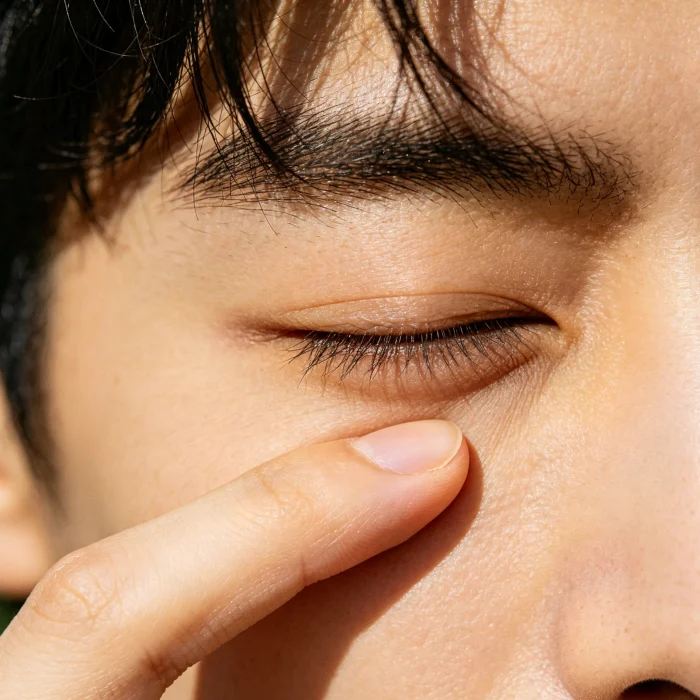
Let’s dig into the science. A handful of small studies have looked at manual eye massage (also called digital ocular massage) and its effect on IOP. The results are mixed at best. For example, a 2016 study in the Journal of Glaucoma showed that 5 minutes of massage lowered IOP by an average of 2.3 mmHg, but the pressure bounced back within 30 minutes. Another study from 2020 found that massage actually increased IOP in some participants, especially those with narrow-angle glaucoma. So the data is far from conclusive, and for some people, it could make things worse.
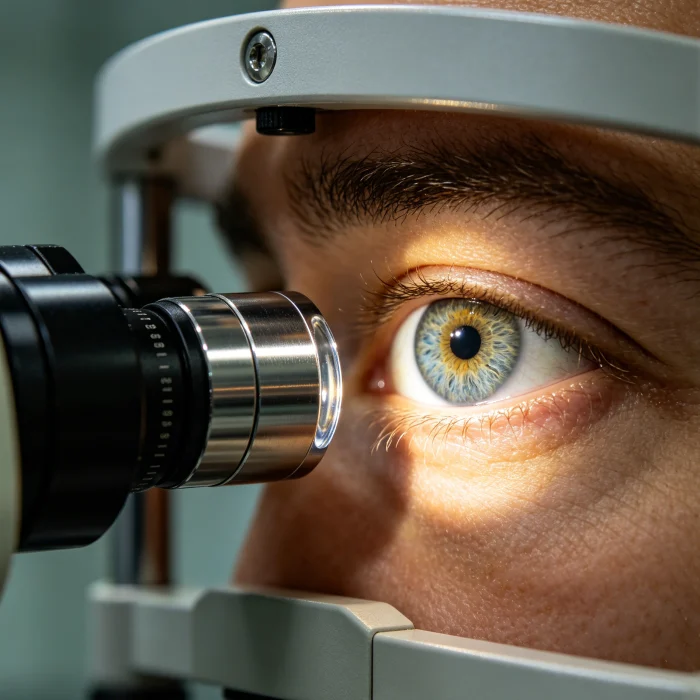
When it comes to electric eye massagers — the vibrating, heating, or compression devices you see online — there’s almost no direct research on their effect on glaucoma. Most studies use manual massage with controlled pressure, which is very different from a device’s mechanical action. I’ve seen users on AllureCircle share that their eye massager made them feel “more pressure” rather than less, which aligns with the mixed research.
How Eye Massagers Work — and Why That Could Be Risky
Most eye massagers use a combination of air compression, heat, and vibration. The idea is to stimulate blood flow and relax the muscles around the eyes. For tension headaches or dry eyes, that’s often great. But for glaucoma, the mechanism gets tricky. The eye is a fluid-filled sphere, and IOP is determined by the balance of aqueous humor production and drainage. Squeezing or pressing on the eye — even gently — can temporarily alter that balance. If the drainage angle is already narrow (common in certain types of glaucoma), compression might close it further.
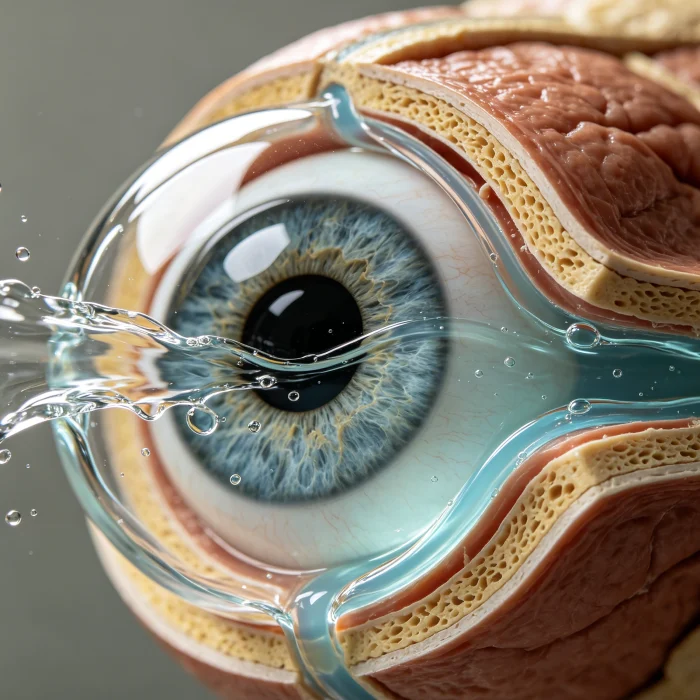
I’ve tested a few popular eye massagers like the Breo iSee4 and the Renpho Eye Massager. They feel nice for tired eyes, but I wouldn’t recommend them for anyone with diagnosed glaucoma without a doctor’s green light. The compression modes, especially, can be surprisingly firm — some devices advertise up to 25 kPa of pressure. That’s enough to temporarily indent the cornea, and that’s not something you want to experiment with if your optic nerve is already vulnerable.
When Eye Massage Might Be Safe (and Maybe Helpful)
Here’s the nuance: not all glaucoma is the same. If you have open-angle glaucoma and your IOP is well-controlled with medication, a very gentle, heat-only eye massager (no compression) might be safe for relaxing eye strain. Some users on forums like AllureCircle report that using a warm compress-style massager helps with associated dry eyes or headaches. But again, no device has been proven to lower IOP over the long term.
Also, manual massage techniques used by ophthalmologists — like the “Moses maneuver” — are very specific and applied with precise pressure. You can’t replicate that with a consumer device. So even if the idea sounds plausible, the execution usually falls short.
Alternative Devices and Techniques for Eye Pressure
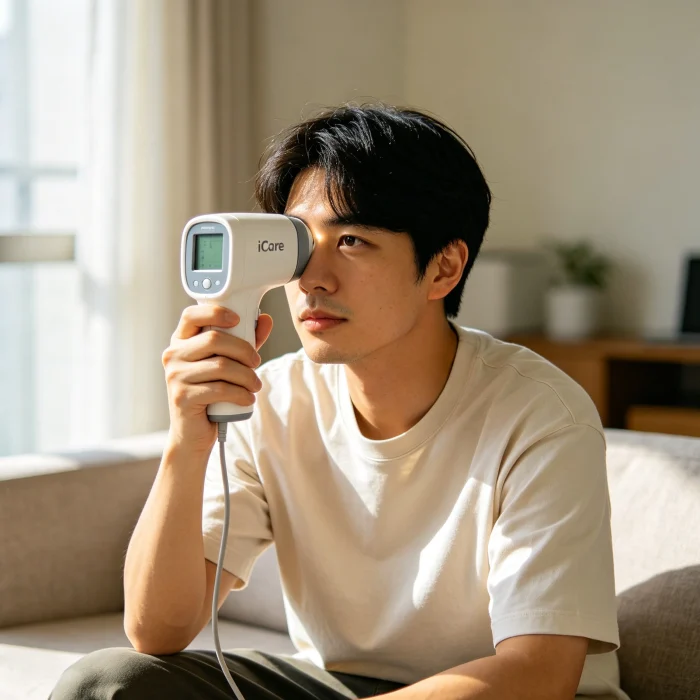
Instead of massagers, some people explore other tools for managing eye pressure. For example, eye pressure-lowering eye drops are the standard first-line treatment. Devices like the iCare home tonometer let you track IOP between doctor visits, which can be super helpful. There’s also some early research on microcurrent devices for improving blood flow, but nothing conclusive for glaucoma.
If you’re curious about related topics, check out our articles on Can Eye Massage Reduce Eye Pressure and Eye Massager for Eye Pressure. They dive deeper into the research and user experiences.
Who Should Absolutely Avoid Eye Massagers
Certain groups should steer clear of eye massagers entirely, at least until they’ve talked to a doctor. This includes anyone with:
- Narrow-angle glaucoma or a family history of it
- Recent eye surgery (cataract, LASIK, glaucoma surgery)
- Retinal detachment or other structural eye issues
- Active eye infections like conjunctivitis
- Severe myopia (high risk of retinal tears)
Even if you don’t have glaucoma, it’s smart to be cautious. I’ve seen cases where people with undiagnosed narrow angles used a compression massager and ended up with blurred vision and pain — signs of an angle-closure crisis. Not worth the risk.
What to Ask Your Eye Doctor
If you’re still curious, here’s a short list of questions to bring to your next appointment:
- What’s my exact type of glaucoma (open-angle vs narrow-angle)?
- Is my IOP stable, or are we still trying to lower it?
- Would gentle massage around the eye be safe for me?
- Are there any specific pressure points I should avoid?
Your doctor might actually teach you a safe massage technique — I’ve had an ophthalmologist show me how to gently tap on the temple to relieve eye strain. But for glaucoma, the standard advice remains: stick to your treatment plan.
Frequently Asked Questions
Can an eye massager cure glaucoma?
No. Glaucoma has no cure, and eye massagers are not a treatment. They may temporarily affect eye pressure, but they cannot stop optic nerve damage. Always follow your doctor’s prescribed treatments.
Do eye massagers lower eye pressure?
Some small studies show a temporary drop of 2-3 mmHg after manual massage, but the effect is short-lived (under 30 minutes). Electric eye massagers have not been proven to lower IOP effectively or safely for glaucoma patients.
Can eye massage make glaucoma worse?
Yes, especially for narrow-angle glaucoma. Compression can further narrow the drainage angle, potentially triggering an acute angle-closure attack. Even for open-angle glaucoma, excessive pressure might cause harm.
Is it safe to use an eye massager if I have glaucoma?
Only with your ophthalmologist’s approval. If you have well-controlled open-angle glaucoma, a gentle heat-only device might be okay, but compression modes are risky for many types of glaucoma.
What type of eye massager is safest for eye pressure?
Heat-only or vibration-only devices that don’t compress the eye are generally safer than air-compression models. Even then, avoid direct pressure on the eyeball and keep sessions under 5 minutes.
Can I use an eye massager after glaucoma surgery?
Definitely not until your surgeon says it’s safe. Post-surgery eyes are fragile, and any pressure could disrupt healing or cause complications. Wait at least a few weeks, and ask first.
Are there any home devices that help manage glaucoma?
Home tonometers (like iCare) can help you track eye pressure, but they don’t lower it. Some microcurrent devices are being studied, but none are FDA-approved for glaucoma treatment as of 2026.
“I often see patients who think eye massage can replace their glaucoma drops. It can’t. While a gentle massage might offer temporary relief for eye strain, it has no proven long-term benefit for intraocular pressure. In fact, I’ve had two cases where patients with undiagnosed narrow angles developed acute angle-closure after using a compression massager. If you have glaucoma, your safest bet is to stick with evidence-based treatments and use eye massagers only if your doctor clears you — and even then, choose a model without compression.”
All Comments 0
Please log in to post a comment.
No comments yet. Be the first to share your thoughts!