
Most people need 1 to 3 sessions of HIFU to see noticeable results, with the first visible changes typically appearing 2–3 months after your final treatment. That initial session kicks off collagen production, but your skin needs time to rebuild. HIFU uses focused ultrasound energy to heat tissue at specific depths, triggering a natural repair response. The trade-off? You won’t see the full effect overnight — patience is part of the deal.
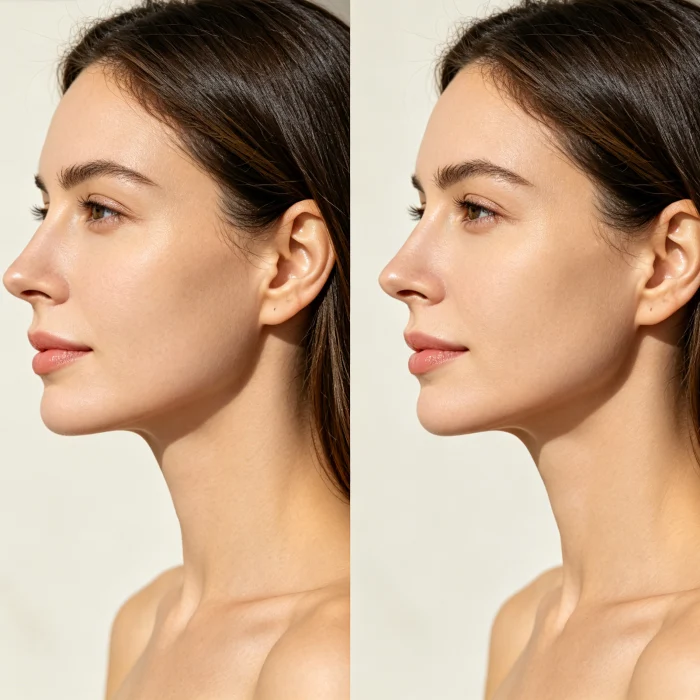
Let’s be real: everyone wants instant gratification. But HIFU isn’t a magic wand — it’s a biological process. The ultrasound energy creates micro-coagulation points at around 1.5 to 4.5 mm deep, which kickstarts your body’s wound-healing cascade. Fibroblasts get to work laying down fresh collagen and elastin. That takes time.
So how long, exactly? In my experience and from talking to other users on AllureCircle, the first subtle lift can show up around 4 weeks post-session. But the real payoff — that noticeable jawline definition or brow lift — usually hits between 2 and 3 months after your last session. And if you’re doing multiple sessions, the clock resets after each one.
Why 1–3 Sessions Is the Sweet Spot
One session can give a noticeable lift, especially for younger skin with decent collagen reserves. But if you’re over 40 or have significant sagging, a single pass might not cut it. That’s where 2 or 3 sessions come in — spaced about 4 to 6 weeks apart.
I’ve seen users on the Facial Machines forum report that their second session brought about 30–40% more tightening than the first. Makes sense: the first round primes the tissue, and the second amplifies the response. Three sessions are usually the ceiling for most people — more doesn’t mean better, and over-treating can actually stress the skin.
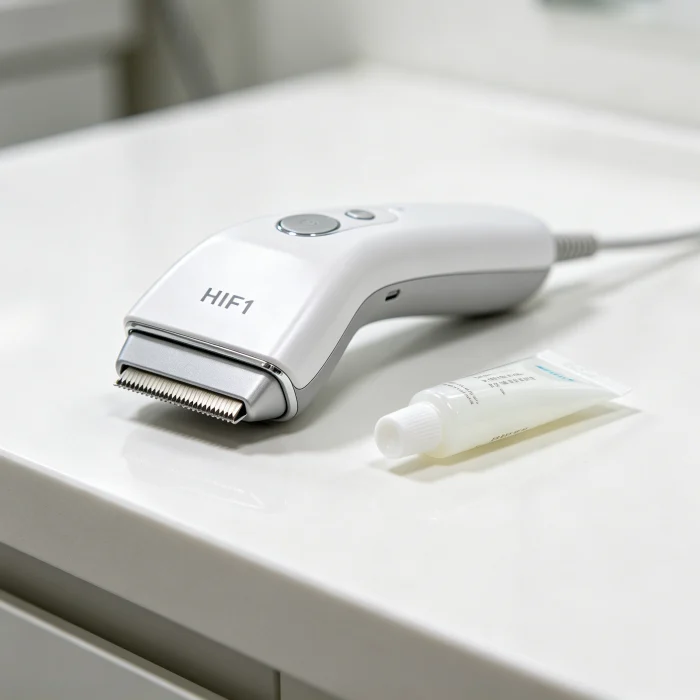
What Real Before and After Photos Show
The “before and after” images you see online? Some are taken days apart with good lighting and a bit of swelling. Not exactly honest. Real results from one session show about a 10–20% improvement in skin laxity after 3 months. After two sessions, that can jump to 20–40%. Three sessions? Up to 50% tightening in some cases.
But here’s the catch: results vary wildly by age, skin condition, and the device used. A 35-year-old with mild laxity might be thrilled after one session. A 55-year-old with deeper folds may need three and still not get a full facelift equivalent. Set expectations accordingly.
Timeline of Results: Session by Session
Let’s break it down by session so you know what to expect when.
| Session | When Results Appear | Typical Improvement |
|---|---|---|
| Session 1 | 4–8 weeks post-treatment | 10–20% lift, subtle tightening |
| Session 2 | 8–12 weeks after last session | 20–40% more firmness, visible jawline |
| Session 3 | 12–16 weeks after final session | Up to 50% improvement, best results |

Factors That Change How Many Sessions You Need
Age is the big one. Collagen production drops about 1% per year after age 20. So a 25-year-old might get away with one session, while a 60-year-old might need three. Skin thickness matters too — thicker skin responds better to higher energy levels.
Your lifestyle also plays a role. Smokers and heavy sunbathers have less collagen to work with. And don’t forget the device itself. Clinical-grade machines like Ultherapy have more power than at-home gadgets. If you’re using an at-home HIFU device (yes, they exist), expect more sessions — maybe 3 to 6 — for comparable results.
How Long Do the Effects of HIFU Last?
After your final session, results can last anywhere from 12 to 18 months, sometimes up to 2 years with good maintenance. That’s a key question people ask — how long do HIFU machine results last for face? — and the answer depends on your skin’s aging rate.
Maintenance sessions every 12 months can help sustain the lift. Some people opt for a single touch-up session annually instead of repeating the full series. And if you combine HIFU with other treatments like radiofrequency or microneedling, you might stretch that timeline further. Check out the comparison HIFU vs RF for sagging jawline to see which fits your needs.

When You Won’t See Results: Red Flags
Not everyone is a good candidate. If you have very thin skin, active acne, or are pregnant, HIFU isn’t for you. Same goes if you’ve had fillers or threads in the area within the last 6 months — the ultrasound energy can interfere.
Also, don’t expect HIFU to fix jowls caused by significant fat loss. It tightens skin, but it doesn’t replace volume. For that, you’d need a different approach — maybe fillers or a surgical lift. Be honest with yourself about what you’re trying to correct.
How to Maximize Your HIFU Results
There’s no secret sauce, but a few things help. Stay hydrated before and after treatment — collagen synthesis needs water. Avoid alcohol and anti-inflammatory meds for 48 hours post-session (they dampen the healing response). And sunscreen is non-negotiable; UV destroys collagen faster than HIFU can build it.
Pairing HIFU with complementary treatments can also boost outcomes. Many people on AllureCircle combine it with red light therapy masks or LED panels for an extra collagen kick. Check out does red light therapy work for wrinkles for the evidence. And if you’re on a budget, budget under $200 which beauty device should I buy first might point you to a good entry-level option.
Frequently Asked Questions
How many sessions of HIFU do I need for a facelift effect?
For a noticeable facelift-like result, most people need 2 to 3 sessions spaced 4–6 weeks apart. One session gives a mild lift; three can give up to 50% tightening. But “facelift effect” is a marketing term — HIFU won’t match surgical results.
How soon do you see results from HIFU?
Some people notice a slight lift within 2–4 weeks due to immediate collagen contraction. The real results — ongoing tightening — start around 8–12 weeks after your last session and continue improving for up to 6 months.
Can I have HIFU every month?
No. You need at least 4–6 weeks between sessions to let the collagen remodeling process complete. Doing it more often doesn’t speed results and can cause tissue damage or excessive inflammation.
How long do the effects of HIFU last?
Results typically last 12–18 months after the final session. With good skincare (sunscreen, hydration, maintenance treatments), some people enjoy benefits for up to 2 years. Annual touch-ups help sustain the lift.
Does HIFU hurt?
Most people describe it as a warm prickling sensation with some deep heat. Pain levels vary — areas with thinner skin (like under the eyes) are more sensitive. Numbing cream is often applied beforehand. The discomfort lasts only during the treatment.
Who should not get HIFU?
Avoid HIFU if you’re pregnant, have active acne or eczema on the treatment area, have metal implants or pacemakers, or have had fillers/threads in the last 6 months. People with very thin skin or severe sagging may not see good results.
Is one HIFU session enough?
For people under 35 with mild laxity, one session can provide a subtle but satisfying lift. For most others, especially over 40, 2–3 sessions give more dramatic and longer-lasting results. One session is rarely enough for moderate to severe sagging.
From my clinical experience, I tell patients that HIFU is a marathon, not a sprint. The ultrasound energy creates micro-injuries that stimulate your body’s own repair mechanisms, and that takes time. I usually recommend 2 sessions spaced 6 weeks apart for optimal results in most patients. The key is to take good before-and-after photos under consistent lighting — the changes are subtle but cumulative. And don’t be fooled by before-and-afters taken right after treatment; swelling can give a false positive. Wait 3 months after your final session to truly evaluate. If you’re not seeing at least a 20% improvement after two sessions, HIFU might not be the right tool for your skin type.
All Comments 0
Please log in to post a comment.
No comments yet. Be the first to share your thoughts!