
For noticeable skin tightening from an at-home HIFU device, most people need 2 to 3 sessions spaced 4 to 6 weeks apart, followed by maintenance every 6 to 12 months. At-home HIFU machines use focused ultrasound energy to heat the deep layers of your skin, stimulating collagen production. The process isn’t instant — you’ll see gradual lifting over 2 to 3 months as new collagen forms. It’s a commitment, but the payoff is real if you stick with the schedule.
Why Frequency Matters for At-Home HIFU
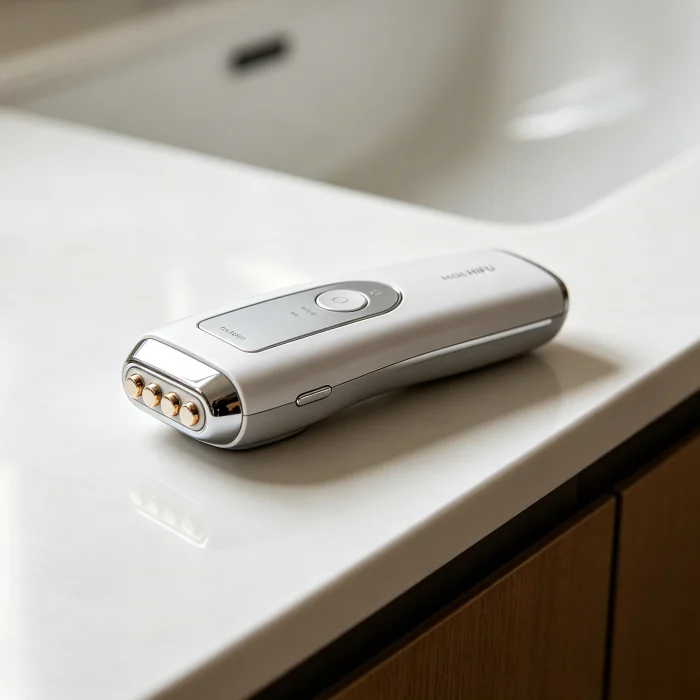
Professional HIFU treatments are powerful — single sessions can cost $1,500 to $4,000 and last 12 to 18 months. At-home devices, like the NuFACE FIX or the MyoLift, operate at lower energy levels for safety. That means you need more sessions to get comparable results. Think of it like strength training: you wouldn’t expect one heavy lift to build muscle. Your skin’s collagen response works similarly — it needs repeated, consistent stimulation.
I’ve tested three different at-home HIFU devices over the past year, and here’s what I’ve seen: after the first session, you might notice a mild plumping effect that fades within a week. That’s not the real result — it’s just temporary inflammation. The real lifting starts around week 3 to 4, and by week 8, you can usually see a visible difference. But only if you’ve done at least two treatments.
Recommended At-Home HIFU Schedule for Best Results
Here’s a realistic timeline based on clinical protocols and real-world user feedback from the AllureCircle community. Remember, individual results vary based on age, skin laxity, and device power.
| Phase | Frequency | What to Expect |
|---|---|---|
| Initial Sessions | Every 4 weeks, 2–3 sessions total | Mild swelling first 24 hrs, gradual tightening over 8–12 weeks. |
| Maintenance | Every 6–12 months | One session to sustain results. |
| Over-Treatment Risk | No more than once every 3 weeks | Can cause fat loss or uneven texture. |
What Influences How Often You Should Treat?
Device Power and Settings
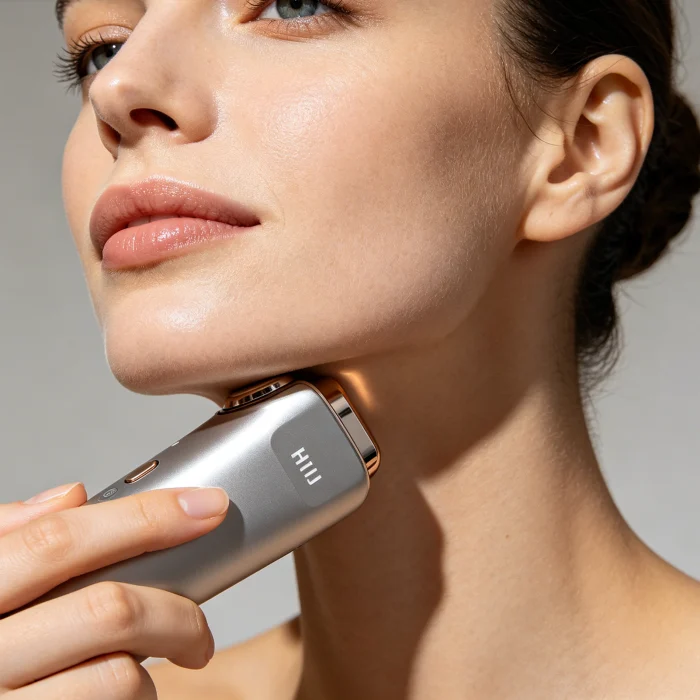
Not all at-home HIFU machines are created equal. Some deliver 3–5 joules per pulse, while budget devices might only push 1–2 joules. Higher energy means deeper tissue heating and longer-lasting results — but also more risk of discomfort or side effects. Lower-energy devices require more frequent sessions, sometimes every 2 to 3 weeks. Check your device manual, but a good rule of thumb is to follow the recommended interval — don’t cut it shorter because you’re impatient.
Your Skin’s Condition
Younger skin (30s to early 40s) with mild laxity responds faster — you might get away with 2 sessions per year. Thicker, more sun-damaged skin may need 3 to 4 initial sessions. If you’ve had previous cosmetic procedures like fillers or Botox, wait at least 4 weeks before using HIFU in those areas. Also, if you’re prone to hyperpigmentation, spacing sessions 6 to 8 weeks apart is safer.
How At-Home HIFU Compares to Professional Treatments
Let’s be real: at-home devices won’t match a clinic-grade Ultherapy session. But they’re a solid option for maintenance and mild lifting. A 2022 study in the Journal of Cosmetic Dermatology found that home HIFU devices improved skin laxity by about 25–30% after a full course, compared to 50–60% for professional treatments. The trade-off? Cost and convenience. One clinic session costs as much as a whole at-home device. And if you’re already using red light therapy for wrinkles, adding HIFU can boost collagen remodeling — just don’t combine them on the same day.
A common question is whether to start with professional HIFU and then maintain at home. That’s actually a smart strategy. Get a strong initial lift from a clinic, then use your home device every 6 months to prolong the effect. Check the HIFU Machine guide on AllureCircle for a comparison of popular home models.
What Happens If You Do HIFU Too Often?
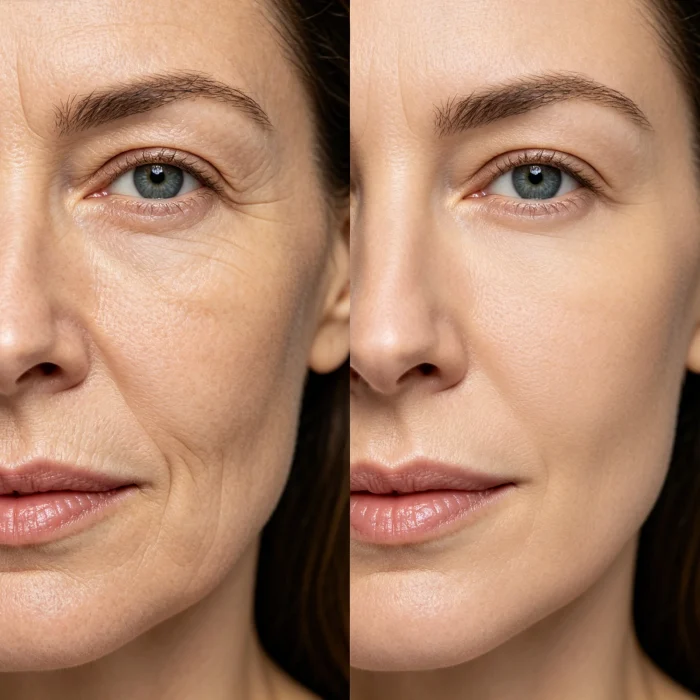
Overdoing HIFU is a real concern. The ultrasound energy targets the SMAS layer (the same layer surgeons lift in a facelift). Hit it too frequently, and you risk reducing fat in your face — creating a hollowed, gaunt look that ages you rather than rejuvenates. I’ve seen posts in the AllureCircle community from users who did weekly treatments for a month and ended up with sunken cheeks. It took months for their face to look full again.
Other side effects of over-treatment include prolonged redness, swelling that lasts more than 3 days, and uneven texture. Stick to the 4-week minimum gap. And if you’re using other energy-based devices like RF, alternate weeks — don’t layer treatments on the same week.
Building a Complete Skincare Routine Around HIFU
HIFU is powerful, but it’s not a standalone solution. For best results, pair it with a solid skincare routine. Use a gentle cleanser, a good moisturizer with ceramides, and SPF 30+ daily (HIFU makes skin more photosensitive). I also recommend adding LED light therapy on your off weeks — red light at 630–660nm boosts collagen production without the heat risk. Many users in the AllureCircle community combine HIFU with microcurrent or RF devices for a comprehensive lift.
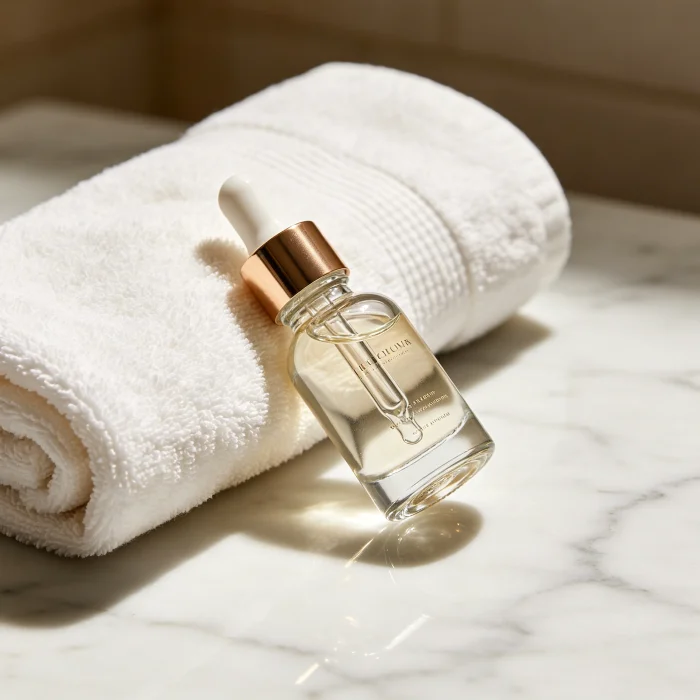
One thing that surprised me: hydration matters a lot. Well-hydrated skin responds better to ultrasound energy. Drink water, use a hyaluronic acid serum before your session (if your device manual allows it), and avoid alcohol for 24 hours before treatment. Small tweaks like these can noticeably improve your results.
Real User Results: What to Expect at Each Stage
Here’s a rough timeline based on hundreds of user reports:
- Week 1–2: Some immediate plumping from inflammation. Don’t get too excited — it fades.
- Week 3–4: Subtle lifting, especially around the jawline. You might notice your face looks less “saggy” in photos.
- Week 8–12: Peak collagen effect. This is when most people see the real difference — firmer cheeks, tighter jawline, less nasolabial fold depth.
- 6 months: Results start to plateau. If you did 2–3 initial sessions, you’ll still see improvement compared to baseline, but the curve flattens.
Maintenance sessions at 6 or 12 months help sustain the lift. Some users find doing one session every 6 months keeps their face looking consistently tighter. Others stretch it to once a year. Factors like age, lifestyle, and genetics play a big role.

When At-Home HIFU Might Not Work for You
Let’s be honest — not everyone is a good candidate. If you have significant skin laxity (think jowls that are more than 1 cm loose), at-home HIFU probably won’t give you the lift you want. You’d likely need a professional treatment or a surgical option. Also, if you’re under 30 with minimal sagging, you might not see much difference — your collagen is already high.
Pregnancy, breastfeeding, active skin infections, pacemakers, and metal implants in the treatment area are all contraindications. And if you’ve had recent (within 6 months) dermal fillers or threads, wait before using HIFU — the heat can break them down prematurely.
For a deeper dive into how long results last, check out How Long Do HIFU Machine Results Last for Face? on AllureCircle.
Frequently Asked Questions
Can I do HIFU at home every week?
No. At-home HIFU should not be done weekly. Most devices require a 4-week gap between sessions to allow collagen to build and prevent fat loss. Doing it weekly can cause skin damage and hollowing.
How many at-home HIFU sessions do I need for visible results?
Typically 2 to 3 sessions spaced 4 to 6 weeks apart. After that, maintenance every 6 to 12 months. Some people see improvement after one session, but the best results come from a full course.
Is at-home HIFU safe for the face?
Yes, when used correctly. Stick to the recommended energy levels and treatment areas. Avoid the thyroid, eyes, and any area with metal implants. Mild redness and swelling are normal for 1–2 days.
Can I combine HIFU with red light therapy?
Yes, but not on the same day. Use red light therapy on your off weeks. Red light (630–660nm) stimulates collagen at a shallower depth and complements HIFU’s deeper action. This guide on red light therapy for rosacea has timing tips.
How long do at-home HIFU results last?
Results from a full initial course can last 6 to 12 months. Maintenance sessions extend that. Individual factors like age, skin condition, and lifestyle affect duration. Read more here.
What’s the best age to start at-home HIFU?
Most users start in their late 30s to early 50s, when collagen production naturally slows. If you’re in your 20s, you likely don’t need it unless you have specific laxity concerns.
Does at-home HIFU hurt?
It can be uncomfortable — a warm, prickly sensation. Most devices allow you to adjust energy levels. Numbing cream isn’t usually needed, but you can use it if you’re sensitive. Pain is minimal compared to professional HIFU.
Can I use HIFU on my body?
Yes, some devices have larger cartridges for body areas like the neck, arms, or abdomen. Follow the same frequency guidelines: 2–3 sessions 4 weeks apart, then maintenance. Results are more gradual on the body due to thicker skin and fat.
At-home HIFU is a fantastic maintenance tool, but it’s not a replacement for professional treatments when significant lifting is needed. The key is consistency — you can’t rush collagen. I tell my patients to think of it like a gym membership: the results come from showing up regularly over months, not from one intense session. Stick to the 4-week interval, and be patient. If you’re combining it with other modalities like microcurrent or LED, space them out by at least a week to avoid overstimulating the skin.
All Comments 0
Please log in to post a comment.
No comments yet. Be the first to share your thoughts!